








What the Exchange Journal covers
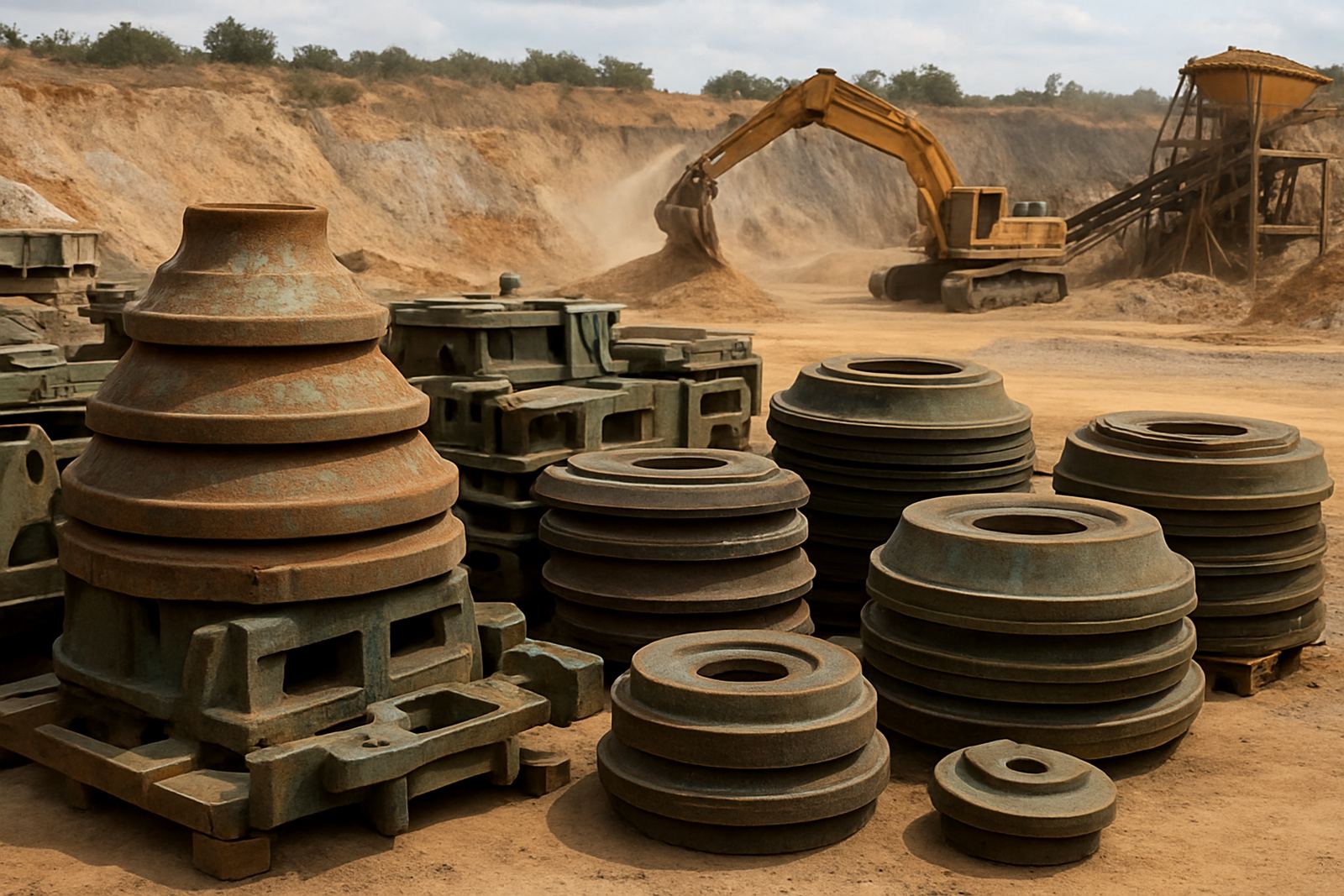
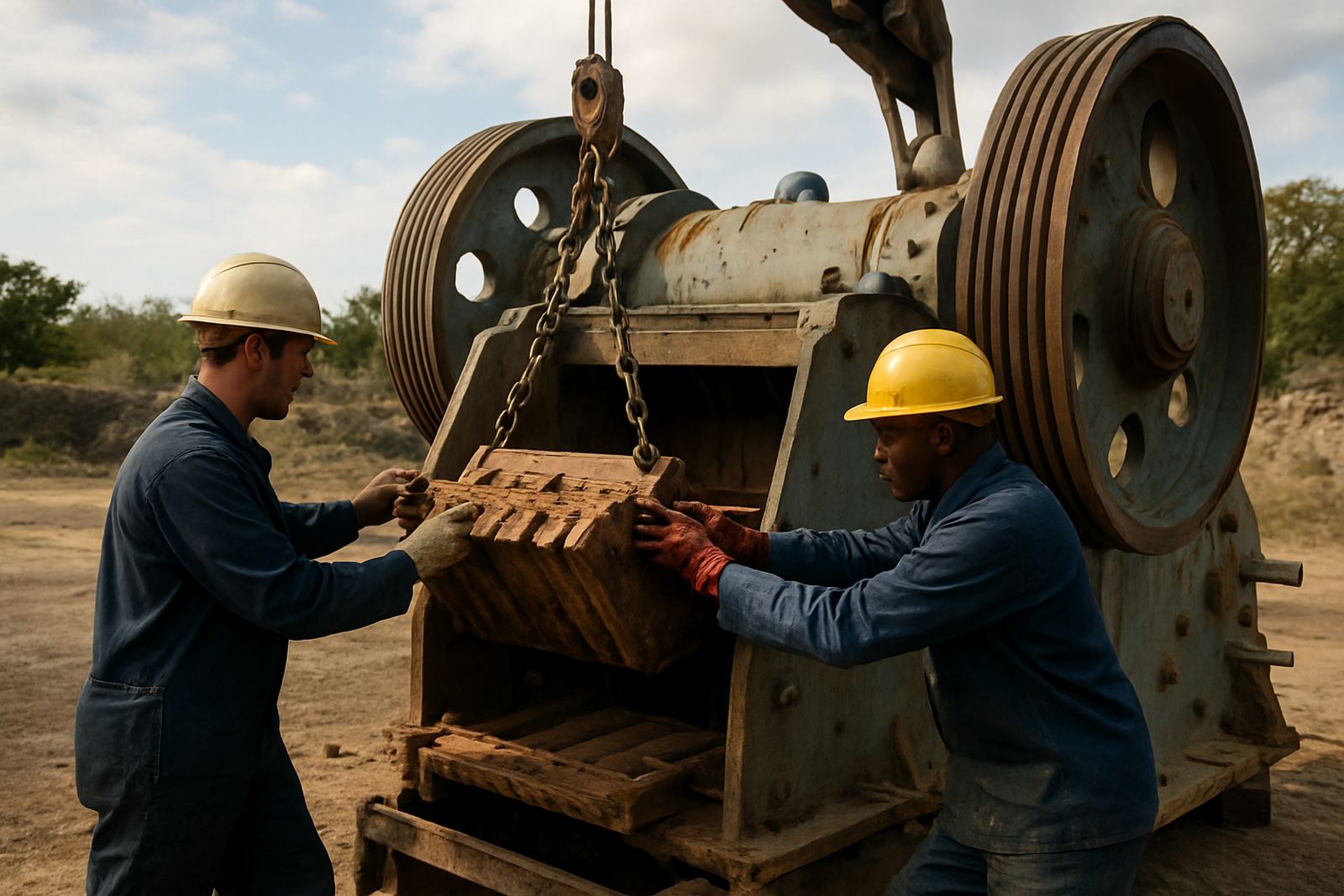
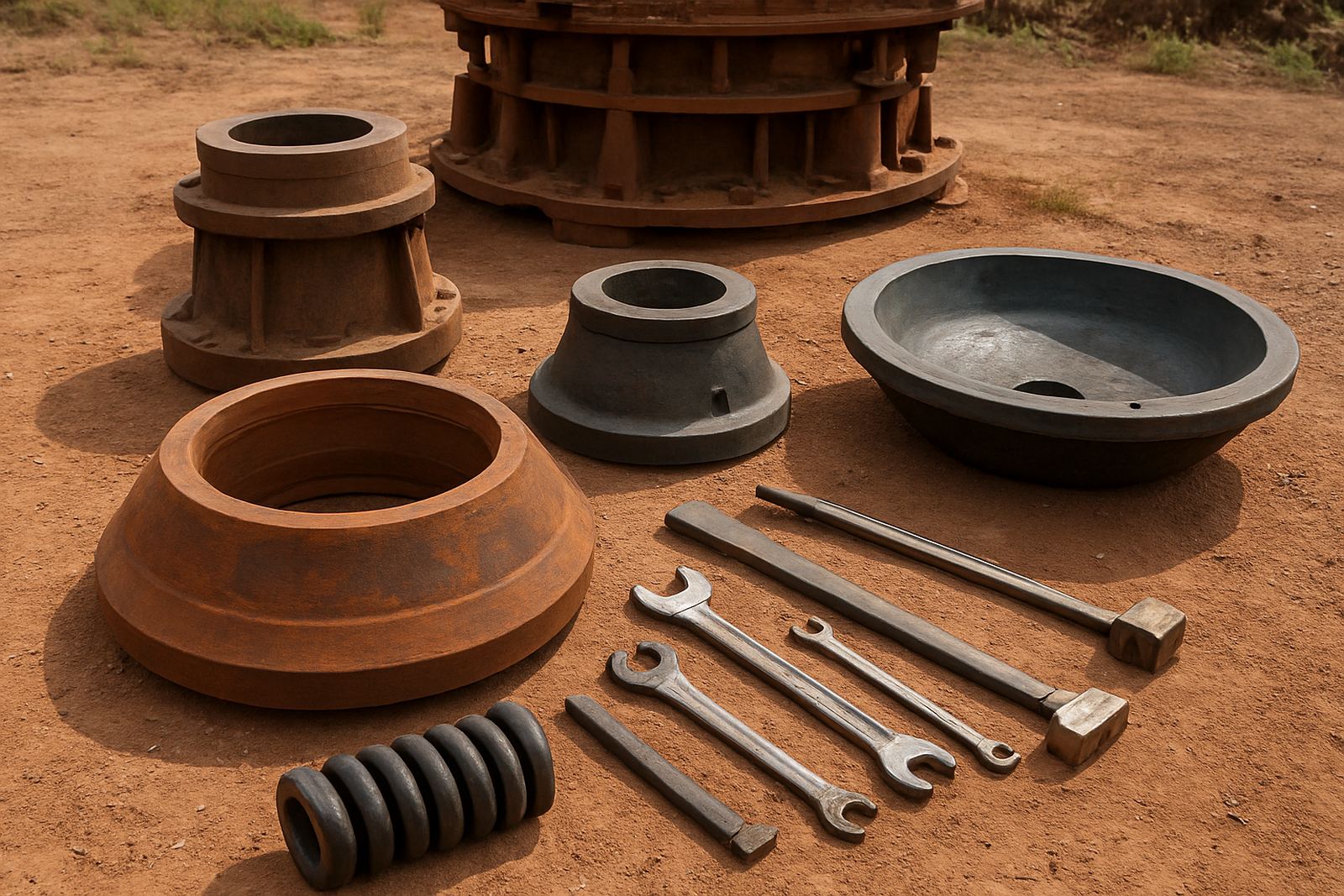
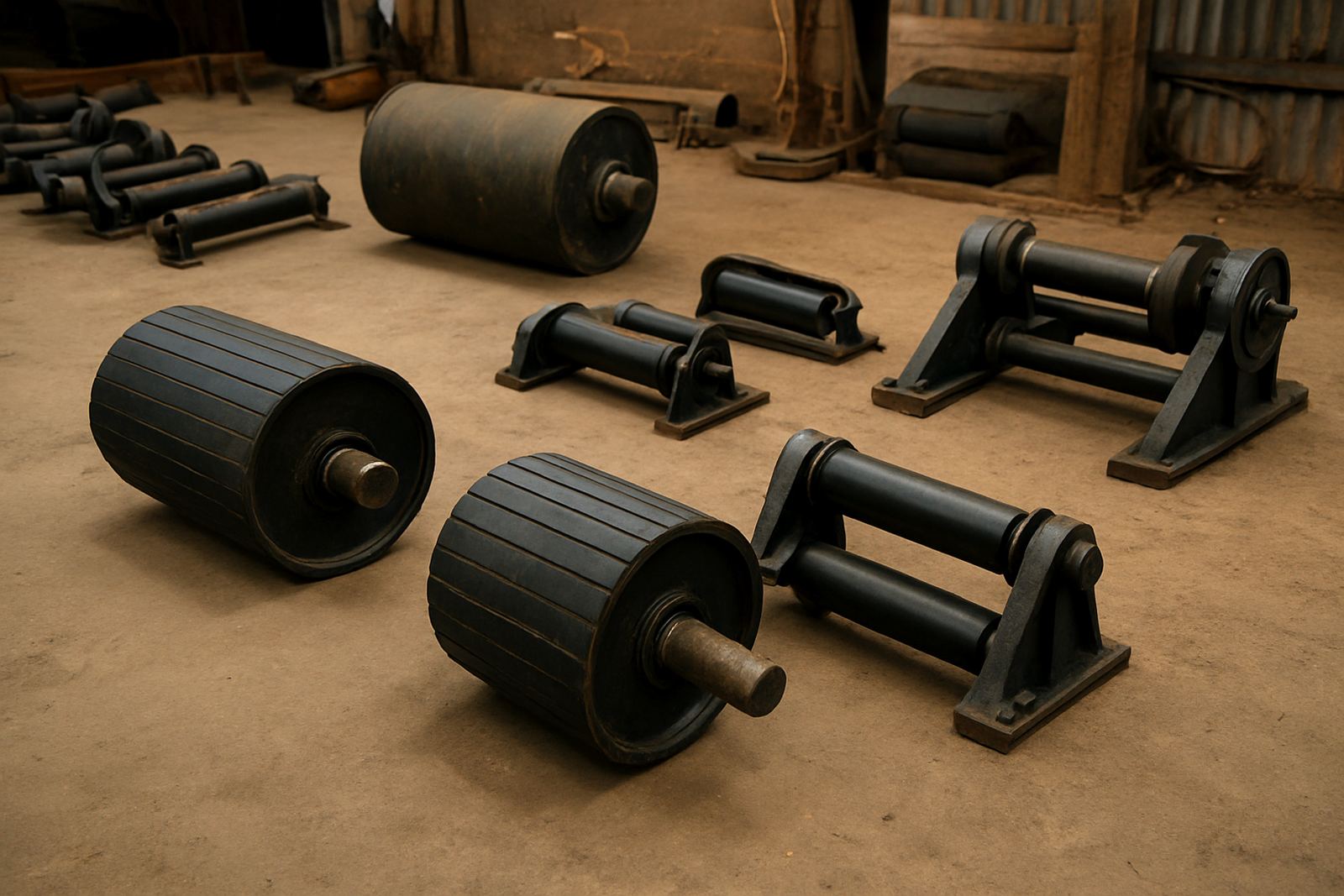
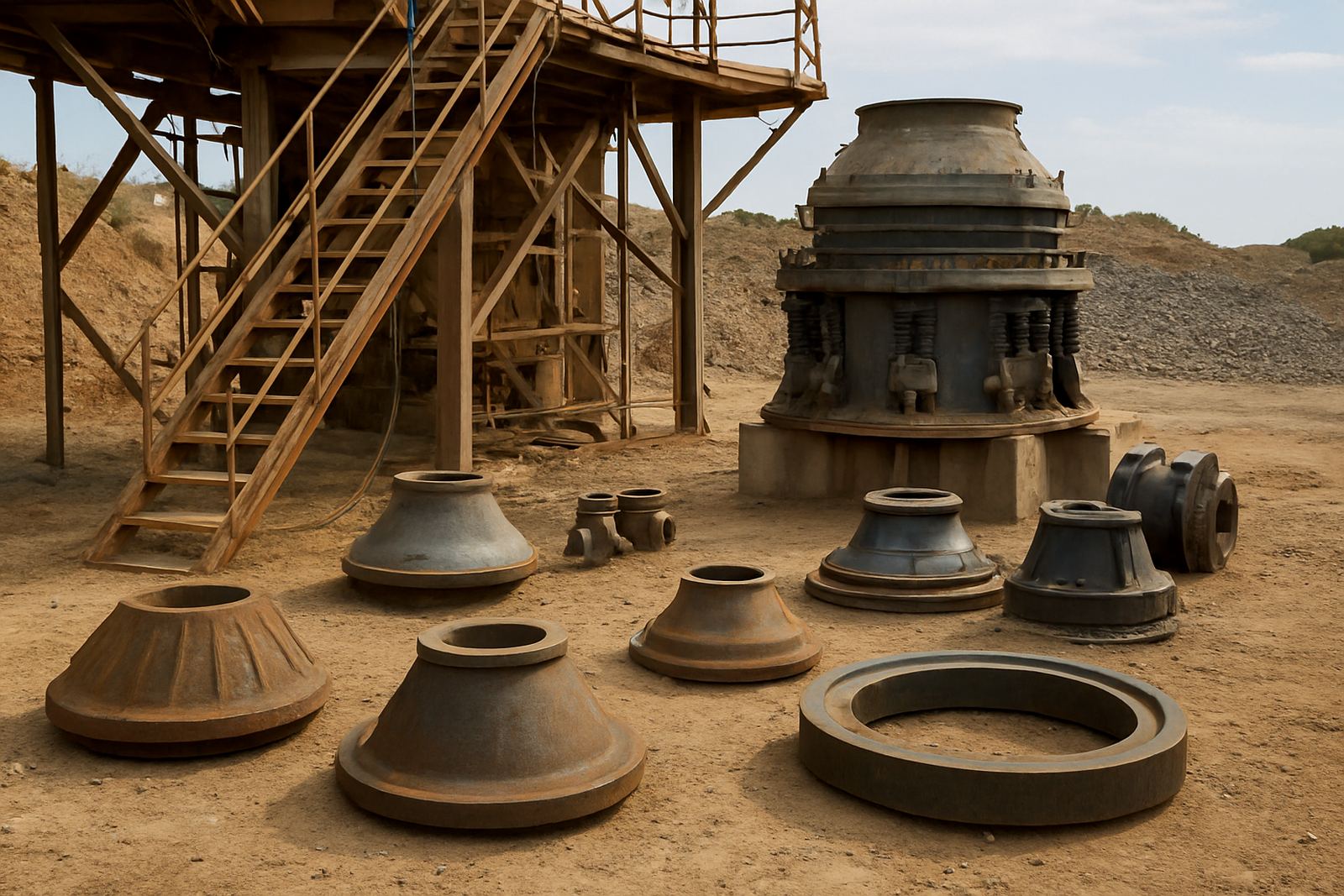
The Exchange Journal brings together practical guidance for quarries and mines that work with surplus crusher spares, used parts and short notice replacement needs. The focus is on real buying and selling decisions, not theory. If you are comparing a worn part against a repairable one, planning for a shutdown, or deciding whether a spare should be stored, exchanged or scrapped, these notes are aimed at that day to day work.
Crusher Spare Exchange has been supporting South African operations since 2012 from Middelburg, Mpumalanga. We work across eMalahleni, Rustenburg, Polokwane, Kathu, Pietermaritzburg, Secunda and Lydenburg, with listing, inspecting, storing and delivery handled for surplus crusher spares moving between sites.
- Guidance for operations teams, maintenance planners and yard staff
- Notes on surplus listing, condition checks and exchange decisions
- Useful detail for shutdowns, collections and delivery planning
- Local context for mines and quarries working under pressure from load shedding, dust and weather
How to choose the right journal article for your job
Not every article suits every site. Some readers need a quick answer on fitment checks, while others need a broader view on how to move stock between branches, yards and client sites. Start with the problem in front of you. If the part is already off the machine, look for inspection and condition reporting. If you are still deciding whether to keep it, check articles on scrap versus exchange. If the shutdown window is tight, read the notes on urgent spares search and shutdown sourcing.
We keep the focus practical because most operations do not have time for long reading. The best fit is usually the one that helps you reduce idle stock, avoid repeat handling and get the part to the right place with fewer delays. On coastal routes, humidity can also matter; inland, dust and heat can be the bigger issue, so storage and packing choices should match the route.
- Choose inspection articles when the part condition is unclear
- Choose logistics articles when timing, packing or transfer is the issue
- Choose exchange articles when you need to free up cash and yard space
- Choose shutdown planning articles when a stoppage is fixed and the risk is higher
Why inspection notes save money
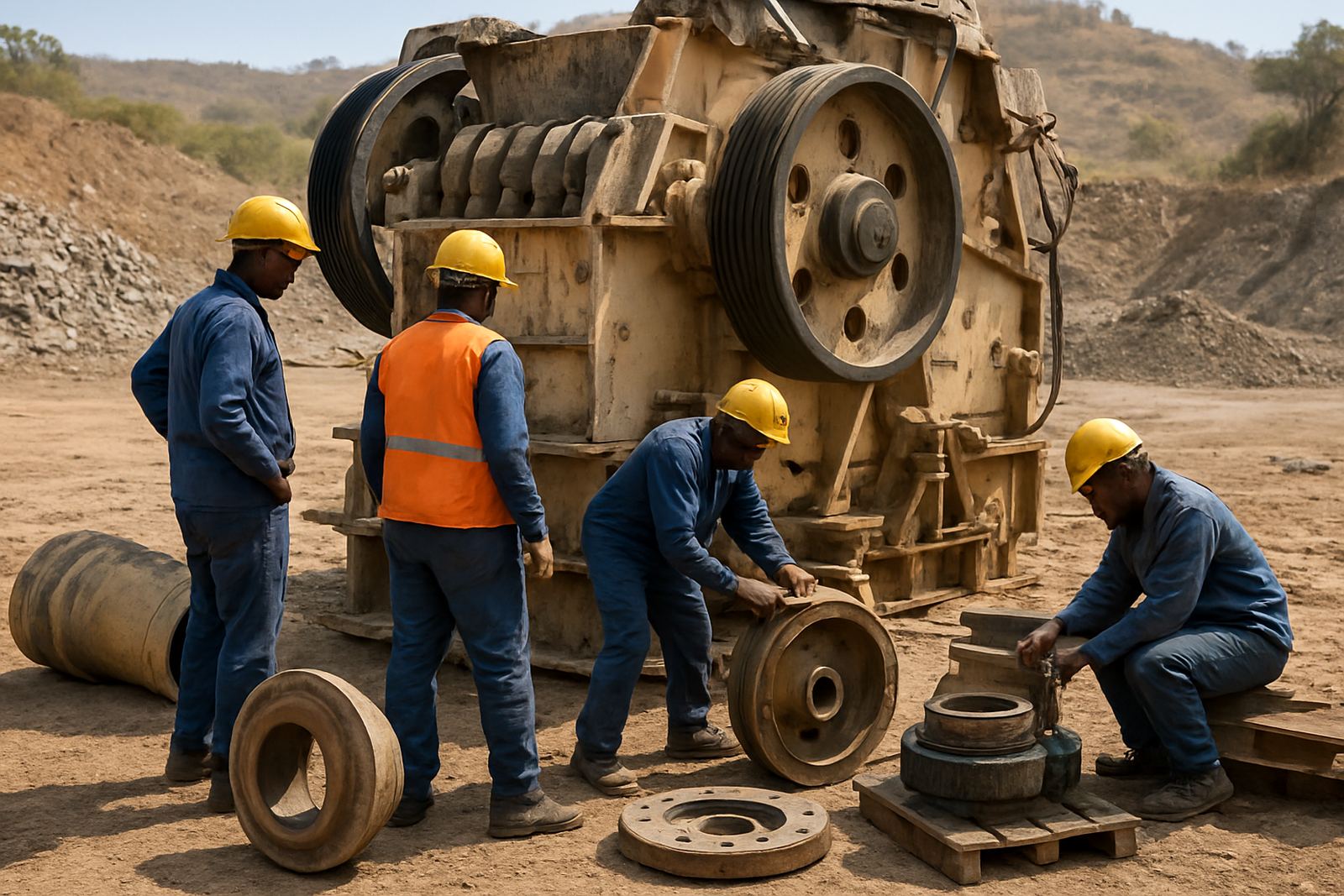
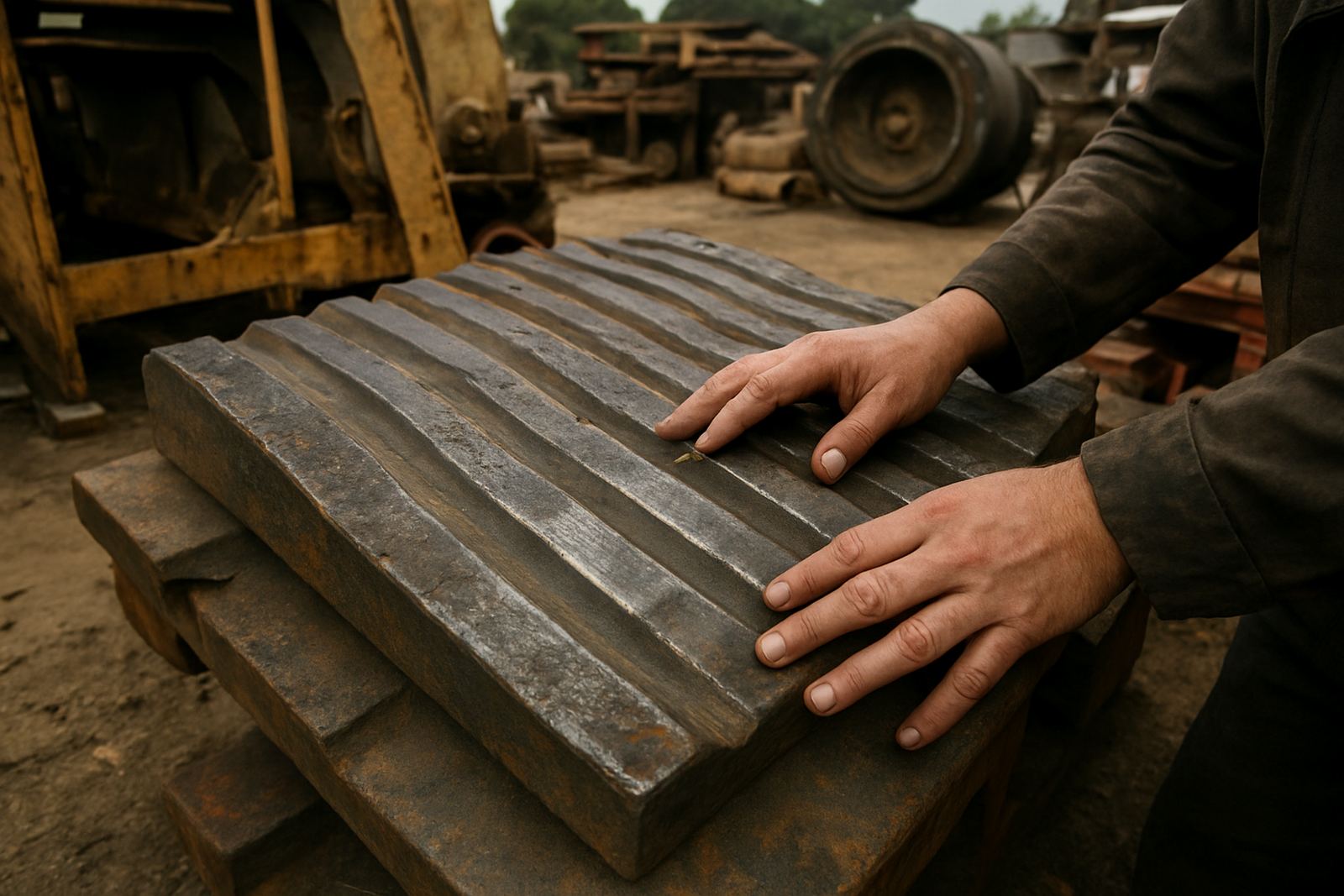
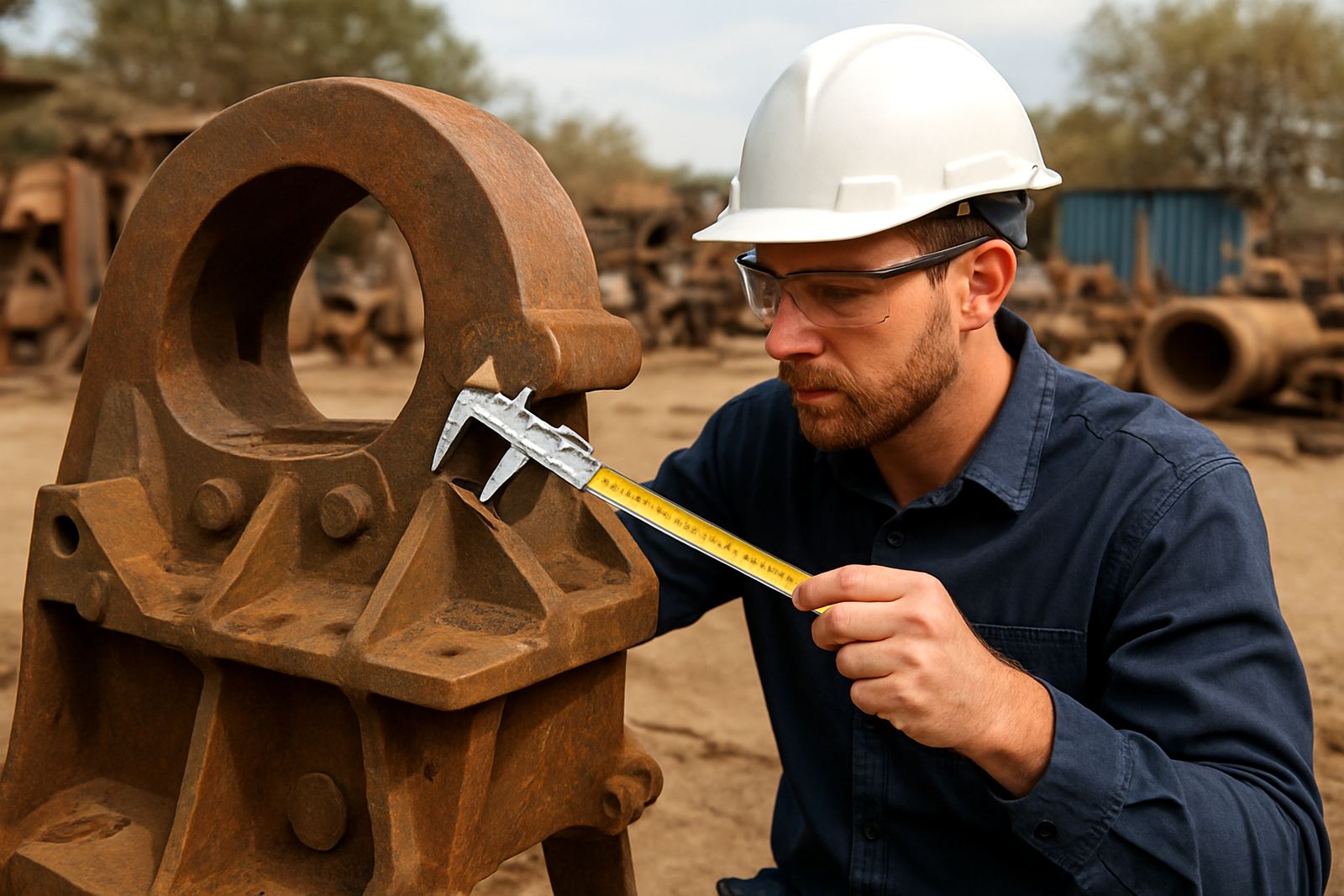
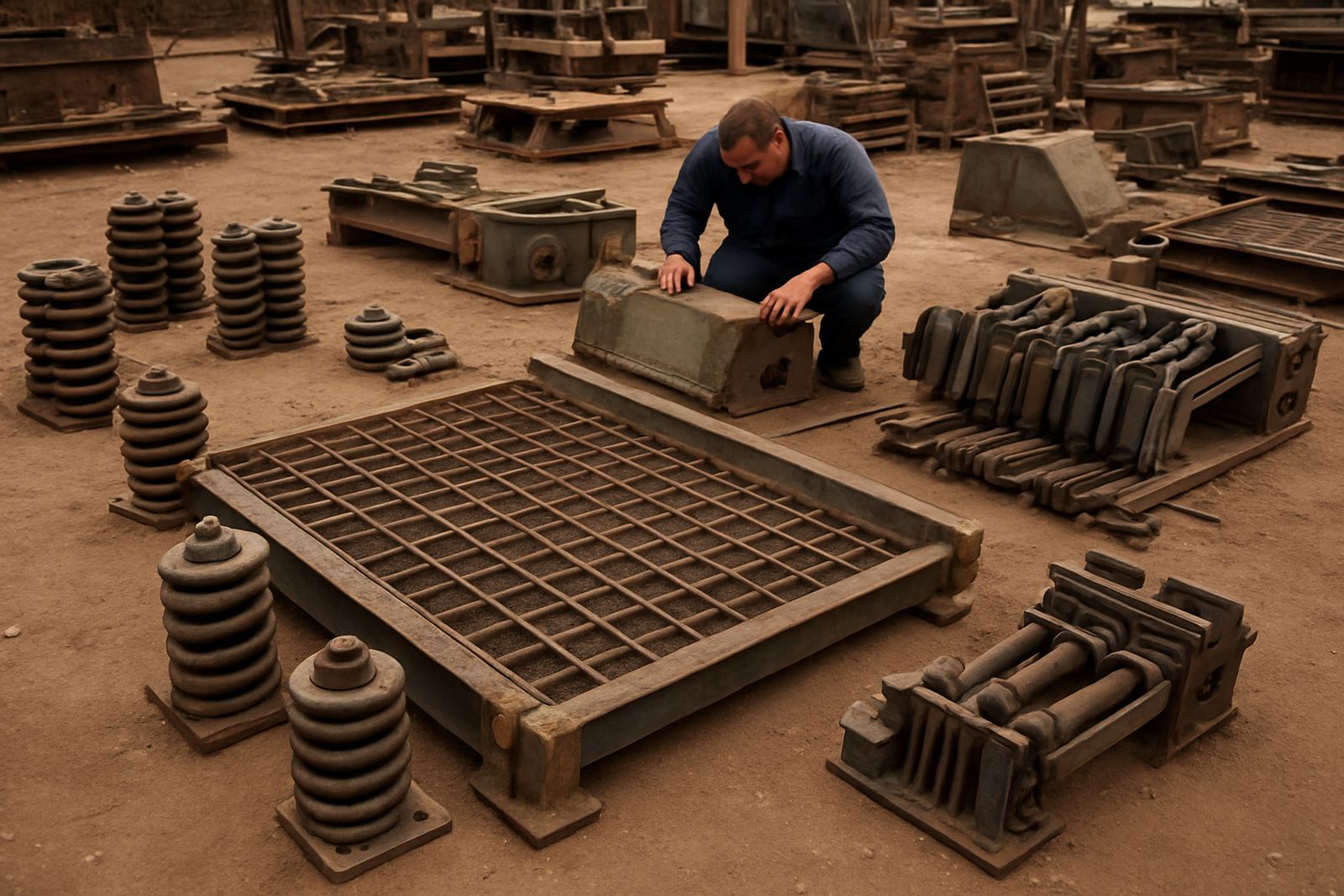
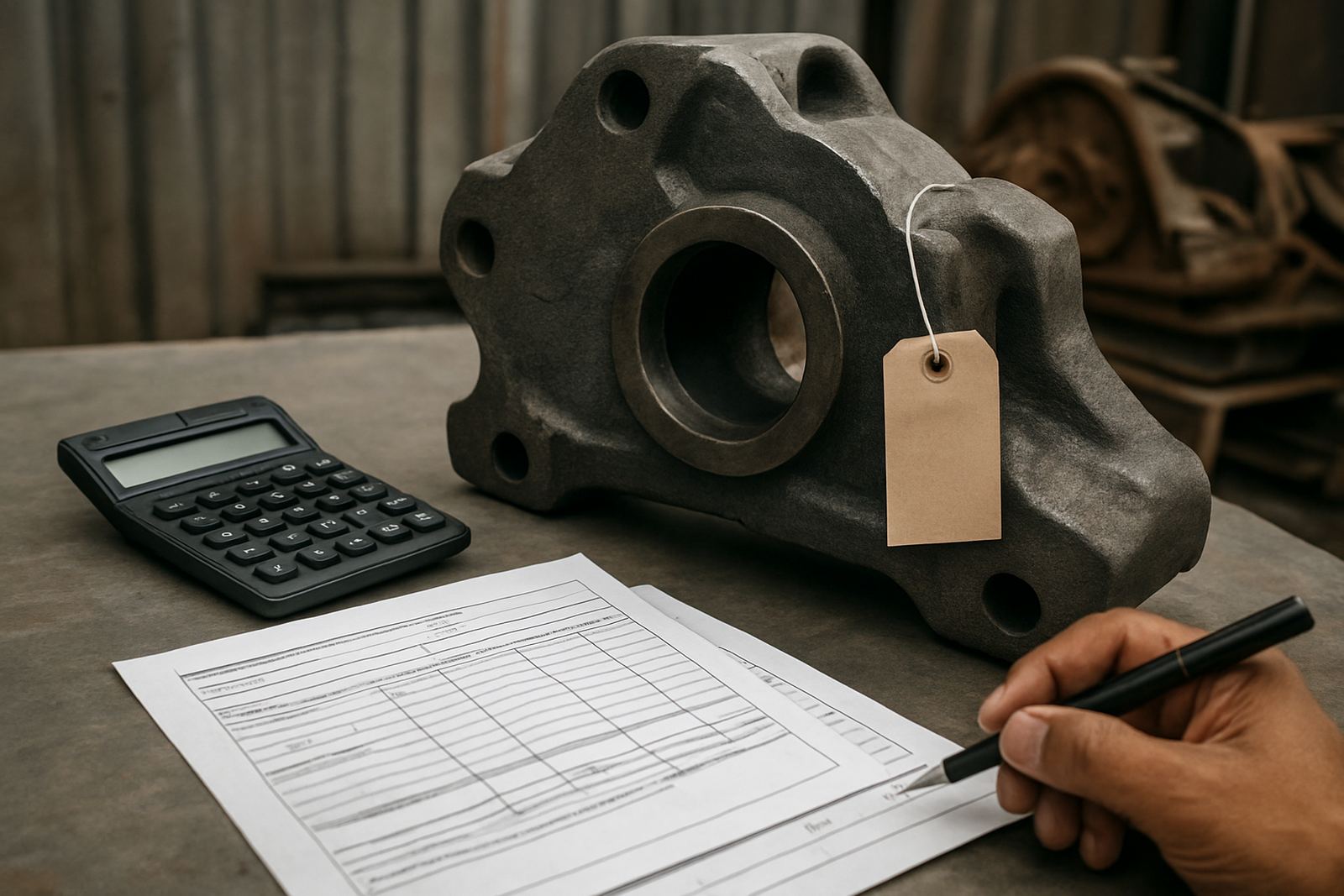
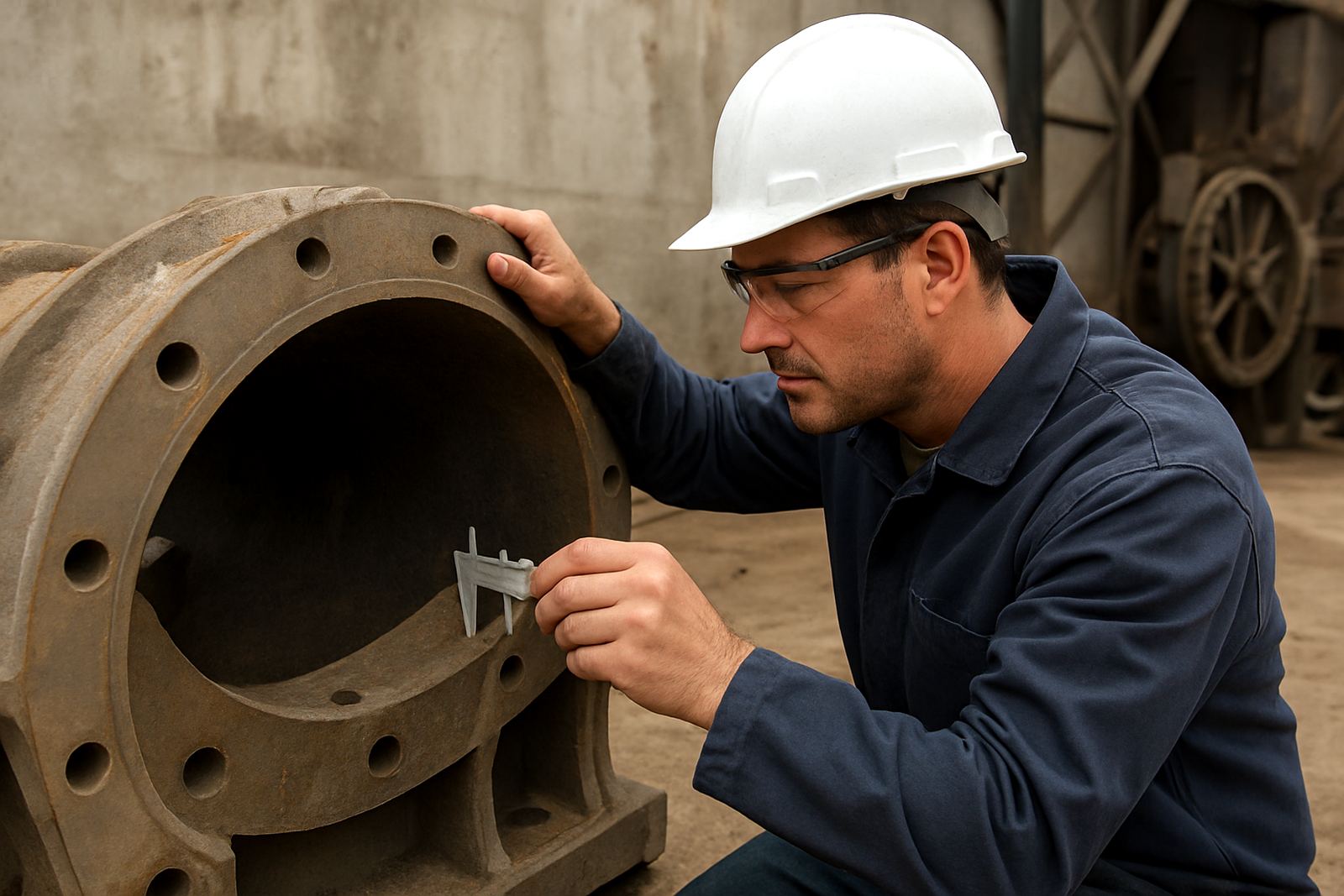
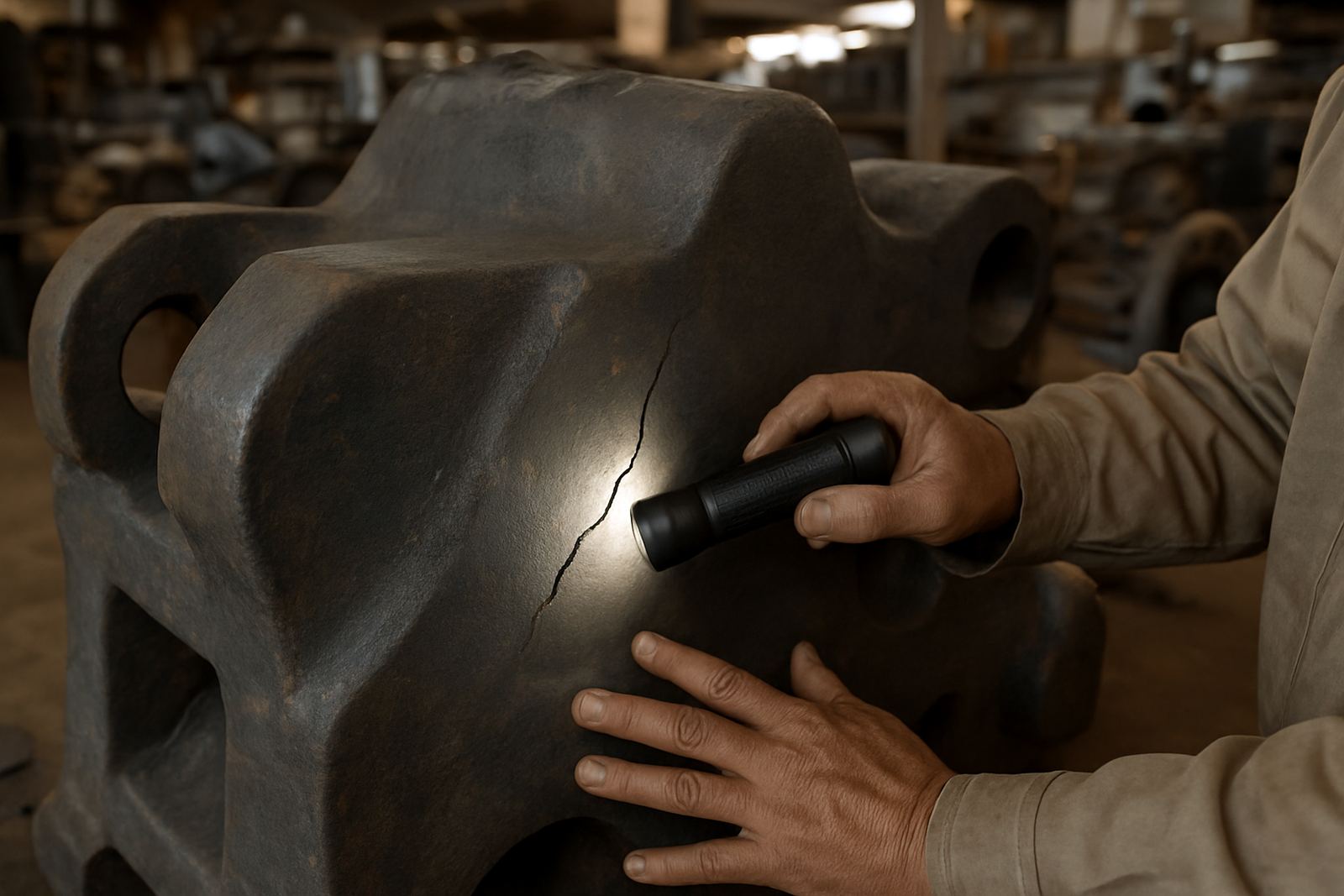
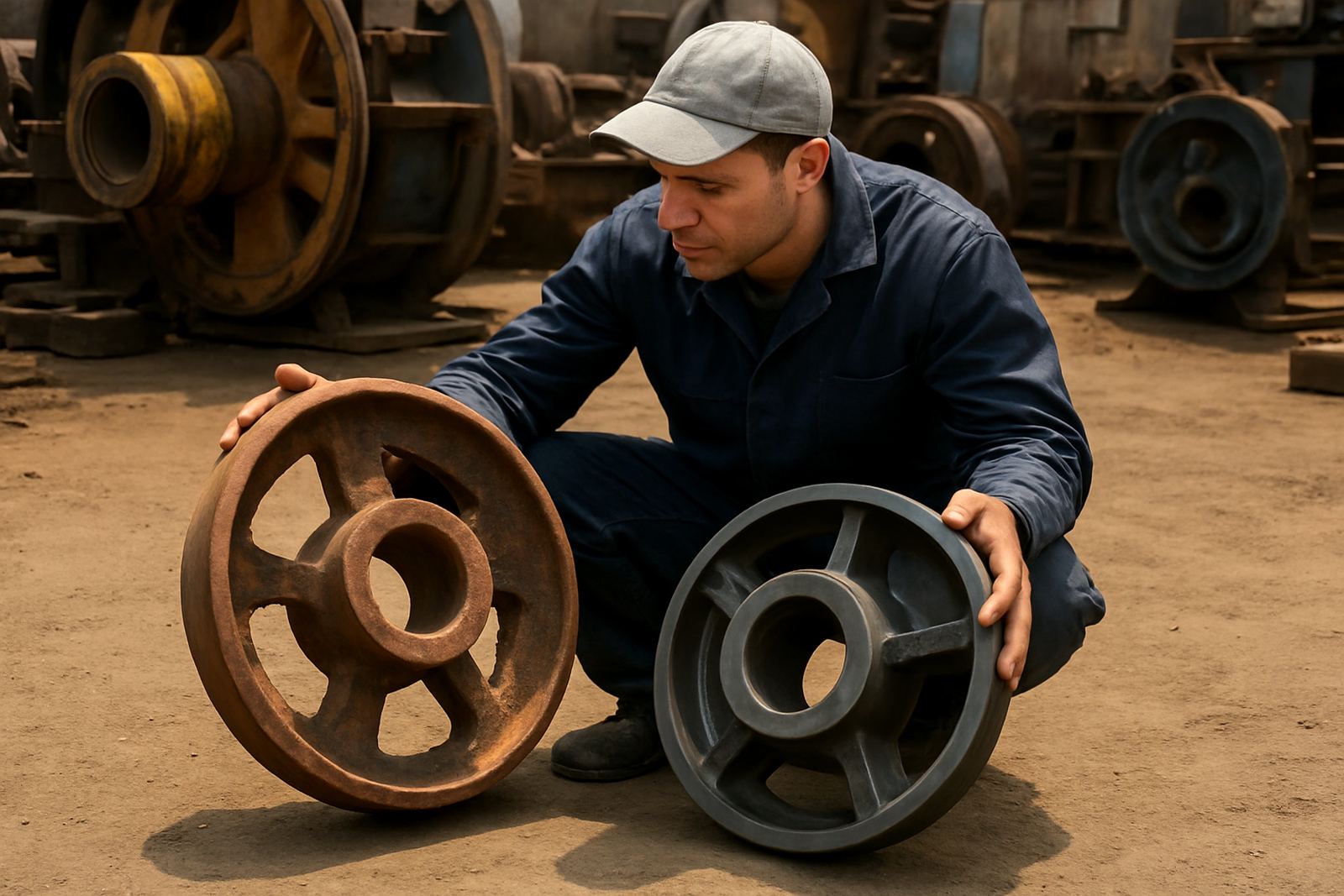
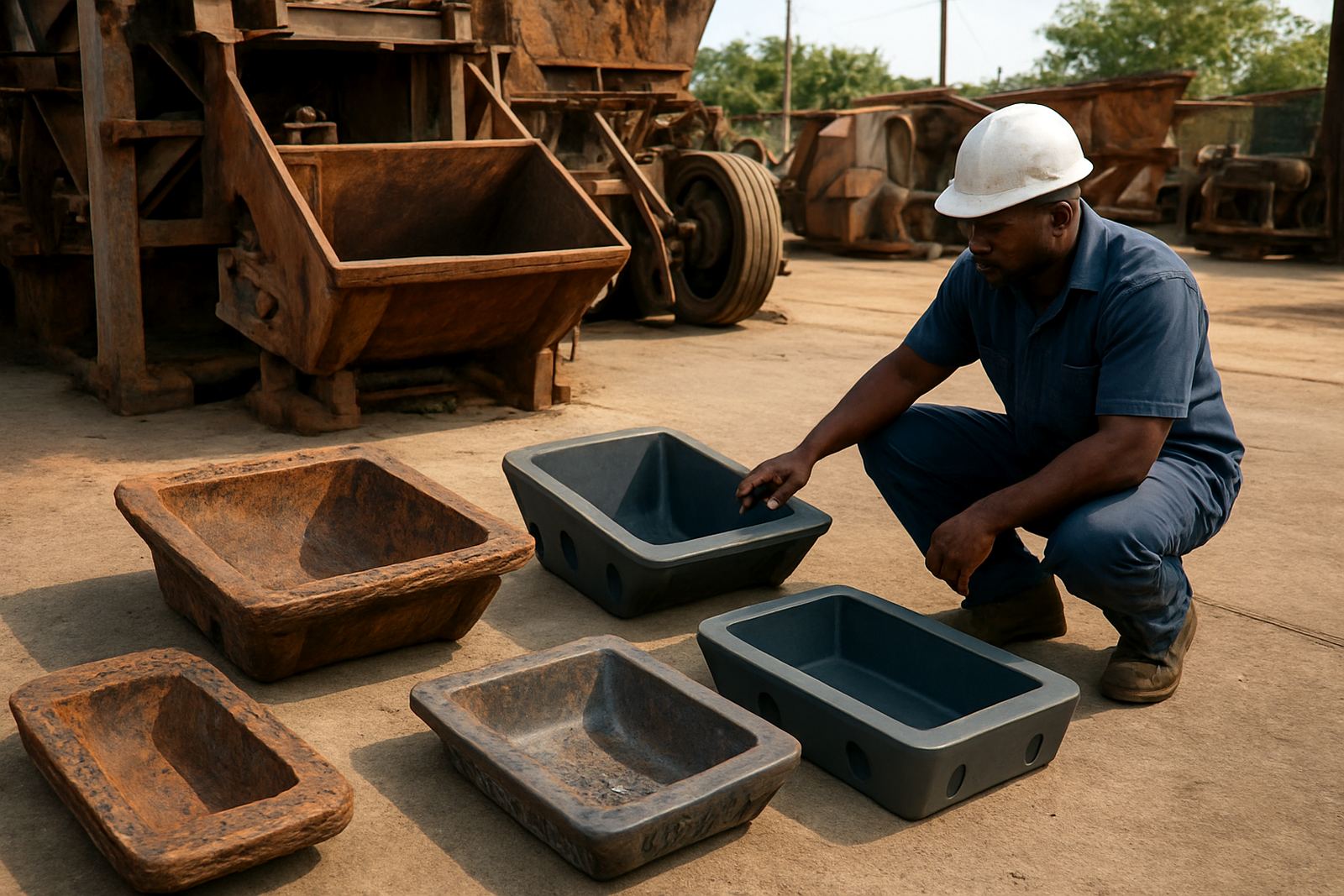
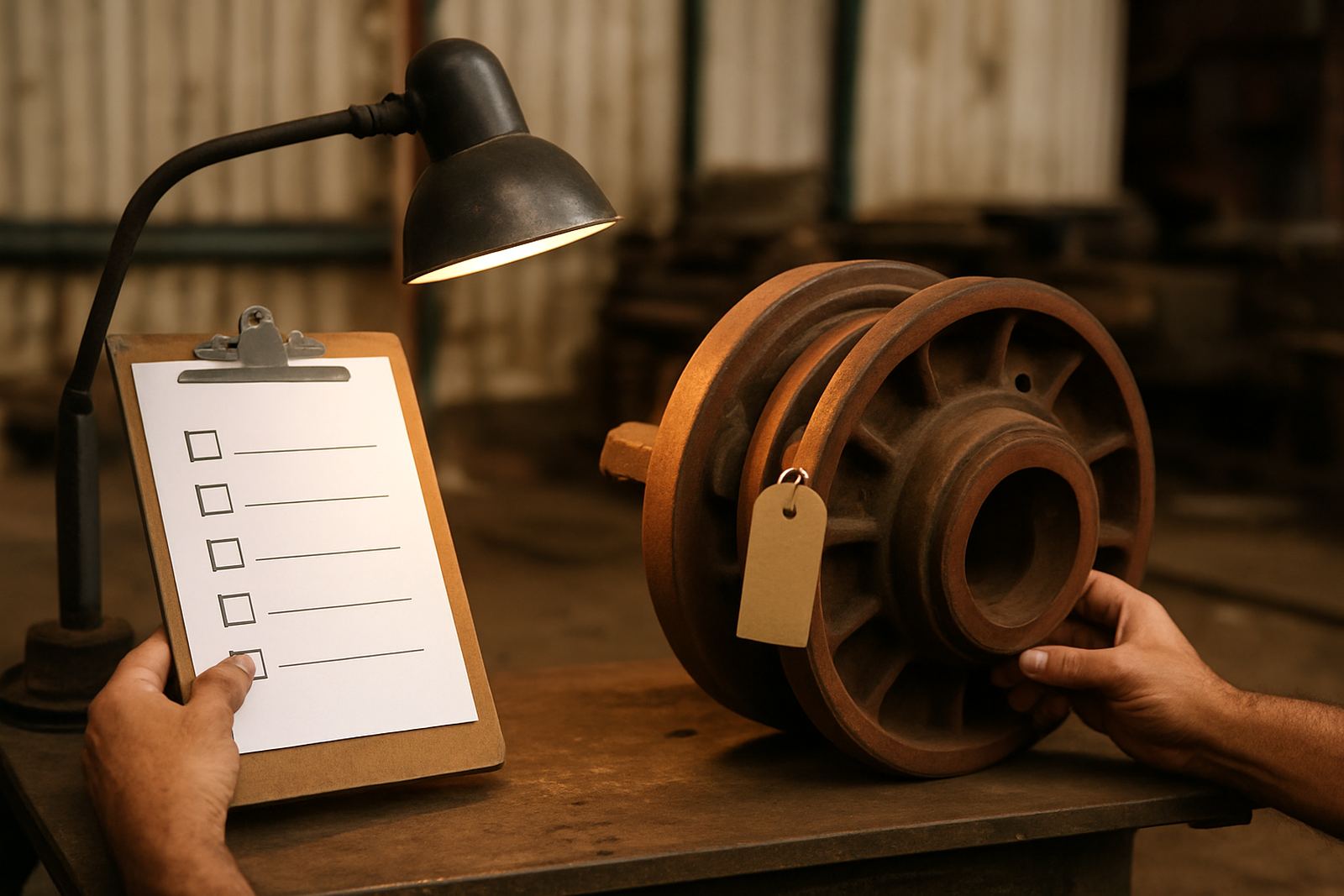
Good inspection work prevents a lot of expensive mistakes. A part that looks usable from a distance may have wear on mating faces, cracks around high stress points, or damage from poor handling. Sibusiso Ndlovu leads inspection coordination, with condition reporting used to support buying, selling and exchange decisions. That record helps clients know what can be reused, what needs reconditioning, and what is better sold as scrap.
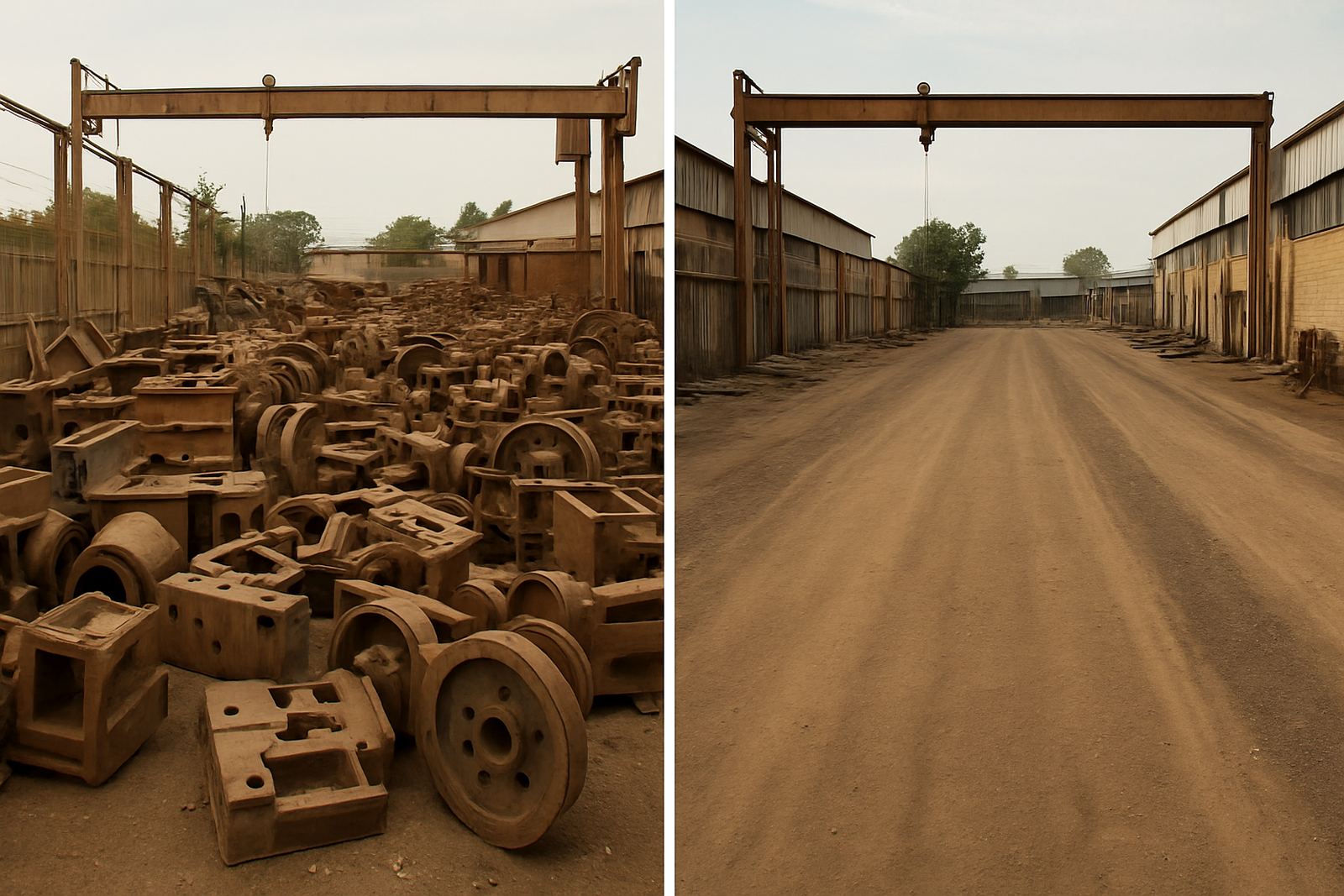
For many quarries, the real saving comes from avoiding unnecessary replacement and reducing the number of items that sit forgotten in a corner of the yard. A short written condition note, a clear photo set and a proper storage slot can make a real difference when a spare is needed two months later, not tomorrow. It is simple work but it keeps the chain moving.
Storage, packing and movement between sites
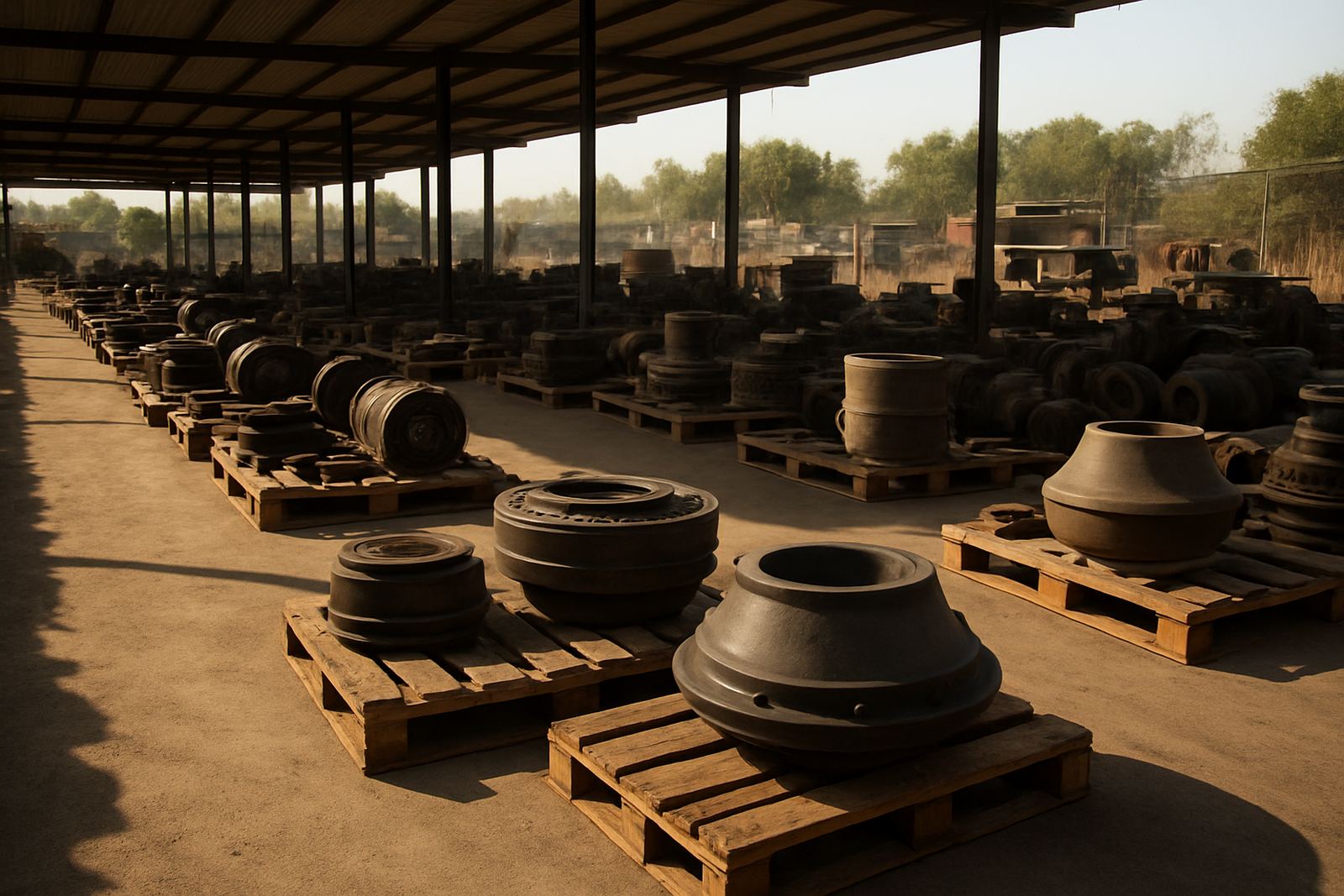
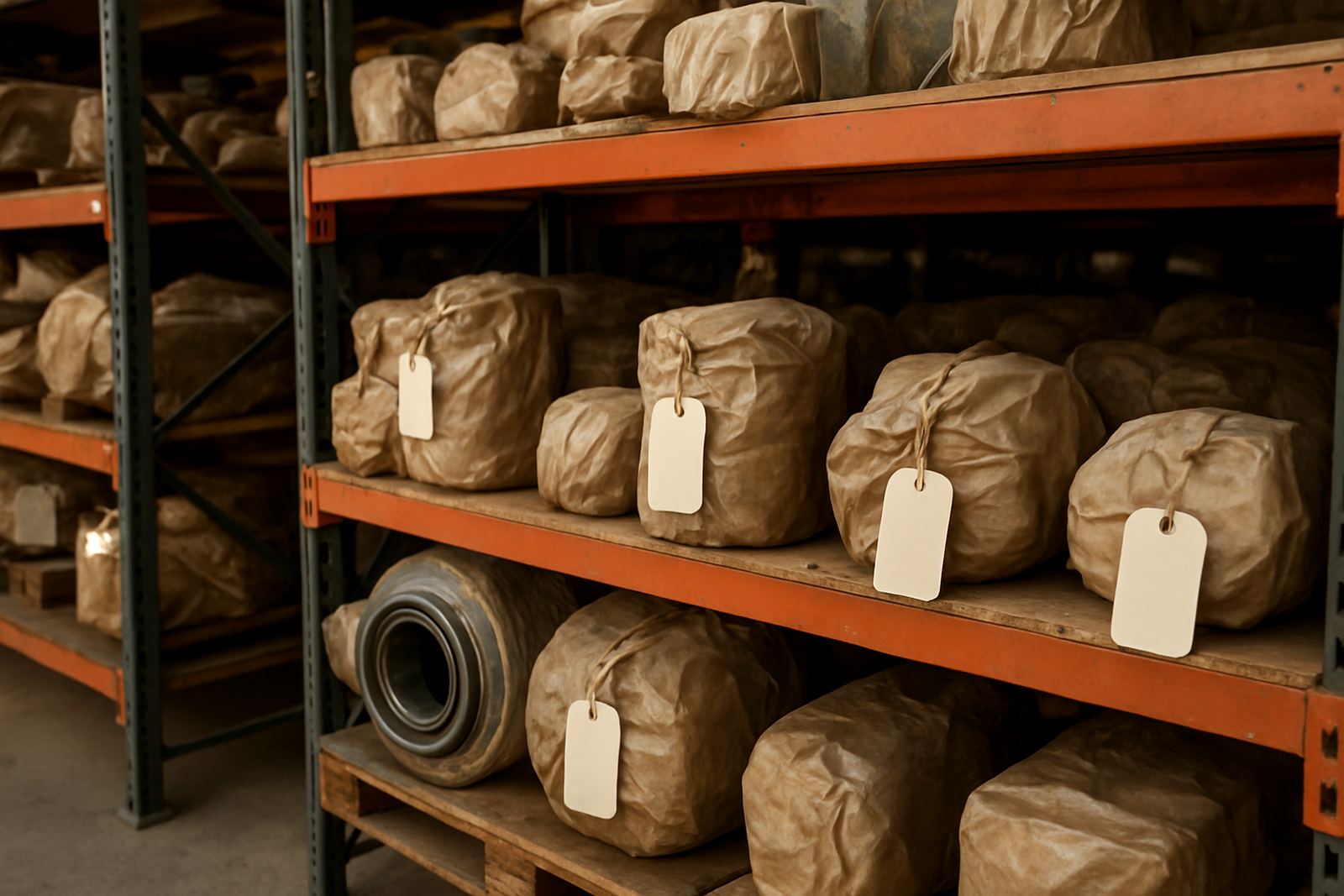
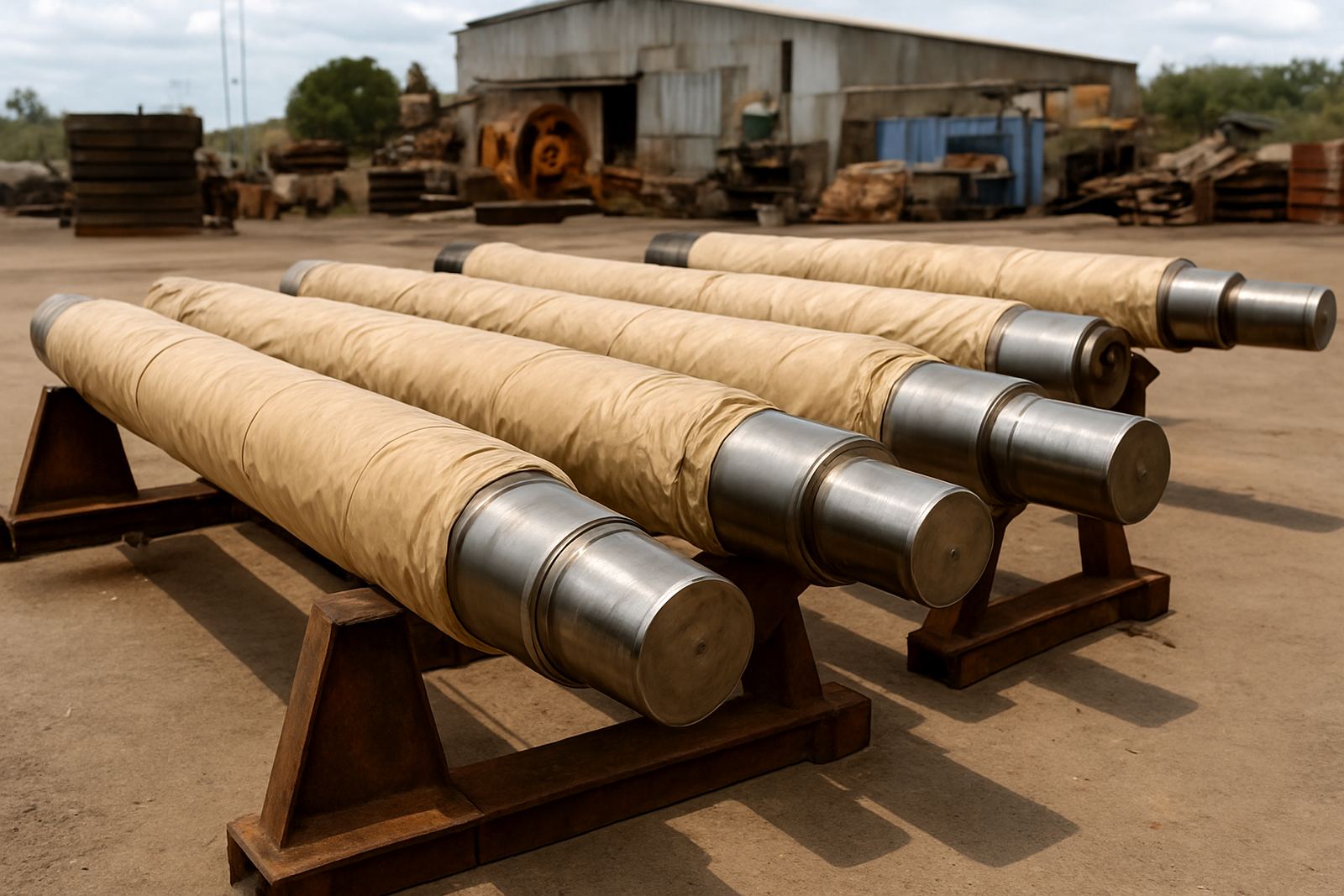
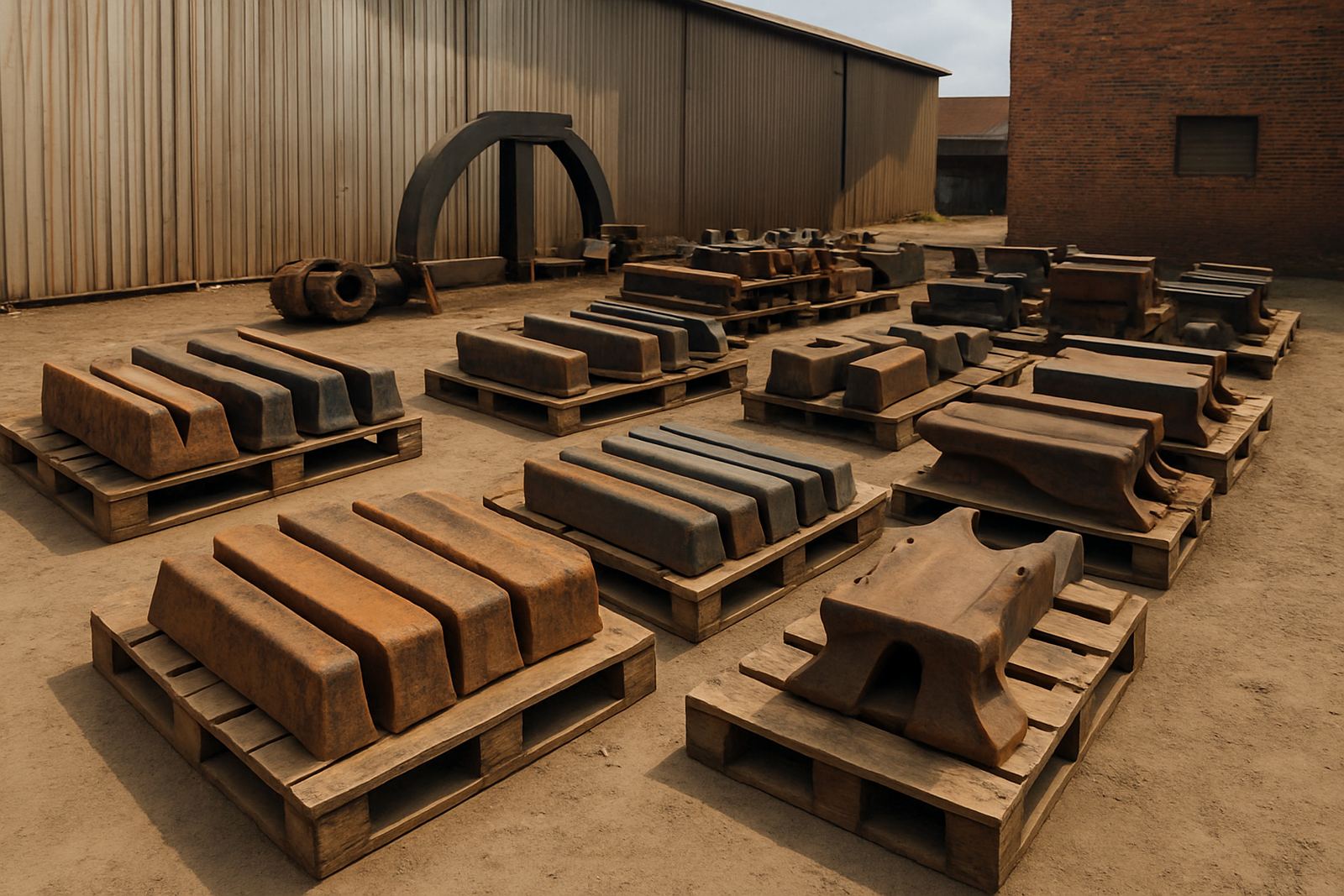
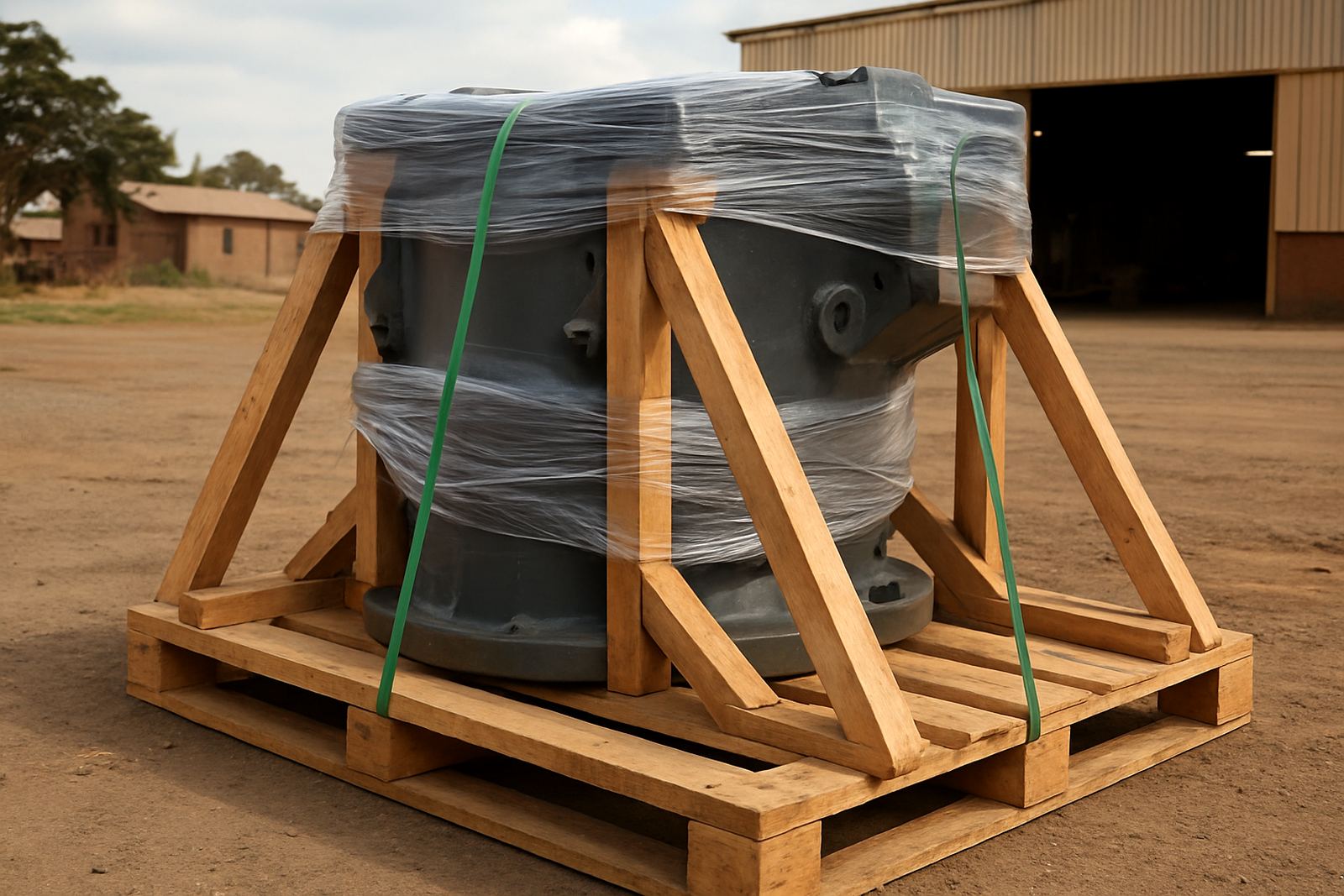
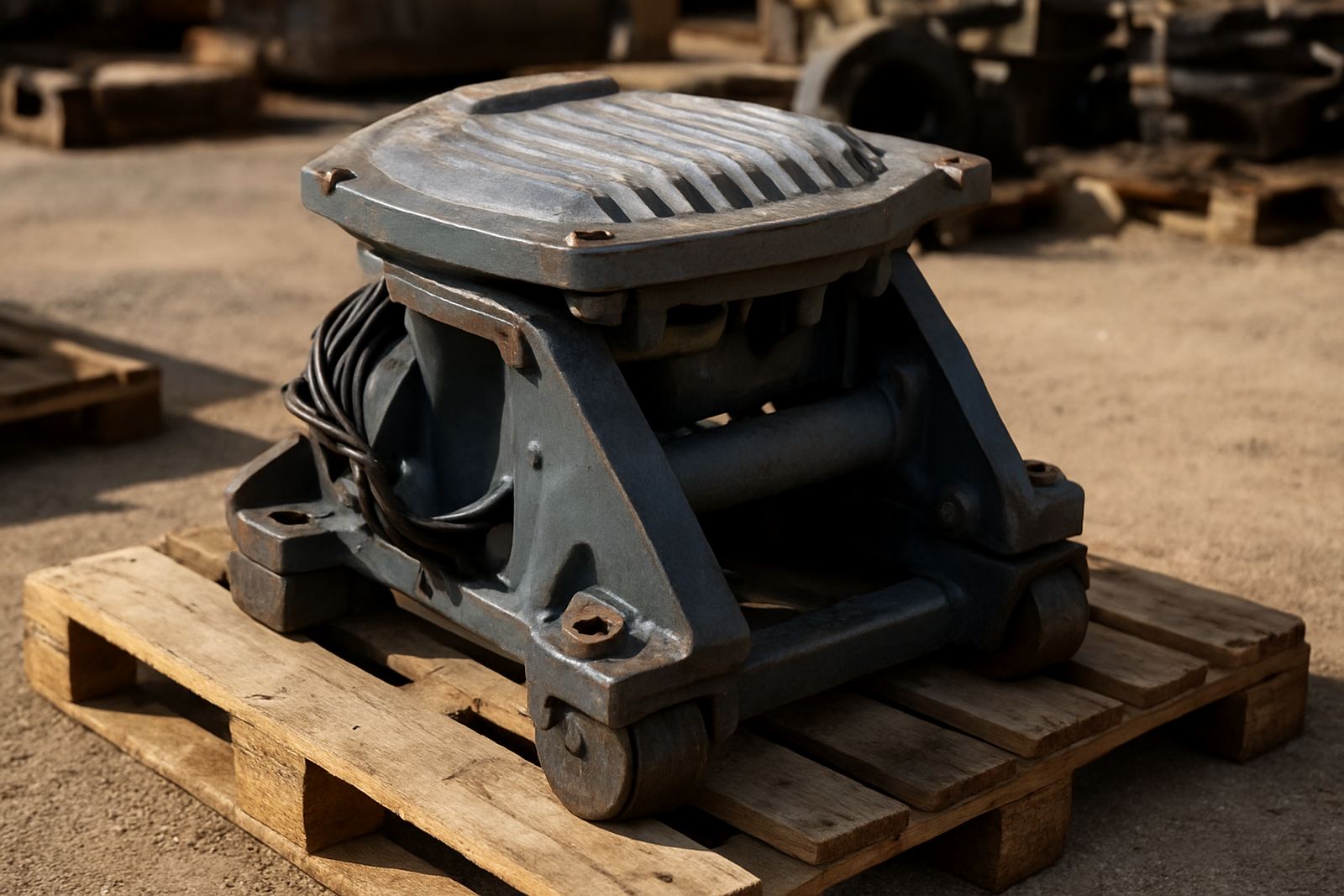
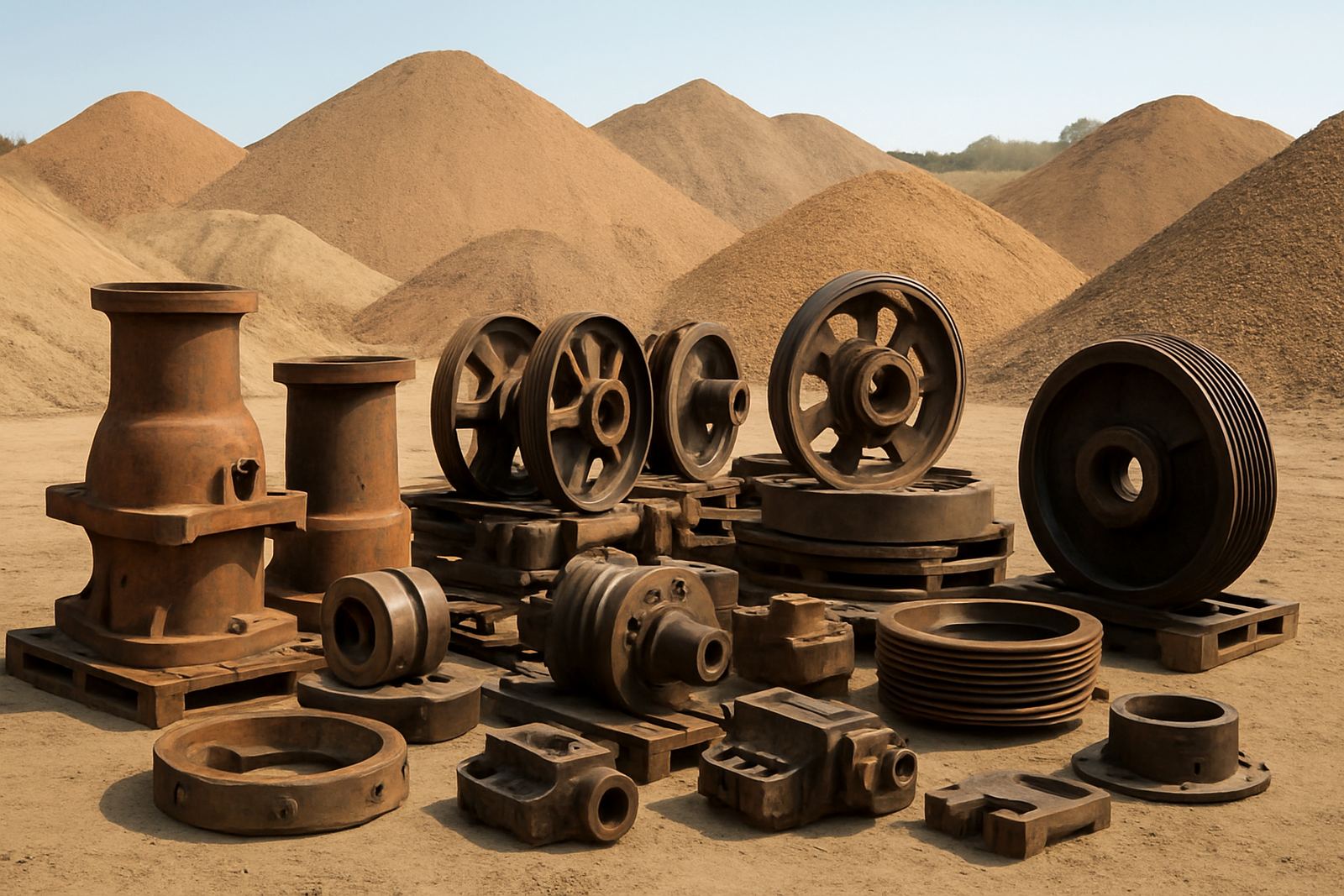
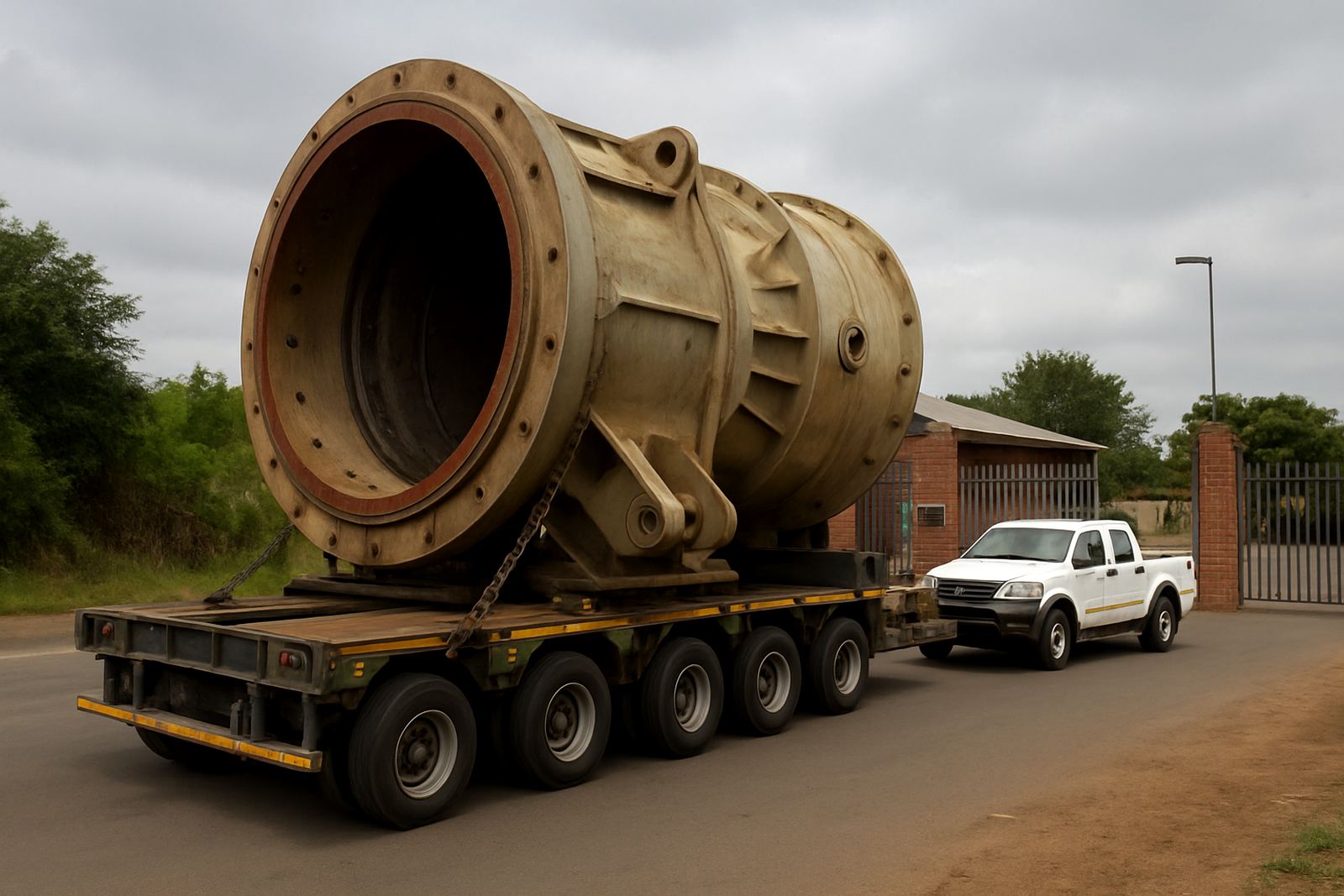
Surplus spares need more than a shelf. They need yard control, palletising, packing and the right handling method for the route. Johan Steenkamp manages yard and storage control in Middelburg, where parts are kept for local collections and nationwide delivery. In summer rain or winter dust, a well packed part is less likely to arrive damaged or needing extra cleaning before fitment.
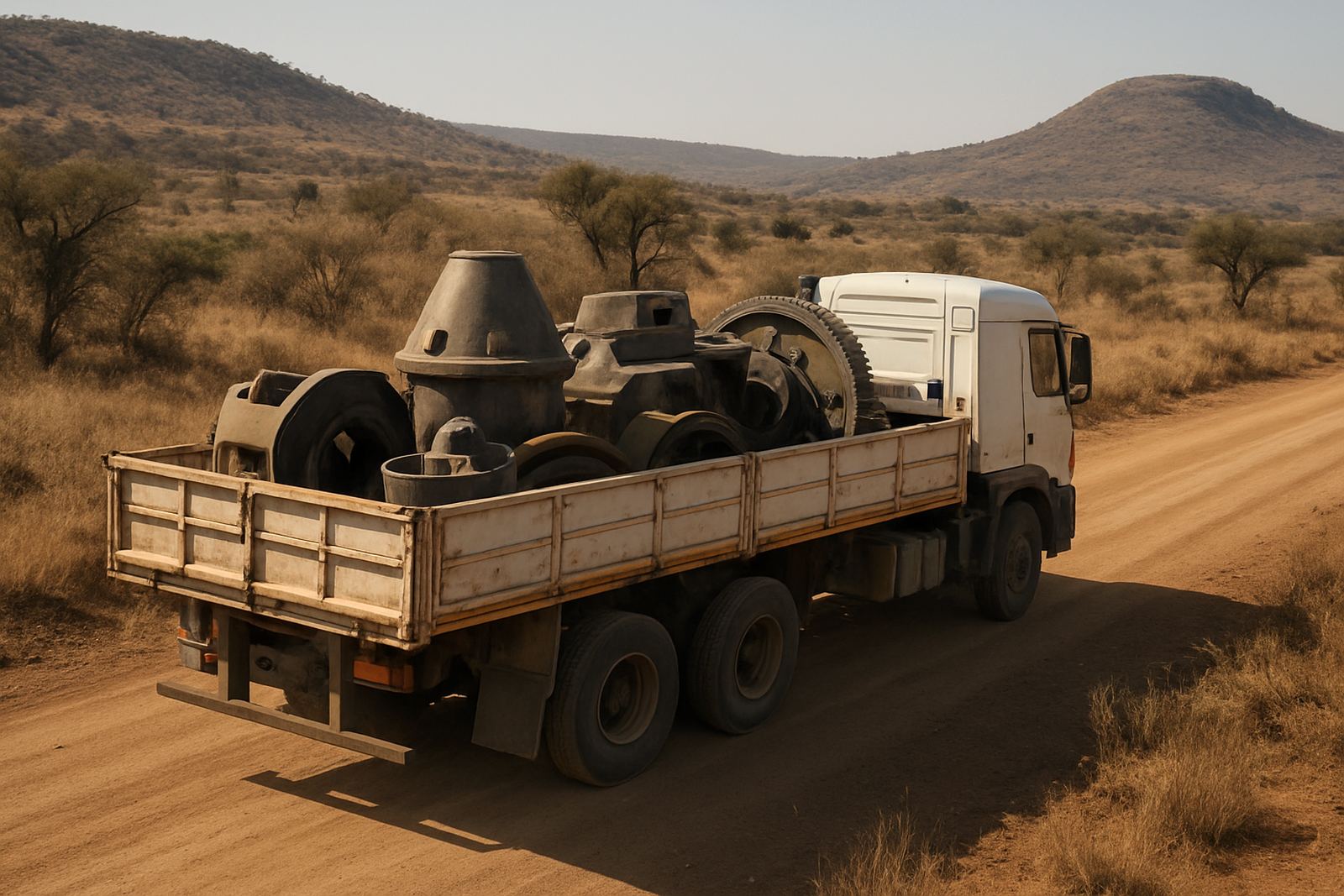
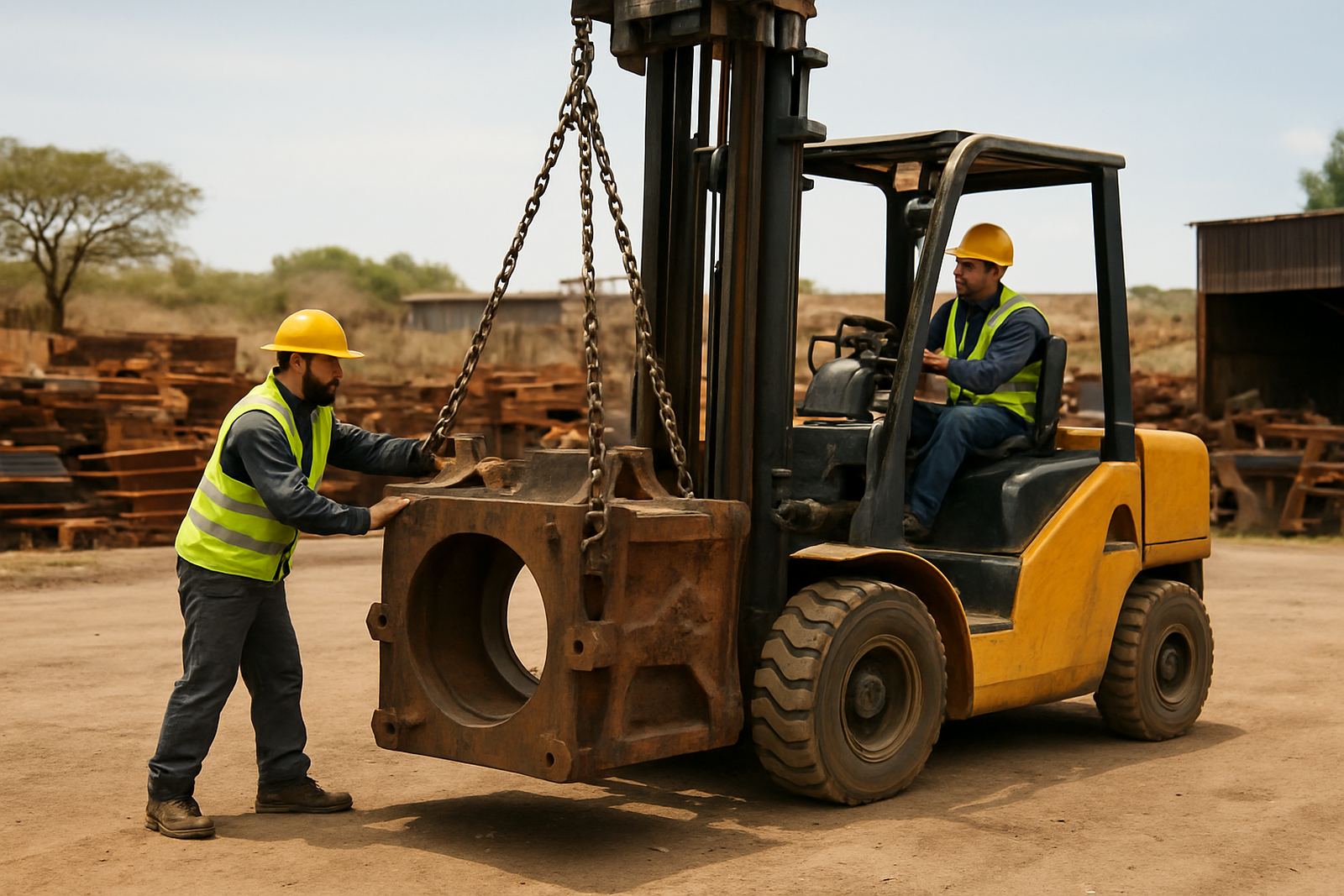
Mpho Rakoma handles logistics supervision, which matters when loads must move between quarries and mines across South Africa. Some routes call for quick local collection, others for planned delivery with better timing around shutdowns and municipal access restrictions. If a site has strict entry rules, crane access limits or after hours receiving windows, it pays to plan before the truck arrives.
- Use palletising when the item needs steady handling and fork access
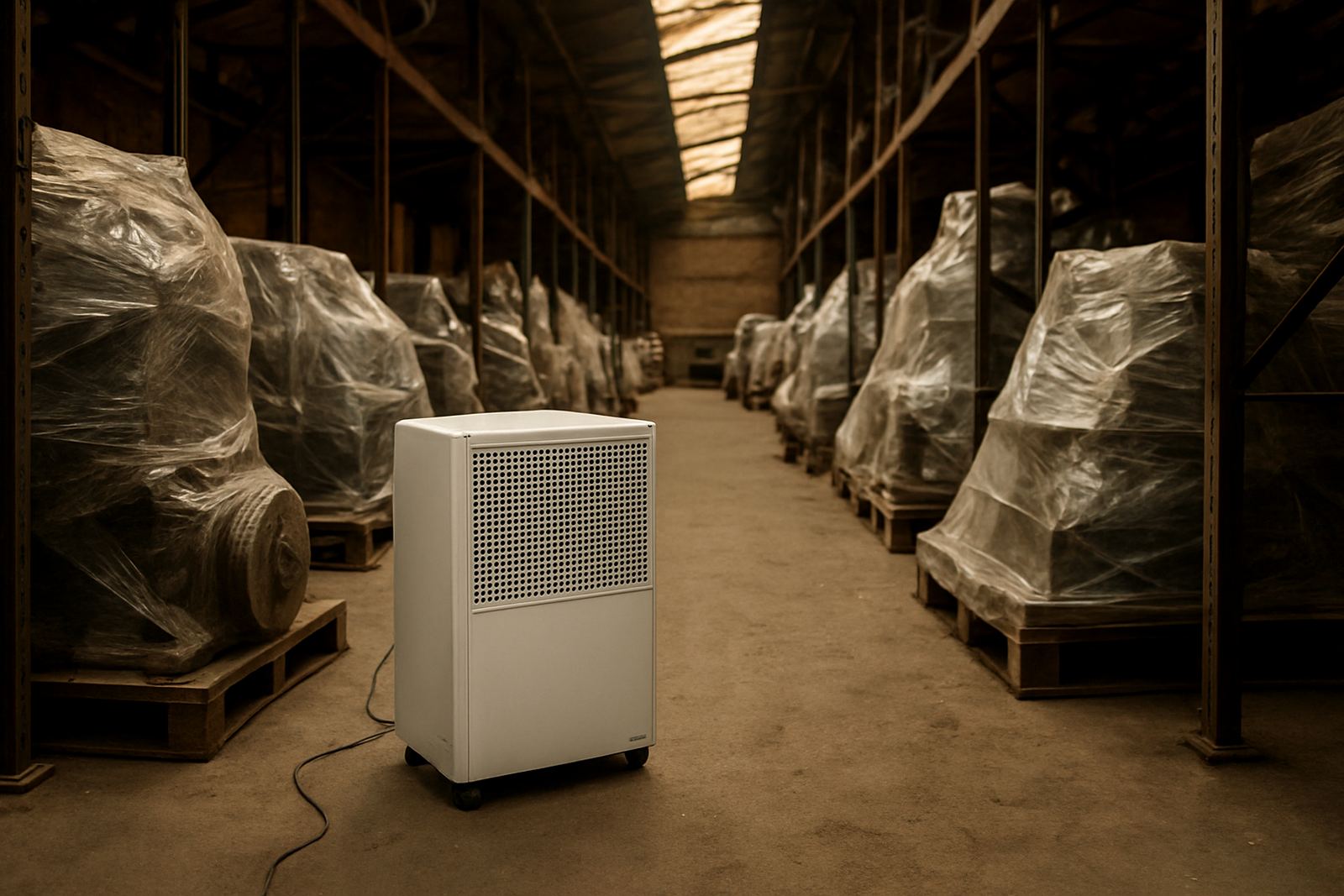
- Use weather protection when the route includes rain, dust or sea air
- Use clear tagging so site teams can confirm the item without delay
- Use controlled storage when the item may sit for weeks before reuse
When exchange beats buying new
Exchange can be the better call when you already have a suitable surplus part, or when another site needs exactly what you have. That is where Anika van Zyl works with sales and exchange, helping match stock with demand across branches and client yards. For many operations, the benefit is not only the lower cash outlay. It is also the faster access to a part that is already in the country and already known to suit the machine family.
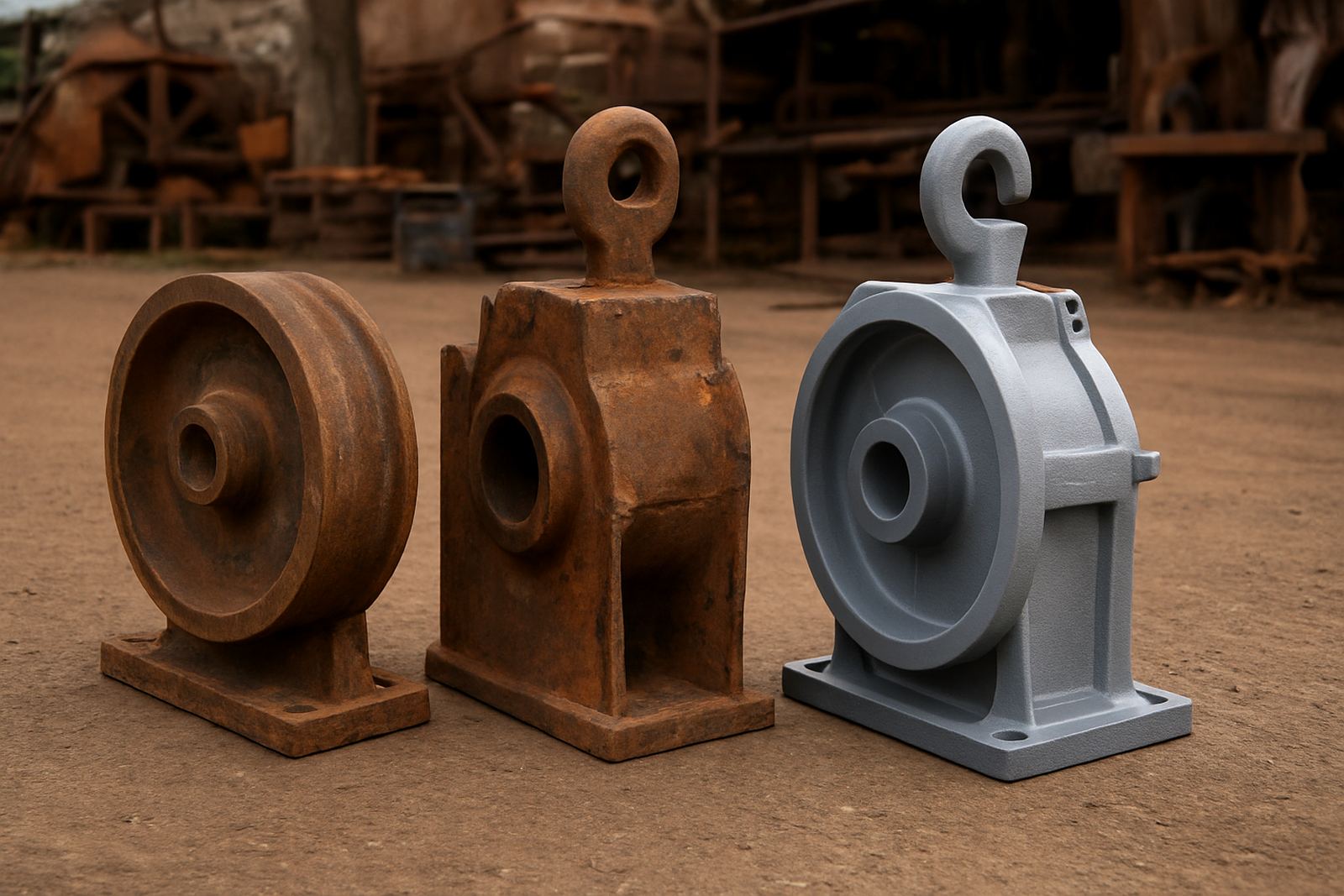
There are times when buying new is still the right answer, especially for critical wear items or where the old part has reached the end of its safe life. But when the part can still serve properly, exchange keeps value in the system. It also helps reduce waste, which matters on sites under pressure to manage storage space and scrap movement carefully.
Who runs the exchange and where we work
Crusher Spare Exchange is led by MD Thabo Johannes Mokoena, with a team that understands quarry maintenance and the practical side of spare movement. Lerato Maseko manages operations, Nokuthula Dlamini handles client support, and the regional work is coordinated through the Middelburg base and area coverage in eMalahleni, Rustenburg, Polokwane, Kathu, Pietermaritzburg, Secunda and Lydenburg.
That local reach matters because spare trading is never just about the part. It is about the timing, the yard, the condition, the route and the receiving site. If you need help with surplus listing, fitment checks, consignment sales or an urgent spares search, the journal is a useful place to start before you send an enquiry through the contact page.
We work with quarries and mines that need steady, plain spoken support. No fuss, just useful information that helps keep equipment moving and stock under control.