Why impact crusher wear changes so much from site to site
An impact crusher working in hard rock at a Middelburg quarry will age differently from one handling softer, wetter material near the coast. The feed itself drives the wear pattern. Abrasive rock eats blow bars and liners. Clay and fines pack into the chamber and force the machine to work harder. Mixed feed with tramp steel can chip, crack or bend key parts in one shift.
The main point is simple: part life is not only about hours run. It is about what is going through the machine, how consistent the feed is and whether the operator keeps the crusher within its working range. When that balance slips, wear rates rise fast and the end result is often a lower product spec, more recirculation and more unplanned stoppages.
At Crusher Spare Exchange we see this across surplus spares moving between quarries and mines in eMalahleni, Rustenburg, Polokwane, Kathu and Pietermaritzburg. The same part can come off one plant looking ready for another life, while a similar part from another site is scrap after a short run.
Hard rock, soft feed and dirty material all punish parts differently
Impact crusher parts fail in patterns. Understanding those patterns helps with shutdown sourcing and stock planning. A quarry crushing hard, angular stone will usually see heavy wear on the impact faces and edges. Softer material may not seem as aggressive, but it can still cause high tonnage, dust build-up and uneven impact loading if the feed is not graded properly.
Moist feed and sticky fines are a different problem. They do not always wear parts in a dramatic way, but they can cause build-up that changes the crushing chamber shape. That leads to uneven contact, more vibration and extra stress on bearings and mounting points. In coal or mixed mineral applications, the risk of contamination also increases, which makes inspection even more important.
- Hard rock: faster face wear, rounded profiles, more frequent change-outs.
- Wet or sticky feed: build-up, poor throughput and uneven wear across the chamber.
- Fines heavy feed: more dust, heat and repeat loading on the same contact points.
- Tramp material: sudden damage to blow bars, liners and fasteners.
One small issue can cascade through the whole plant. If the feed changes but the setting does not, the part life shortens and the output quality drops at the same time.
The parts that tell the story first
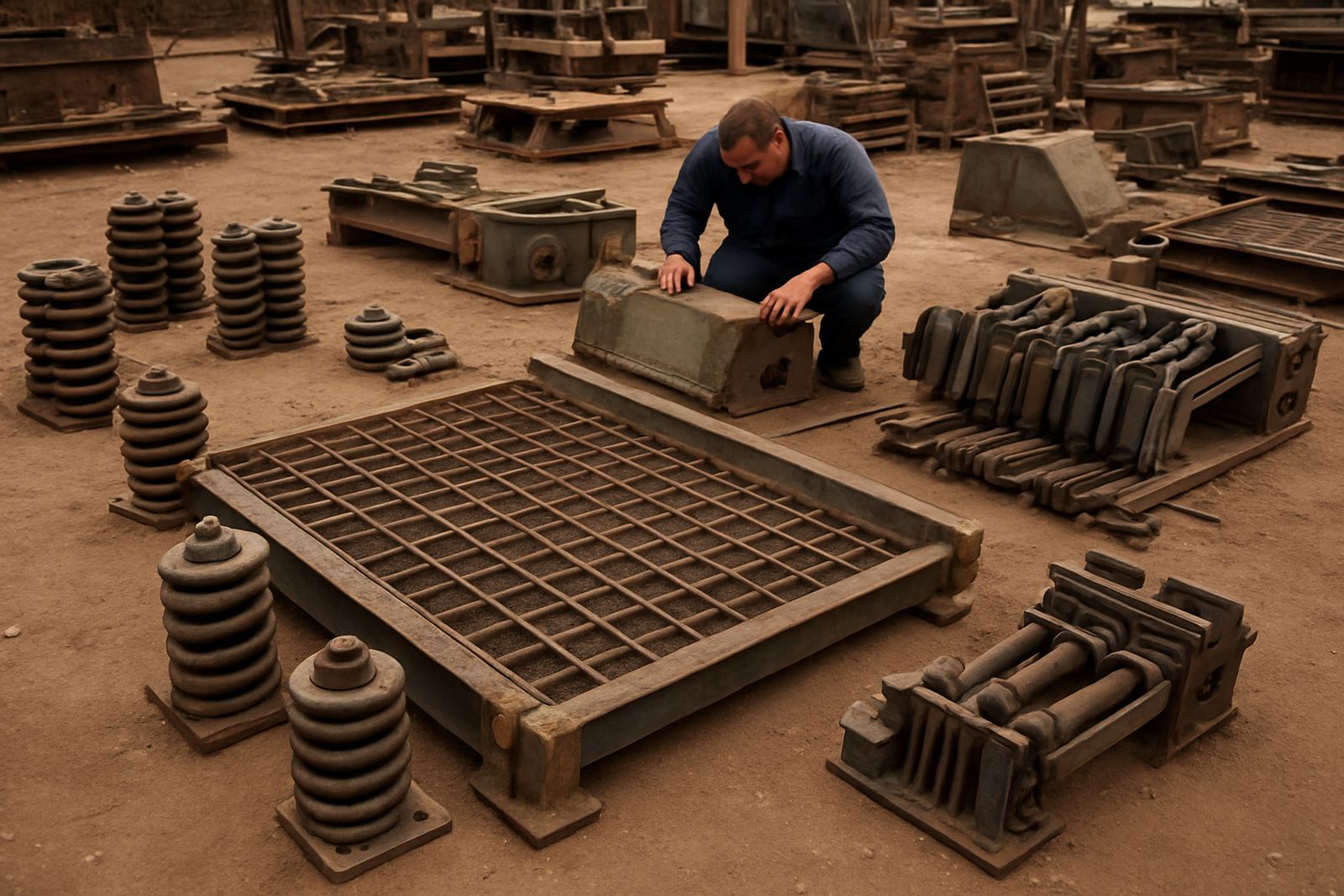
When a site asks for an urgent spares search, the first items to inspect are usually the blow bars, impact plates, side liners and fasteners. These parts show the most direct evidence of what the crusher has been doing. A clean, even wear face usually means the machine has been running in a controlled way. A part worn on one side only often points to poor feed distribution, chamber overloading or a misaligned setting.
Other items also matter. Bearings can reveal heat and contamination issues. Shafts and housings can show signs of stress from repeated shock loading. Screens, hoppers and transfer points may look separate from the crusher but they influence part life just as much by sending the wrong material into the chamber.
Our inspection and condition reporting work is built around these clues. Lerato Maseko in operations and Sibusiso Ndlovu on inspection coordination focus on the evidence on the metal, not just the part number. That is what helps buyers decide whether a spare should be fitted, held as backup or exchanged for another unit better suited to the next job.
What a good wear pattern looks like
A practical maintenance team does not wait for a part to fail completely. It checks for wear trends. On a well-run plant, the wear line should be predictable and measurable. If one side of a blow bar is losing material twice as fast as the other, something upstream needs attention. If a liner shows cracking before expected wear depth, the feed may be too coarse or too uneven.
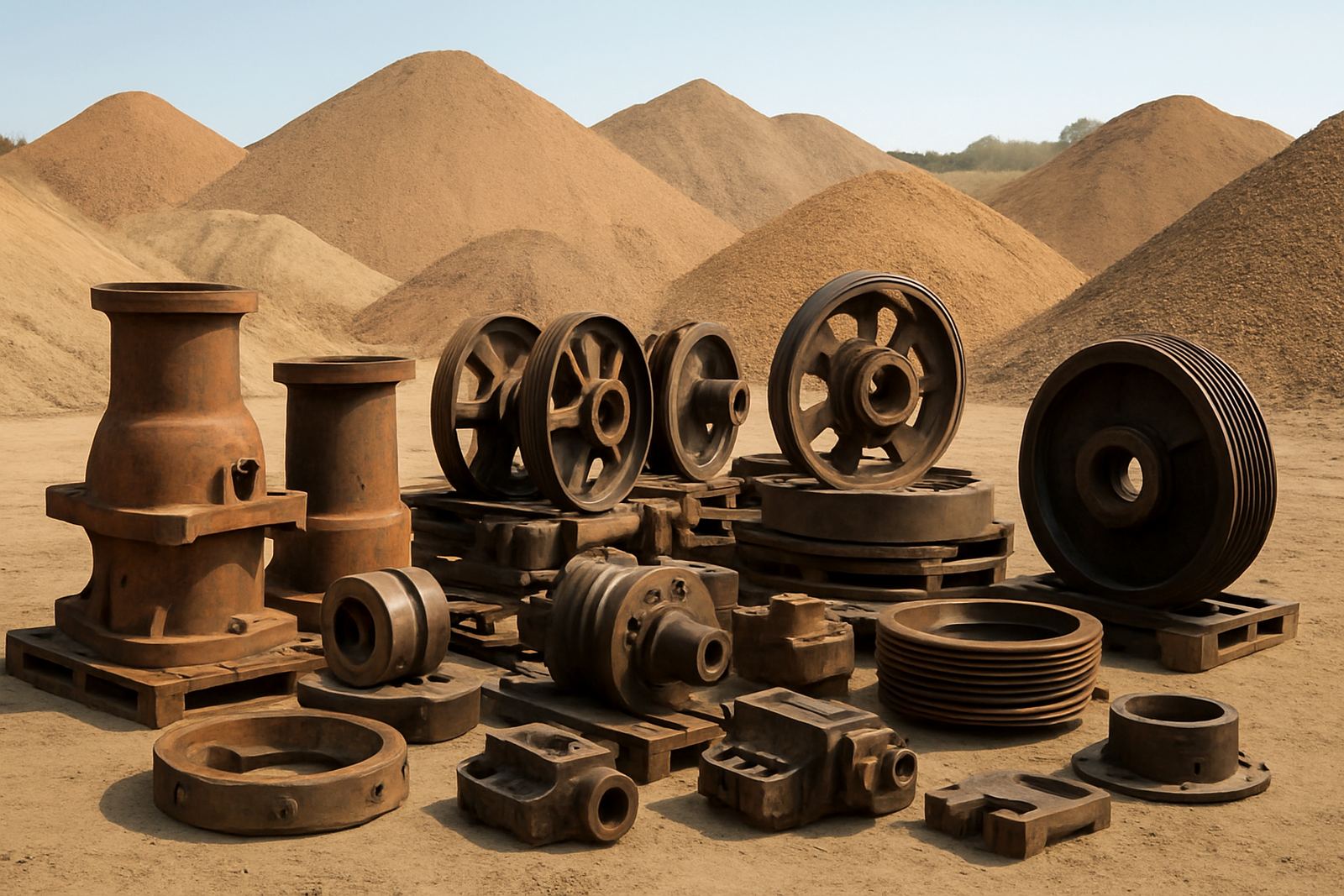
Condition reporting should include real measurements, not just a quick visual note. Measure thickness, look for heat discolouration, check for cracking around bolt holes and inspect all mating faces. In coastal humidity, stored spares also need protection from corrosion, especially if they are being kept in the yard before collection. A dry, palletised and wrapped part lasts longer in storage and is easier to move when a shutdown comes up.
- Check wear against the manufacturer profile or current operating profile.
- Record cracks, chips, bend marks and heat spotting.
- Compare both sides of the chamber for uneven loading.
- Keep parts off bare ground during storage to avoid moisture damage.
That routine gives you a clearer picture of remaining life and it helps avoid false confidence when a part still looks usable from a distance.
How South African quarry conditions change exchange value
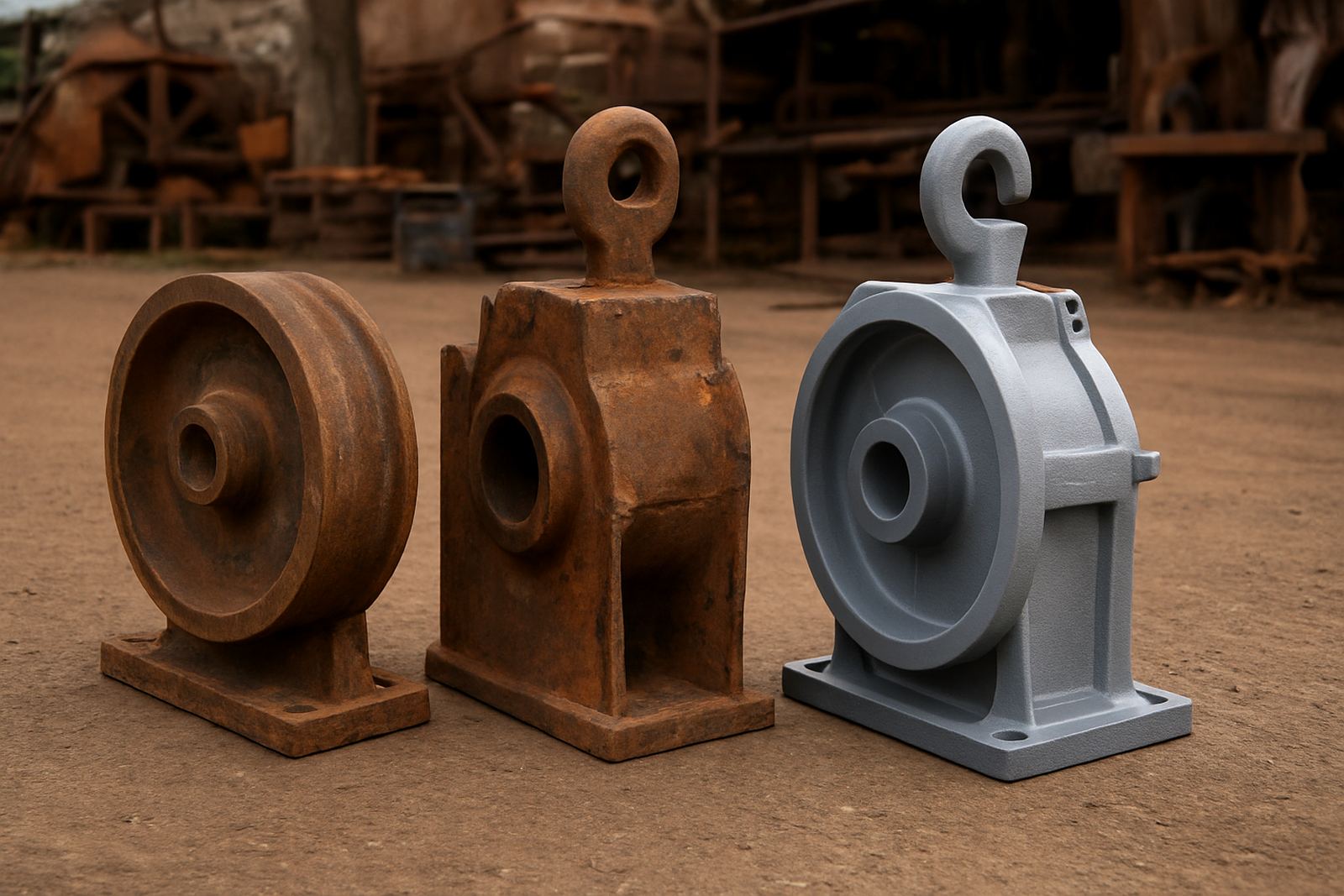
In South Africa, the same spare can have very different value depending on where it was used. A part from a dry inland quarry near Middelburg may have less corrosion than a part stored near the coast. A unit used in a high-tonnage shutdown at Rustenburg may still be serviceable but closer to its wear limit. A part removed from a lower-output site in Lydenburg may offer better remaining life, even if it looks older.
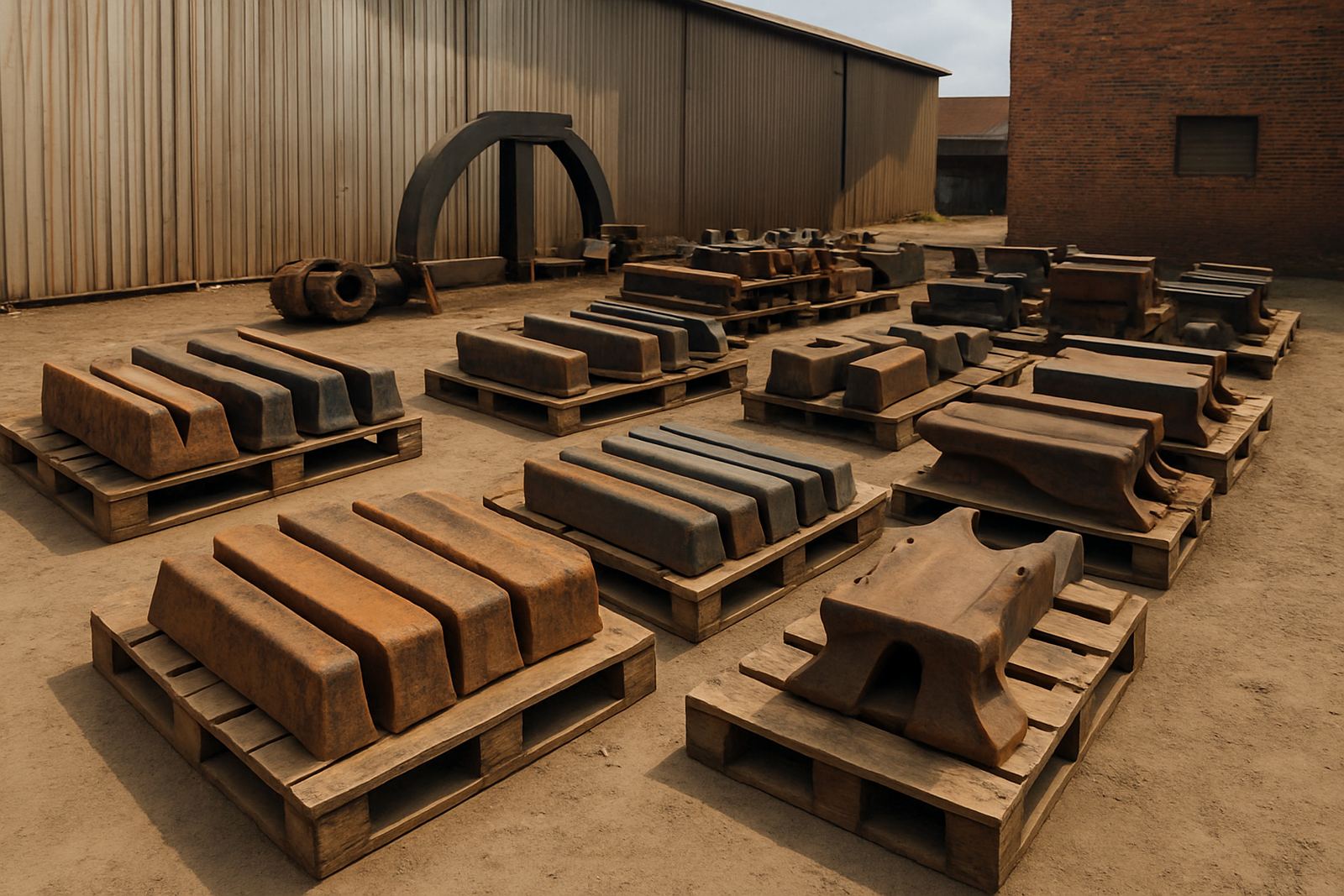
That is why exchange decisions should be based on serviceability and measurable condition, not age alone. Our Middelburg base supports sorting, storing, palletising and delivering surplus crusher spares between sites so that usable parts stay in circulation. Mpho Rakoma manages logistics while Johan Steenkamp oversees yard and storage control, which matters when parts have to be loaded, protected and sent out quickly for a planned shutdown.
For mines and quarries working under municipal dust and storage rules, a tidy yard is not only about appearance. It helps with access, safety and traceability. It also makes it easier to separate items suitable for exchange from those better treated as scrap.
A local example from Middelburg to eMalahleni
A quarry near Middelburg had a recurring issue with short blow bar life. The machine was sound, but the feed varied between hard rock and fines-heavy oversize from the stockpile. The site kept losing usable hours because the bars were being changed too early or too late. After inspection, the team adjusted the feed sequence and started listing surplus parts from another nearby plant that had better matching profiles.
By moving the right spares through consignment and exchange, the quarry reduced waste and cut the pressure on emergency buying. One set of parts was still good enough for a lower duty cycle and a second set went into storage as backup for the next shutdown. That is the practical value of a local exchange system. It keeps money in the plant and reduces the pile of unusable metal in the yard.
Thabo Johannes Mokoena and the team support this kind of matching every week, from eMalahleni Region through to Secunda and beyond. The difference is not just price. It is choosing a part that has enough life left for the next job without risking another breakdown.
Planning part lifecycles before the next shutdown
If you want longer part life, start before the crusher starts. Match the feed, keep records and inspect parts at regular intervals. Use fitment checks after major work, not only after a failure. Plan urgent spares search requests early if a component is moving toward end of life. And separate scrap from exchange stock as soon as the inspection is done so the yard stays clean and the usable items do not get mixed in with damaged metal.
For quarries and mines across South Africa, the best savings often come from small discipline: correct storage, proper packing, honest condition reporting and fast local collections when a spare is ready to move. That is how impact crusher parts last longer in service and how surplus parts keep earning value instead of lying in a heap.
When the wear story is clear, the decision is easier. Keep the good parts moving, replace only what is needed and plan the next shutdown with fewer surprises.