


How to use these spares trading guides
This hub brings together practical notes for quarry managers, maintenance teams and buyers who deal with surplus crusher spares. Start with the guide that matches your next job, whether you are listing parts from a shutdown, checking a used item for reuse, or planning a move between Middelburg, eMalahleni, Rustenburg, Polokwane, Kathu or Pietermaritzburg.
The listing cards on this page are added separately, so use this hub as the starting point. It helps you compare the right process, save time on back and forth questions, and avoid paying for the wrong part to be hauled across the country.
Before you list a spare, confirm the basics
A clean listing starts with the right details. The more complete the information, the easier it is for another quarry or mine to decide quickly if the part fits their plant and whether it is worth collecting.
- Part name, crusher type and any known model reference
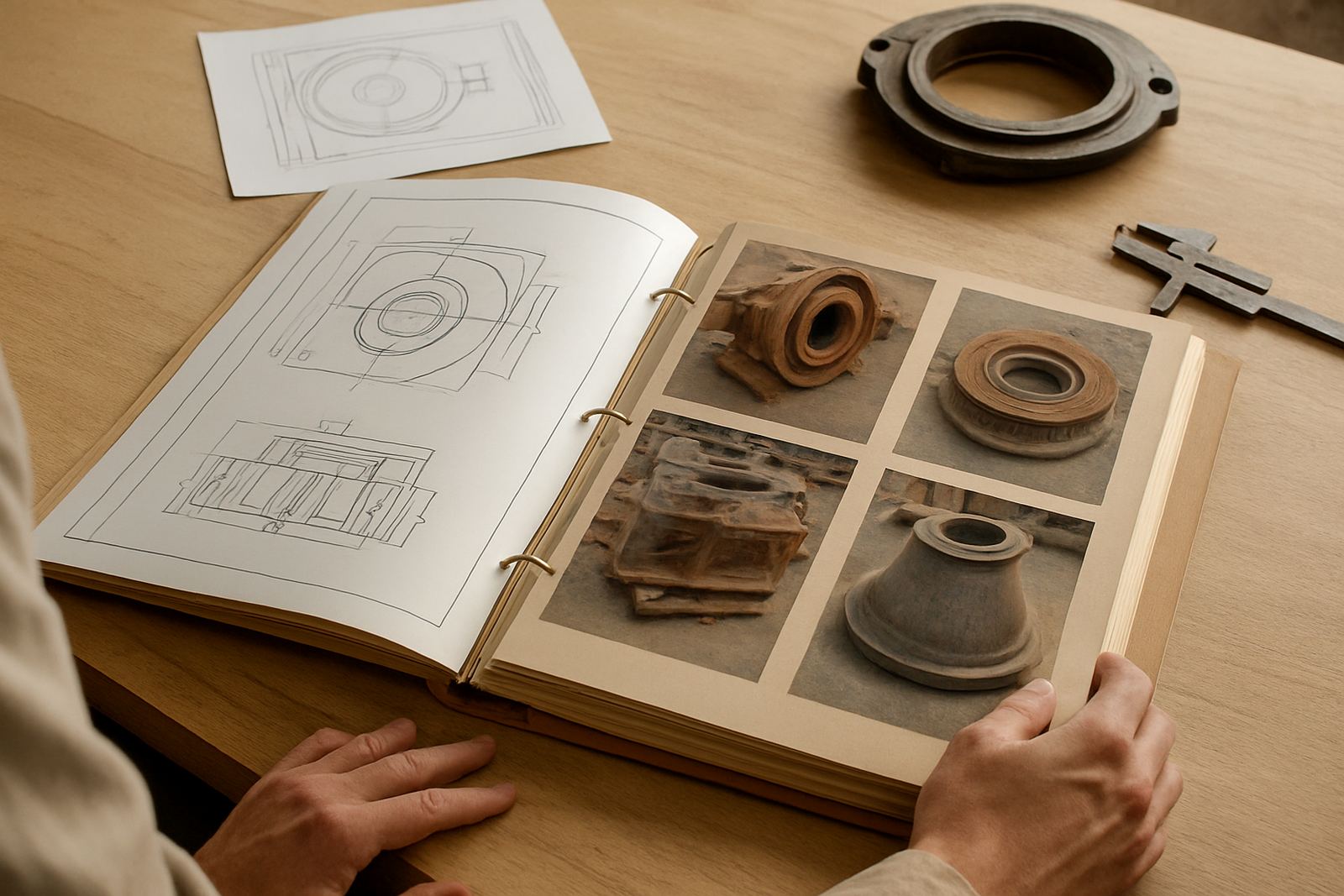
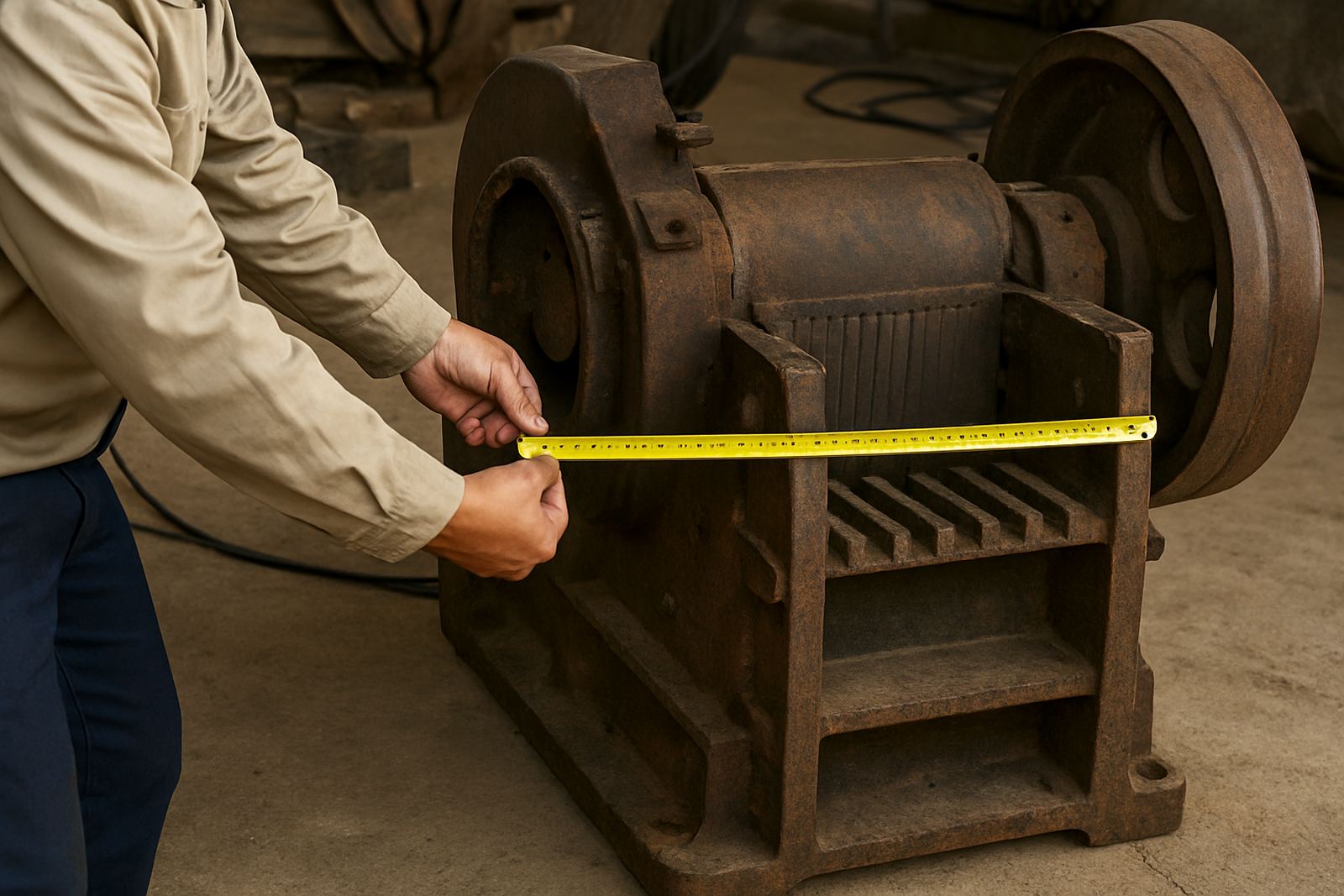
- Measurements, mounting points and wear surfaces
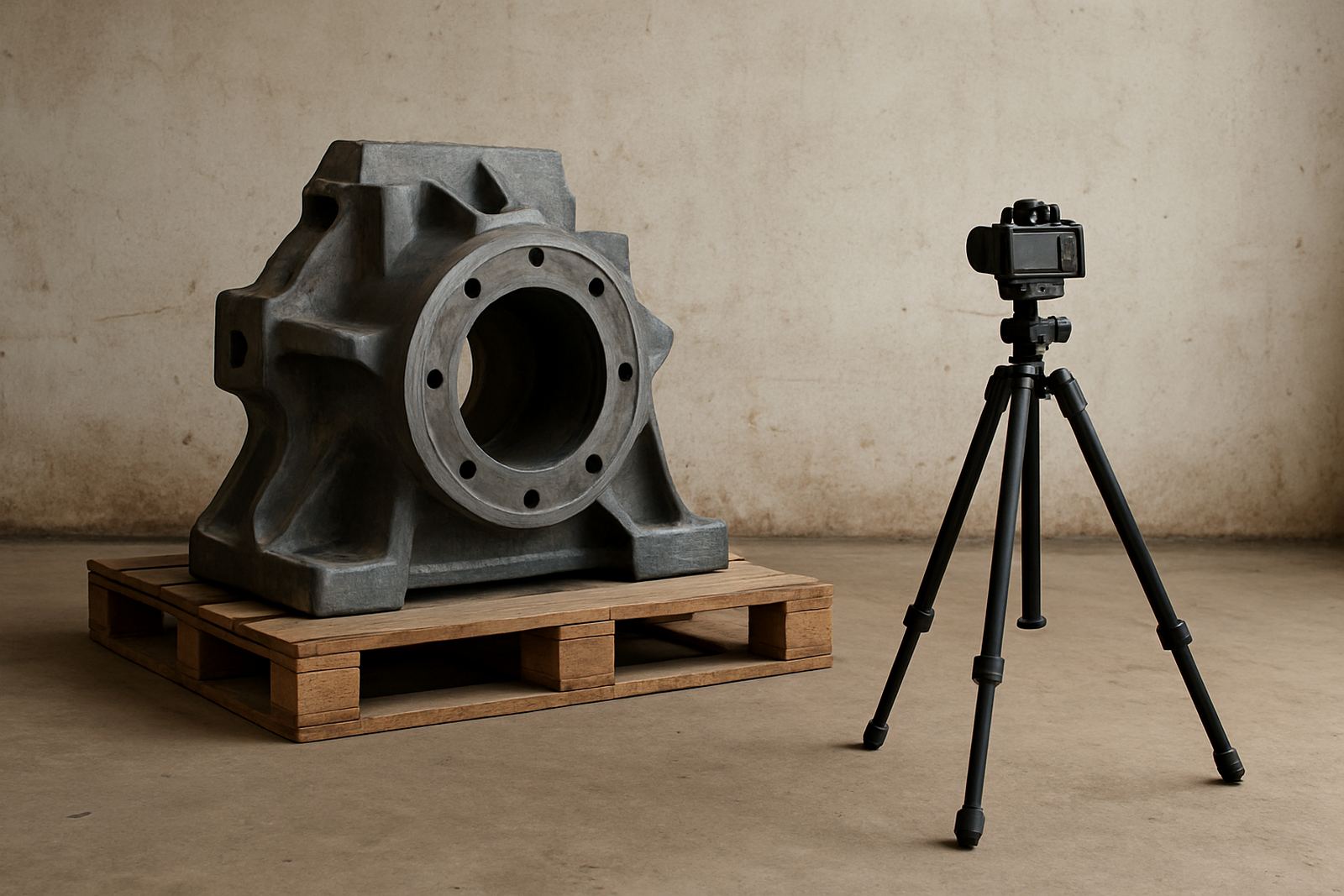
- Photos of the full item and the critical contact areas
- Condition notes, including repairs, cracks, bush wear or missing fasteners
- Whether the item is in the yard, still on site, or packed for transport
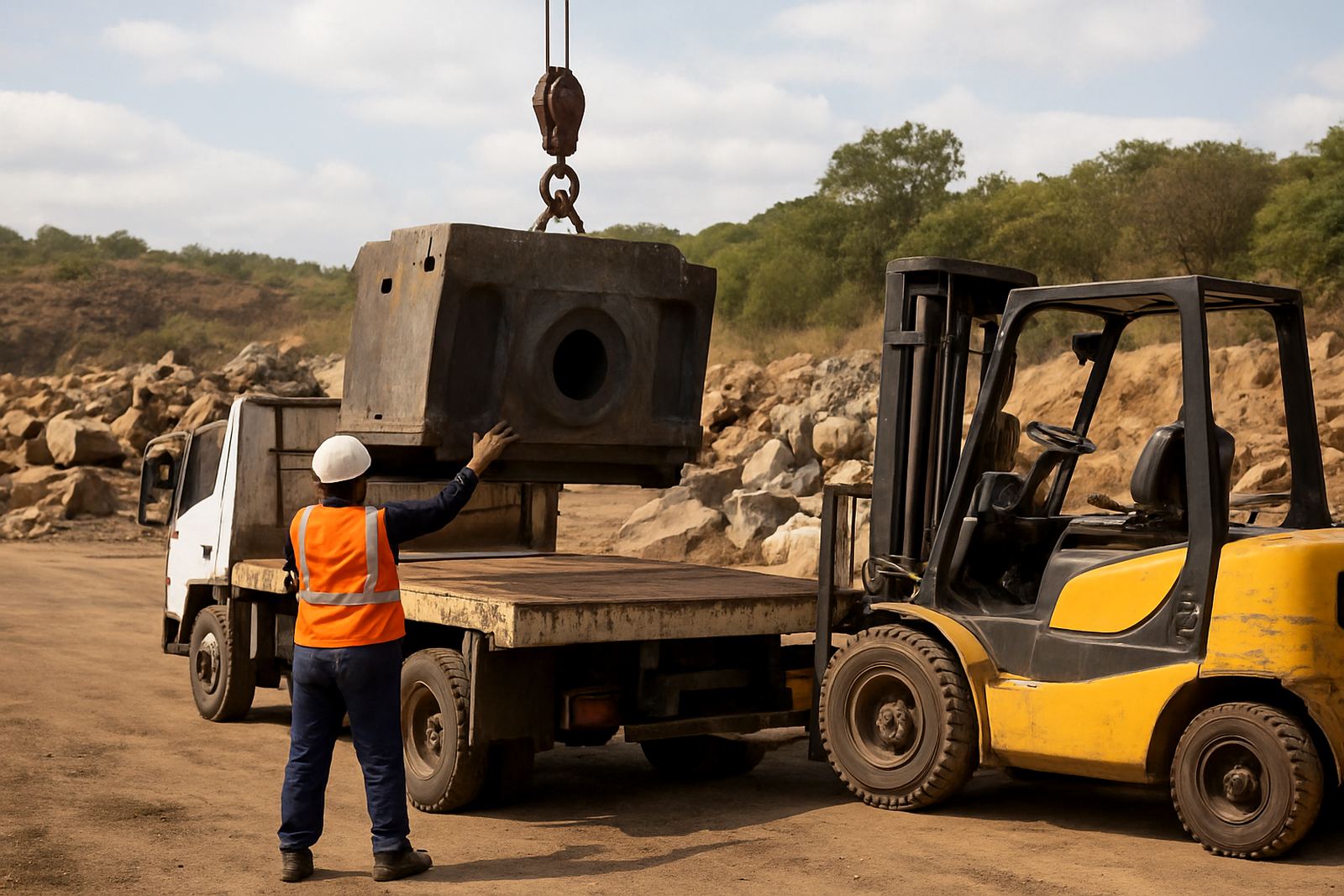
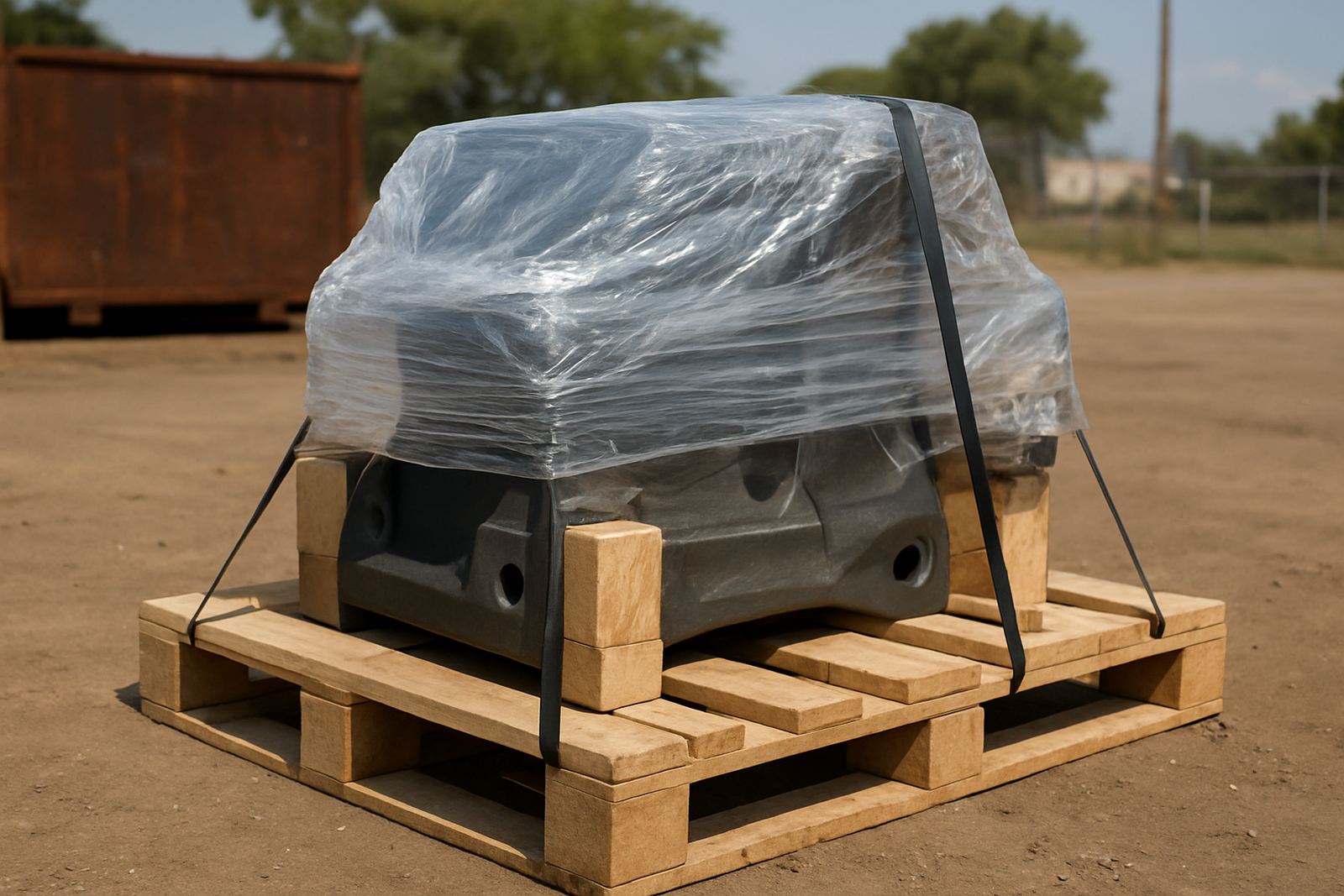
- Any lifting needs, palletising notes or weather protection required
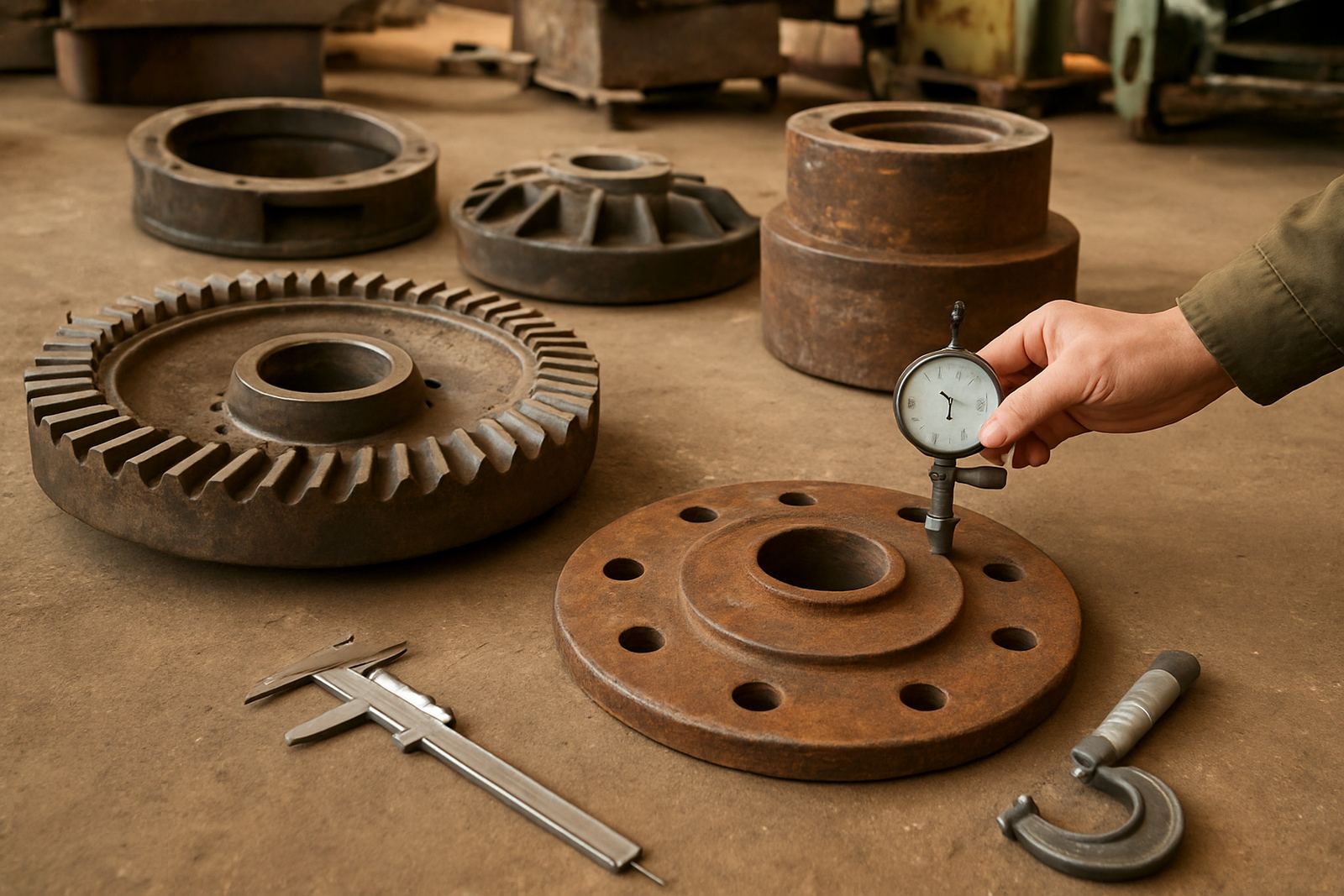
For used spares, small details matter. A pulley, liner, toggle, bearing housing or shaft can look fine from a distance but still fail a fitment check if one dimension is off. That is why our team records the visible condition before a sale is agreed.
Fitment checks that save time on site
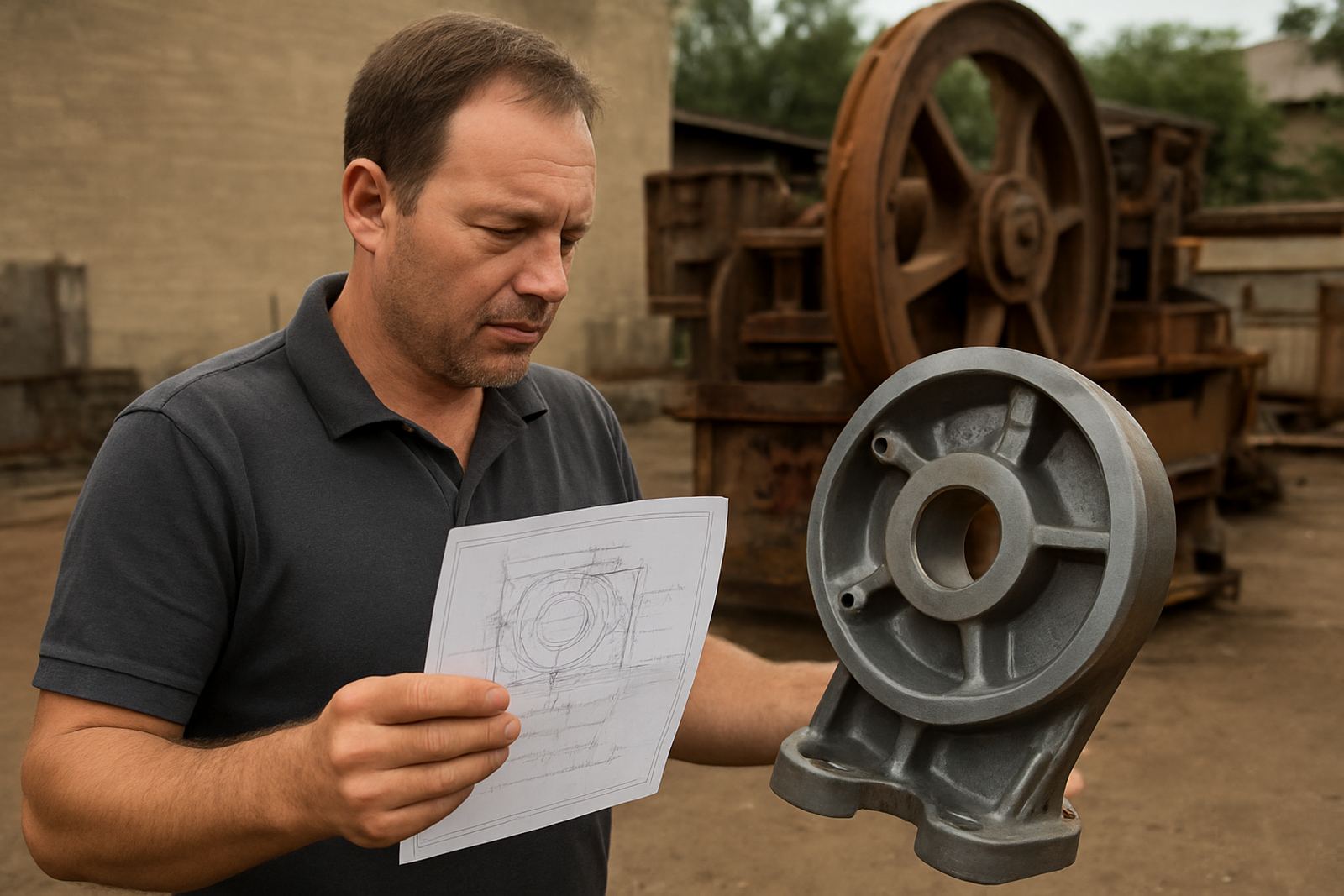
Fitment checks reduce the chance of a truck arriving with a part that cannot be used. They also help during shutdown work, when crews do not have time to wait for a replacement or rework. If the item is going to a mine near Secunda or a quarry in Lydenburg, the check should happen before transport not after.
Use these checks before release:
- Match the exact wear part or assembly to the machine in service
- Confirm key dimensions against the machine drawing or a verified sample
- Check for thread damage, bent flanges or worn seating faces
- Confirm whether any ancillary items are needed for installation
- Agree on what counts as acceptable wear for reuse or exchange
When a part is only suitable for scrap versus exchange, it is better to decide early. That avoids wasted collection costs and helps the yard keep movement moving in a practical way.
Choosing storage for surplus crusher spares
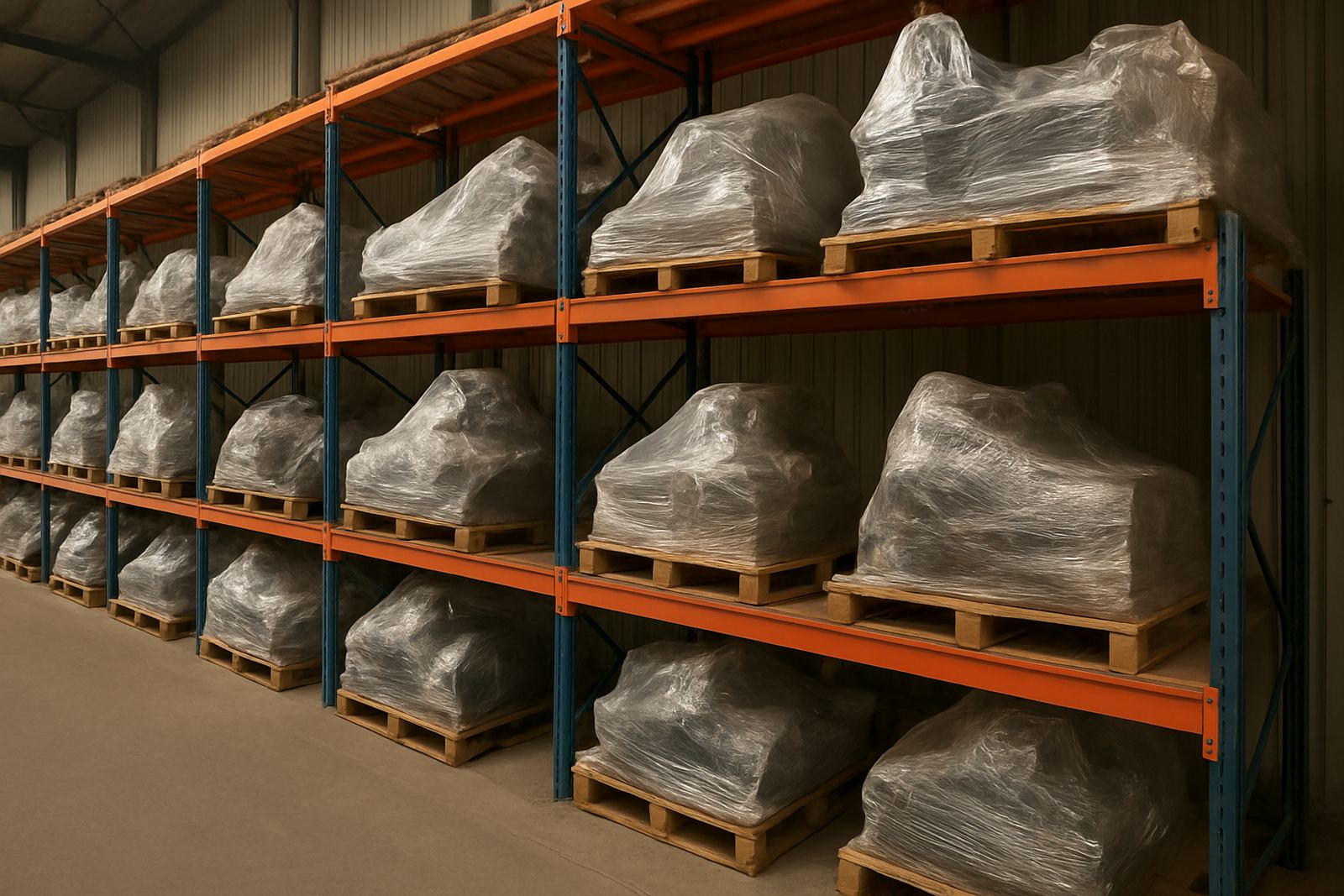
Storage decisions affect value. A clean, dry yard bay in Middelburg is very different from open storage in a coastal area with humidity or dust drifting across a site fence. The wrong storage choice can lead to seized fasteners, surface rust or damaged edges that reduce resale value.
When deciding where a part should sit, consider:
- Size and weight of the item
- Whether the item needs palletising, dunnage or wrap
- Exposure to rain, dust and sun
- How often the part will be moved for inspections or viewings
- Whether the item should stay on consignment or be released for scrap
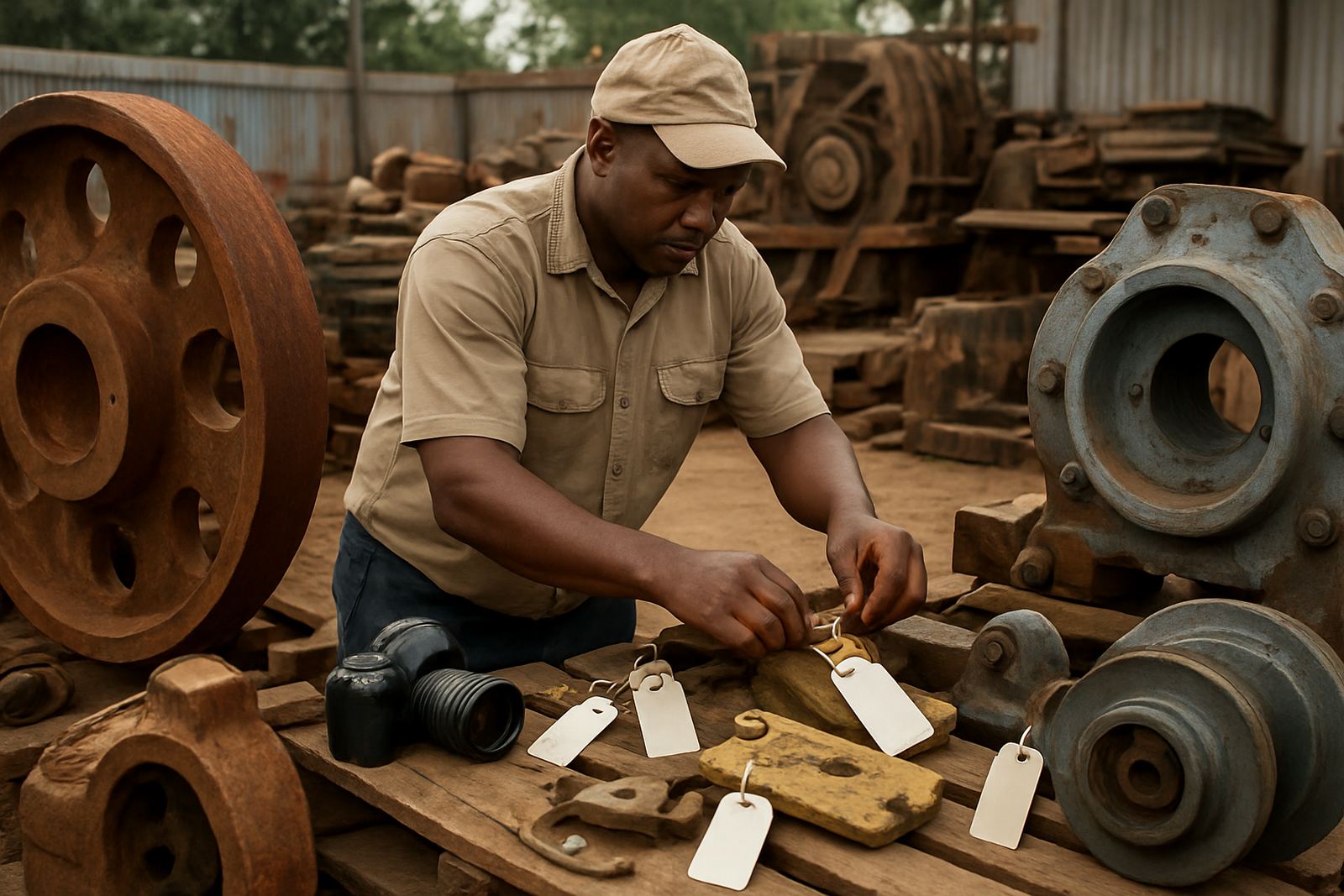
Good yard control matters during load shedding too, because handling schedules can shift. Clear labels, stacking plans and access routes help keep collections orderly when power cuts interrupt normal routines.
Packing and moving parts without damage
Packing is not just about keeping a part together. It is about making sure the item arrives ready for inspection, fitment or resale. A heavy component that shifts on the load can nick machined surfaces, bend brackets or damage nearby stock.
Our logistics team handles local collections and nationwide delivery from the Middelburg base, with route planning for quarries and mines across South Africa. For urgent spares search work, fast packing and clear release notes can make the difference between a useful exchange and a missed shutdown window.
- Use pallets, skids or crates where the item needs support
- Separate sharp edges and loose fittings before loading
- Mark fragile or machined faces clearly
- Record the condition at handover so both sides know what left the yard
- Plan for road conditions, site access and offloading equipment at the destination
When to exchange, sell or scrap
Not every surplus crusher spare should be handled the same way. Some parts still have useful life and are better traded through consignment sales or a direct exchange. Others are too worn and should move out as scrap so the yard does not keep dead stock for months.
Use the simplest path that protects value. If a part can still support another operation, list it. If it needs inspection but may still be usable, record the condition and wait for a buyer. If the repair cost is higher than the benefit, treat it as scrap and clear the space. That kind of decision keeps stock honest and stops money sitting in the wrong pile.
Who these guides are for and how we support you
These guides are written for quarry teams, plant supervisors, buyers and stores staff who need practical answers fast. They are also useful for shutdown planners who must move parts between branches and regions without confusion.
Crusher Spare Exchange is based in Middelburg, Mpumalanga and supports clients through the enquiry form on our contact page. Under the leadership of Thabo Johannes Mokoena, our team includes Lerato Maseko, Sibusiso Ndlovu, Anika van Zyl, Mpho Rakoma, Nokuthula Dlamini and Johan Steenkamp, with support across the Middelburg Yard, eMalahleni Region, Rustenburg Region, Polokwane Region, Kathu Region, Pietermaritzburg Region, Secunda Region and Lydenburg Region.