
Check the part before it leaves the yard
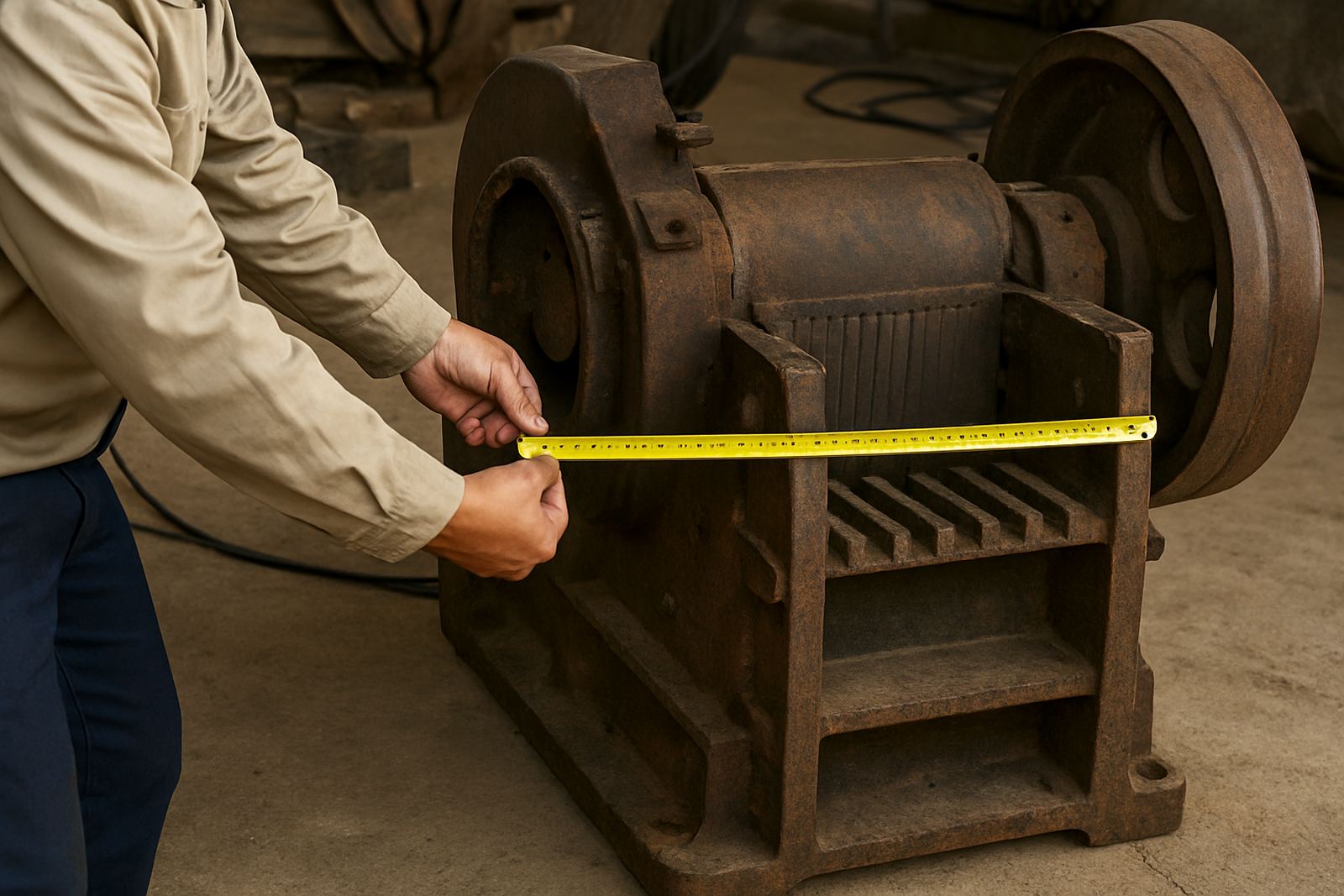
Start with a clean inspection before any part is moved. Look for cracks, worn mounting faces, loose inserts, missing bolts, damaged threads and signs of old oil or grease that can spread during transport. If the part is going to a site in eMalahleni, Rustenburg or Kathu, it must be ready for long road distances, vibration and dusty loading conditions.
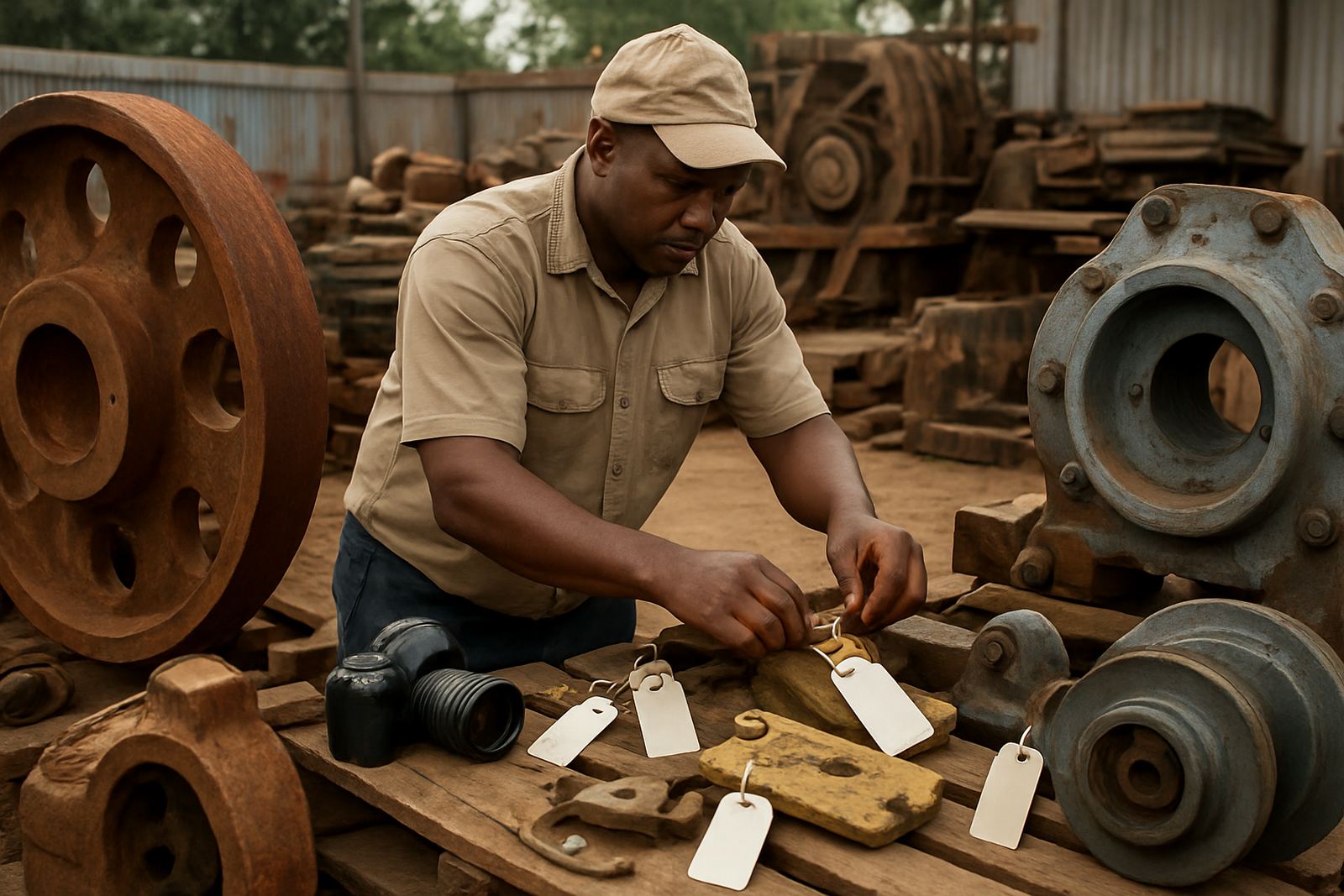
Record the condition on the transport note and keep the part tag visible until final handover. If there are marks, rust patches or previous repairs, note them clearly so the receiving team knows exactly what is being delivered. That simple step saves time at offload and avoids arguments at the gate.
- Check for sharp edges that can cut wrap or straps
- Remove loose fittings, split pins and small items into marked bags
- Drain oil, water or residue where required
- Confirm the part dimensions and mass before loading
Brace heavy items so they do not shift in transit
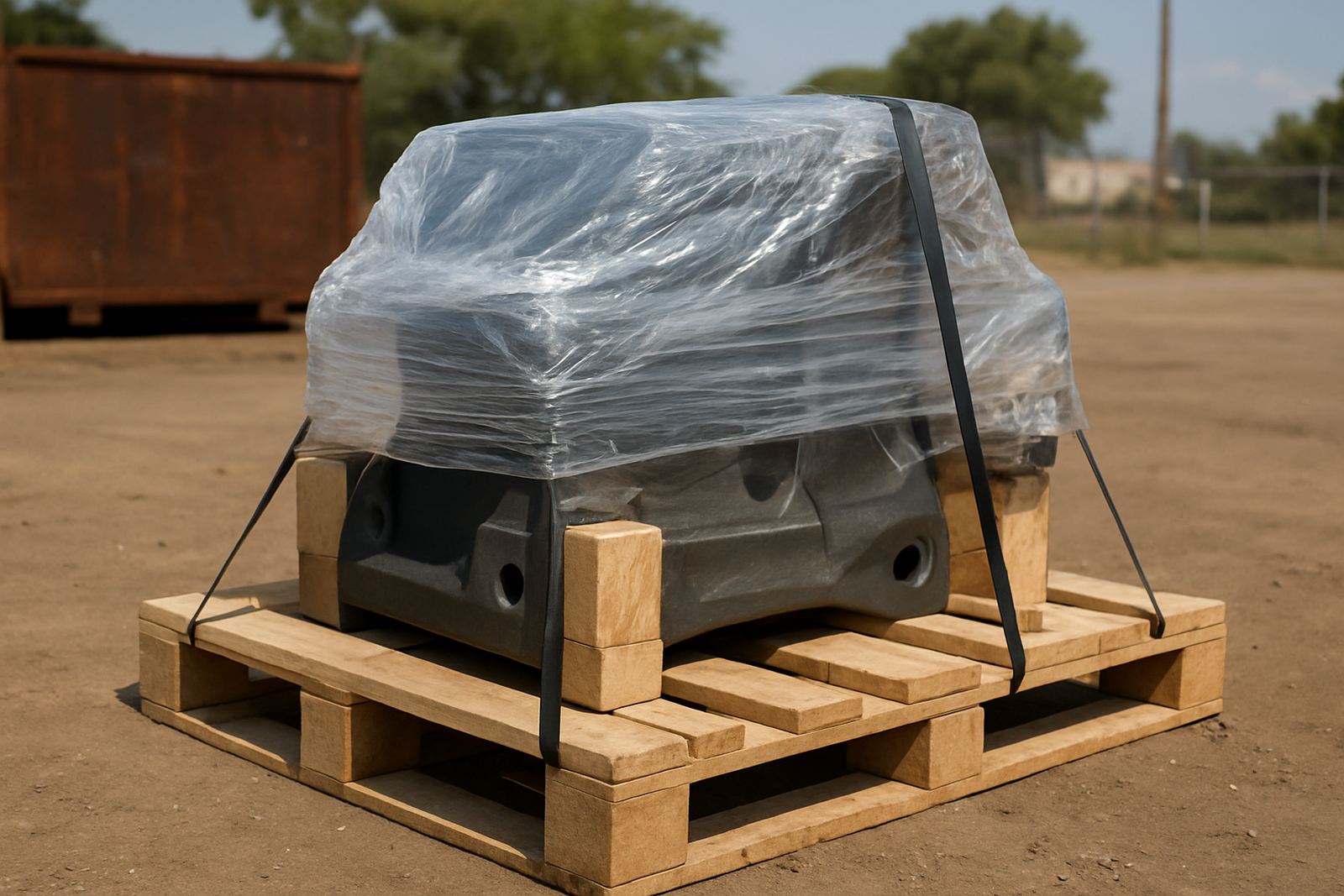
Crusher spares are often awkward in shape, with uneven weight points and faces that can chip if they knock against each other. Use timber blocks, dunnage, steel cradles or pallet frames to keep the item stable. The aim is to stop movement in every direction, not only side to side. For long hauls to Polokwane or Pietermaritzburg, a part that can move even 20 mm inside the load can suffer damage by the time it arrives.
Place the heaviest section low and central on the pallet or trailer bed. If a component has a hollow section or a curved base, fill the void with shaped support so the load sits flat. Never rely on stretch wrap alone for weight bearing support. It can hold the outer layer in place but it will not stop a heavy part from rolling or shifting.
- Use hardwood blocks for irregular bases
- Pack voids so the part cannot rock
- Keep centre of gravity low
- Separate multiple parts with timber or cardboard sheets
Wrap against dust, moisture and road grime
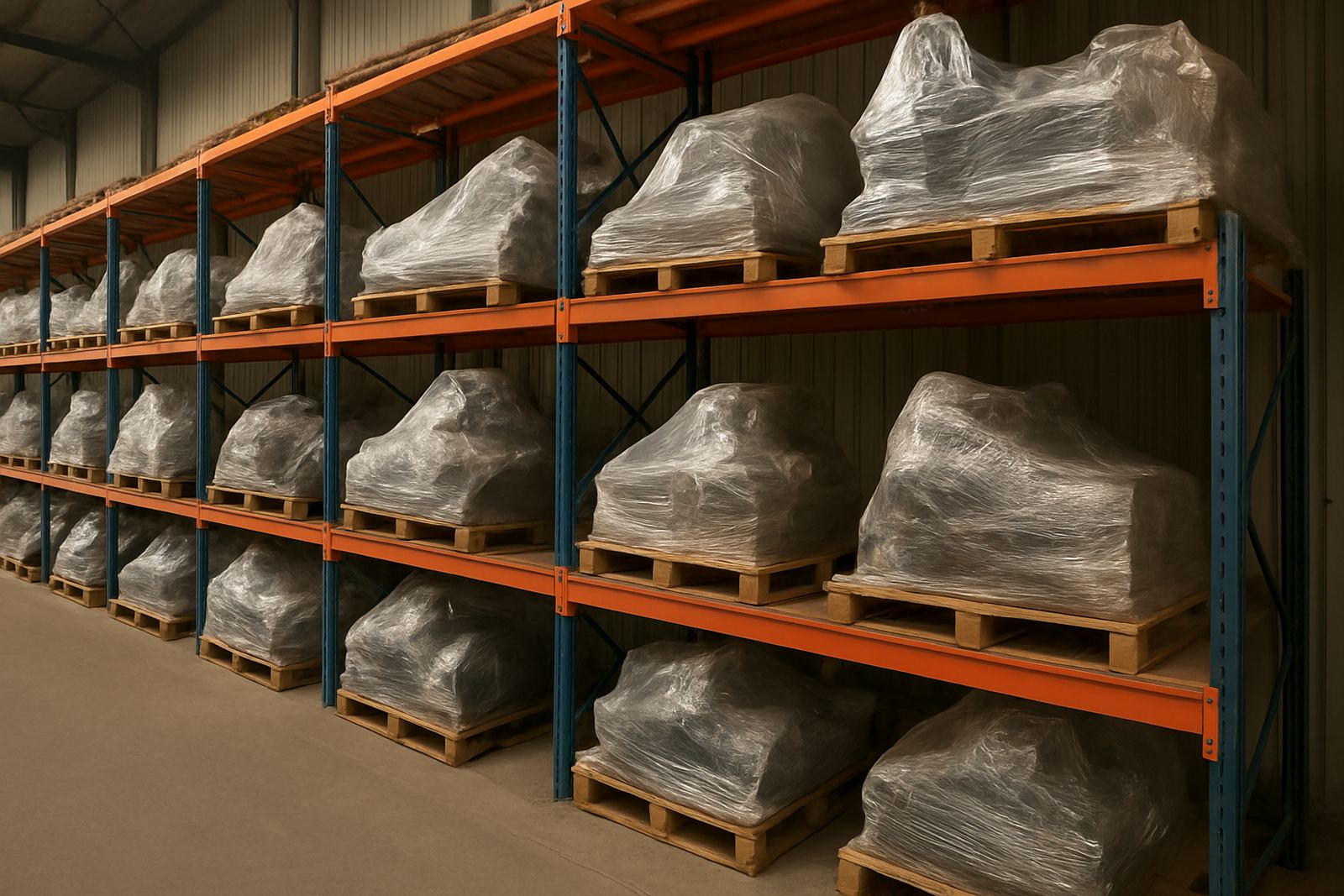
Wrap protects the part from dust, rain splash and salt air on routes heading to coastal or humid areas. Use plastic sheeting or heavy wrap to cover clean machined surfaces, bearings and open ports. In coastal conditions, especially where delays happen at loading or offloading, a small amount of moisture can start surface rust before the truck even leaves the yard.
Seal the wrap neatly, but leave enough access for inspection marks and lifting points. If the part has polished faces or precision surfaces, add foam, corrugated board or soft cloth before the outer wrap goes on. For greasy items, use absorbent material first so the outer cover does not slip. Keep labels outside the wrap and easy to read.
- Cover machined faces and exposed threads
- Use absorbent material under oily sections
- Keep lifting points clear for safe handling
- Label each package with site name and part description
Strap and band the load for road conditions
Road transport across South Africa means vibration, braking, corners and uneven surfaces, so the load must be secured properly. Use rated straps or bands, and place edge protectors where webbing could cut into the part or into packaging. Check that the load is snug before departure, then check it again after the first stop. A strap that felt tight in the yard can loosen once the truck settles on the road.
Do not over tighten straps around brittle castings or machined edges. Use spreader boards or soft padding where pressure points could crack the item. If the load includes several small spares, band them together in marked bundles so nothing falls through gaps or shifts under braking. The driver should also know where the fragile points are before leaving Middelburg.
- Use rated tie-down gear only
- Add edge protection to sharp corners
- Recheck tension after the first 50 to 100 km
- Keep small parts boxed or bagged together
Prepare documents and labels before collection
Transport prep is not only about the physical load. The paperwork must match what is on the truck. Each item should have a clear description, reference number, condition note and destination site. This is especially useful for shutdown work and urgent spares searches, where several similar parts may be moving between quarries in the same week.
Use a simple handover pack with the transport note, inspection record and any collection instructions from the receiving site. If the load needs access control, offloading times or a specific delivery gate, write it down. That avoids delays when the truck arrives at a mine gate near Secunda, Lydenburg or Rustenburg and the security team asks for details.
- Match the label to the packing list
- Include site contact and delivery instructions
- Mark fragile, heavy or top-heavy items clearly
- Keep copies of inspection notes with the driver
Use a final checklist before the truck departs
Before the load leaves the yard, walk around it once more. Check that nothing can roll, tip or rub against another item. Make sure loose bags are tied on, straps are visible and the load height is within safe transport limits. If a pallet or crate has been repaired, confirm that the repair can take the mass of the part and the road conditions on the route.
At Crusher Spare Exchange, we treat this last check as part of the job, not an extra. Good preparation protects the part, the driver and the receiving team. It also helps keep costs down because fewer items arrive damaged, which means less rework and less waiting for replacement stock.
- No loose items on the trailer or flatbed
- All labels facing outward
- Straps checked and tightened
- Paperwork packed and easy to hand over