1. Start With a Clean Parts Audit
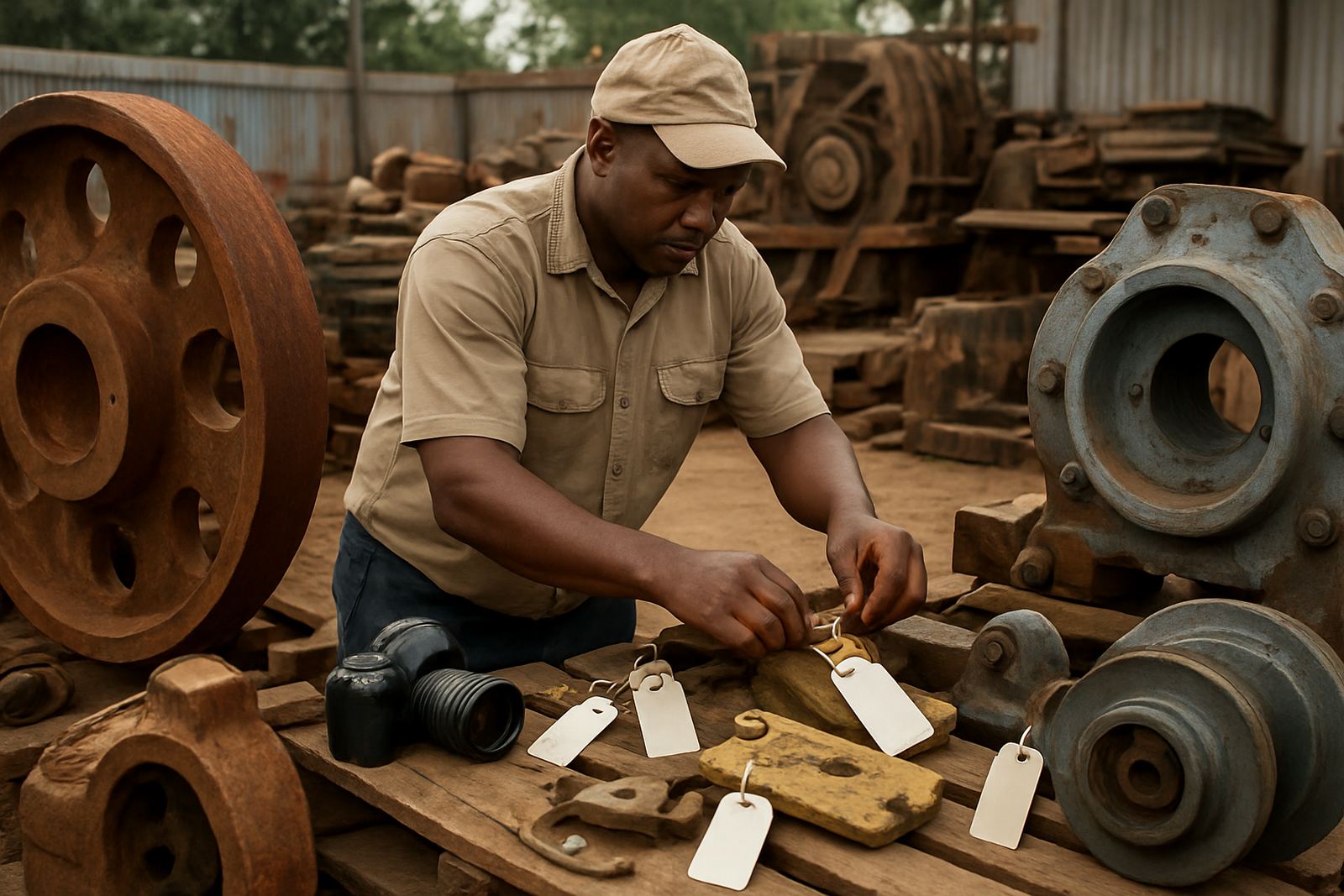
Before you send anything through for listing, count every item and group it by machine type, part number and condition. A clear audit makes it easier to match parts to quarries and mines looking for quick replacements during shutdowns or breakdowns.
Use the right description from the start. If a part is worn, repaired, serviceable or removed from a unit, say so plainly. This avoids delays later when the inspection team checks the item against the listing and buyer requirements.
- Separate usable spares from scrap.
- Record model, size, weight and material where known.
- Note if the part has been stored indoors or outside.
- Flag any cracks, missing fixings, bent edges or heat damage.
2. Prepare the Right Information Before You Book In
Good listings begin with good detail. When you submit a surplus part, include the basics the first time so the exchange team can decide whether it suits resale, trade or scrap value. This is especially important for items moving between Middelburg, eMalahleni, Rustenburg, Polokwane, Kathu and Pietermaritzburg, where freight costs and turnaround time matter.
Have the following ready before collection or drop-off. It helps the operations team plan storage, palletising and onward delivery without wasting time on follow-up calls.
- Part name and machine application.
- Approximate dimensions and mass.
- Quantity available.
- Photos from more than one angle.
- Any service history, repair notes or previous fitment checks.
3. Get the Spares Ready for Inspection
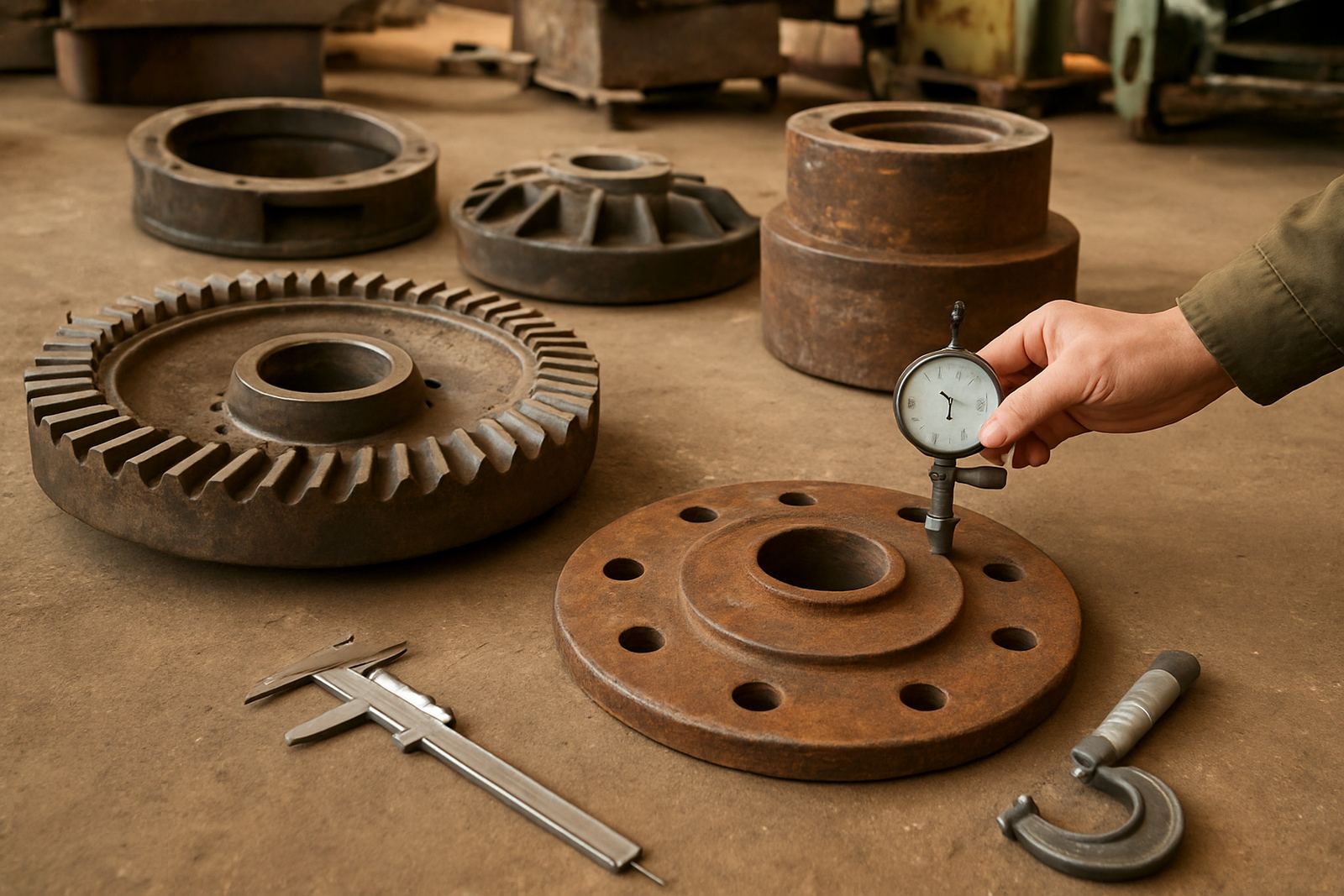
Inspection is the step that separates a saleable exchange item from a part that only suits scrap recovery. For used crusher spares, the condition must be checked properly because small defects can become expensive once the part is loaded, transported and refitted.
Clean the item enough for a proper visual check. Remove loose dust, grease and debris, but do not grind, paint or alter anything unless you are asked to do so. Original condition matters. A clean part is easier to photograph, measure and assess by the inspection coordinator.
- Wipe down surfaces so wear marks are visible.
- Leave serial marks, cast numbers and identifying features intact.
- Keep bolts, pins, seals and fasteners together in labelled bags.
- Do not mix parts from different machines in one crate.
4. Pack It Properly for Yard Storage and Transport
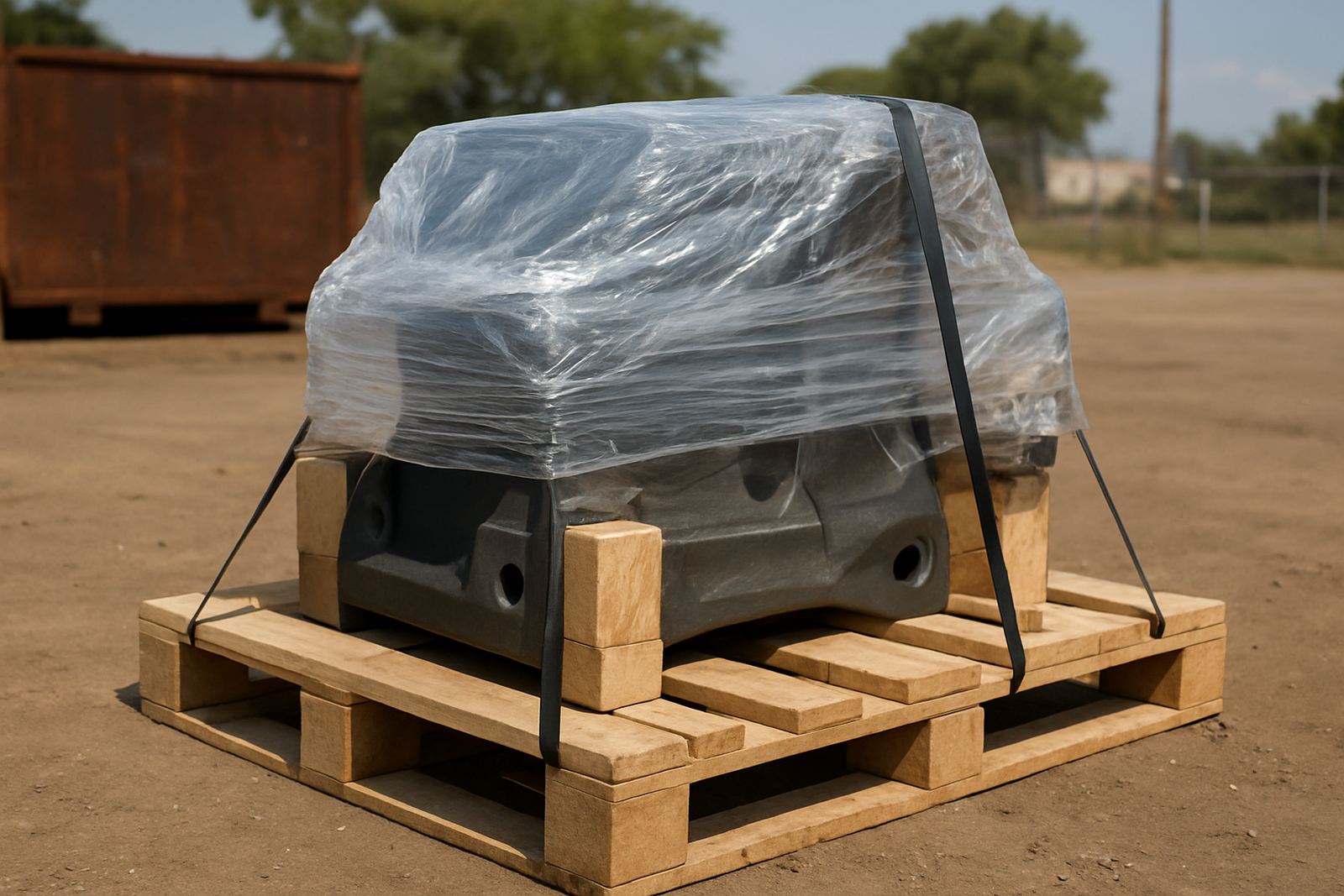
Once a part has been accepted for listing, proper packing protects it while it sits in the yard or travels to another site. Southern African conditions can be hard on metal, especially in the Highveld where dust, rain and winter frost can affect exposed parts. On the coast, humidity can speed up corrosion if items are left uncovered.
Use pallets, timber blocks, straps and wrapping where needed. Heavy items must be stable enough for forklift movement and truck loading. If the item has sharp edges, wear points or protruding lugs, protect them so nobody gets hurt during handling.
- Place small items in sealed containers or crates.
- Mark every package clearly with your site name and part description.
- Keep fasteners and accessories with the main part.
- Use weather protection for parts stored outside.
5. Choose the Right Listing Route: Exchange, Consignment or Scrap
Not every surplus part should be listed the same way. Some items are ready for direct exchange, some work better on consignment sales, and others are better sent for scrap recovery. The right route depends on condition, demand and how quickly you need space cleared in the yard.
If a part is serviceable and in demand, exchange is often the quickest option. If it needs the right buyer and a little more time, consignment can work well. If inspection shows the part is too damaged for practical reuse, the scrap versus exchange decision keeps the process honest and cost-effective.
Crusher Spare Exchange supports businesses with surplus listing, condition reporting, shutdown sourcing and urgent spares search, so the same part can be directed to the most suitable channel without unnecessary handling.
6. Plan Collection, Delivery and Fitment Checks
Good planning saves money on transport and reduces downtime at the receiving site. When you list spares from a quarry or mine, confirm whether the part will be collected locally, moved by nationwide delivery, or held in storage until the buyer is ready. This matters for shutdown work where the fitting window may only be a few hours.
Before release, confirm loading access, crane or forklift needs, pallet count and any site rules for entry. If the receiving team needs a fitment check, include the machine type and mounting details so the right part goes to the right plant the first time.
- State whether the part is ready for immediate dispatch.
- Confirm access times for the yard or plant.
- Share any lifting points or handling warnings.
- Check if the delivery site needs advance induction or permits.
7. Quick Checklist Before You Submit Your Listing
Use this last check before you send your surplus crusher parts for listing. It cuts down on delays and helps the team in Middelburg move faster from inspection to storage to sale. A tidy listing also gives buyers confidence, which matters when the same item may need to travel from Secunda or Lydenburg to another region at short notice.
- Part identified correctly.
- Quantity counted and recorded.
- Condition noted honestly.
- Photos taken in good light.
- Packaging suitable for handling.
- Collection or drop-off plan confirmed.
- Any scrap items separated from exchange stock.
If you are unsure whether a part belongs in the exchange list or the scrap pile, send the details through the enquiry form on our contact page. A proper review now can save a lot of time later, and it helps keep useful spares in circulation instead of gathering dust in the yard.