

Start With the Failed Part and the Machine Details
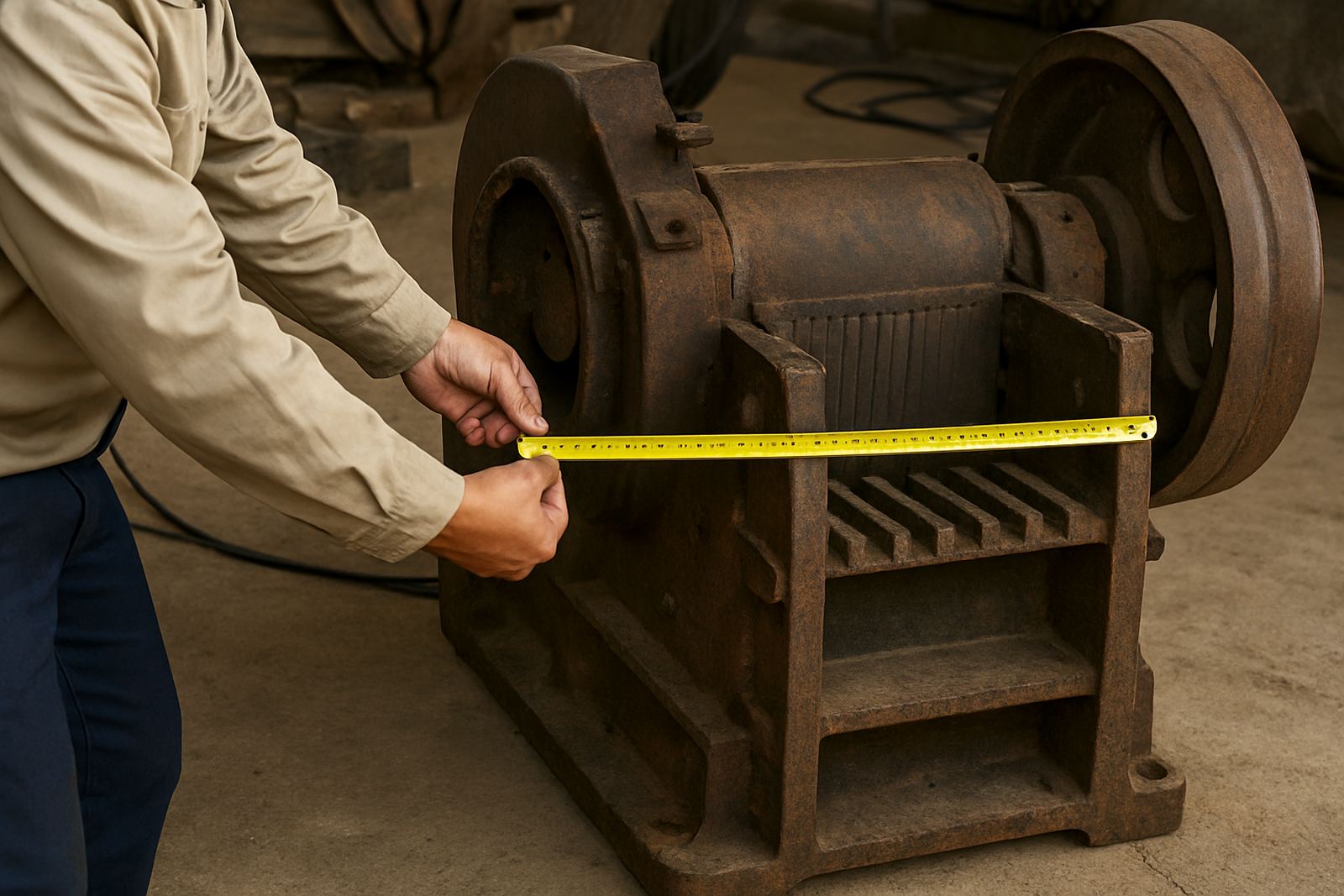
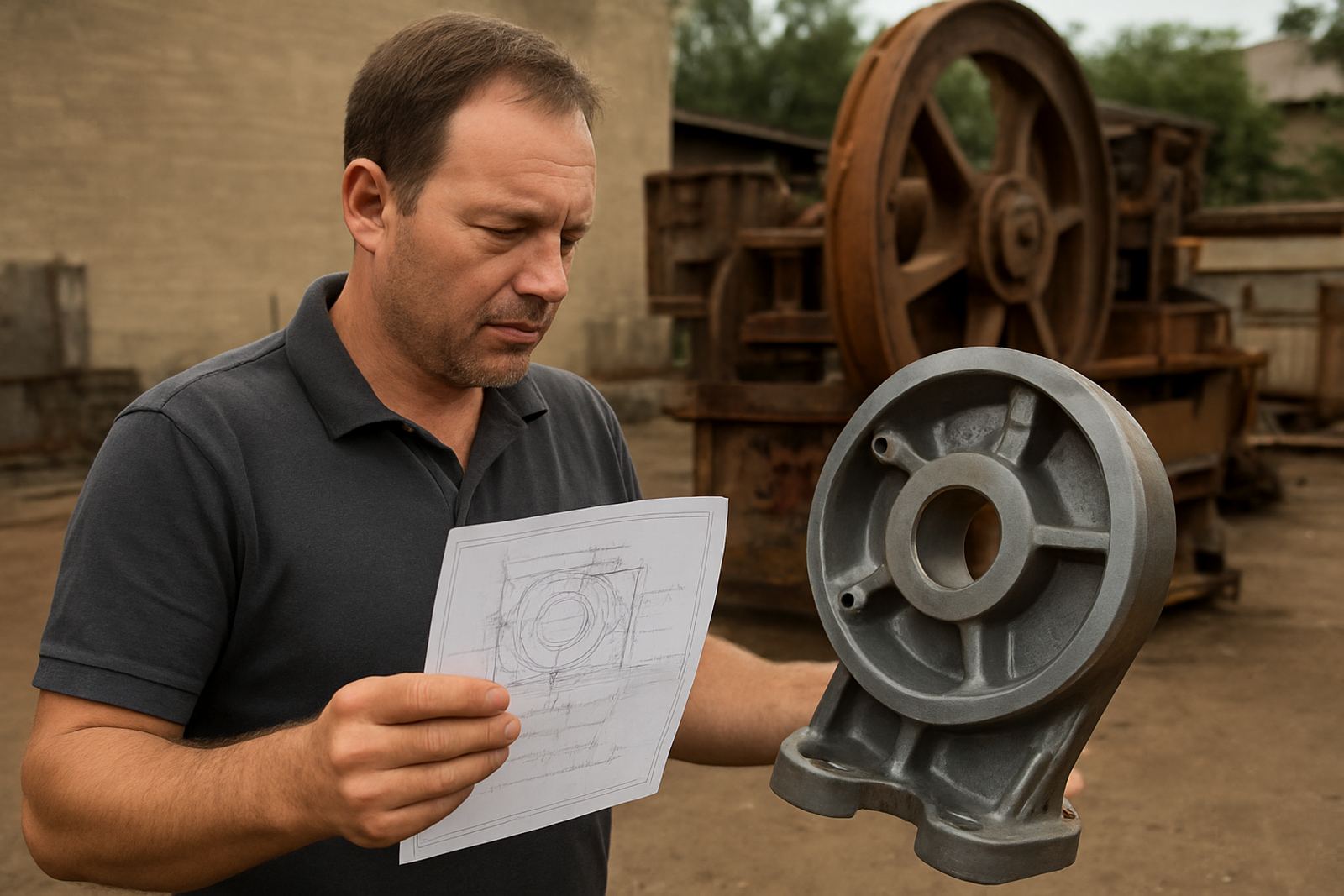
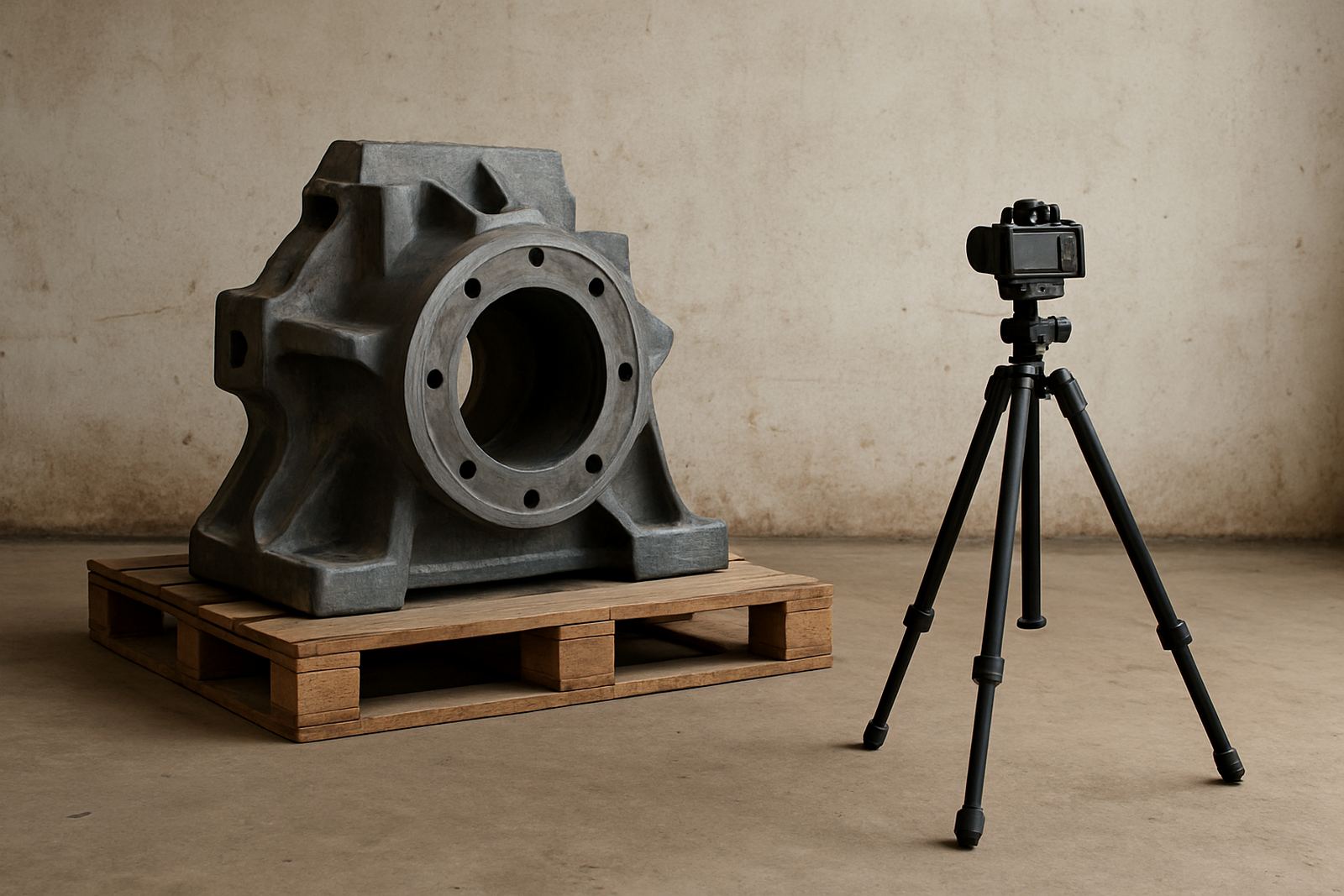
The quickest way to source the right spare is to confirm exactly what failed before anyone starts looking through stock. Note the crusher make and model, the serial number if it is available, the part number, and whether the machine is a jaw, cone, or impact unit. If the original plate is still on site, photograph both sides and measure key points such as bore, thickness, bolt centres, and overall length in millimetres. In breakdown work, a small measurement error can turn a same-day fix into a three day wait.
At our Middelburg base in Mpumalanga, we see many urgent requests from quarries and mines in eMalahleni, Secunda, Rustenburg, Polokwane, Kathu and Pietermaritzburg. A clear first call helps us narrow the search fast, especially when the plant is down and the shift supervisor needs an answer before the next production window closes.
- Crusher type and model
- Part number or old sample part
- Measurements in mm
- Photos of wear, cracks and mounting faces
- Site location and how urgent the stoppage is
Check Whether the Part Must Be New, Used or Repaired
Not every breakdown calls for a brand new part. In many quarry operations, a used but serviceable spare can get the line running again while a longer-term replacement is arranged. That is where a proper scrap versus exchange decision matters. If the part carries high wear, cracking, or distortion, it may only be fit for scrap. If the wear is within usable limits and the mounting faces are sound, an exchange option may save both time and Rand.
Before you commit, consider the duty of the machine and the plant conditions. Coastal humidity, dust from screening, and long hours during load-shedding can all affect how long a spare will last. If the item is a fast-wearing liner, shaft, bearing housing, or similar critical component, ask for a condition report before you approve the move.
- Is the part structurally sound?
- Can it be fitted without machining on site?
- Will it run long enough for the next planned shutdown?
- Is the saving worth the risk of a short service life?
Use Inspection Notes to Avoid the Wrong Exchange
Good inspection notes are the difference between a useful exchange and a wasted collection. Our inspection team, led by Sibusiso Ndlovu, checks visible wear, cracks, broken threads, scoring, and contamination before a part is released from yard storage or prepared for delivery. Where needed, we also provide condition reporting so the receiving team knows what they are getting before it leaves the yard.
For urgent breakdown sourcing, ask for the following checks before you approve the spare. This keeps your maintenance team, procurement staff and production crew on the same page, even when the call comes in after hours.
- Visual condition and obvious defects
- Mounting face and fixing point checks
- Signs of previous repair or welding
- Whether the item is complete or missing fittings
- Whether the part needs cleaning, palletising or packing before transport
If the part must be moved from one quarry to another, proper palletising helps prevent extra damage in transit. It also makes offloading safer, which matters on busy sites where forklifts, overhead cranes and limited laydown areas are already under pressure.
Set the Collection, Storage and Delivery Sequence Early
Once the correct spare is identified, decide where it will sit until dispatch. Our yard storage in Middelburg is used to hold surplus crusher spares safely while the next step is arranged. For nearby collections, Mpho Rakoma coordinates local movements and keeps the sequence clear so the part does not get stranded between sites. For larger transfers, nationwide delivery can be arranged to mines and quarries across South Africa.
When the breakdown is serious, speed matters but so does order. Know who is collecting, what vehicle is coming, and who will receive the item on site. A part can be ready in the yard, but if the receiving gate book, delivery route or after-hours access is not planned, the job still stalls.
- Confirm the collection time
- Share the site access rules and gate instructions
- Prepare a loading area and lifting gear
- Nominate one person to sign off on receipt
- Keep the part label and job reference with the shipment
Use Shutdown Sourcing for Planned Stops and Emergencies
Some spares are only practical to source during a shutdown. Others are needed at once because the plant has already stopped. We handle shutdown sourcing for both cases, but the request must be specific. Tell us which circuit is affected, what material is backing up, and whether the problem is a full stoppage or reduced throughput. That helps us decide whether to search for a direct exchange, a temporary fitment, or a short-term substitute while the right part is located.
During planned maintenance in Middelburg, Lydenburg, Secunda and the wider Mpumalanga belt, the best results come from a short list and a firm deadline. Thabo Johannes Mokoena and the team use that timing to match available stock against your outage window, so your crew can spend more time fitting and less time waiting.
Useful breakdown details to send through:
- Shutdown date and duration
- Machine hours and production pressure
- Exact fault symptoms
- Any machining or fitment work already done
- Whether you need local collection, delivery, or both
Confirm Fitment Before the Plant Goes Back Online
A spare is only useful if it fits and works as intended. Before the machine starts up again, compare the replacement against the removed part and check all mounting points, clearances and movement. Anika van Zyl handles sales and exchange queries, while Nokuthula Dlamini keeps clients updated so there is less confusion when a shift handover is tight and the plant team is under pressure.
If you are fitting a used part, do a final check for cracks, looseness, contamination and any sign that the item has shifted during transport. It is also worth checking related components, because one failed part can damage another. If a bearing, seal, bracket or housing was affected, note it immediately so the next order can be prepared without delay.
- Match the spare to the removed item
- Check bolts, bushings and seals
- Confirm free movement where required
- Inspect for leaks, noise or vibration after start-up
- Record the result for future breakdowns
That record becomes valuable at the next outage. A proper history of what was fitted, what was exchanged, and what failed again helps the maintenance team make quicker decisions, especially when power interruptions or weather delays have already eaten into the shift.