Start With the Machine Details, Not the Part Number Alone
Many buyers start by asking whether the part “matches” an old sample, but that is only one part of the check. Before you accept an exchange, confirm the crusher make, model, serial number range and the exact duty application. A jaw crusher working in dusty Middelburg conditions can wear differently to one handling wetter material near Pietermaritzburg, so the original part reference is not always enough.
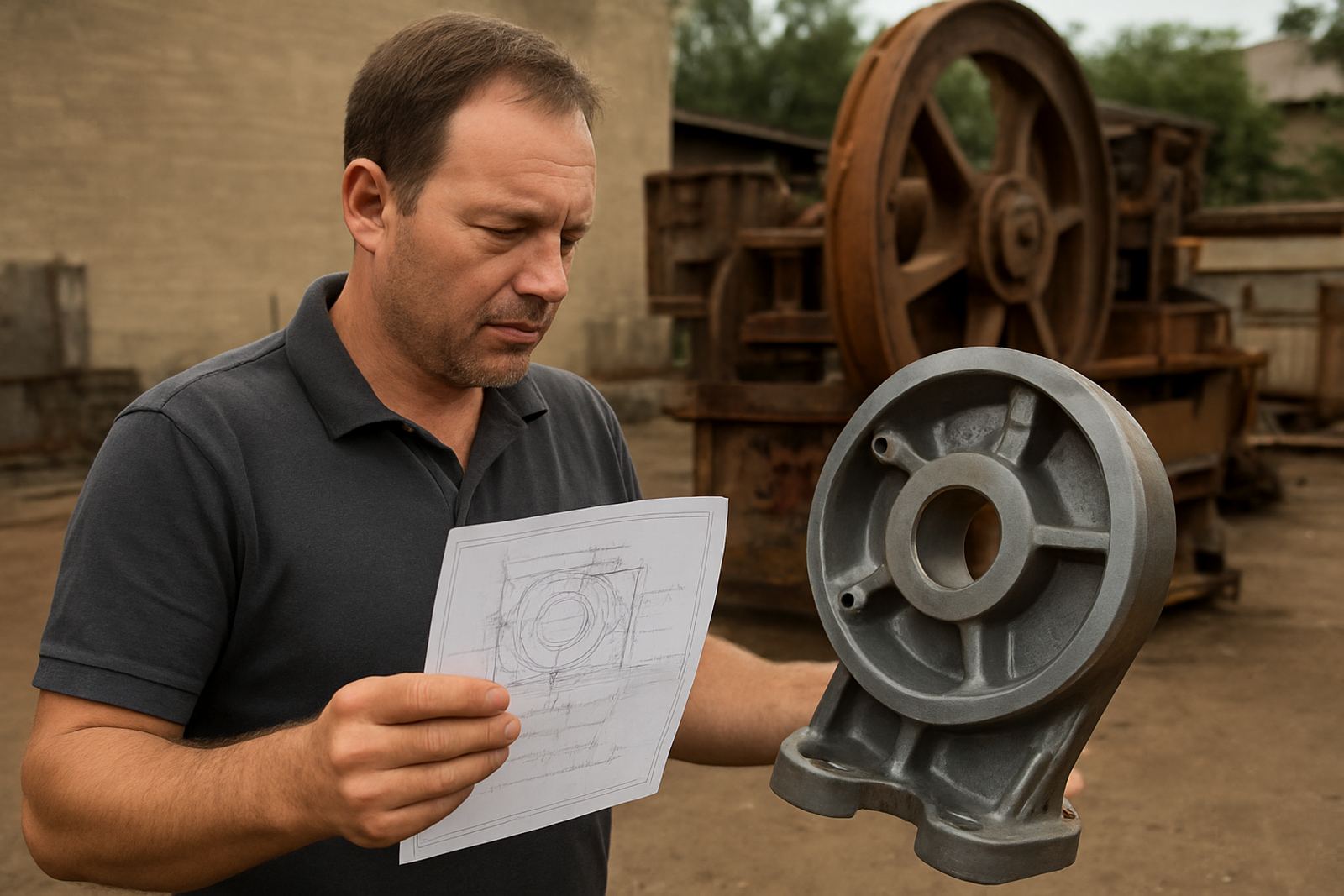
Ask for the machine arrangement and the fitted dimensions where possible. If you are replacing a wear item, note the chamber profile, shaft size, bore, keyway, mounting pattern and any spacer arrangement. If the part has already been rebuilt or modified, that history must be clear before you sign off. Our inspection team often sees buyers assume a “close enough” part will do, only to find the tolerances are off by a few millimetres and the machine still has to wait.
- Crusher make and model
- Serial number and production year
- Wear part or structural component
- Current machine setup and fitted measurements
- Any previous repairs, hardfacing or machining
Measure the Critical Dimensions Before Collection
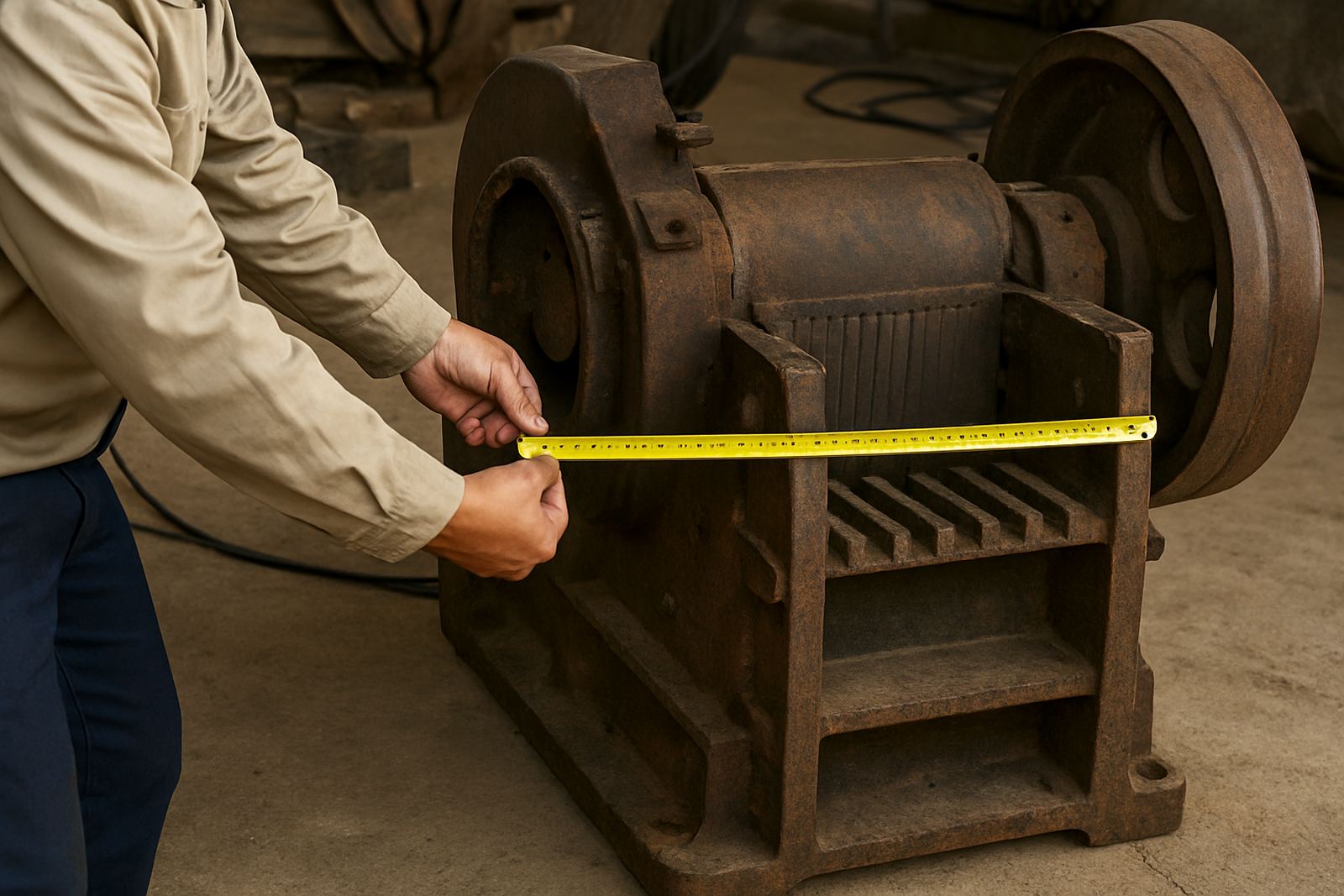
A fitment check is not complete until the main dimensions have been written down and compared. Buyers should measure the item they are removing and the item they plan to accept, then compare both against the machine requirement. Do not rely on guesswork, especially where spares have been stored for months in a coastal yard or moved between quarries and mines in different provinces.
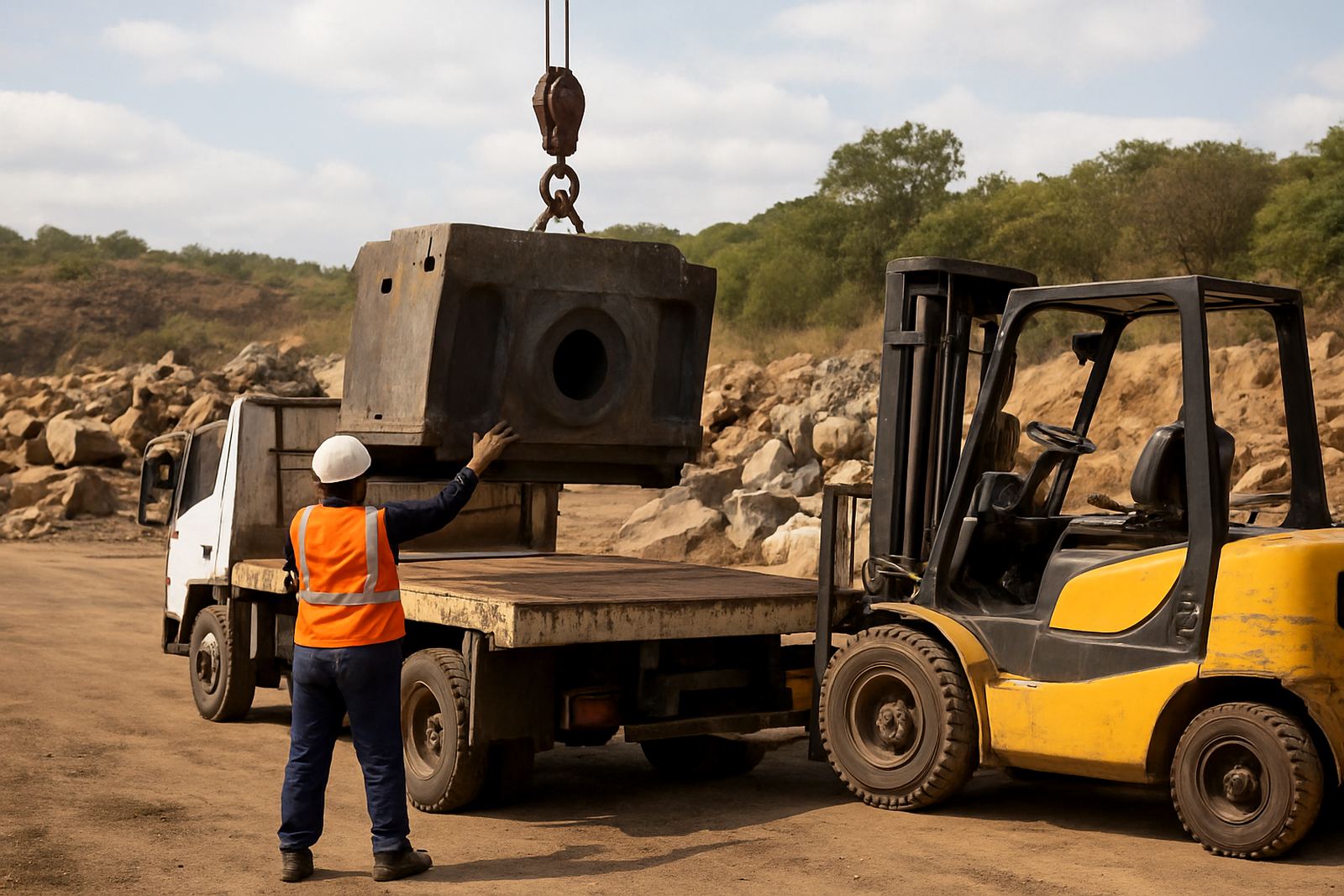
Check the diameter, thickness, length, bolt spacing, centre holes, taper angles and contact faces. For larger components, confirm clearance around guards, housings and access points. If the spare needs lifting gear, make sure the plant can handle the mass safely with the correct slings, chains and forklift capacity. In some cases a part looks suitable on paper but will not pass through the access opening or cannot be installed during a short shutdown window.
- Overall length, width and height
- Bolt hole spacing and hole size
- Contact face wear and remaining material thickness
- Weight and lifting points
- Clearance for installation and removal
Check Condition, Wear and Rework History
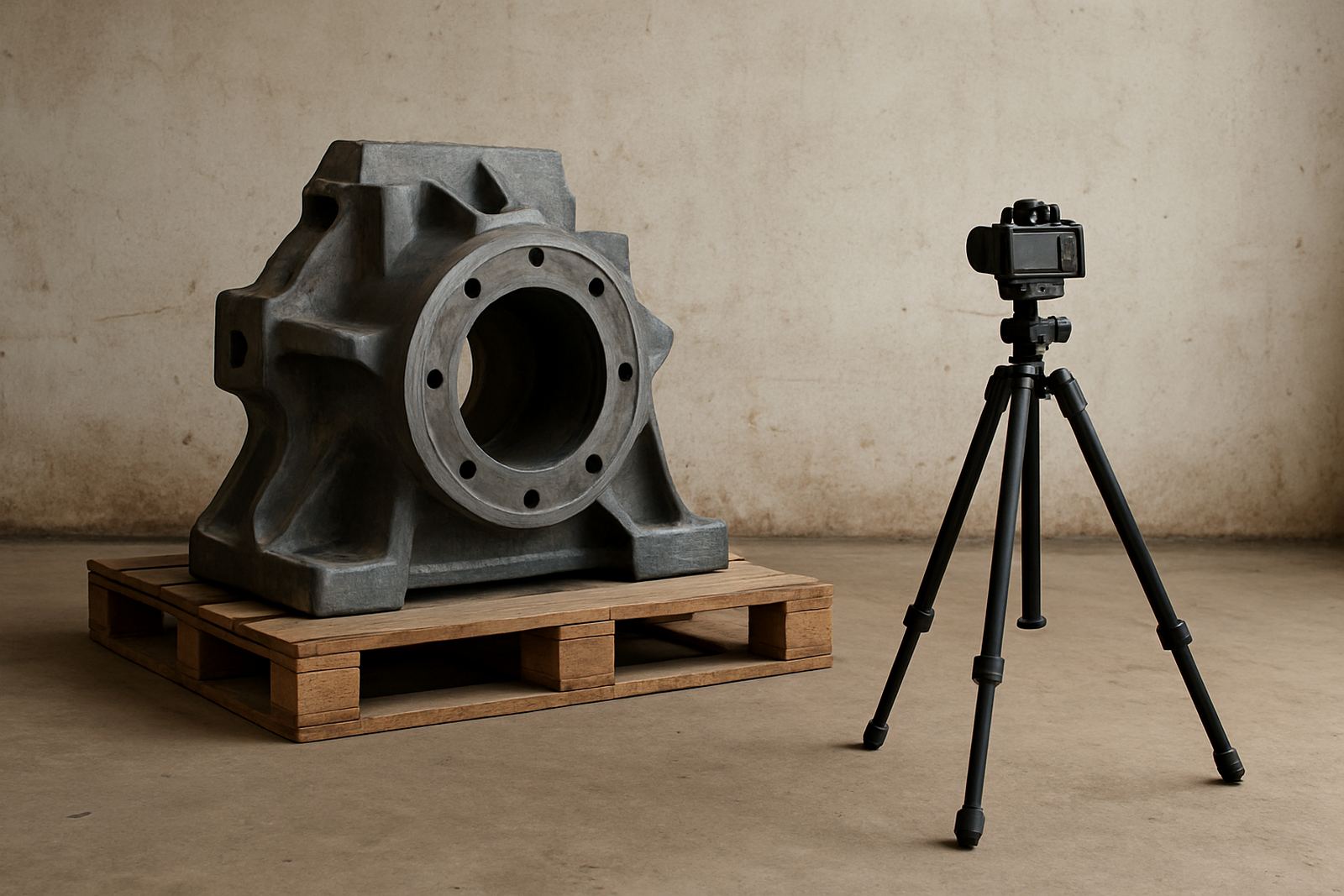
Condition matters as much as fit. A used spare can be a practical option, but buyers should know exactly what they are taking on. Before you agree to an exchange, ask for a clear condition report covering cracks, scoring, corrosion, missing hardware, previous weld repairs and any machining already done. If the part has stood outside in hot sun and rain near eMalahleni or Secunda, surface rust may hide deeper issues.
For critical items, request a visual inspection and, where needed, a dimensional check against the original specification. If the part is meant to work under high load, ask whether it has been tested for straightness, alignment and surface contact. For liners, cones, shafts and housings, small defects can lead to vibration, uneven wear or premature failure. It is better to reject a doubtful item than to stop a plant mid-shift because a shortcut was taken.
- Visible cracks or repair welds
- Corrosion, pitting or scoring
- Missing bolts, keys or fasteners
- Uneven wear or distortion
- Any machining, re-boring or hardfacing done
Match the Spare to Your Duty Cycle and Site Conditions
Not every spare will suit every operating environment. A part that is acceptable for light duty may fail early in a heavy production line. Buyers should ask whether the spare is suited to the tonnage, feed size, abrasion level and hours of operation at their site. A mine running extended shifts during shutdown season will need more certainty than a small quarry doing shorter runs.
Also consider the site conditions. Dust, vibration, heat, rain and washdown routines all affect performance. If your plant runs in a coastal area or a place with high humidity, ask about corrosion protection and storage history. If your operation is subject to municipal noise rules or restricted working hours, then a part that needs rework after delivery can create a serious scheduling problem. The right exchange is one that keeps the plant moving and fits the realities of your site, not just the catalogue description.
Confirm Storage, Packing and Transport Readiness
Once the part has passed inspection, buyers should still confirm how it will be stored and moved. If a spare is collected from our Middelburg Yard or transferred between regions such as Rustenburg, Polokwane or Kathu, the loading plan must suit the size and condition of the item. A badly packed item can arrive damaged, even if it was fit when it left the yard.
Ask for the storage method, palletising approach and whether the item needs protection from moisture or dust. For long-distance delivery, check that the crate, pallet or steel frame can handle road movement, loading and offloading. Buyers should also confirm the receiving site has the correct offload equipment and a clean, level area ready for placement. If the exchange is urgent, the receiving team should be lined up before collection to avoid delays at the gate or in the plant area.
- Safe packing for the part’s size and weight
- Protection against dust, rain and corrosion
- Offload equipment available at site
- Access route clear for truck or rigging vehicle
- Receiving area prepared before delivery
Use a Simple Buyer Checklist Before You Approve the Exchange
Buyers should use a written checklist before agreeing to any exchange. This keeps the decision practical and avoids confusion later, especially when parts are moving between branches, mines and quarries across South Africa. If a question cannot be answered clearly, pause the exchange until it is resolved.
Our team in Middelburg works with buyers who need quick decisions during shutdowns, planned maintenance or urgent spares search requests. A good fitment check takes a few extra minutes and can save a full day of downtime. It also helps determine whether a part should be exchanged, held in storage, or treated as scrap if the wear or damage is beyond safe use.
- Does the part match the machine make and model?
- Have the key dimensions been measured and checked?
- Is the condition acceptable for the planned duty?
- Will the part fit the access, lifting and installation setup?
- Has packing, collection and delivery been confirmed?
When to Ask for a Second Inspection or a Scrap Review
If there is any doubt after the first check, ask for a second inspection. That is especially useful where the spare is high value, difficult to source, or needed for a shutdown that cannot be missed. A second look can confirm whether the item is still suitable for exchange, or whether it should be classified as scrap and kept out of circulation.
Scrap vs exchange decisions should be made on condition, remaining life and expected cost to put the part into service. Some components are not worth moving from yard to yard if they need too much rework. Others only need a straightforward clean, measure and pack before they can serve another plant well. The buyer’s job is to ask the right questions early, so the part that arrives is the part the machine can actually use.