Start With the Exact Part Identification
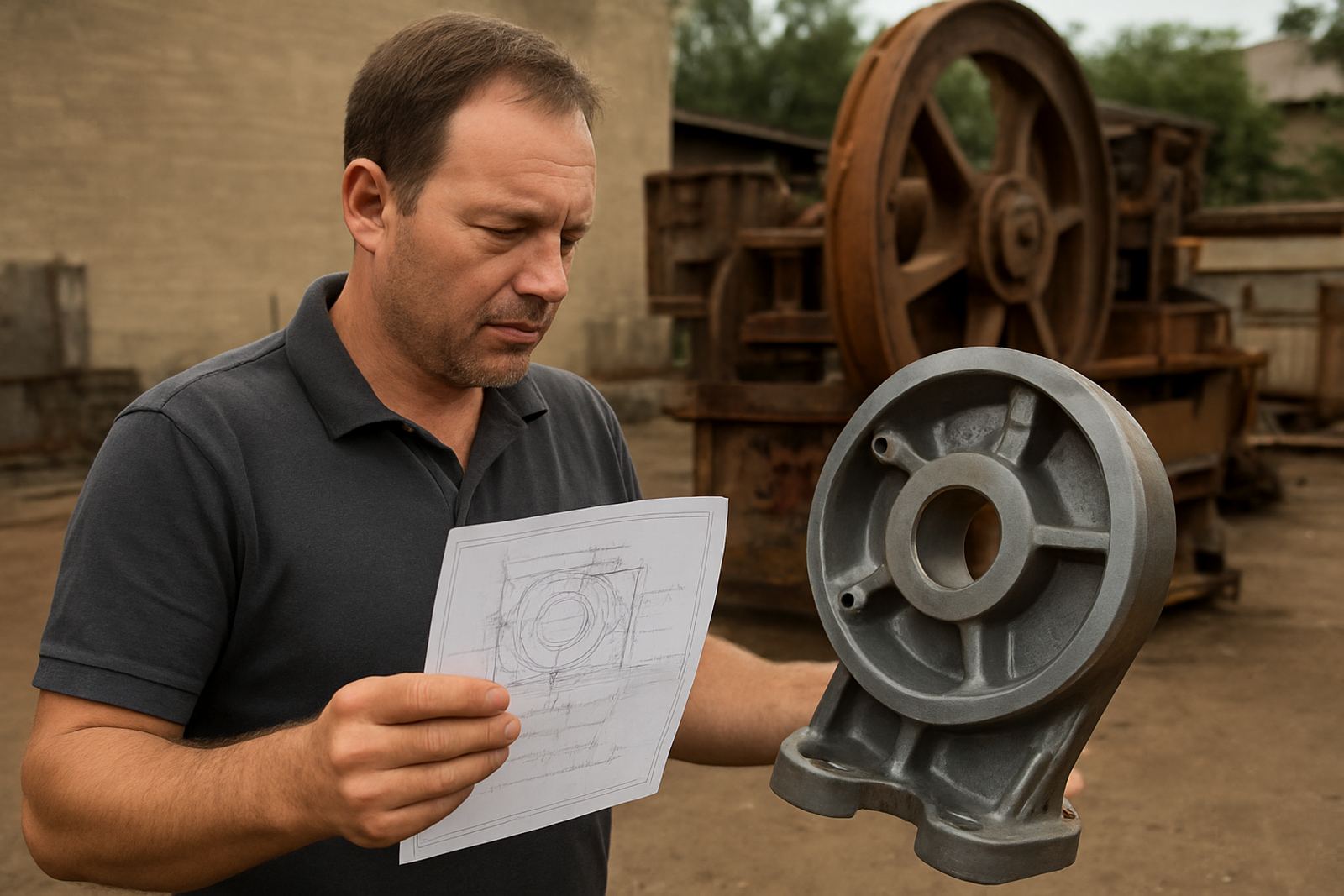
Before you measure anything, record what the part is and where it came from. A crusher spare can look similar to another unit at a glance, but the mounting points, bore size, tooth profile or wear surface may differ enough to make it unusable. Note the machine type, the part name, the original position in the assembly and any visible cast marks or plate numbers.
If the item has come off a working line in Middelburg, eMalahleni or Rustenburg, clean off dust, grease and old paint first. Measurements taken through residue often lead to bad fitment checks later. Keep the item on a flat surface and make sure it is stable before you start.
- Part name and machine model
- Serial or casting numbers if visible
- Where the part fits in the assembly
- Any repairs, welds, cracks or heat damage
Measure the Outside Dimensions That Buyers Ask For First
Buyers usually want the basic outside dimensions before they look at anything else. Measure the overall length, width and height in millimetres, and if the item is circular record the outside diameter as well. For shafts, pulleys, sleeves and bearings, add the bore diameter, keyway size and any step measurements. For liners, jaws and mantles, include thickness at the worn edge and at the original backing point if you can still see it.
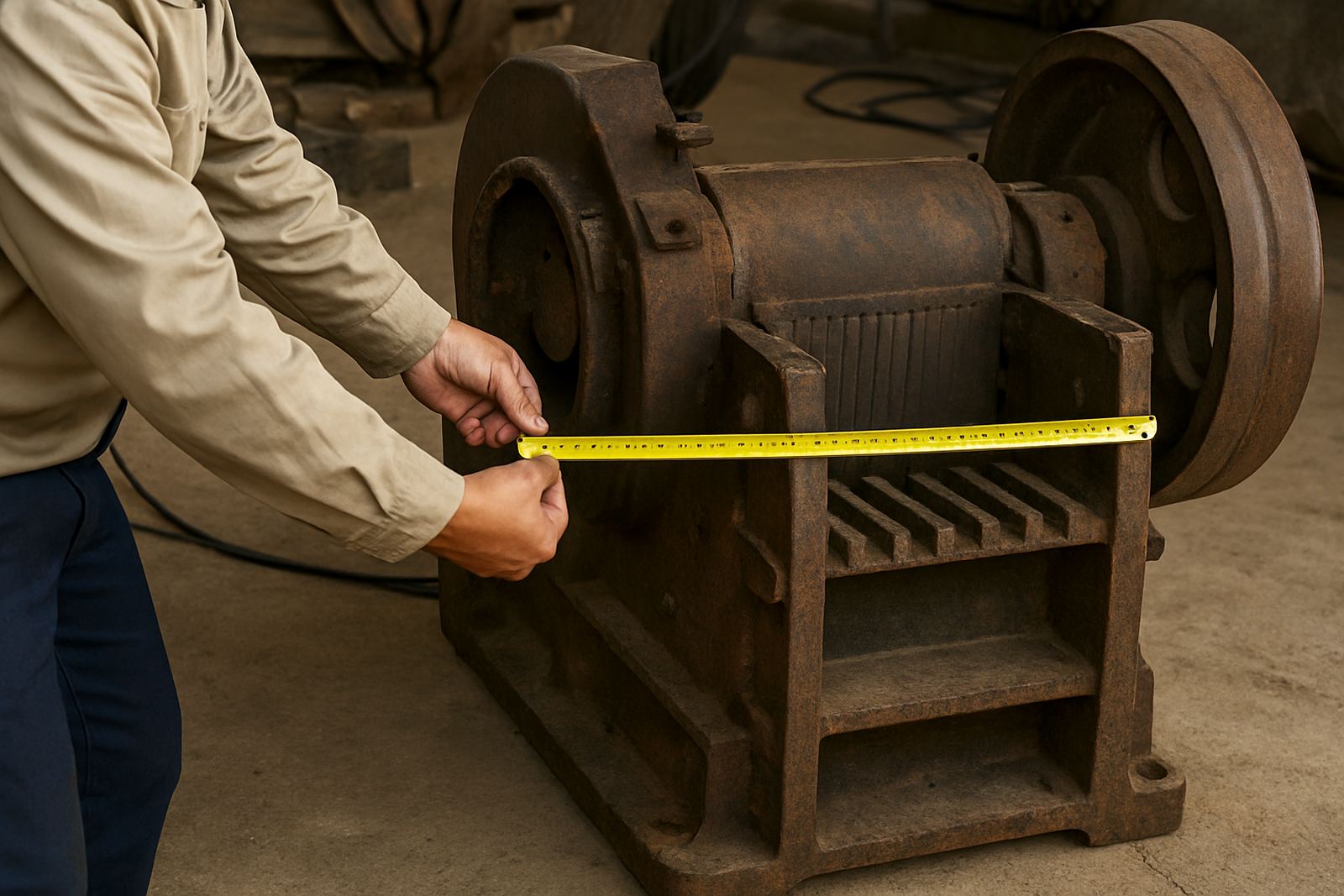
Use a steel tape for long sections and vernier callipers or a micrometer for smaller features. If the part is large and heavy, measure it on the floor with a second person helping. This is especially useful when a yard in Secunda or Lydenburg is working with limited lighting during load-shedding, because a steady setup gives better readings and safer handling.
- Overall length, width and height
- Outside diameter and inside diameter
- Thickness at multiple points
- Hole centres, bolt pattern and pitch circle where relevant
- Step heights, keyways and flange sizes
Record Wear, Tolerance and Edge Condition Clearly
One of the most useful things a seller can do is show how much life is left in the spare. Record wear in millimetres at the working face, teeth, edges and mounting surfaces. Where possible, compare the worn section with the original section so the buyer can see the difference. If the part has uneven wear, write down the highest and lowest points rather than giving only one reading.
Condition notes should be plain and specific. Say whether the face is pitted, grooved, chipped, bent or polished from use. If a surface is true and within tolerance, mention it. If there is a crack near a fixing point or a small break on one corner, say so up front. Buyers moving spares between quarries in Polokwane, Kathu or Pietermaritzburg need this detail to decide whether the item is for exchange, repair or scrap.
- Wear depth in millimetres
- Uneven wear from side to side
- Cracks, chips, bends or distortion
- Surface scoring, pitting or heat marks
- Any repaired sections or welded repairs
Check Mounting Points Before the Part Leaves the Yard
Mounting points cause many of the costly mistakes in used-spare trading. Measure bolt-hole diameter, spacing between centres and the thickness of the mounting flange. If studs, pins or bushings are still fitted, note whether they are tight, loose or seized. For parts that locate on a shaft or housing, measure the seating face and any taper or shoulder.
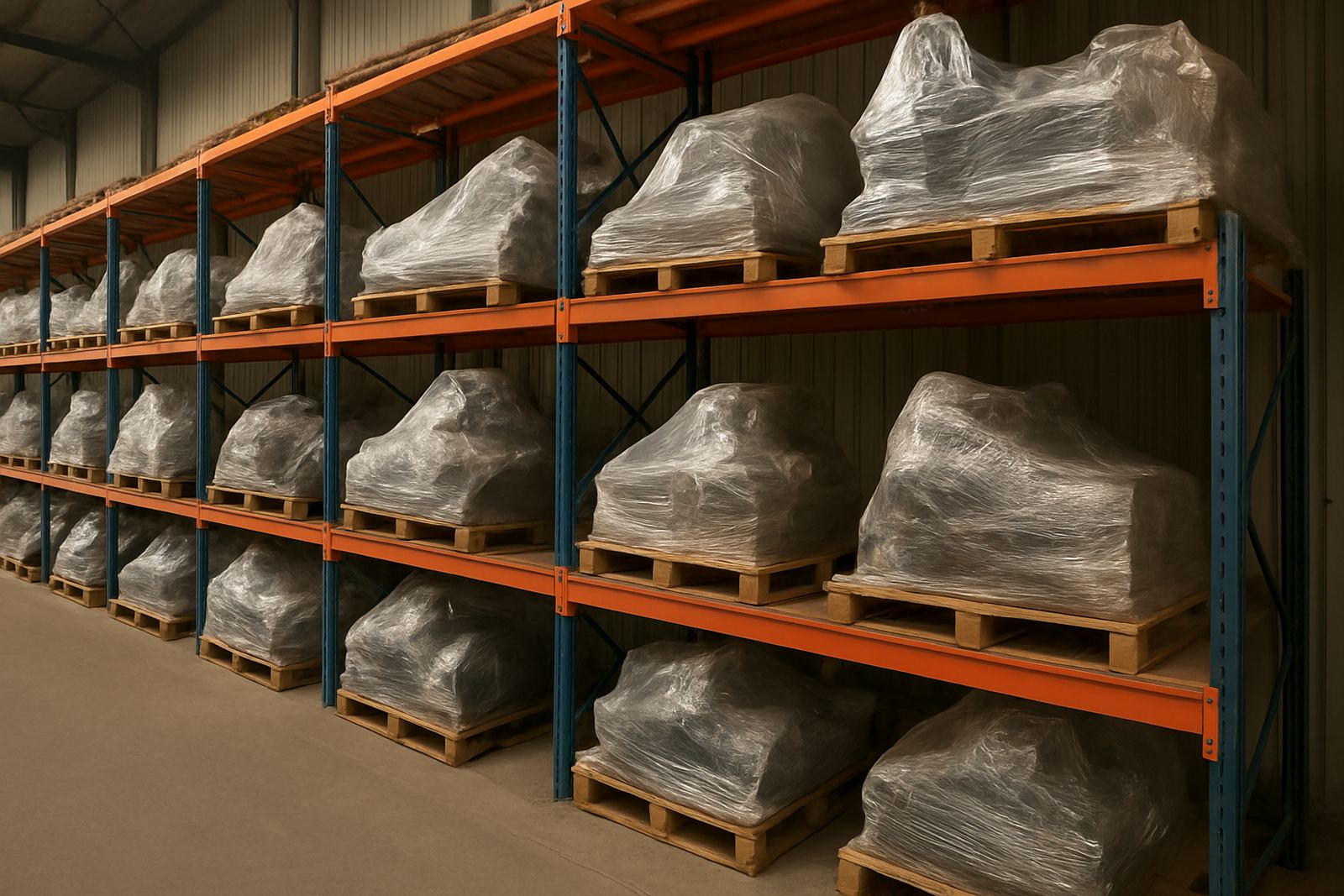
It also helps to photograph the part against a rule, tape measure or marked floor line while it is still on site. Clear images support the measurements and save time when the inspection team is handling multiple listings from the Middelburg Yard, the Rustenburg Region or the eMalahleni Region. Keep the piece on pallets if it needs to be moved, and pack small hardware in a labelled bag so nothing goes missing.
Use a Simple Checklist Before You Submit a Listing
A complete checklist keeps the process fast for the inspection and sales teams, and it gives the buyer enough detail to compare the item with their own machine. It also helps if the spare is being held for consignment or moved into storage before delivery. The more organised the record, the easier it is to arrange collections, pack the item correctly and avoid unnecessary handling damage.
Before you submit the part, work through this list and make sure each point is answered. If something cannot be measured on site, state why and give the closest practical estimate. That is better than leaving a blank line or guessing.
- Part name and intended machine
- Overall dimensions in millimetres
- Wear measurements at key points
- Mounting hole and bore sizes
- Weight if available
- Visible defects or repair history
- Storage condition and whether the item is palletised
Why Accurate Measurements Save Time and Rand
When a part is measured properly from the start, the exchange process moves faster. Buyers can confirm fitment before collection, sellers can price the item more fairly and fewer loads are turned back because the spare does not match the machine. That matters when a quarry has a shutdown window or a mine needs an urgent spares search before production stops.
Accurate records also help with scrap versus exchange decisions. A part that is worn but within usable limits may still have value to another site, while a piece with distorted mounting points might be better suited for scrap recovery. In both cases, exact dimensions make the decision easier and reduce waste. For quarries working across Mpumalanga, Limpopo, North West and KwaZulu-Natal, that saves time on transport and keeps equipment moving with less hassle.
What to Send With a Surplus Spares Enquiry
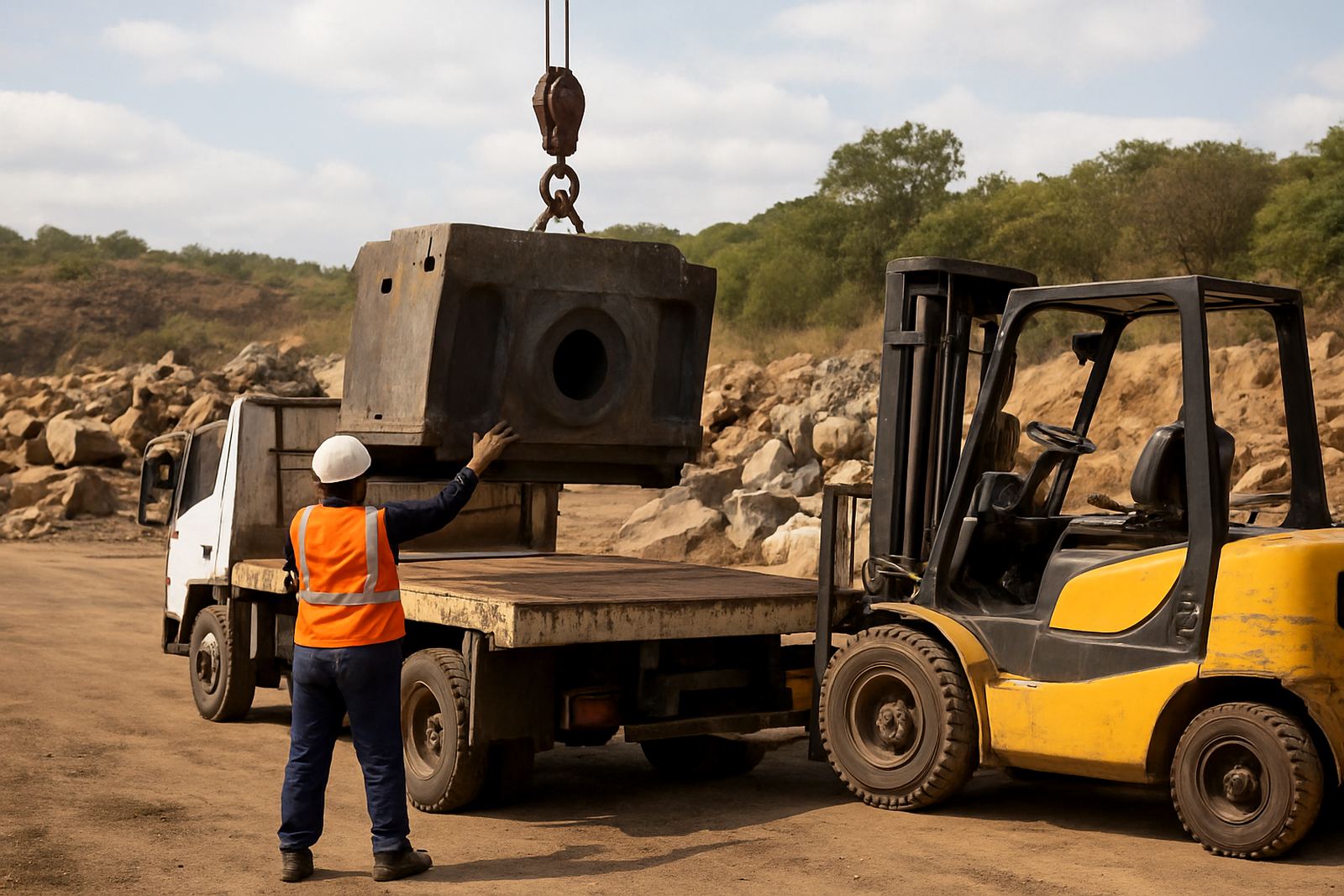
When you submit an enquiry through the contact page, include the measurements together with a short note on condition and location. If the item is stored in Middelburg, Secunda or any of the regional areas, say whether it is ready for collection or still needs palletising and packing. If it is large, mention if a forklift or crane is needed on site.
A good submission gives the team enough information to arrange inspection, storage, collection or nationwide delivery without delays. It also helps them decide whether the part should stay in exchange stock, move to consignment sales or go to scrap recovery. A few extra minutes spent measuring now can save a full day later.