Why Reusing Crusher Spares Matters on Site
In quarrying, sustainability must work in the yard, on the plant floor and during shutdowns. A bearing housing, pulley, mantle, frame component or drive part that still has usable life can serve another operation instead of being written off too early. That saves steel, machining time and transport costs, while also reducing the volume of scrap moving through the supply chain.
For many sites in Middelburg, eMalahleni and Secunda, the pressure is practical. Load-shedding changes production plans, winter dust increases wear, and wet weather can expose stored parts to rust if they are not handled correctly. Reusing sound spares gives operations a lower-cost option when new stock is delayed or budget approvals take time.
There is also a maintenance benefit. When parts are inspected properly before exchange or resale, a quarry can match condition to job scope rather than taking a guess. That makes planned maintenance easier and keeps shutdown work tighter.
What Makes a Spare Suitable for Exchange
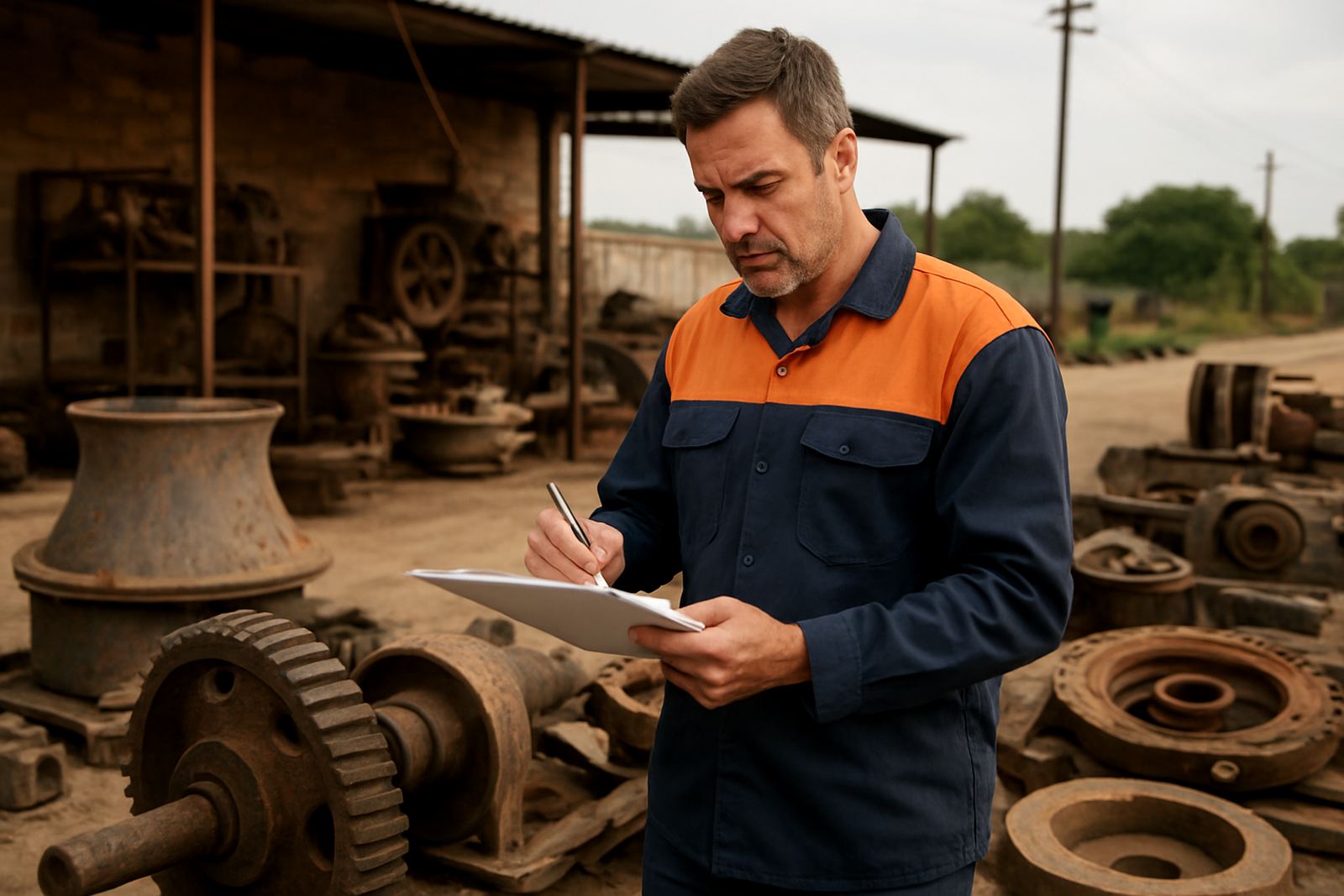
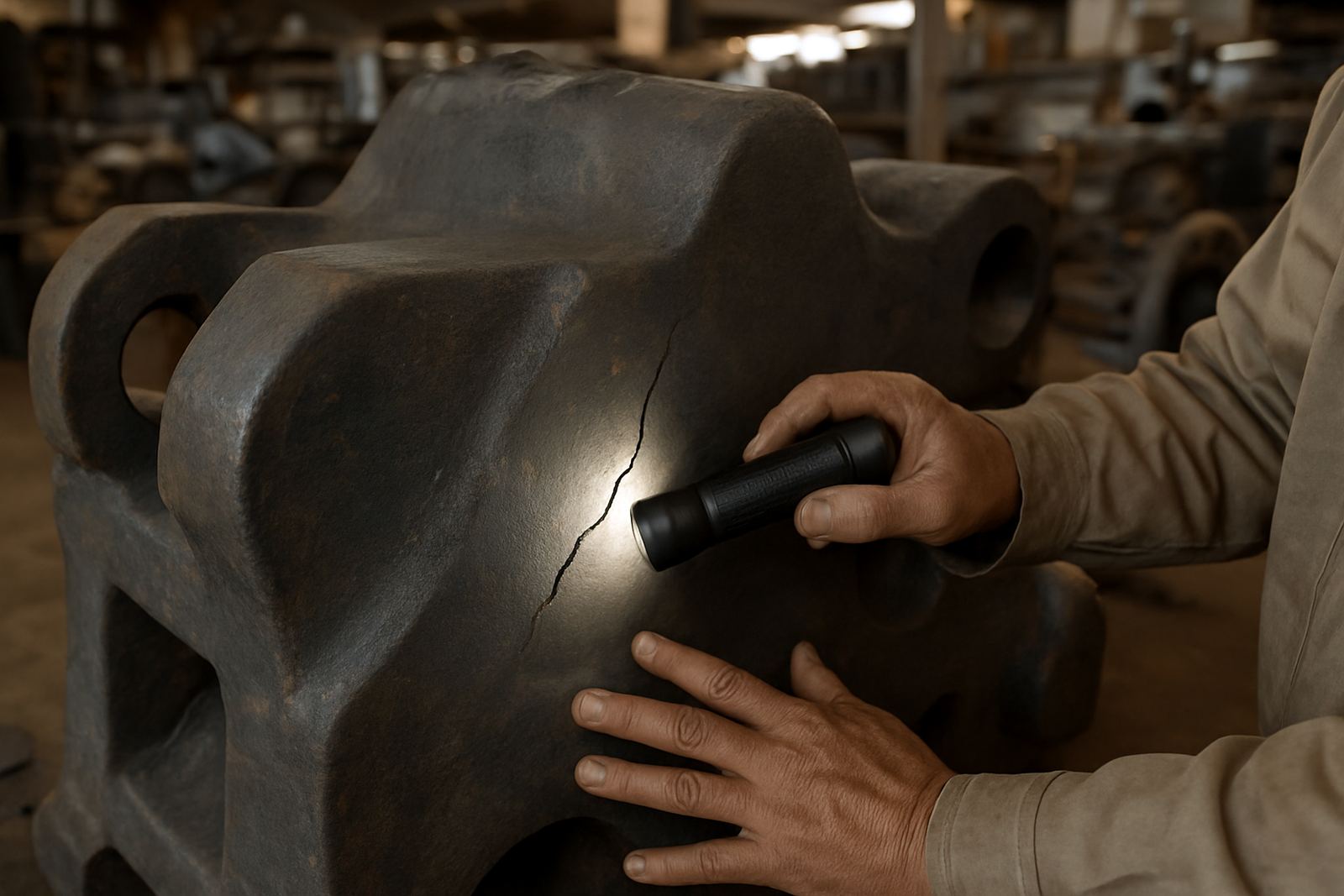
Not every removed part should go back into circulation. The first step is sorting between what can be reused, what needs repair, and what belongs in scrap. That decision should be based on visible wear, measurement, service history and the risk of failure in operation. A part with limited wear and no structural damage may still be valuable, but anything with cracks, distortion or heat damage should be handled carefully.
In practice, serviceable crusher spares are usually identified through inspection and condition reporting. Surfaces are checked for scoring, bush clearances are measured where relevant, and load-bearing sections are assessed for fatigue. If a unit needs fitment checks, that should happen before it is released, not after it reaches the next quarry.
- Check for cracking, warped sections and heavy corrosion
- Record dimensions and any machining wear
- Confirm whether the part suits the exact machine model
- Separate reusable stock from scrap immediately
Good stock control matters here. A yard in Middelburg can only support exchanges effectively if every item is clearly tagged, stored off the ground and protected from moisture and dust. That is especially important for coastal deliveries, where humidity can cause faster surface corrosion during transport.
How Exchange Reduces Waste Without Slowing Production
Many quarries want to reduce waste but cannot afford long delays. That is where a structured exchange model helps. Instead of letting surplus parts sit idle in a yard, the parts are listed, inspected and made available to another operator who needs them sooner. The result is less dead stock, fewer emergency purchases and better use of existing assets.
This is useful during shutdowns when a plant needs a part quickly and new supply is slow. A practical exchange route can source urgent spares, handle local collections and arrange nationwide delivery from the yard to the site. In some cases, a part that is no longer suitable for one plant may still be useful for another mine with similar equipment and loading conditions.
For operations teams, that means less pressure on procurement and fewer parts going straight to scrap when they still have value. It also supports more disciplined maintenance planning because the business can compare scrap versus exchange options before making a final call.
- Lower waste volumes from surplus stock
- Shorter lead times on hard-to-find parts
- Better value from removed components
- More flexible sourcing during shutdowns
A Middelburg Example from the Coal and Quarry Belt
In the Middelburg area, many operations work across a wide radius, from eMalahleni and Rustenburg to Lydenburg and Polokwane. That creates real logistical pressure. A quarry may have a pallet of surplus spares after a shutdown, while another site in Kathu needs the same type of component to keep production moving. If both sides try to buy new stock first, the waste is obvious and the cost is higher.
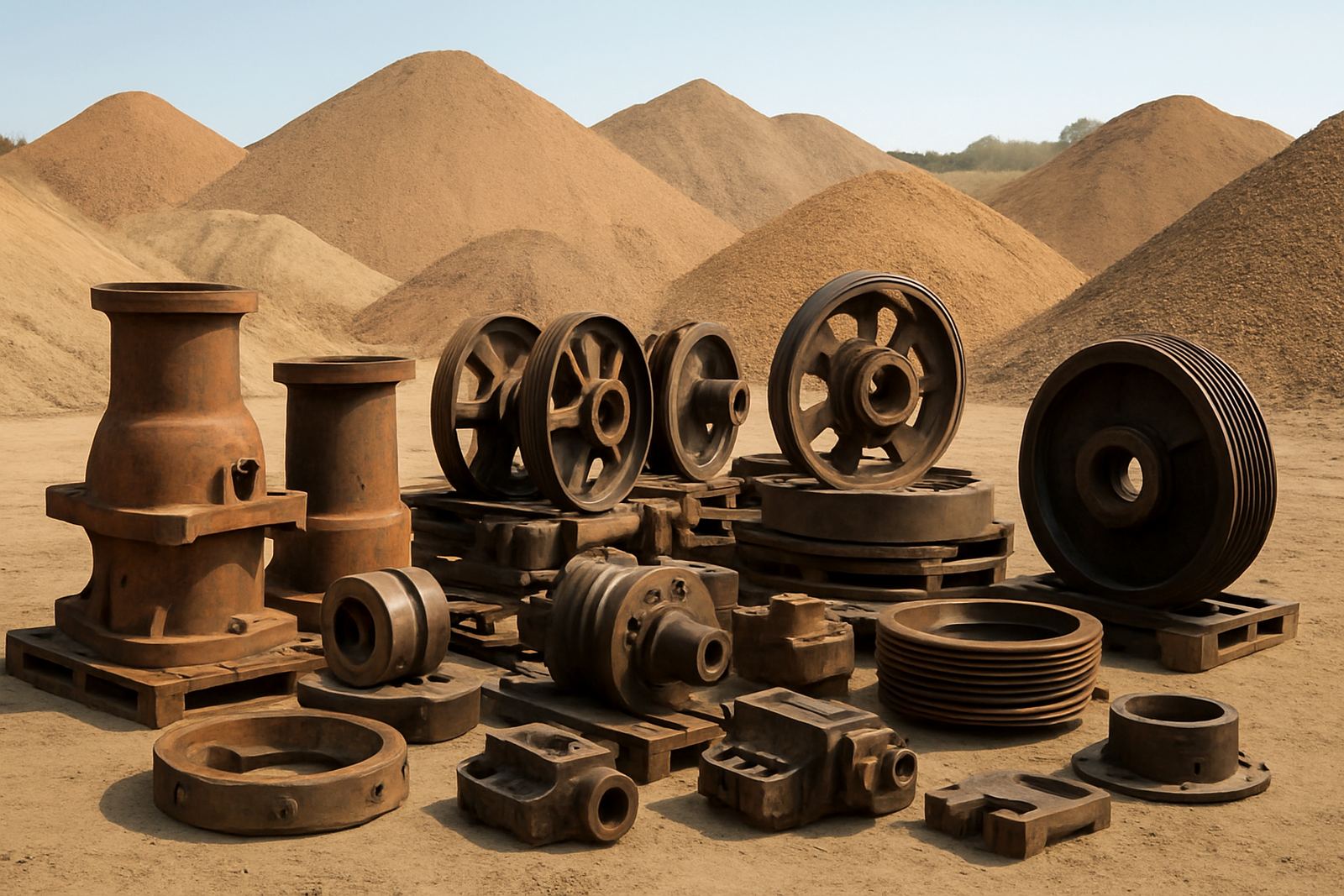
A better approach is to inspect the removed spares, store them properly, then move them through a managed exchange route. Palletising and packing helps protect the parts, while yard storage keeps them organised until collection or dispatch. When a team like ours manages the process from Middelburg, the exchange can be matched to the right buyer or seller without unnecessary handling.
This local model suits South African operating conditions. Long road distances, variable turnaround times and weather exposure all make it worthwhile to keep useful parts moving rather than sitting idle. It also supports local industry by keeping value inside the quarrying community instead of losing it in scrap too soon.
Keeping Stored Parts in a Usable Condition
Storage is often overlooked, but it can decide whether a part remains exchangeable. In a yard environment, serviceable spares need to be stored clean, labelled and off the ground. Where possible, they should be protected from rain, dust and direct sun. Bearings, seals and machined surfaces need particular care, especially in the Highveld where temperature swings can bring on condensation.
Proper handling also matters when parts are moved between quarries and mines. A damaged pallet or poor strapping job can turn a reusable item into scrap in one trip. That is why local collections, careful packing and fitment checks should form part of the same process, not separate steps done later.
- Store parts on pallets or racking, never directly on soil or concrete that holds moisture
- Wrap or cover machined faces and openings
- Mark each item with condition notes and source details
- Use secure strapping for transport over long distances
Even a small storage error can cost more than the part is worth. A slightly corroded surface may still be acceptable for exchange, but once contamination enters a bearing seat or sealing area, the item may lose practical value. Careful yard control prevents that loss.
A Practical Sustainability Habit for Quarry Management
Sustainability works best when it becomes part of daily maintenance, not a once-a-year report. Quarry managers can build this into shutdown planning, stock audits and replacement decisions. The team reviews what came off the plant, what can be inspected, what should be listed for exchange and what must go to scrap. That one routine can reduce waste and keep spare budgets under better control.
It also helps the wider operation. When the yard knows what is available, the sales and exchange process becomes quicker. When the inspection team logs condition properly, buyers get clearer information. When logistics are planned early, deliveries can reach sites from Secunda to Pietermaritzburg without unnecessary delays.
For quarries trying to run leaner, practical sustainability is not a slogan. It is careful reuse, honest assessment and moving serviceable parts to where they still have a job to do.
How Crusher Spare Exchange Supports the Cycle
Crusher Spare Exchange supports this process by listing surplus parts, inspecting condition, storing stock safely and moving serviceable spares between operations across South Africa. The team handles local collections, nationwide delivery, urgent spares search, shutdown sourcing and consignment sales from the Middelburg base. That gives quarries a cleaner route from surplus to reuse.
With a structured exchange process, business owners can make practical decisions instead of defaulting to scrap. That saves money, reduces waste and helps keep critical equipment available when production is under pressure. For a quarry, that is what sustainability looks like on the ground, not only on paper.
When parts are worth reusing, the best move is to keep them in circulation and get them to a site that can use them. It is a simple idea, but in heavy industry it makes a real difference.