Why the lubrication unit matters more than most buyers think
On a crusher, the lubrication system is not a side item. It feeds bearings, gear surfaces and other moving parts that carry heavy load all day. If oil flow drops even briefly, heat climbs fast and wear can start before the operator sees any warning. In Middelburg and the surrounding coal and stone operations, that matters even more because fine dust, vibration and load-shedding interruptions all put extra pressure on the machine.
When buyers look at used lubrication units, they often focus on the tank size and miss the basics. The real question is whether the unit can still maintain clean oil at the right pressure and temperature for the crusher it must serve. A cheap unit that fails under duty can cost more in downtime than a new one would have cost upfront.
A practical check is to ask where the unit came from, what machine it served, and whether it was removed because of a planned change or because it was giving trouble. That background helps you judge whether the wear is normal or a warning sign. It also helps with fitment checks, especially where the unit must match a jaw crusher, cone crusher or other plant arrangement.
Start with the tank, pump and oil path
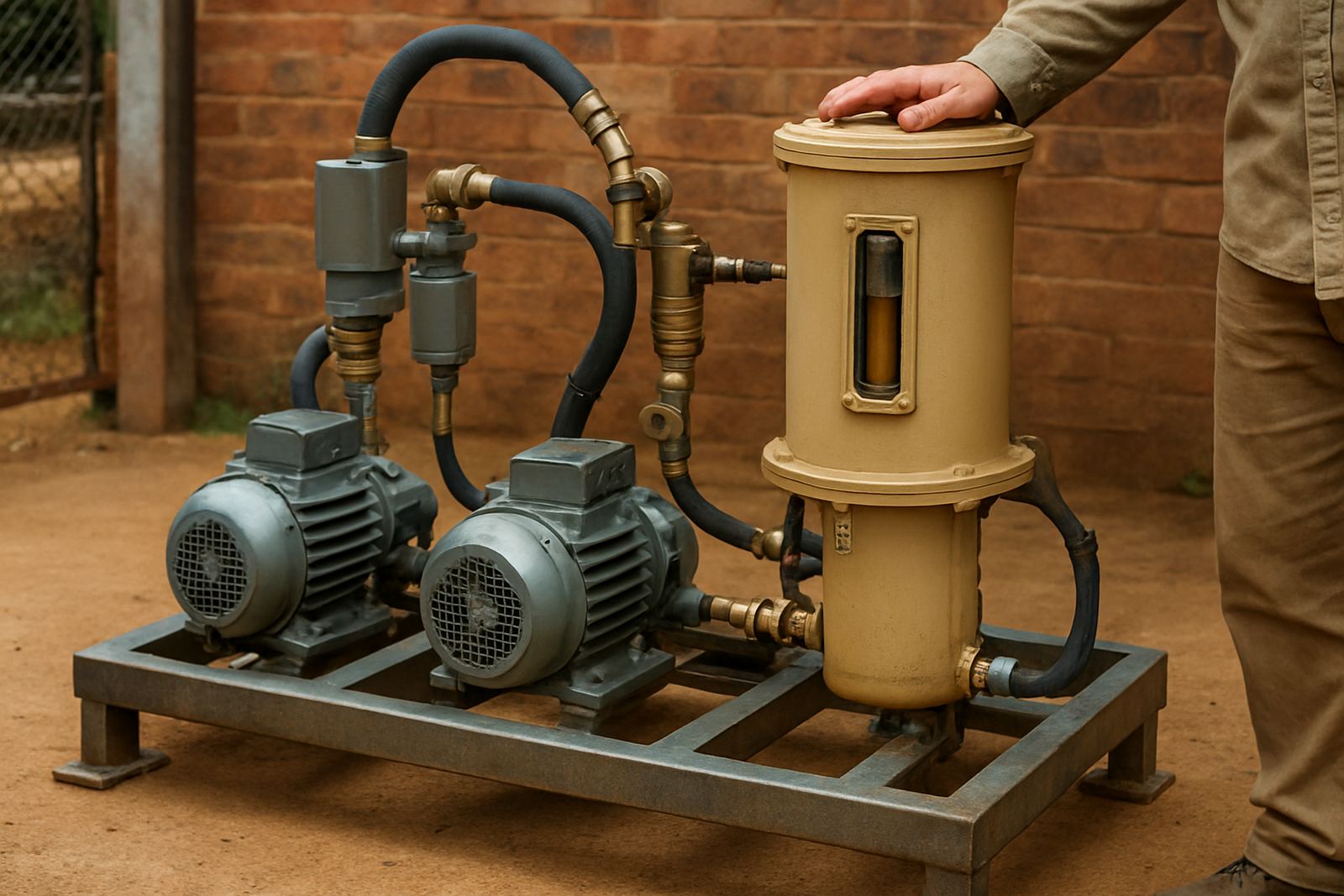
The first inspection should always begin at the tank and pump assembly. Look for dents, cracked welds, rust bleed and old sealant patches around fittings. In coastal areas such as Pietermaritzburg routes and some storage yards that see humidity, light surface rust can turn into deeper corrosion if the unit was left standing with old oil inside. A tank that looks tidy from the outside may still have sludge, water or metal fines inside.
The pump should turn freely by hand where possible and must not show scoring, excessive end float or noisy bearings. If the unit has been idle for a long time, the pump may still need testing under oil pressure before anyone signs it off. Check all hoses, unions and hard lines for kinks, pinched bends and worn threads. A small leak on a used unit can become a big one once the system is hot and vibrating on a working frame.
- Confirm the tank capacity against the crusher duty, not only the physical space available.
- Check for oil residue around the pump shaft, couplings and suction line joints.
- Make sure suction strainers and return lines are present and not blocked.
- Inspect sight glasses, level indicators and drain plugs for cracks or stripped threads.
Filters and coolers must still do clean work
Oil cleanliness is one of the biggest reasons a crusher survives shutdown after shutdown. A used lubrication unit should come with filters that are serviceable and housings that are not crushed, stripped or bypassed by old repairs. If the system has been running on dirty oil, the filter element alone is not enough to tell the story. Ask whether the unit has been flushed and whether the previous oil condition was monitored.
The cooler deserves equal attention. On hot inland sites around eMalahleni and Rustenburg, oil temperature can climb quickly in summer, especially where the plant runs long shifts. If the cooler plates are blocked with dust or the fan motor is weak, the crusher may still run but at a much shorter life cycle. Look for bent fins, leaking joints and signs of old coolant or oil mixing where they should not.
Buyers should also confirm that the unit has the right cooling arrangement for the site. Air cooled units can suit some layouts well, while others need a different setup because of dust loading or limited airflow around the skid. A unit that worked in one quarry may still need changes before it can handle a different operating rhythm in Secunda or Kathu.
- Ask when the filters were last changed and whether any bypass alarms were recorded.
- Check cooler cores for dust packing, bent fins and evidence of welding repairs.
- Confirm that seals, gaskets and hose ends are available for future maintenance.
- Look for any sign that the cooler was isolated during operation, which points to past overheating.
Pressure, flow and alarms tell you the real condition
A lubrication system can look acceptable and still fail on performance. That is why pressure and flow checks matter before purchase. Ask for test readings if they are available, and if not, plan a proper inspection before the unit moves. The pressure switch, gauges and alarm points should all be checked, because they are the first line of warning when something starts to go wrong.
On a crusher, flow must be steady not just present. A weak pump can still show some circulation while starving a critical point under load. Pressure relief valves should operate correctly and not stick. If the system has electrical control panels or sensors, confirm that all indicators, switches and wiring are intact. Loose wiring and poor terminations are common on used equipment and can cause false trips during a busy shift.
In South African quarry conditions, operators also need a unit that recovers properly after a stop start cycle. After load-shedding or an emergency stop, the system should return to normal lubrication without delay. If the oil takes too long to build pressure, the crusher may be running in a risky state during restart. That is why a simple look-over is not enough.
Match the unit to the crusher and the site
Used lubrication units are best bought with a clear fitment plan. The unit must suit the crusher type, the oil volume required and the space available on the plant. A unit intended for a smaller machine may not hold enough oil or cooling capacity for a higher duty setup. A unit that is too large may be awkward to mount and service, especially where the plant layout is tight or the skid has been modified over time.
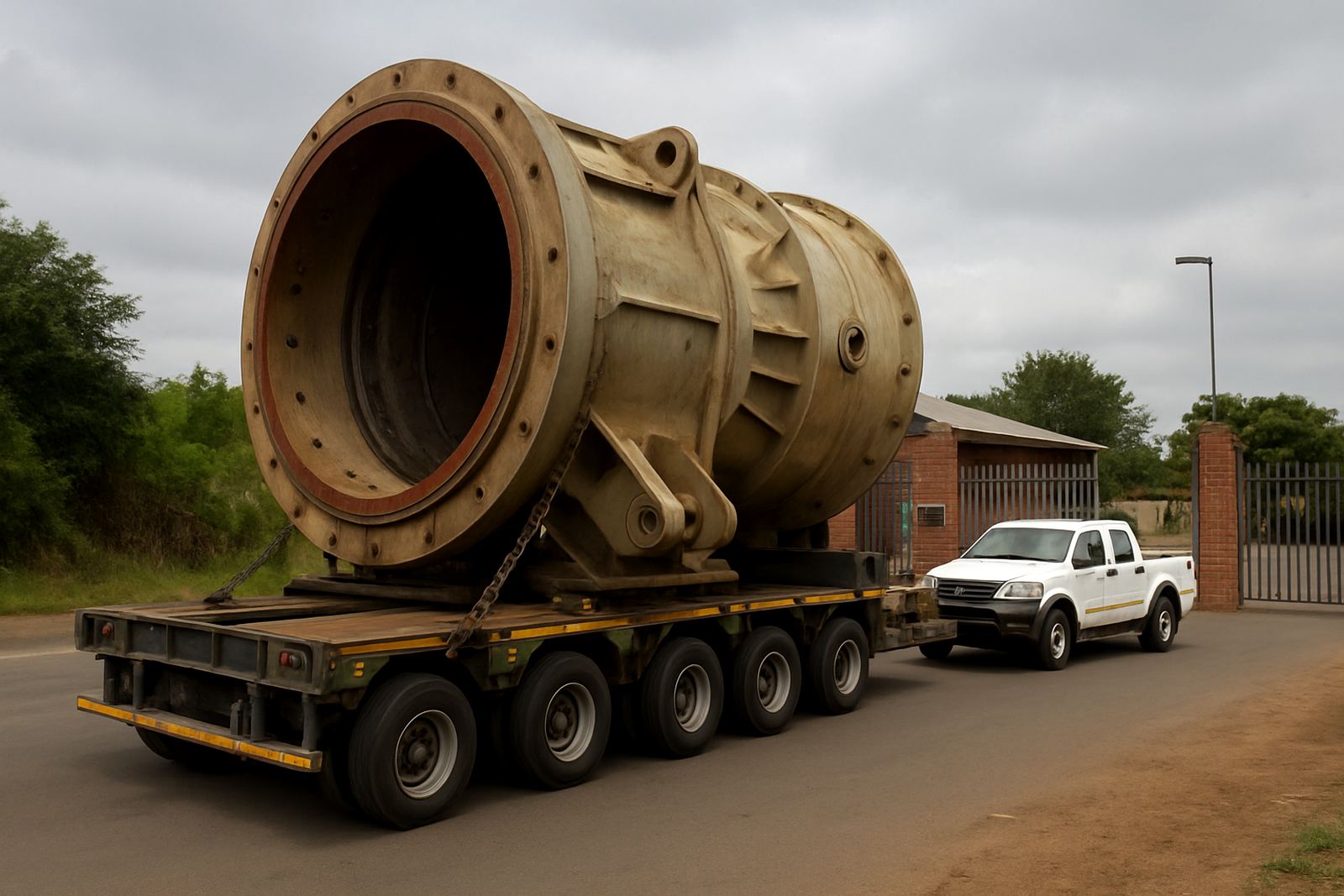
Think through the actual site conditions too. Dust levels, temperature swings, shift length and maintenance access all affect whether the unit will work well. In the Polokwane and Lydenburg regions, for example, access for service crews may differ from a central yard in Middelburg, so lifting points, palletising and packing become part of the buying decision. The same applies to mines that need urgent spares during a shutdown and cannot afford a unit that needs rework before installation.
Before final approval, the buyer should confirm:
- Required oil volume and pressure range.
- Cooling method and whether it suits the climate and duty cycle.
- Mounting space, lifting points and maintenance access.
- Compatibility with the crusher alarm and shutdown controls.
A Middelburg example from the exchange yard
A quarry outside Middelburg once needed a replacement lubrication unit for a cone crusher after a planned shutdown found the existing system badly worn. The team wanted something quickly, but the first unit offered had no confirmed pressure test and the return filter housing showed old damage. It looked usable at first glance, yet it would have created another stoppage once installed.
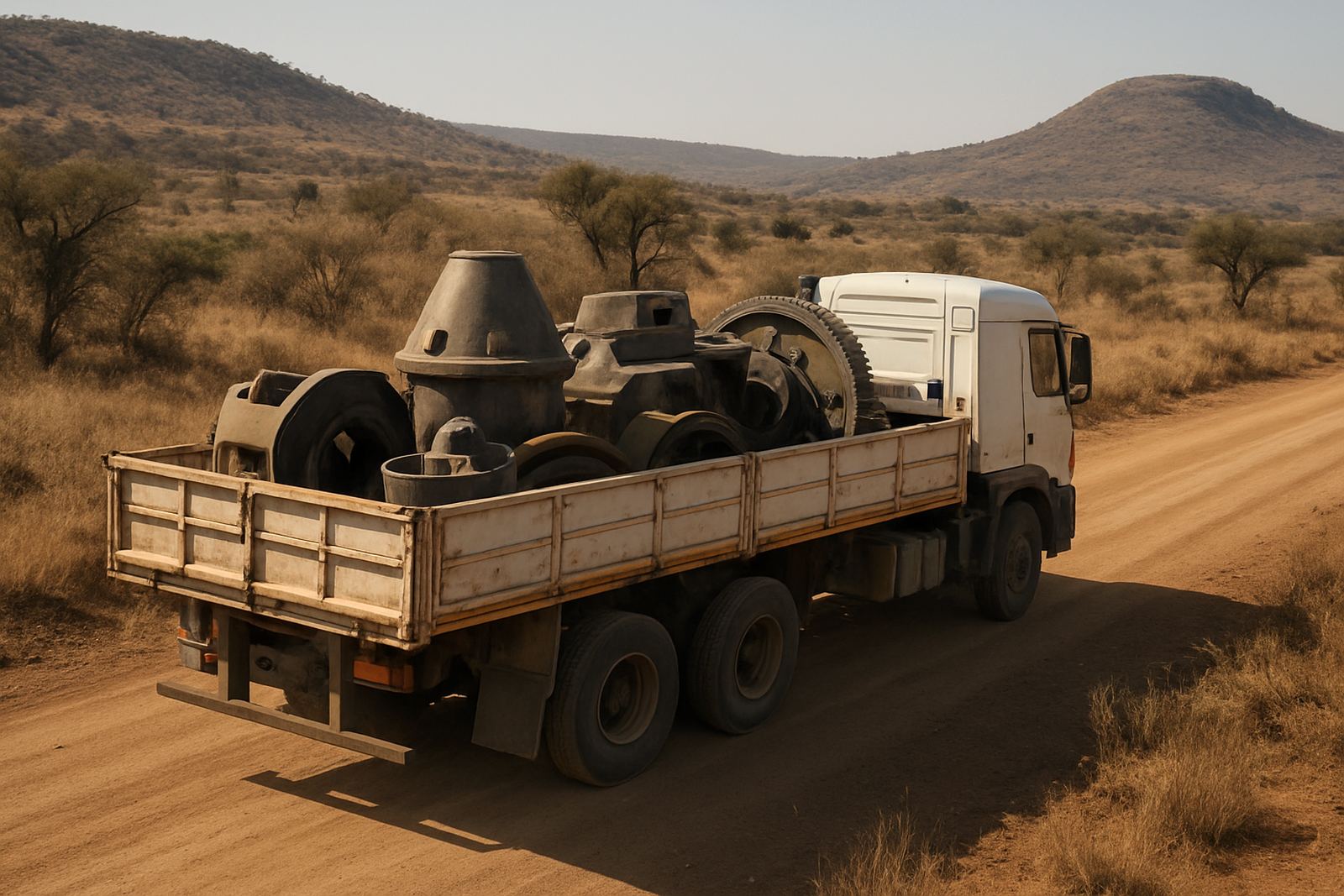
The better option came through a proper inspection and condition report. The tank was clean, the pump had acceptable readings and the cooler had been pressure checked before release. The unit was stored, palletised and delivered with the fittings tagged so the fitment crew could identify what needed to be connected on site. That saved time and kept the shutdown within the maintenance window.
This is the real value of buying used lubrication equipment the right way. It is not only about finding a part, it is about confirming that the part will do its job once the crusher starts up again. For mines and quarries working across eMalahleni, Rustenburg, Kathu or Pietermaritzburg, that sort of certainty can prevent a very expensive delay.
What to confirm before you release the order
Before any used lubrication unit leaves the yard, the buyer should have a clear record of condition, storage status and intended use. The best units are not the ones that simply look clean. They are the ones with known pressure, clean oil paths and proper control checks. If there is any doubt, ask for an urgent spares search or a fresh fitment review before collection.
Keep the following points on your checklist:
- Visible damage, corrosion and old repair work.
- Pump condition and pressure test results.
- Filter housings, cooler condition and oil cleanliness.
- Controls, alarms and restart behaviour after shutdown.
- Matching duty requirements for the crusher on site.
When these basics are confirmed, a used lubrication unit becomes a practical buying decision instead of a gamble. That is the difference between a unit that helps production and one that causes another stop.