Why Oversized Spares Need a Proper Move Plan
Large crusher spares are not ordinary freight. A jaw die, frame section, shaft, or mantle can be heavy, awkwardly shaped and expensive to damage. Once a part has been used, the surfaces may already have wear patterns, so a poor lift can knock the part out of spec before it reaches the next plant.
At our Middelburg, Mpumalanga base, we see that the real risk is not only the weight. It is the route, loading point, yard space, weather, and whether the receiving site has the right lifting gear ready. In winter, dust around eMalahleni and Secunda can make yards slippery. On the coast, Pietermaritzburg consignments may face damp conditions, so rust protection matters from the start.
The safest moves begin with a clear plan for the item, not just the truck. That means measuring the full length, width, height and centre of gravity, then matching that to the loader, trailer and offload point. If a quarry gate is tight or the road into a mine has low wires, the whole move changes.
Measure The Part Before You Book The Transport
Before anything leaves the yard, the part should be checked for dimensions, weight and any loose sections. A spare that looked manageable in storage can become difficult once packed on a pallet or lifted with slings. We always advise a physical inspection before collection, especially for cast parts or items with worn lifting lugs.
Good measurements reduce delays and help avoid overloading or permit issues. For some loads, the transport arrangement must allow for abnormal width or height, and on certain routes that can affect timing. Around Rustenburg and Kathu, where mine traffic is heavy, it also helps to know the delivery window so the truck does not arrive when the site is already congested.
- Measure the item at its widest and highest points, not only the main body.
- Confirm the estimated weight with a scale reading or previous records.
- Check whether the part can be stacked, turned or moved on its side.
- Note any broken edges, cracked ears or worn lifting points.
- Photograph the item before it leaves the yard and again after packing.
Packing That Protects Surfaces And Keeps The Load Stable
Packing oversized spares is about keeping the load stable and preventing contact damage. Metal-on-metal movement during a long trip can scar machined faces, bend brackets or loosen smaller pieces. If a part is going from Middelburg to Polokwane, or further to Kathu, the travel time alone makes secure packing essential.
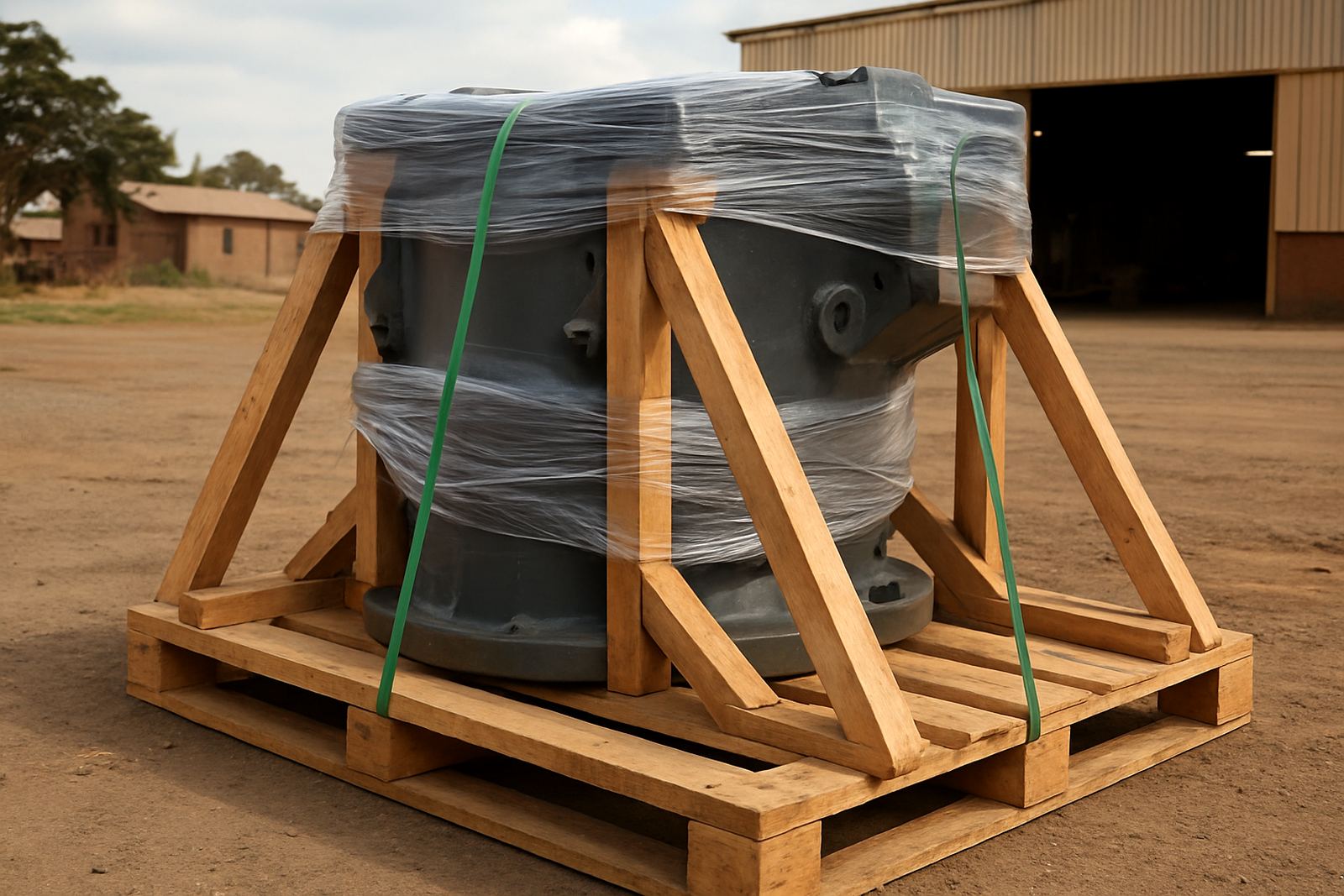
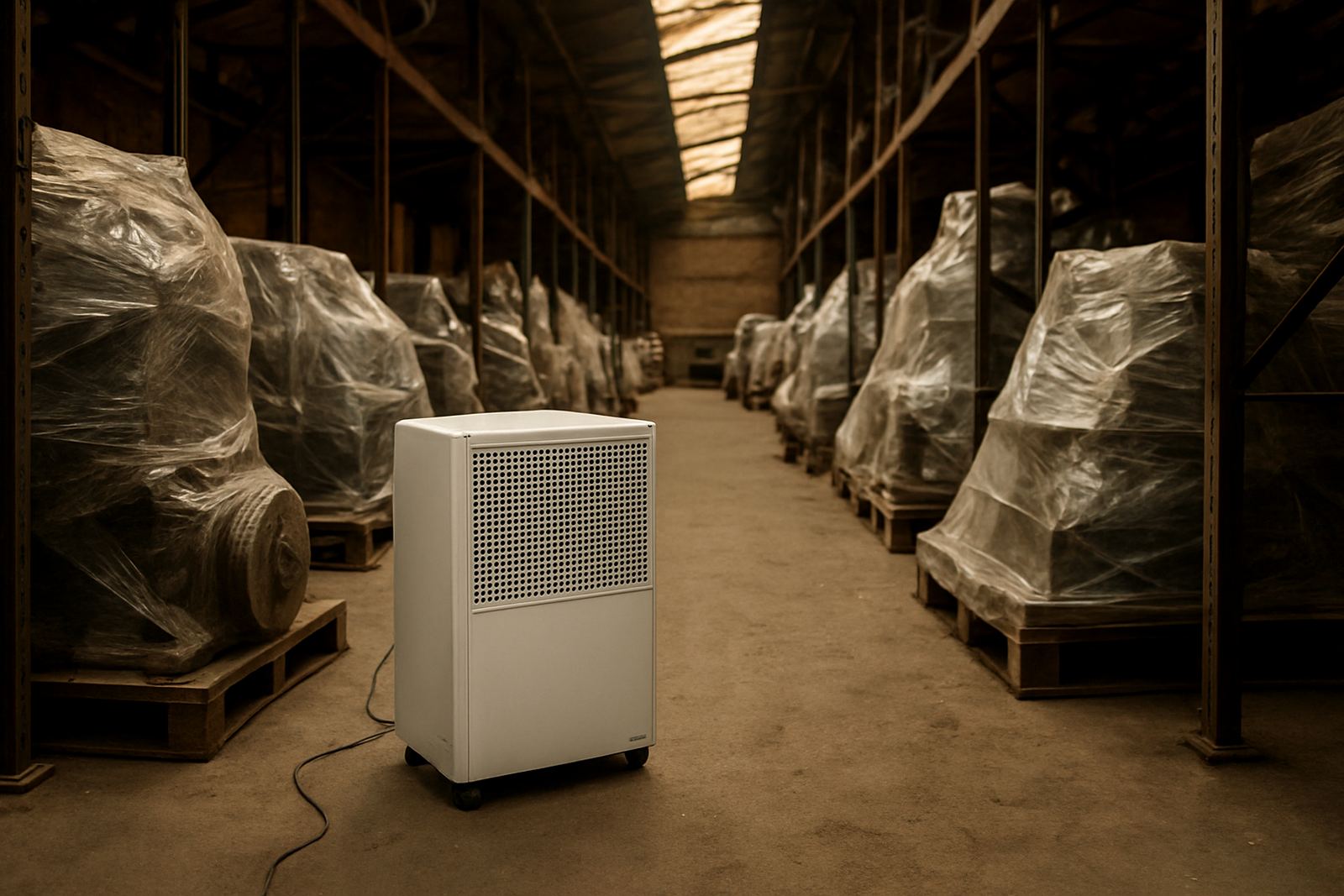
We use packing methods that match the condition of the part. Some pieces need timber dunnage, others need steel frames or pallet bases, and many need wrap to keep dust and moisture off the surfaces. In coastal humidity, even a short wait in the yard can lead to surface rust if the part is left open. A simple covering can save a lot of rework later.
For crusher spares that still have service value, the aim is to protect the usable face. For scrap or exchange items, the aim is different: keep the bundle safe for handling without making the load bulky or unstable. That is why the packout must be decided before the truck arrives, not after.
- Use timber or steel supports to stop the part from shifting.
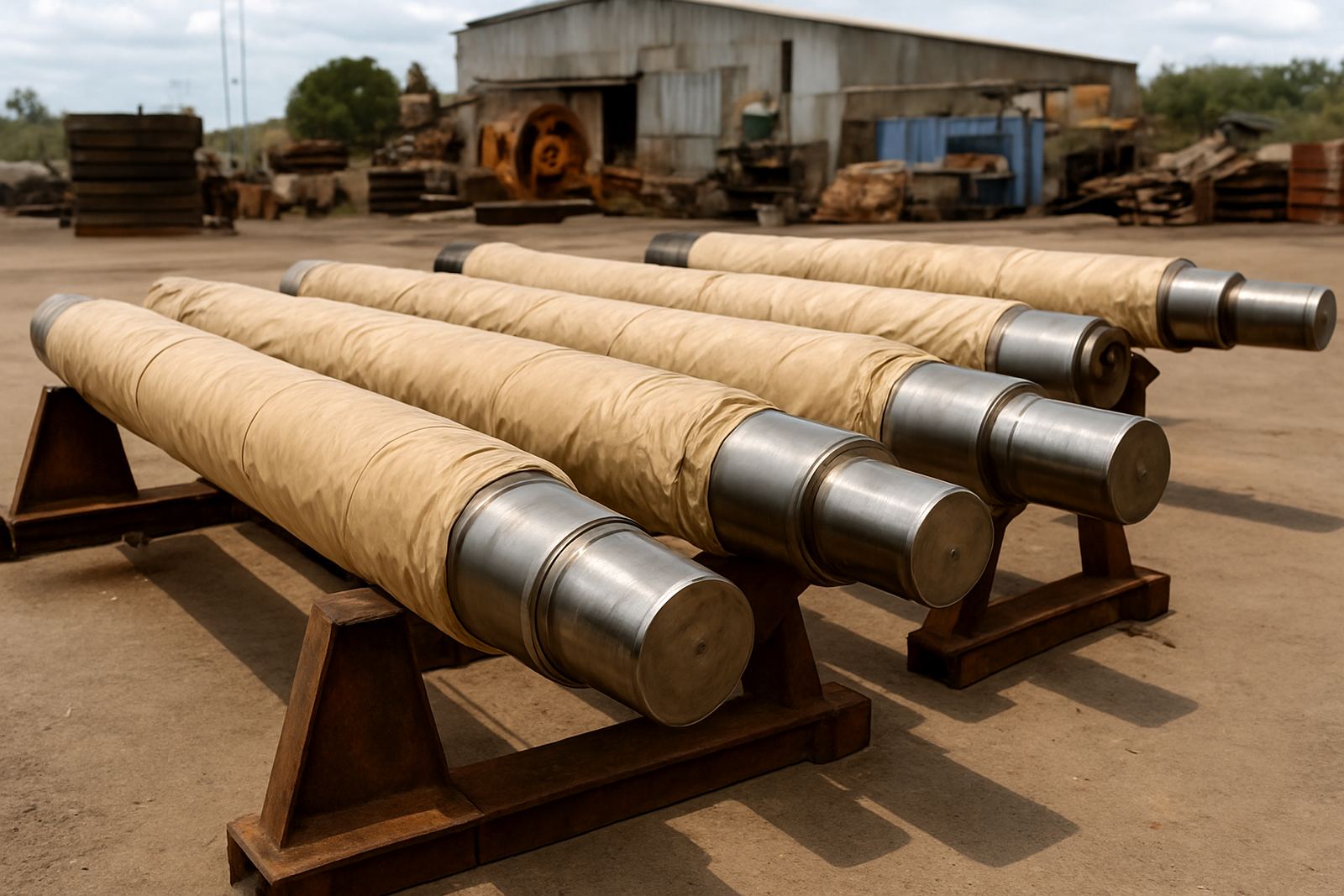
- Separate wear surfaces with cardboard, rubber or wrap where needed.
- Label loose components clearly for site staff at the receiving end.
- Keep bolts, pins and smaller parts bagged and marked.
- Make sure straps do not bear on brittle or machined edges.
Lifting Gear And Yard Space Must Match The Job
A moving plan can fail in the yard if the lifting gear is wrong. Oversized spares often need a fork with the correct capacity, a crane, or a combination lift. The yard surface also matters. If the ground is uneven or soft after rain, the loader may sink or tilt during pick-up. That is a real issue in parts of Mpumalanga where afternoon storms can turn a clean yard into mud quickly.
At our storage and handling areas, we plan the move around the actual access point. If a pallet has to pass through a narrow gate, the route inside the yard must be cleared first. If the part is being transferred between quarries, both ends must be ready. Too many delays happen because one site has the crane booked, but the other site has not cleared the laydown area.
Our inspection and storage teams work together so the load is not just moved, but moved in a way that suits the next stage. That matters for shutdown sourcing too, where a delay of even a few hours can affect plant uptime and shift planning.
Route Planning Across South Africa Matters More Than Many Buyers Think
Route planning is not paperwork for the sake of it. A load moving from Middelburg to eMalahleni is a different exercise from a load bound for Pietermaritzburg or Polokwane. Roadworks, bridge limits, traffic at mine access roads, and local delivery hours all need checking before departure.
We also look at the practical side. Can the truck turn inside the receiving yard? Is there enough space to reverse without dropping the load? Will the site need a smaller vehicle for the last leg? These questions save time and reduce handling, which is where many spares get damaged.
For local quarries, the best moves are often the simplest ones: one clean lift, one secure load, one direct offload. When the route is well planned, the part arrives ready for fitment checks instead of arriving with bent edges, damaged threads or missing hardware.
A Middelburg Example: Moving A Heavy Spare Between Sites
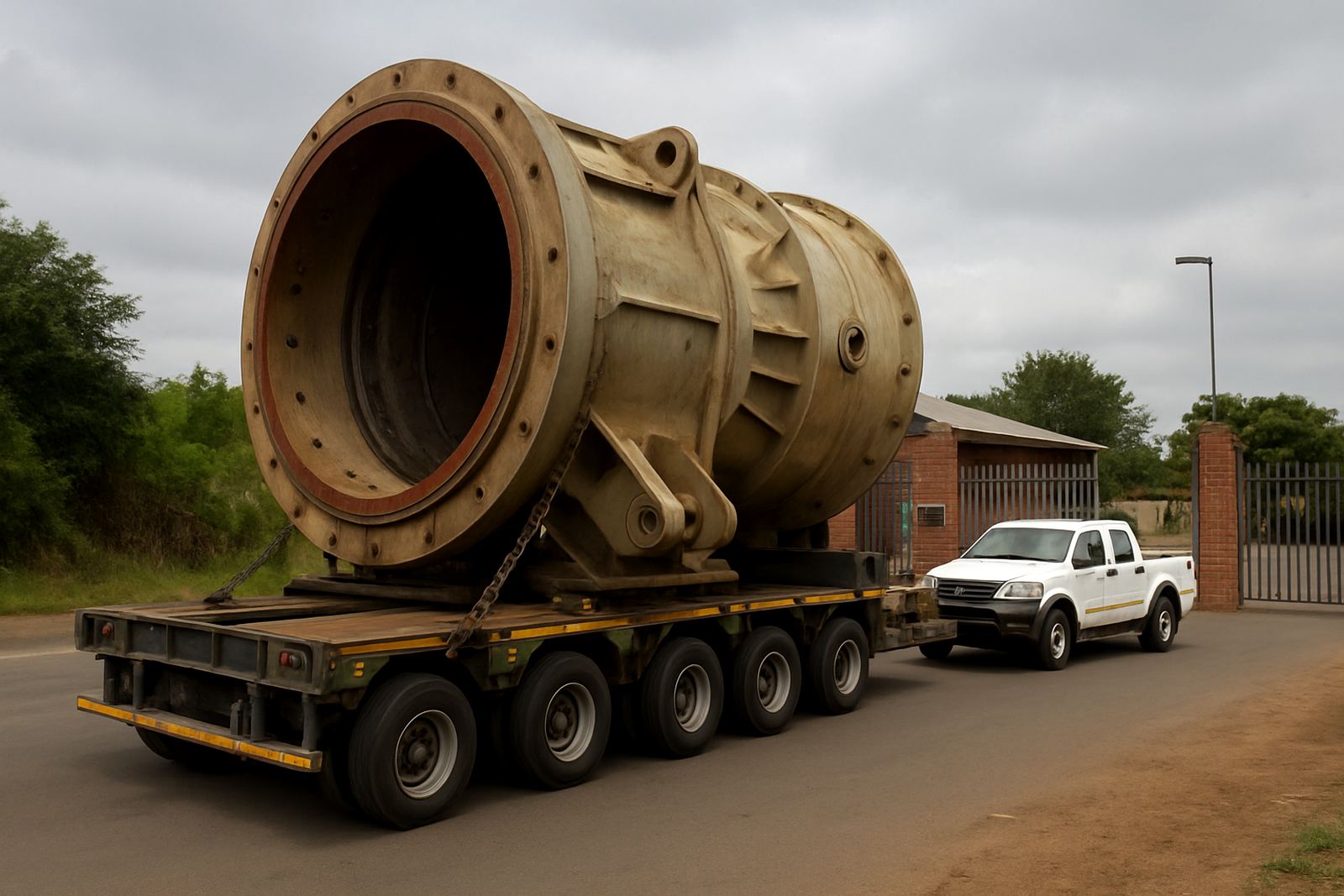
A recent Middelburg-to-Rustenburg exchange involved a large crusher spare that had to be inspected, packed and moved between two active sites. The receiving quarry needed it quickly because a shutdown window had been booked and there was no room for a late delivery. The part was measured, photographed and checked for wear before it was released.
Because the item had awkward lifting points, the yard team prepared a timber base and marked the handling points clearly. The truck was booked only after both sites confirmed access times. That simple sequence prevented double handling and kept the load stable on the road. No drama, no rushed handover, just a clear exchange that suited both operations.
That kind of move is common across our routes into Secunda, Lydenburg and the wider Mpumalanga corridor. The lesson is straightforward: oversized spares move best when inspection, storage and delivery are treated as one process, not three separate jobs.
What To Check Before You Release The Load
Before a large spare leaves the yard, a final check should be done by the people handling the exchange. This is where small issues can still be caught. A loose tag, an unstrapped bolt bag, or a cracked pallet board can turn into a problem on the road. It is a simple step, but it avoids costly surprises.
- Confirm the item matches the inspection report and photographs.
- Check the packing is tight and the straps are in the right place.
- Make sure the receiving site knows the offload method required.
- Confirm who will sign for the load at collection and delivery.
- Keep the delivery note and condition report with the shipment.
For quarries that trade spares regularly, this process becomes easier with practice. The goal is not paperwork for its own sake. It is to make sure a valuable crusher spare is not turned into a handling problem somewhere between the yard and the plant.