
Why Rust Starts So Quickly On Crusher Spares
Crusher spares spend their working lives around dust, vibration, wash water and mineral fines, so once they come out of service they are already carrying a fair amount of surface wear. In Middelburg and across the Highveld, the first real problem is often not a broken part but moisture. Night-time temperature drops, cold mornings and summer rain all leave condensation on steel, and that film is enough to start rust on exposed faces, threads and machined edges.
Surplus parts are especially vulnerable because they are not always stored with a clear next use in mind. A mantle may be stripped and stacked next to a set of bearings, while a shaft or liner sits on bare concrete. If there is no routine for cleaning, tagging and covering, the part can be hard to value later. Rust is not only a visual issue. It can affect measurements, mounting surfaces and the confidence of the buyer when the item is listed for exchange or sale.
The First 24 Hours After Removal Matter Most
The best time to control corrosion is before a spares pallet leaves the plant. The first day after removal should be treated as the preservation window. Remove loose material, wipe down grease points and block any open ends or bearing housings. If a part has been washed, let it dry fully before wrapping it. Packing a damp component is one of the quickest ways to trap moisture and create pitting under the covering.
For quarries and mines in eMalahleni, Rustenburg or Lydenburg, where weather can change quickly, it helps to assign a simple intake routine. A small team can do the basics in under 15 minutes per item and save a lot of rework later.
- Brush off dust, slurry and old grease before storage
- Dry all surfaces, especially bolt holes and machined faces
- Apply a light protective coating where suitable
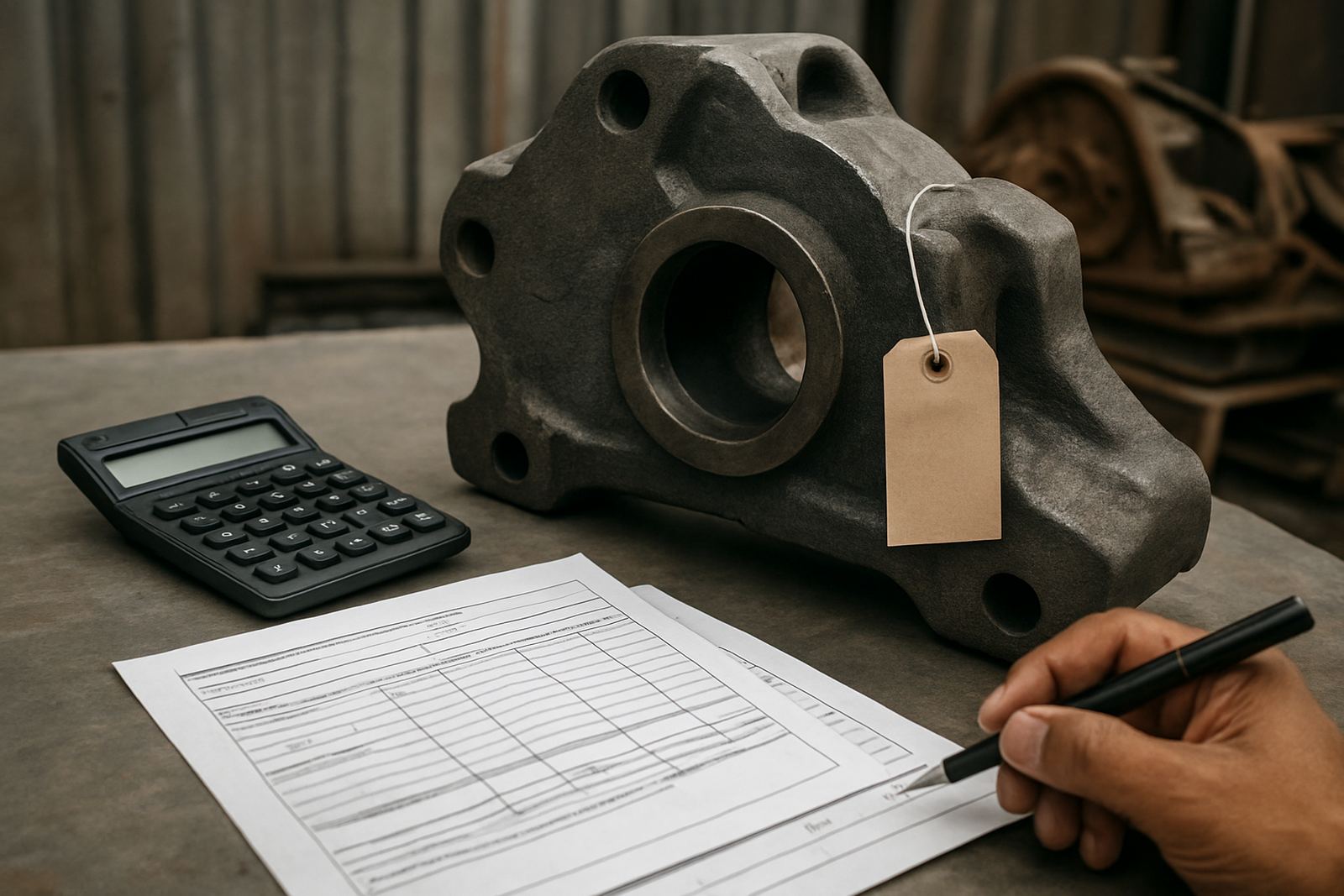
- Tag the part with size, machine type and removal date
- Photograph the item from several angles for future condition checks
Store Heavy Components Off The Floor And Out Of Standing Water
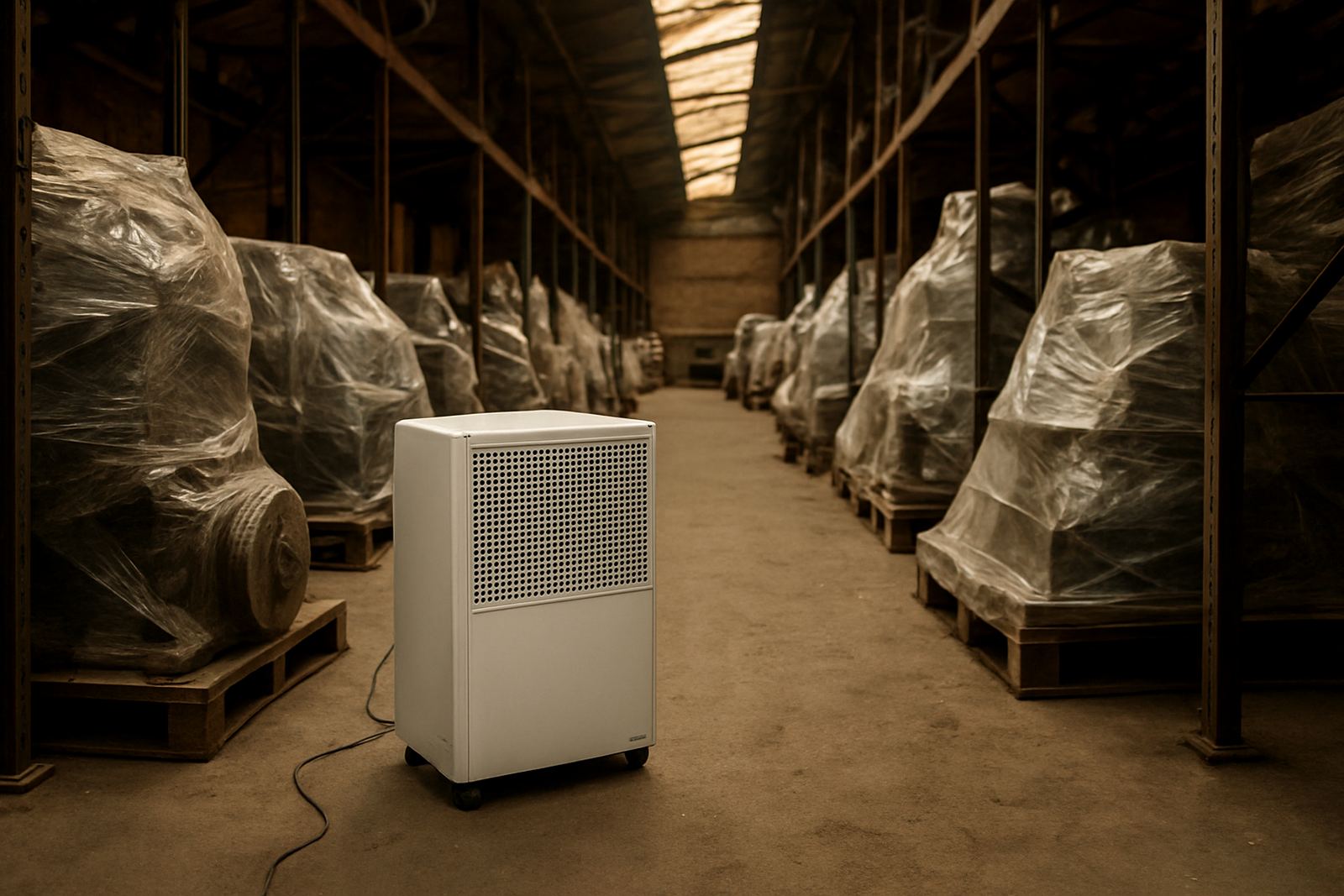
Concrete floors may look clean but they often pull in moisture, especially in older yards and sheds with poor drainage. A crusher component sitting directly on the slab can rust from below even when the top looks fine. That is why timber runners, steel stillage frames and pallets are so useful. They keep parts off the ground, allow airflow and make forklift handling easier.
In coastal or humid inland periods, a covered yard is not enough on its own. Air movement matters. Parts should be spaced so that water does not sit between faces. If items are packed too tightly, one damp piece can affect the next one and the corrosion spreads faster than people expect. Good spacing also helps with stock counts and inspection access when a buyer asks for a condition report.
- Use raised racks or pallets rather than bare floor storage
- Keep at least a hand-width between stacked steel faces
- Place heavier items lower down to reduce handling damage
- Check that yard drainage moves stormwater away from stored stock
Packing Methods That Help During Load-Shedding And Long Holds
Storage periods can stretch out when shutdowns are delayed, equipment waits on approvals or load-shedding slows the workshop. That is where better packing pays off. Covered wrapping should protect against dust and moisture but still allow the item to breathe enough to avoid trapped condensation. For machined or polished surfaces, use clean wrapping materials and separate metal contact points so one component does not rub against another.
For long-term holding, fitment surfaces and threads should be protected with suitable grease or oil where appropriate. Open ports should be sealed. If a part has been boxed, label the outside clearly so you do not need to unwrap it every time someone asks for a stock check. A clear label is a small thing but it reduces handling and handling is where a lot of damage starts.
- Wrap in a way that stops dust but does not trap wetness
- Seal openings and threaded ends before the item goes into storage
- Keep small fittings together in marked bags or containers
- Use bold labels with part description, size and condition notes
- Recheck wrapped stock after heavy rain or high humidity
How Inspection And Condition Reporting Protect Exchange Value
When surplus crusher spares are being listed for exchange or consignment, a clear condition record makes a real difference. Buyers want to know whether a part is clean, lightly used, repaired or only fit for scrap versus exchange. Rust control supports that process because it keeps the item measurable and easier to assess. If corrosion has already started, it is important to note where it is and how deep it appears to be.
At Crusher Spare Exchange, inspection and condition reporting are part of the practical value chain. A seller in Secunda might have a spare set of parts that has been sitting through winter. A clear report can show what is still usable, what needs cleaning and what should be removed from the exchange path. That keeps the process fair and saves both sides from wasted freight and avoidable disputes.
A Middelburg Yard Example That Shows The Savings
A local quarry outside Middelburg once held a set of surplus crusher spares in an open corner of the yard after a shutdown. The parts were sound but they were left on the floor with only light covering. After a wet spell, surface rust appeared on the contact edges and one item picked up staining around a bolt area. The team had to spend time cleaning, re-photographing and re-checking the measurements before the parts could be offered again.
After that, they changed the storage habit rather than the stock. The components were lifted onto stillages, tagged on arrival and kept under cover with better spacing. The next batch stayed in better condition for months and moved through exchange faster because the inspections were cleaner. It was not a big capital fix, just a more disciplined yard routine.
- Lift stock off the ground before the first rain cycle
- Separate new arrivals from older items needing review
- Keep a simple storage register for every part moved into the yard
- Review stock after each major weather change
Simple Habits That Keep Surplus Spares Ready To Move
Rust control storage does not need fancy systems. It needs consistency. A clean, dry, labelled and raised storage area will protect most crusher components better than a crowded shed with no routine. For quarries and mines across South Africa, especially where humidity, dust and shutdown pressure all work against you, these habits protect value and reduce waste.
When surplus spares are stored well, they are easier to inspect, easier to pack and easier to move between sites from Polokwane to Pietermaritzburg. That means fewer surprises when a buyer asks for a fitment check or urgent spares search. Good storage keeps the option open, and in this industry that option has real Rand value.