
Why used crusher spare pricing is never one-size-fits-all
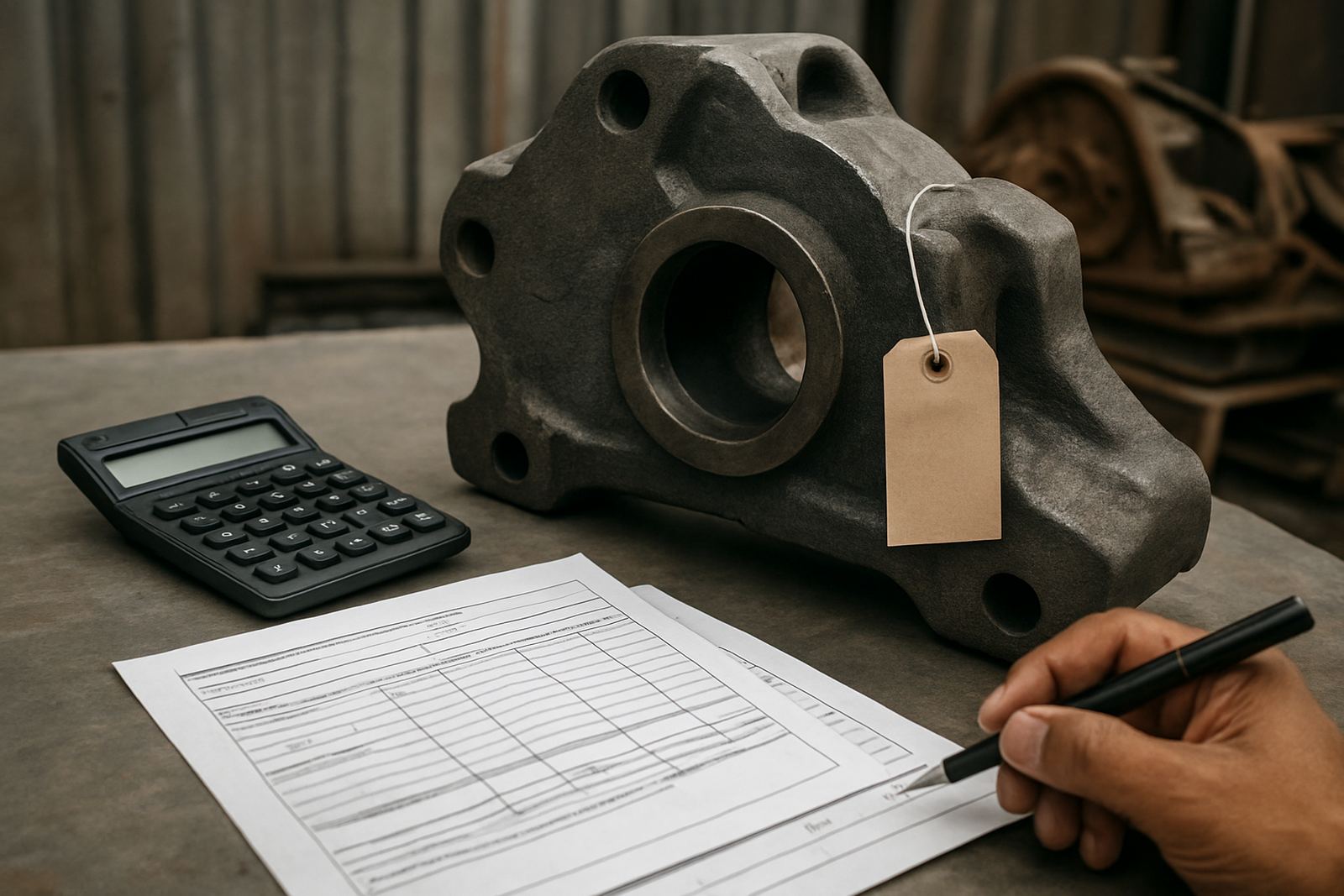
At Crusher Spare Exchange in Middelburg, we see the same part priced differently from one job to the next because the market is not driven by a single catalogue figure. A spare that is common, clean and ready to fit will usually hold its value better than a part that needs rework, has wear on key faces or comes without clear identification.
That is especially important for quarries and mines across South Africa, where a shutdown can cost far more than the part itself. If a crusher is sitting idle in eMalahleni, Rustenburg or Kathu, the real question is not only what the used part is worth, but what delay will cost if the wrong spare is bought.
Three pricing factors that matter most on the yard
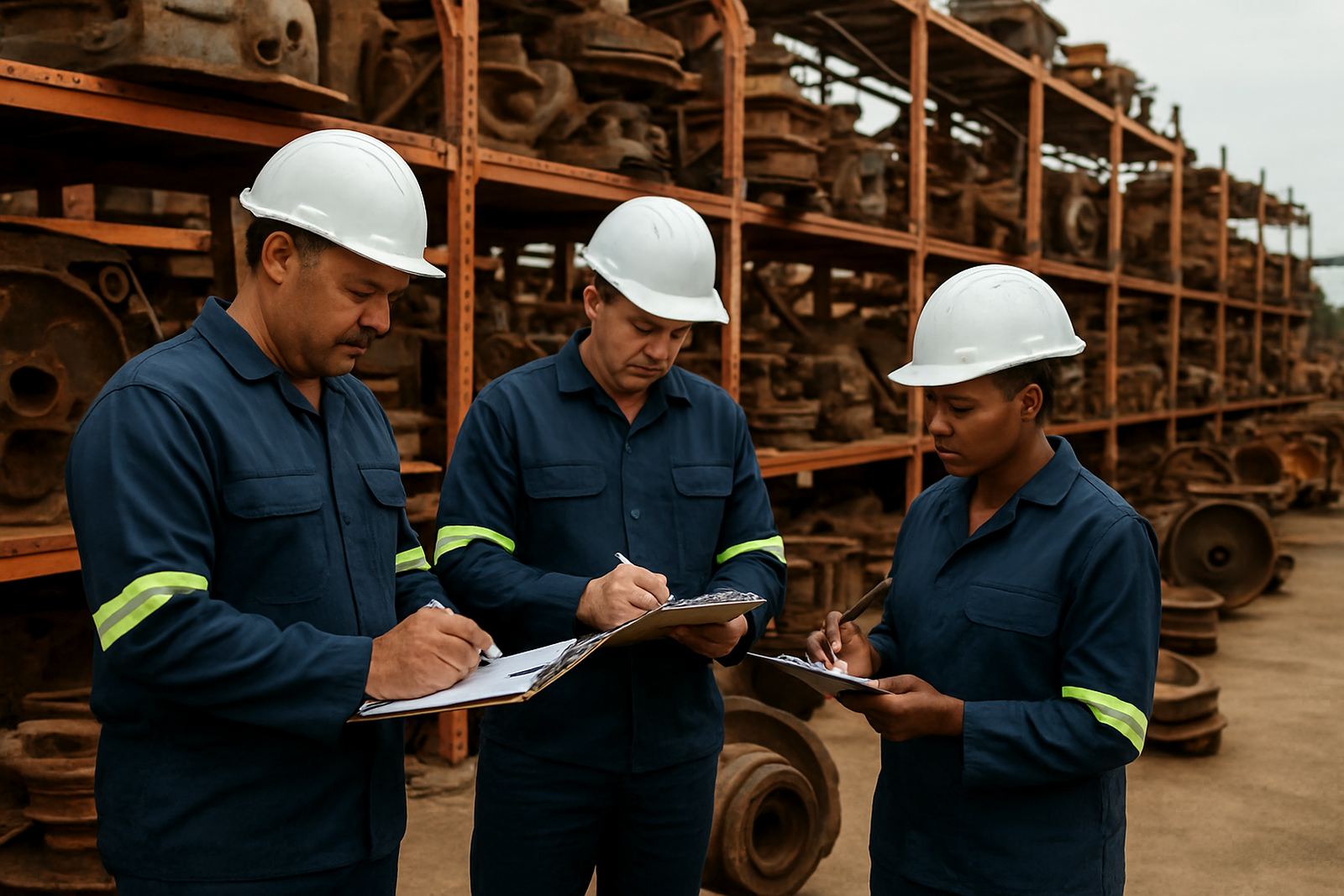
When we inspect surplus spares, we look at the same practical points every time. This keeps the exchange value grounded in real use, not guesswork.
- Condition: visible wear, cracks, machining marks, seized threads, bent sections and missing fixings all affect value.
- Scarcity: some parts are easier to source in the market, while others are needed urgently and appear only once in a while.
- Urgency: if a plant needs a part for a shutdown, the value of immediate availability is higher than a part that can sit in storage for weeks.
- Fit confidence: a spare with clear dimensions, part markings and inspection notes is easier to price fairly than an unidentified item.
We also consider whether a part is fit for exchange as-is, or whether it should be classed as scrap for metal recovery. That distinction matters, because a useful spare and a scrap item should never be priced the same.
How inspection and condition reporting protect both sides
Proper inspection helps prevent arguments later. A buyer needs to know if a jaw die, mantle, bearing housing or shaft component has enough life left to justify the price, while the seller needs a fair record of what was handed over. Our inspection process is based on photos, measurements, visible wear and practical notes from the yard, not on hopeful assumptions.
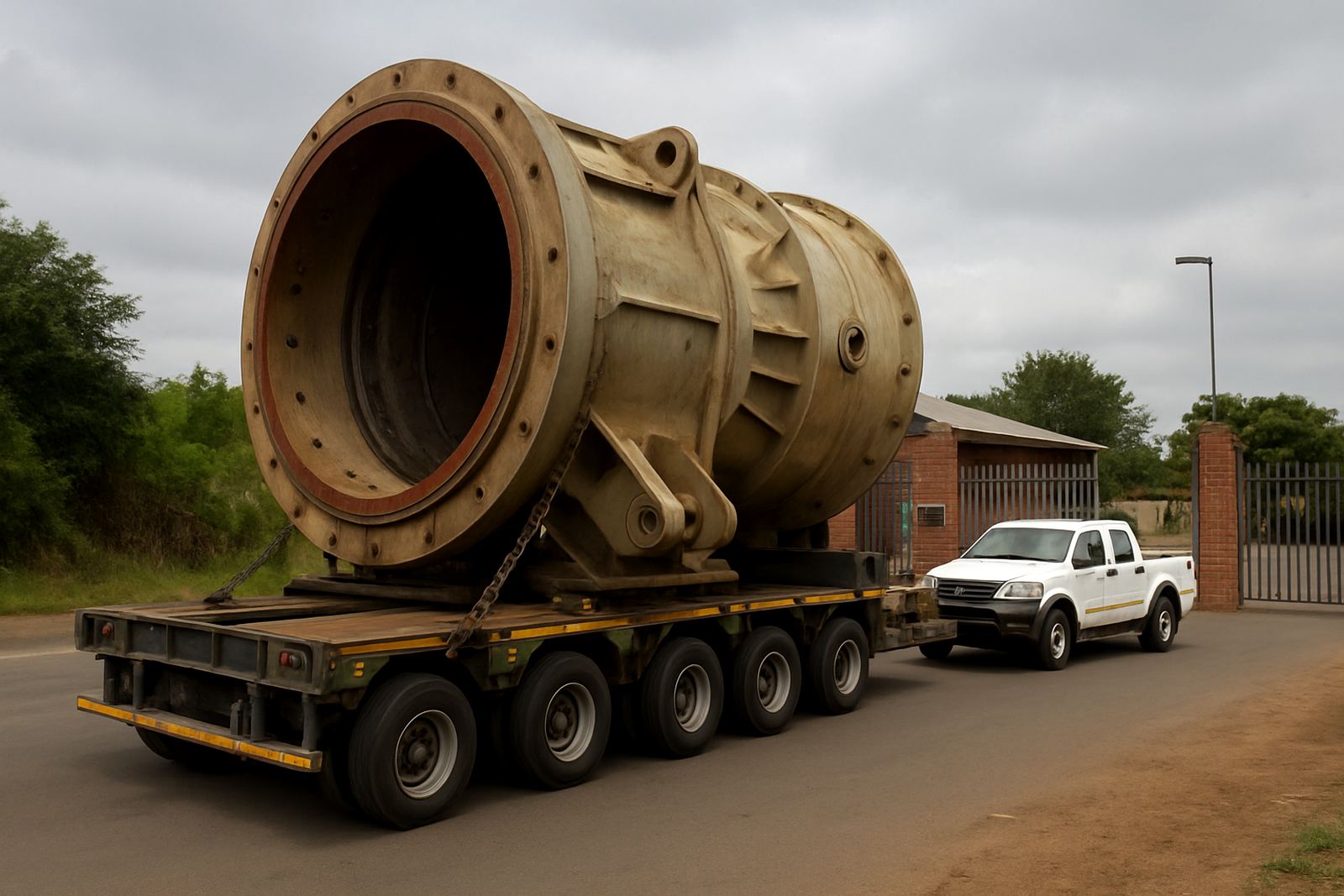
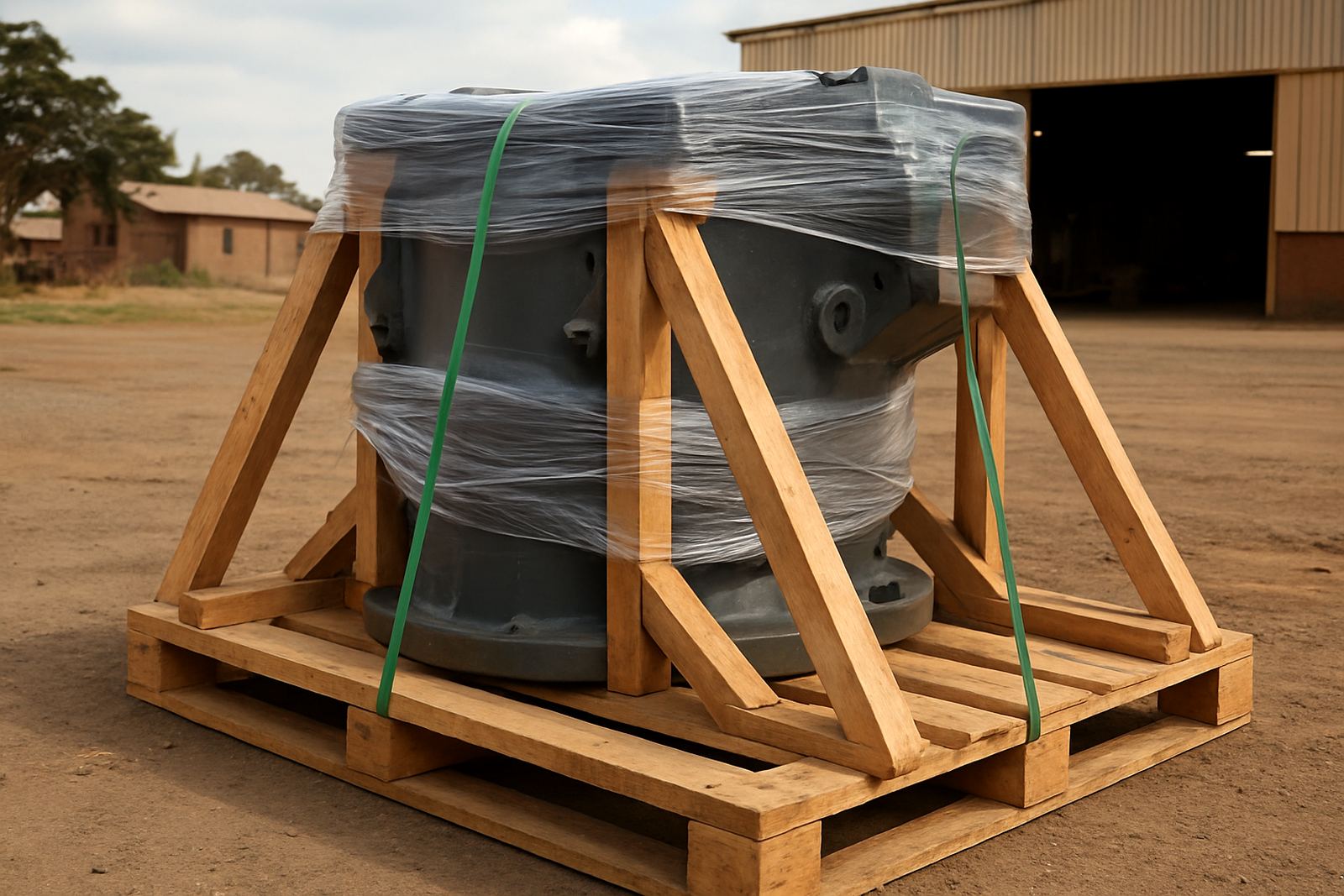
For used spares moving between Secunda, Lydenburg, Pietermaritzburg and our Middelburg base, condition reporting is also a transport issue. A part that is safe to palletise and wrap is easier to move than one that needs extra bracing or stripping before collection. That affects both price and handling cost.
- Record dimensions and identification marks before the part changes hands.
- Take clear photos of contact surfaces, mounting points and worn areas.
- Note whether the part was removed from active service or stored after shutdown.
- Separate usable exchange items from material that should be scrapped.
Scarcity in mining regions changes the exchange price
In places like Kathu and Polokwane, a spare may be more valuable simply because it is not easy to find locally. Freight, lead time and the availability of matching equipment all influence the exchange figure. A part sitting in a yard in Middelburg may be worth more to a mine 800 km away if it solves a problem today rather than in three weeks.
That does not mean every scarce part should be priced high without reason. It means the market should reflect the actual cost of delay, transport and downtime. During load-shedding periods, when maintenance windows are already tight, clients often need a part that can be inspected and dispatched fast. That speed has value, but it should still be backed by a clear condition report.
We often advise clients to think in terms of replacement risk. If the part is common and can be sourced from several suppliers, the exchange price should stay competitive. If it is uncommon, matched to a specific machine model, and needed for a planned shutdown, the price can move up because availability is limited.
Urgent spares searches and shutdown sourcing need a different lens
Urgency changes the conversation. A planned shutdown in Rustenburg is not the same as an emergency stoppage in eMalahleni. When a plant is down, the buyer is paying for speed, certainty and the chance to avoid further damage. In that case the price of a used spare often reflects not just the part itself, but the value of having it ready now.
That is why shutdown sourcing and urgent spares search work best when the brief is clear. If the client can give machine model, dimensions, wear limits and the delivery point, the pricing can be sharpened quickly and the right exchange option can be identified. Guessing usually leads to rejected parts and extra transport costs.
- Tell us the machine make, model and part description.
- Give the acceptable wear limit or the reason the old part failed.
- Share the deadline, especially for shutdown work.
- Confirm where the part must go and whether fitment checks are needed.
A Middelburg example: fair value beats cheap value
A quarry near Middelburg once needed a used crusher spare for a short shutdown window after rain and power cuts had already disrupted the week. A cheaper option was available farther away, but it needed cleaning, rechecking and extra freight. The part we found in our yard cost a bit more on paper, but it arrived inspected, palletised and ready for fitment. In the end the client saved time and avoided another day of lost output.
That is the point of practical pricing. A lower sticker figure is not always the better buy if the part arrives late, fails inspection, or needs repairs before use. For quarries and mines, the better exchange is the one that balances condition, scarcity and urgency with real operating cost. That approach keeps value moving between businesses and reduces waste at the same time.
When surplus spares are listed, inspected and stored properly, the market becomes clearer for everyone. Sellers know what they have, buyers know what they are getting, and the price reflects the real state of the part rather than a hopeful estimate. It is a straightforward way to keep crushers working and capital tied up in stock to a minimum.