Start With a Proper Yard Count Before Anything Moves
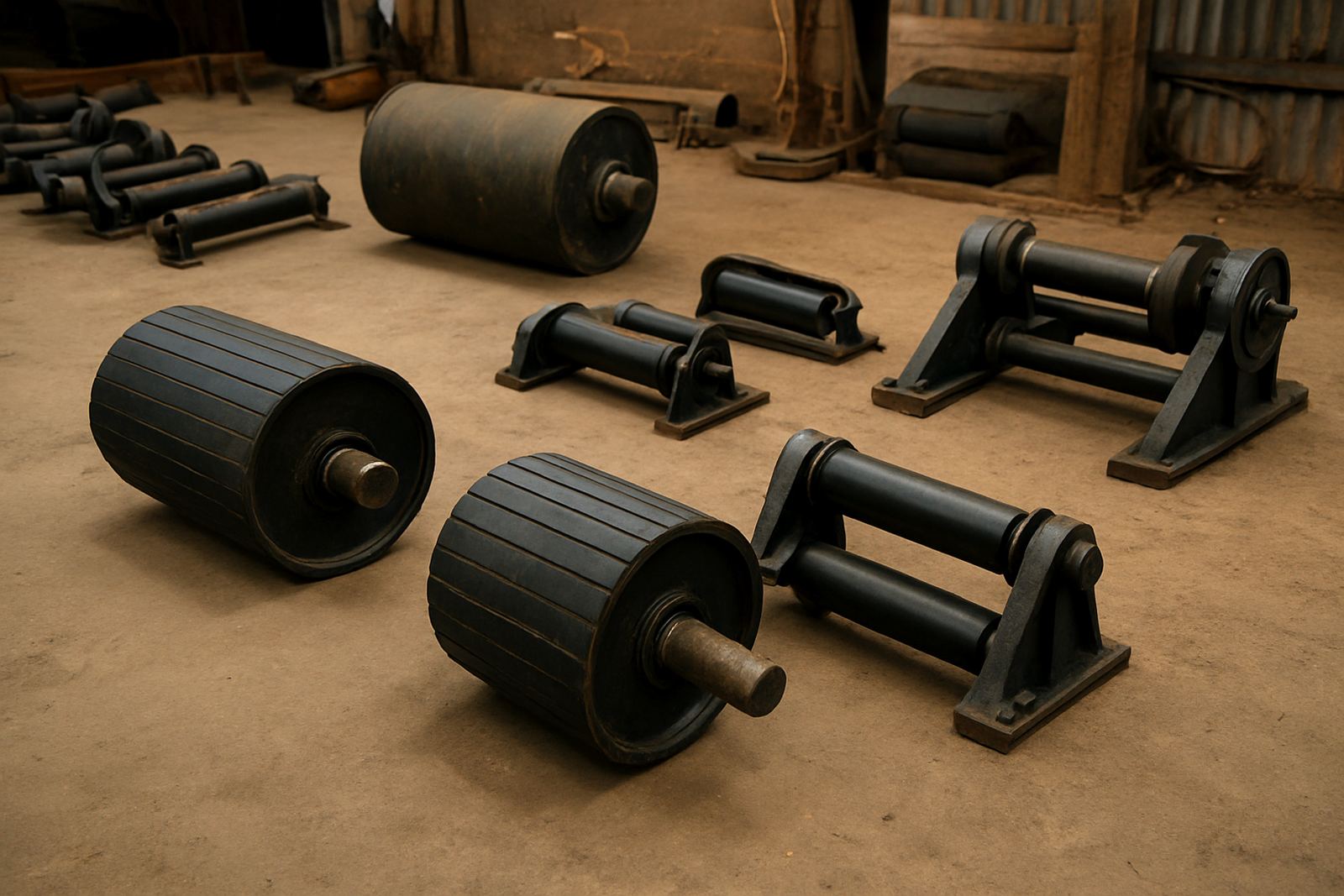
An audit begins with a full physical count of every surplus crusher spare in the yard, store room and container space. In Middelburg and across the mining belt, parts often end up spread between old pallets, racks and open ground, so the first job is to get one clean list with part names, sizes, quantities and where each item is stored.
Do the count when the yard is dry and light is good. Load-shedding, rain and dust can hide damage, while coastal humidity in places like Pietermaritzburg can leave parts with surface rust that needs a closer look. A good count should separate new stock from used spares, and record whether each item is boxed, wrapped, tagged or loose.
- Assign one person to count and one to verify.
- Mark each item with a temporary code.
- Record make, model, dimensions and quantity.
- Take clear photos of every side, especially worn faces and mounting points.
Check Condition Before You Decide to Keep or Release
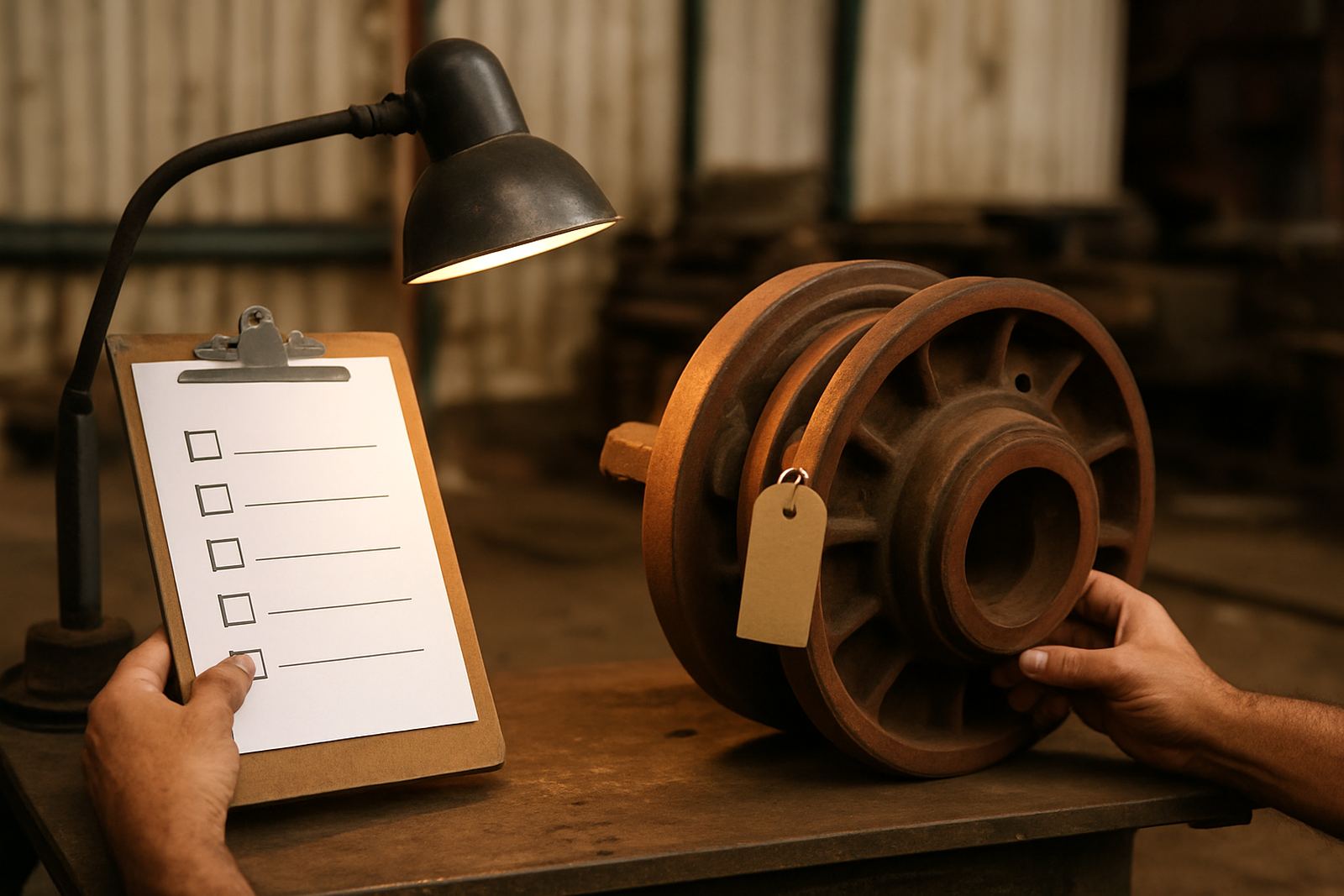
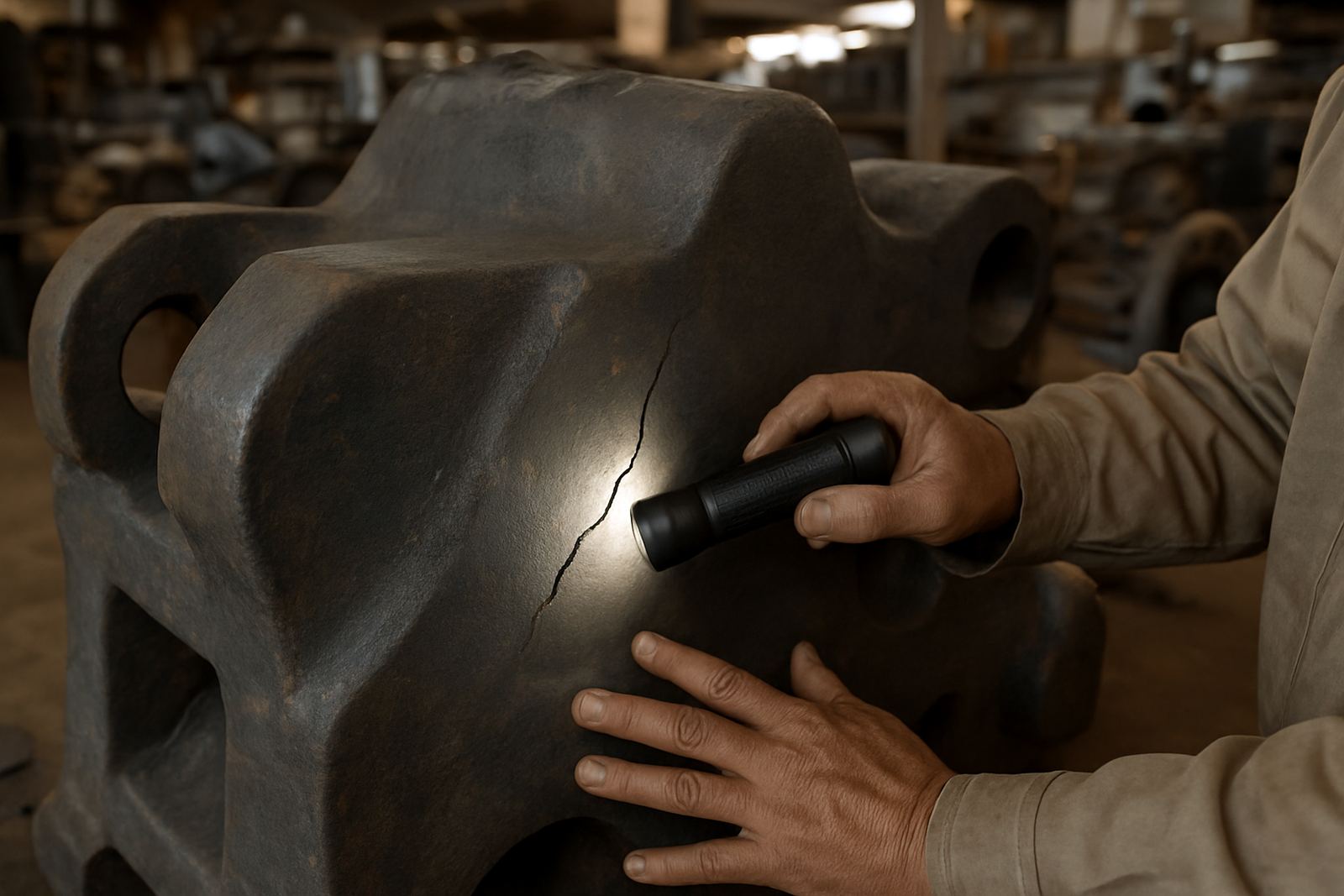
Once the stock is counted, each spare needs a condition check. That means looking for wear, cracks, stripped threads, bent sections, missing fasteners and heat damage. Crusher spares can look usable at first glance but still fail in service if a bearing seat is oval, a jaw die is worn unevenly or a bracket has hidden stress marks.
For exchange stock, condition reporting must be practical and honest. A part that is re-usable, repairable or suitable for a shutdown source should be marked separately from a part that is only fit for scrap. This makes it easier for buyers in Rustenburg, eMalahleni, Polokwane, Kathu and Secunda to compare options before a collection is booked.
- Check for corrosion, pitting and deformation.
- Measure critical wear points against the original size.
- Note missing bolts, seals, pins and inserts.
- Flag parts that need fitment checks before release.
Sort Stock Into Keep, Sell, Exchange or Scrap
The audit only becomes useful when every part is placed into a clear category. Keep the items that support current plant requirements, sell the surplus that still has value, offer exchange stock for the right buyer, and scrap only what has no sensible second life. This is where a quarry can recover value instead of letting old spares sit for years.
A useful rule is to look at serviceability, demand and storage cost. If a part is still common across nearby operations, it may move quickly through a consignment sale. If it is bulky and slow-moving, the yard space it uses may cost more than the part is worth. That decision is easier when the audit is done properly and not rushed after a breakdown.
- Keep: active plant spares and critical emergency items.
- Sell: good surplus stock with demand in the market.
- Exchange: used spares with enough life left for another quarry.
- Scrap: cracked, warped or uneconomical parts.
Match the Audit to Real Plant Needs and Shutdown Plans
An audit should not be a paper exercise. It should match what the plant actually runs and what the maintenance team expects in the next 3 to 6 months. If a crusher shutdown is planned, list the parts that must be on hand before work starts, including liners, fasteners, wear components and support items that are often forgotten until the last minute.
In many South African sites, urgent spares search is needed because an item sat in storage for years and was never logged correctly. A proper audit avoids that problem by linking each spare to a machine, a maintenance cycle and a planned inspection date. That saves time when a breakdown happens on a Friday afternoon and the whole site is waiting for one component.
Good audit records also help when supply is shared between branches such as Lydenburg, Secunda and the Middelburg Yard, because the team can see what is already available before ordering or collecting more stock.
Use Storage, Packing and Delivery Rules to Protect Value
After the audit, the way stock is stored matters just as much as the count. Clean, dry storage reduces damage, while proper palletising and packing prevents bends, chips and missing parts during local collections or nationwide delivery. Heavy items should be kept off bare ground and tagged clearly so they can be loaded quickly when a buyer confirms an order.
For quarries and mines, this is where practical yard control pays off. A spare left outside for one season can lose value fast due to rust, dust and impact damage from moving equipment. If the item is already listed for sale or exchange, protect it from the start and keep it ready for inspection.
- Store parts on pallets or racks, not directly on soil.
- Wrap machined faces and open ends.
- Keep related bolts, seals and fittings together.
- Record where each item is stored so retrieval is quick.
A Middelburg Example Shows Why the Audit Pays Off
A quarry near Middelburg recently found several bins of mixed crusher spares after a plant clean-out. Some items were serviceable, a few had minor wear and a few were scrap. After a proper audit, the usable parts were listed for exchange, the repairable items were set aside for inspection, and the scrap was removed from the yard. The result was less clutter, clearer stock records and money recovered from spares that had been sitting idle for years.
That sort of review also helps the operations team avoid double ordering. When everyone can see what is available, the business does not buy a new part unnecessarily while a perfectly usable item is already on site. It is a practical habit, not a once-off tidy up, and it makes life easier for procurement, maintenance and logistics teams alike.
For sites across eMalahleni, Rustenburg, Kathu and Pietermaritzburg, a regular spare parts audit is one of the simplest ways to protect cash and keep plant moving.