
Why small conveyor spares cause big stoppages
In crushing plants, the conveyor is usually the quiet workhorse between the crusher, screens and stockpiles. If it stops, the whole site slows down. Many teams focus on the big items such as motors, gearboxes and belting, but it is often the smaller spares that decide whether a belt runs smoothly through a dusty shift or starts tracking badly before lunch.
At our Middelburg base, we see the same pattern from quarries and mines across Mpumalanga and beyond. A worn idler frame, a seized roller or a split skirt rubber can turn into a full belt repair if it is left too long. During load-shedding or a stop-start production day, these parts take extra strain because the conveyor is started and stopped more often, and that adds wear you can measure in lost tonnage.
The overlooked parts worth keeping on hand
Some conveyor spares are simple, but they should never be treated as afterthoughts. A small stock of these items can save a shutdown callout and keep the circuit moving while you wait for a delivery.
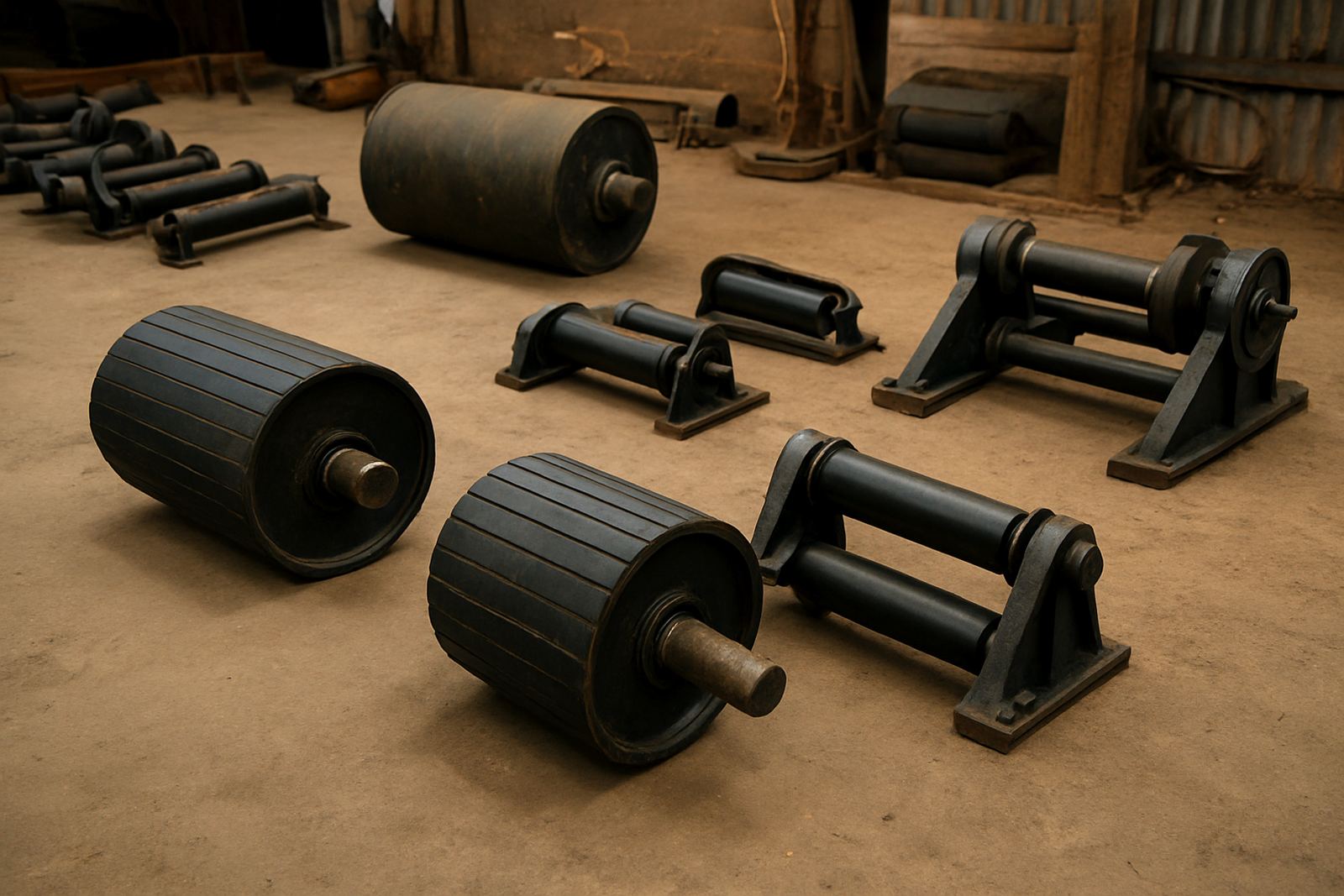
- Idlers and return rollers, especially for dusty or wet sections
- Bearing housings and end caps for rollers that are getting hot
- Skirting rubber and clamp bars to control spillage
- Scrapers and plough blades for carryback on the return run
- Impact bars and loading zone liners for transfer points
- Fasteners, brackets and take-up components that often disappear during maintenance
- Chute liners and wear strips where material drops hard at angle
If these parts are missing from the store room, a minor defect can keep growing. In Rustenburg and Kathu, where dust and heat are constant, roller failure often starts with one unit running rough before neighbours pick up the load and fail too. That is why fitment checks matter, not just part numbers.
What inspection should catch before a belt goes down
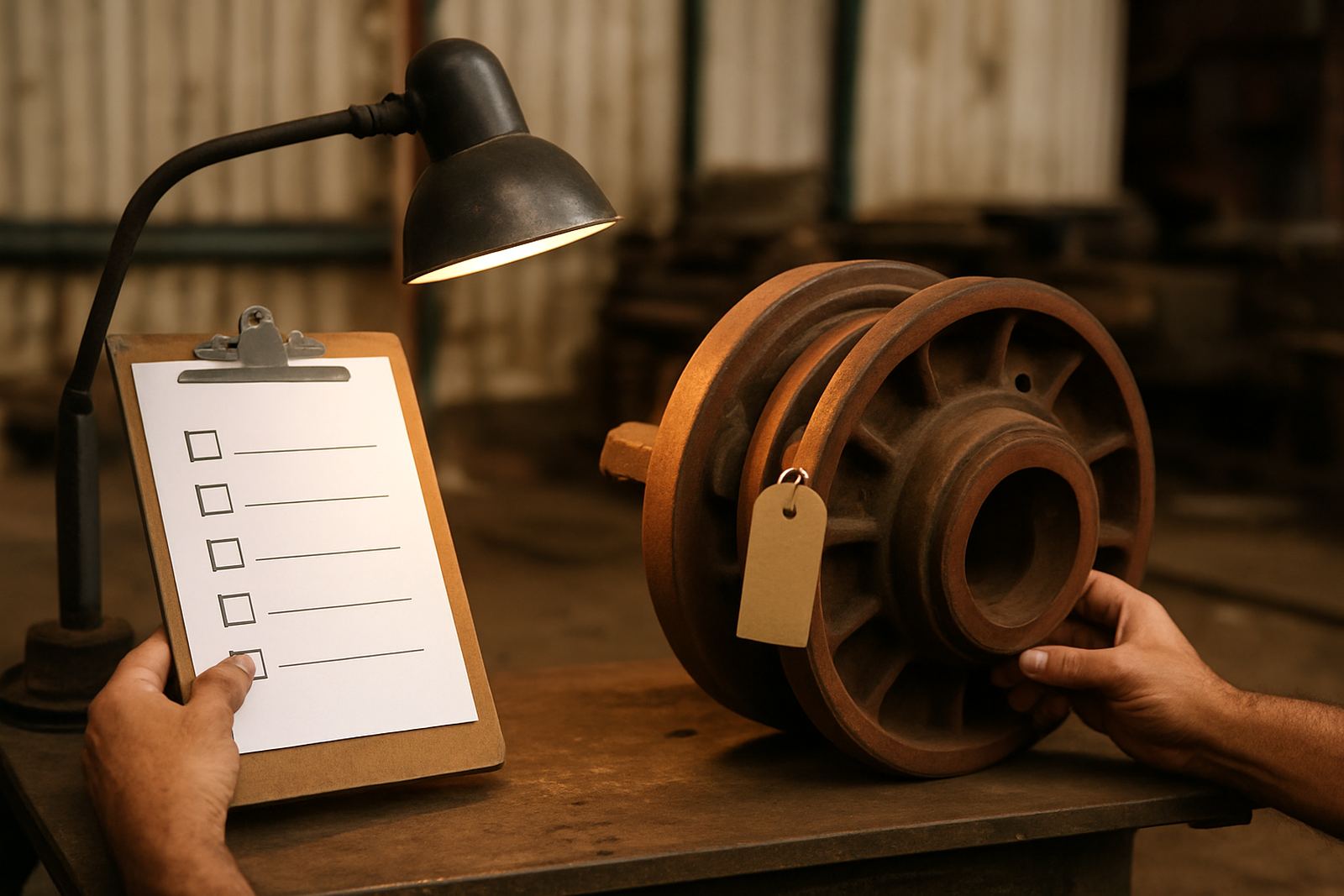
Used conveyor parts can still give long service if they are inspected properly before being sent back into the field. A proper check should look at more than whether the part still turns. Condition reporting should note wear limits, bent frames, cracked welds, shaft play and signs of heat or corrosion.
For quarries near eMalahleni and Secunda, where coal dust and moisture can combine after a storm, corrosion on bearings and brackets is common. Coastal humidity is less of a factor inland, but poor storage can still damage spares quickly if they are left uncovered or packed badly. That is why yard storage, palletising and packing are part of the process, not an extra.
- Check for flat spots on rollers
- Inspect seals and grease points for contamination
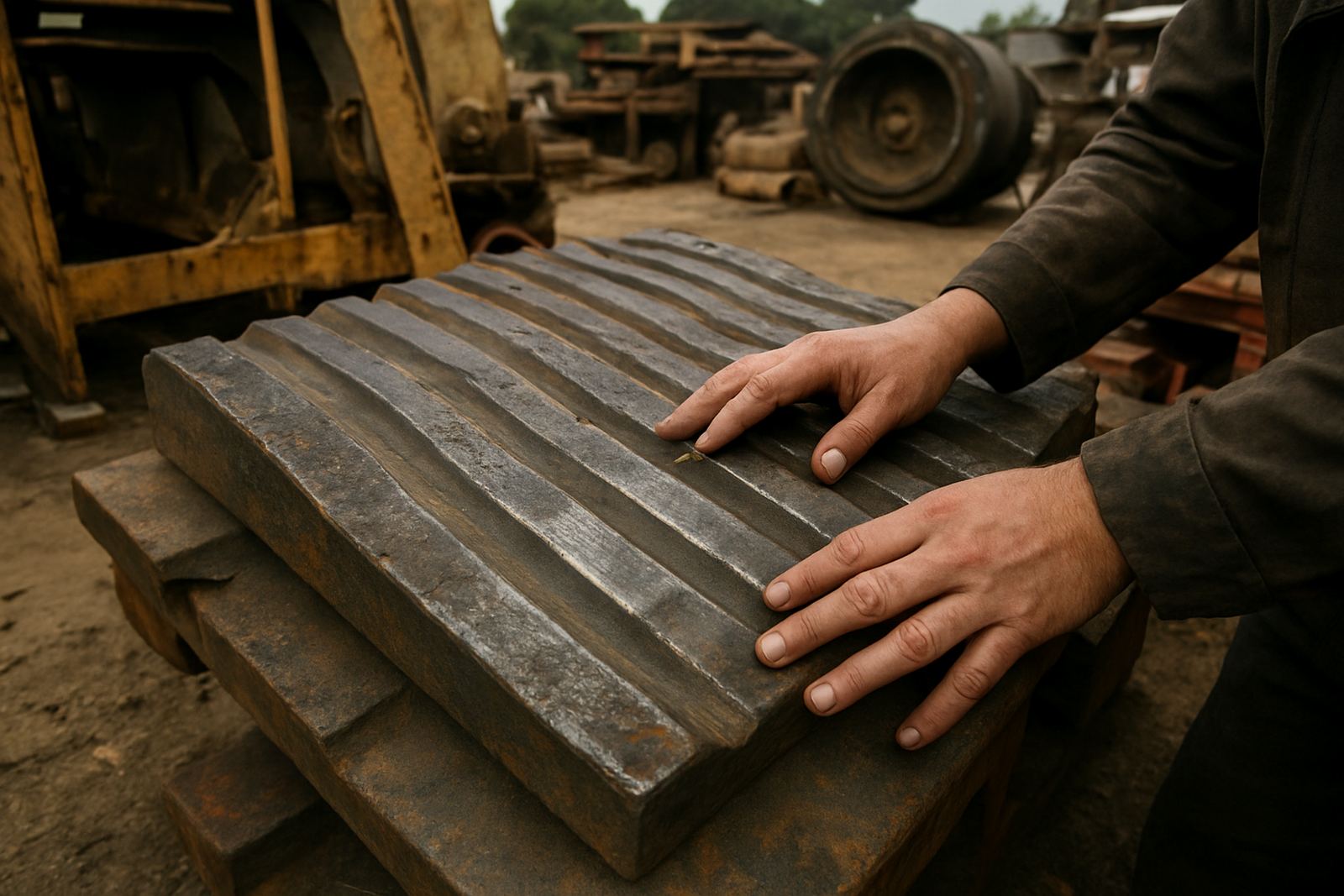
- Measure wear on impact parts and liners
- Confirm mounting holes and brackets are still true
- Tag parts that are suitable for exchange and those that should go to scrap
A clean inspection record helps the buyer make a decision fast and keeps the exchange process honest, especially when parts are moving between sites in Polokwane, Pietermaritzburg or the Northern Cape.
How surplus spares reduce waste and cost
There is real value in moving surplus conveyor parts between sites instead of leaving them on a shelf until they are forgotten. A crusher circuit often changes over time, with new liners, altered transfer heights or different belt speeds. That can leave older parts unused even though they are still in decent condition.
By listing surplus items for exchange or consignment sale, a quarry can recover value from spares that no longer match the current setup. That is better than scrapping usable steel and it also helps another site avoid buying new parts when a serviceable used part will do the job. For many operations, that can free up cash for more urgent work like screen repairs or bearing replacements.
In practical terms, this is where scrap vs exchange decisions matter. If a part is too worn for service, it should go. If it is sound and within wear limits, it may still have a place on another circuit. Making that call properly needs someone who understands the load path, the wear points and the risk of fitment failure.
Local example from a Middelburg transfer of spares
One common case is a quarry near Middelburg that had several surplus conveyor rollers after a layout change. The parts were still serviceable, but the site no longer needed that size after a conveyor section was shortened. Instead of keeping them under tarps at the edge of the yard, the rollers were inspected, counted and stored properly, then matched with a mine needing urgent replacements for a shutdown.
The receiving site was able to collect locally while the rest was organised for delivery to another branch area. That kind of move saves time because it avoids waiting for a full procurement cycle. It also helps when maintenance windows are short and crews are already working under pressure. One missing roller may not sound serious, but if the belt starts rubbing and tracking out, the problem can spread fast, especially when operators are running under production targets and the weather turns wet.
Our teams across Middelburg, Lydenburg and the surrounding regions see this every week: the right spare at the right time is often the difference between a clean restart and an overtime callout.
What to store, what to pack, and when to deliver
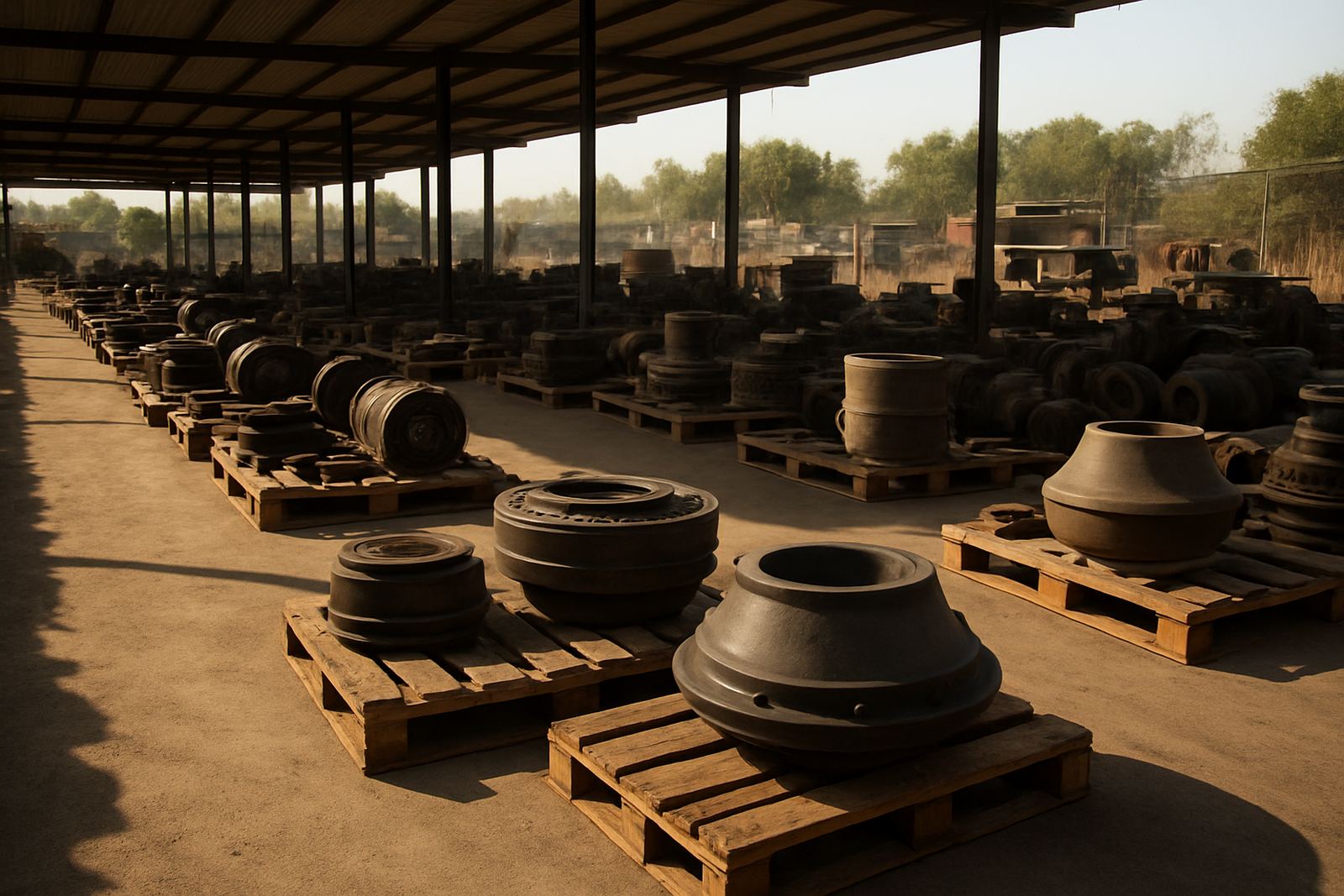
Good storage is part of the value of a spare. Conveyor parts are often awkward shapes, and if they are stacked badly they bend, rust or pick up damage before anyone asks for them. Yard storage should keep rollers off the ground, mark the size clearly and separate inspected stock from items waiting on check or repair.
For transfer between sites, proper packing prevents more damage in transit. This is especially important on long routes between Middelburg, Rustenburg and Kathu where road vibration can loosen fasteners and nick painted surfaces. It also helps with local collections in town and with nationwide delivery when the exchange needs to move quickly.
- Keep rollers and frames tagged by size and condition
- Wrap smaller hardware in sealed packs
- Stack heavy items on stable pallets
- Mark urgent spares for shutdown sourcing
- Separate fitment-ready stock from parts still awaiting inspection
When the packing is done right, the part arrives ready for a proper fitment check and the site can get moving without wasting time sorting through loose pieces.
How to keep conveyor spares from being overlooked
The easiest way to lose money on conveyor parts is to let them disappear into the back of the store and only look for them after a failure. A better approach is to keep a live list of surplus stock, inspect it regularly and decide early whether each item is for exchange, repair or scrap. That list should be reviewed after shutdowns, belt changes and major maintenance work.
At Crusher Spare Exchange, we help quarries and mines across South Africa list surplus spares, inspect condition, store them properly and move them where they are needed. From the Middelburg Yard to the Secunda Region and beyond, the same rule applies: if a conveyor part is ignored too long, it usually becomes a bigger job later. A small repair now is cheaper than a full belt stoppage next week, and that is advice every maintenance manager already knows deep down.