
Why surplus spares should not go straight to scrap
Many quarry yards in Mpumalanga and beyond have the same problem. Good crusher spares get removed during a shutdown, then stored “just in case” until they are forgotten. Some are still usable, some need checks, and others may suit a different machine setup. If they go straight to scrap, the business often loses the chance to recover far more than metal value.
Crusher spares are not like ordinary offcuts. A worn jaw die, spindle component, bearing housing, screen part or spare wear item may still have useful life left, especially where the original machine has been upgraded, replaced, or duplicated on another site. That is why surplus stock should be assessed on condition, not on the assumption that age alone makes it useless.
For quarries working under pressure from load-shedding, tight production targets and municipal dust control rules, holding the right spare at the right time matters. Selling or exchanging surplus stock helps free yard space and keep working capital available for parts that are actually needed now.
What makes a surplus part valuable in exchange
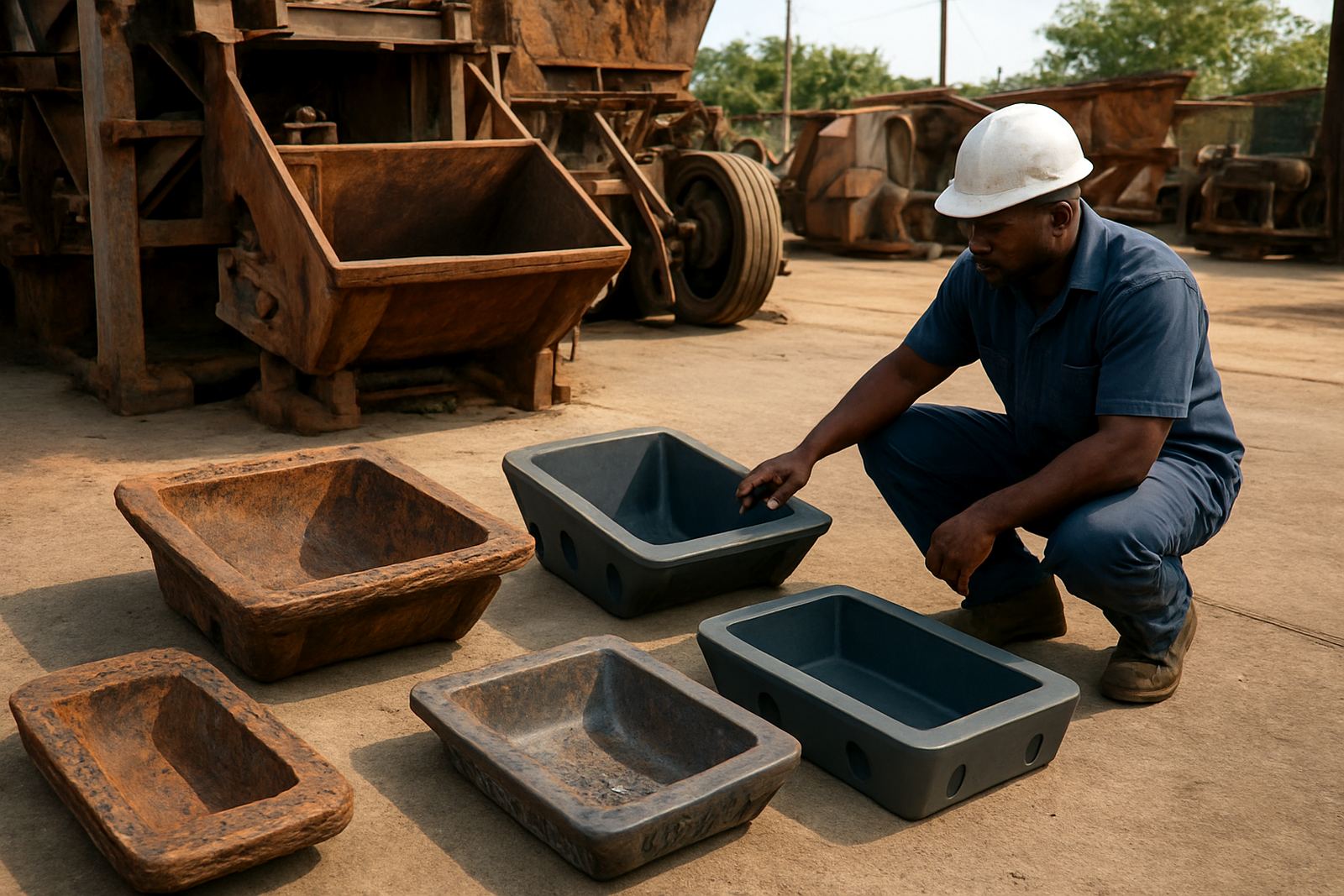
Exchange value depends on practical details, not on guesswork. A clean, identifiable part with measurable wear, known dimensions and a traceable use history is easier to move than a mixed pile of unlabelled steel. Even used parts can hold strong value if they match common crusher models or standard plant setups used across South African quarries.
At our Middelburg base, we see that parts with better value usually have one or more of the following:
- Clear part identification or machine reference
- Reasonable wear with no hidden cracks or distortion
- Usable mounting points, threads or seating surfaces
- Storage that protected the item from rust, dust and water ingress
- Demand from active quarries, mines or shutdown crews
Coastal humidity around Pietermaritzburg can affect stored steel differently to a dry inland yard, while rust can progress faster if parts were left exposed during summer rain. That is why condition reporting matters. A part that looks rough at first glance may still be worth more in exchange after cleaning, measuring and documenting its actual state.
How inspection changes the price of surplus stock
Inspection is the difference between a guess and a proper offer. A yard might know it has surplus stock, but until the part is checked, there is no reliable basis for pricing or trading it. Inspection helps separate scrap metal from reusable stock, and helps identify whether the item is suitable for direct exchange, consignment sale, or only recovery by weight.
Our inspection process focuses on practical points that matter to buyers on mine and quarry sites:
- Visual condition and surface wear
- Measurements against expected tolerances
- Signs of fatigue, cracking or repair work
- Fitment checks where applicable
- Storage condition and transport readiness
When a part passes inspection, it can be listed with the correct condition details. That makes it easier for a buyer in Rustenburg, Polokwane or Kathu to decide whether it is the right match before transport is arranged. It also reduces the back-and-forth that often wastes time during shutdown planning.
A Middelburg example: turning yard clutter into working stock
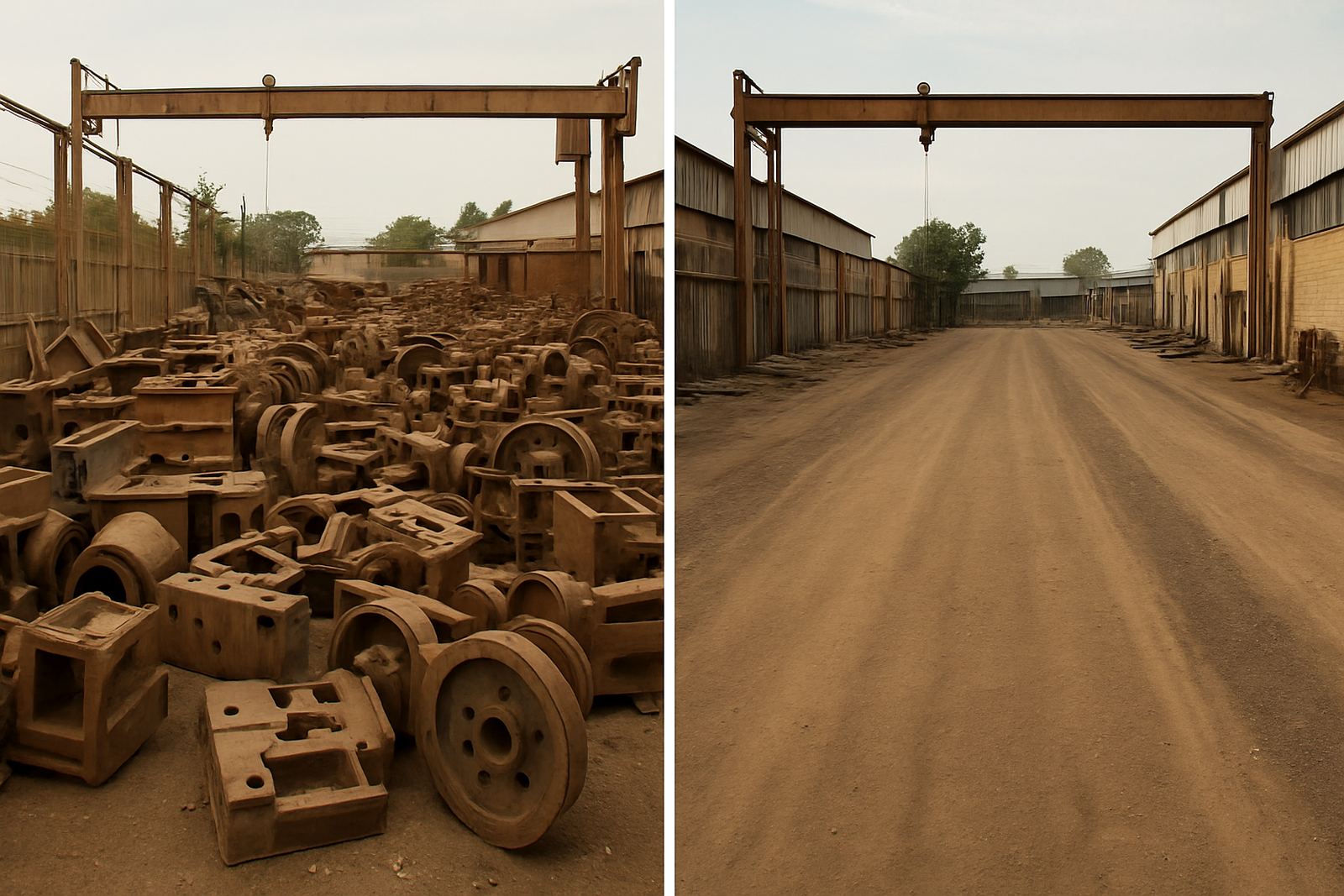
A quarry outside Middelburg had a row of surplus crusher spares left over after a scheduled shutdown. Some were duplicates, others had been removed during a plant change and no longer suited the new setup. The storage area was tight, and the team needed space for current wear items and consumables. Instead of sending the whole pile to scrap, the parts were sorted, inspected and grouped by value.
Several items were suitable for exchange, a few needed condition reporting before sale, and only the lowest-grade material went for scrap recovery. The result was simple: better yard space, recovered value, and less waste leaving the site. That approach is useful for mines and quarries in eMalahleni, Secunda and Lydenburg too, where shutdown stock can stack up quickly if there is no process for sorting it properly.
This kind of example shows why local knowledge matters. A part that has little use in one plant may still be in demand a few towns away. South African quarry networks are spread out, so a proper exchange route can link the right stock to the right buyer without forcing the seller to accept scrap value.
How to store, pack and move surplus spares safely
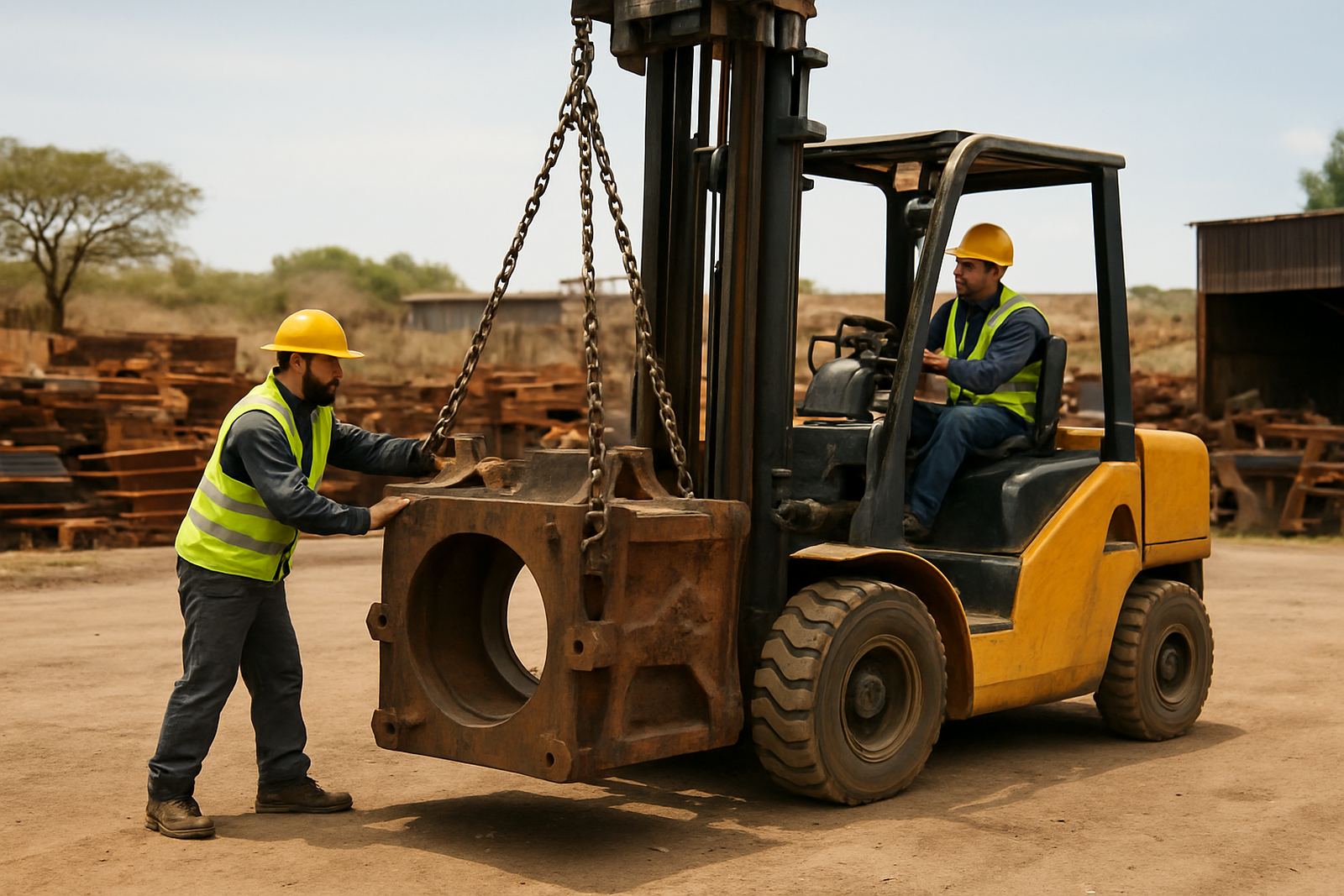
Even a valuable spare can lose value if it is stored badly. Dust, moisture, impact damage and poor labelling all reduce what a buyer will pay. The better the packing and storage, the better the return. This is especially important for heavy parts that must travel long distances between provinces or move through busy yards where forklifts and loaders are in daily use.
Good handling practice includes:
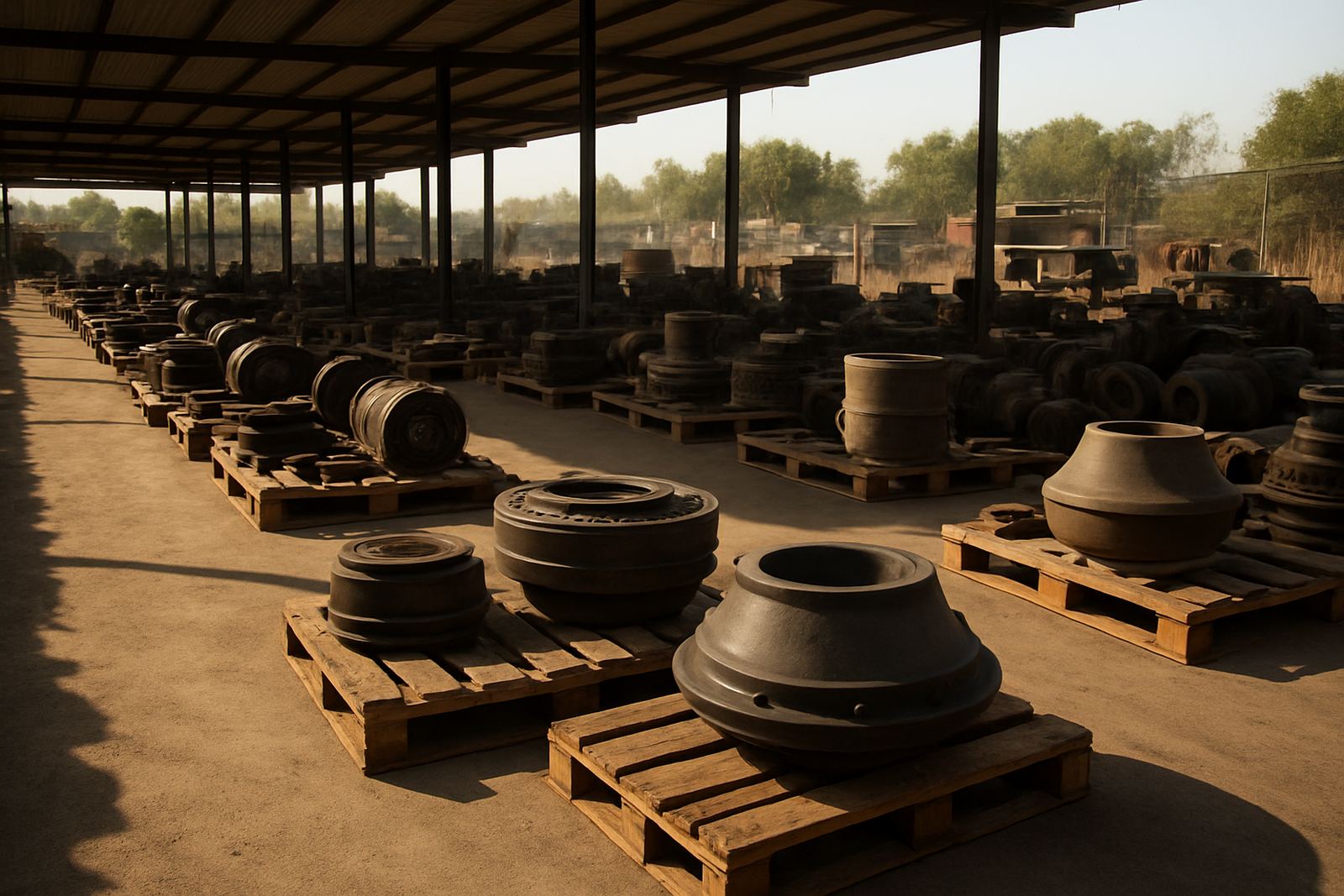
- Keep parts on pallets or racking, not directly on the ground
- Use wrap, banding or crate protection where needed
- Mark each item clearly with size, condition and reference notes
- Separate saleable stock from scrap and from parts needing re-checks
- Arrange collection only after the item is ready for loading
For sites dealing with municipal storage rules, dust control checks or safety audits, a tidy and labelled yard also makes compliance easier. It helps the team show what is on hand, what is for exchange and what has already been moved out.
When exchange is better than selling for scrap
Scrap has its place, but it should be the last stop, not the first. Exchange makes more sense when a part has identifiable use, still meets acceptable condition, or can be matched to another operation with similar equipment. This is common for wear parts, housings, shafts, frames and selected structural components that remain serviceable after removal.
Exchange is usually the better option when:
- The part is complete and identifiable
- Wear is present but not excessive
- There is market demand in another region
- The item was removed during an upgrade, not failure
- You want value back in stock, not only in scrap weight
For many quarry operators, the real gain is not only Rand value. It is the ability to free storage space, reduce waste and keep useful stock moving across the country. That is why surplus stock should be treated as an asset first, and only as scrap once it has been properly assessed.
A practical exchange process for quarry teams
A clear process keeps everyone honest and saves time. First, identify the surplus items. Then inspect, photograph and measure them. Next, separate saleable stock from items for scrap recovery. After that, decide whether the parts should be listed, stored, packed or moved for a direct exchange. Simple steps, but they prevent expensive mistakes.
Our team works from Middelburg, Mpumalanga, with support across eMalahleni, Rustenburg, Polokwane, Kathu and Pietermaritzburg. The process is handled by people who understand yard pressure, shutdown timing and the need for practical answers. That includes inspection, storage, palletising, collections, nationwide delivery and urgent spares search when a site cannot wait.
When surplus stock is handled properly, a quarry gets more than a clean yard. It gets value back into the business, fewer wasted parts and a better chance of keeping machines running with the right stock on hand.