
Why handling matters before the spares even leave the yard
In a crusher spares yard, the risk is not only a sore back or a damaged toe. One bad lift can crack a liner, distort a frame plate or make a bearing housing unusable. That is money lost twice, first in the part and again in the delay while a replacement is sourced.
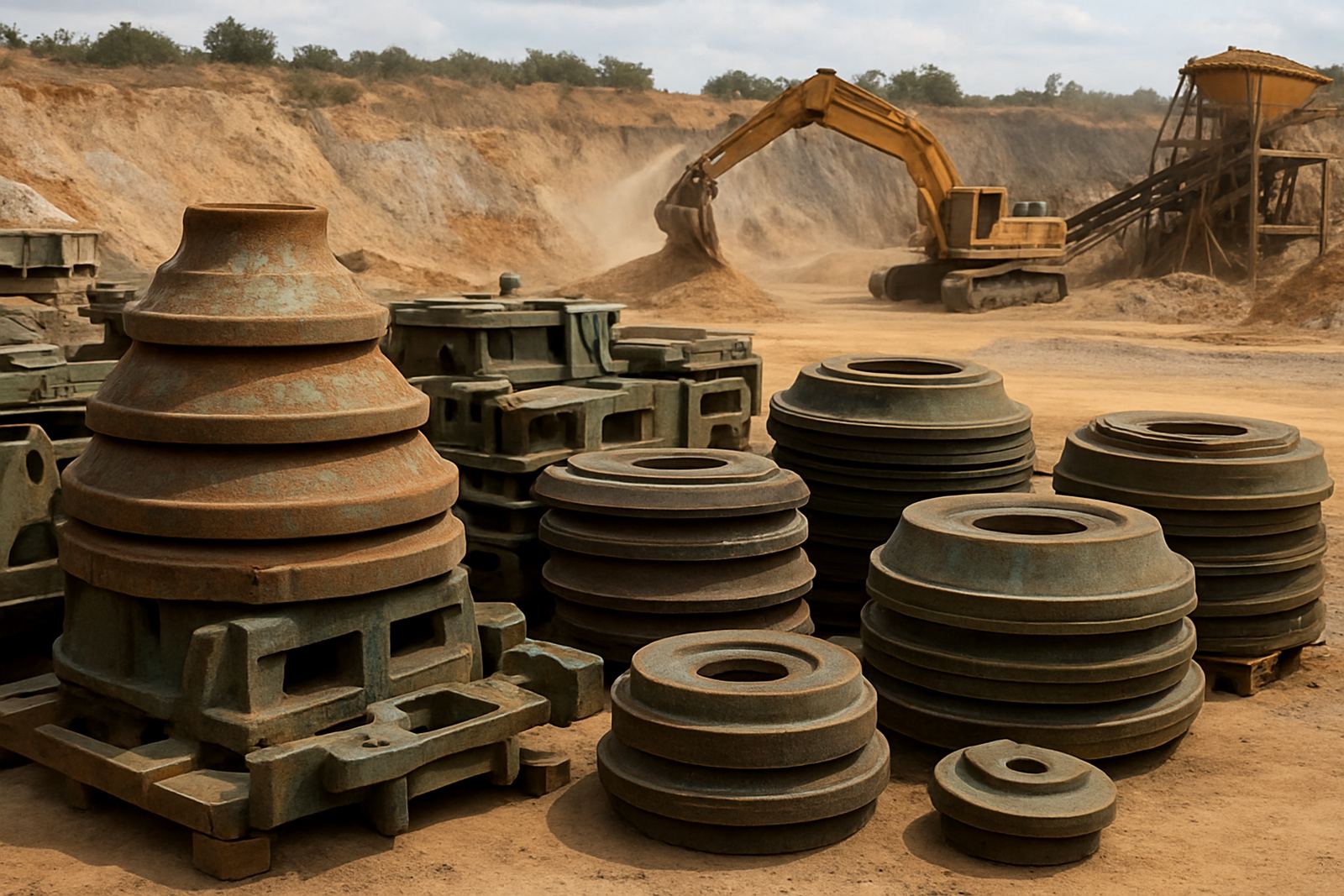
At our Middelburg base, we see a wide mix of parts coming in from quarries and mines across Mpumalanga, North West, Limpopo, the Northern Cape and KZN. Some are small enough for two people to move by hand, but many are not. A cheek plate, shaft, toggle seat or wear segment needs the right plan before anyone touches it. During load-shedding, that plan matters even more because visibility, powered lifting and communication can all be affected at the same time.
Start with an inspection and weight check
No lift should happen until the part has been identified and checked for damage, loose edges and unstable points. If a component is cracked or uneven, its weight may sit off-centre and swing when lifted. A part that looks manageable can still shift suddenly once it clears the ground.
- Confirm the part type and approximate weight before moving it.
- Check for oil residue, sharp edges and loose bolts.
- Use slings, hooks or forks rated for the load.
- Mark the balance point if the item needs a crane or forklift.
- Keep bystanders out of the lifting zone until the item is set down.
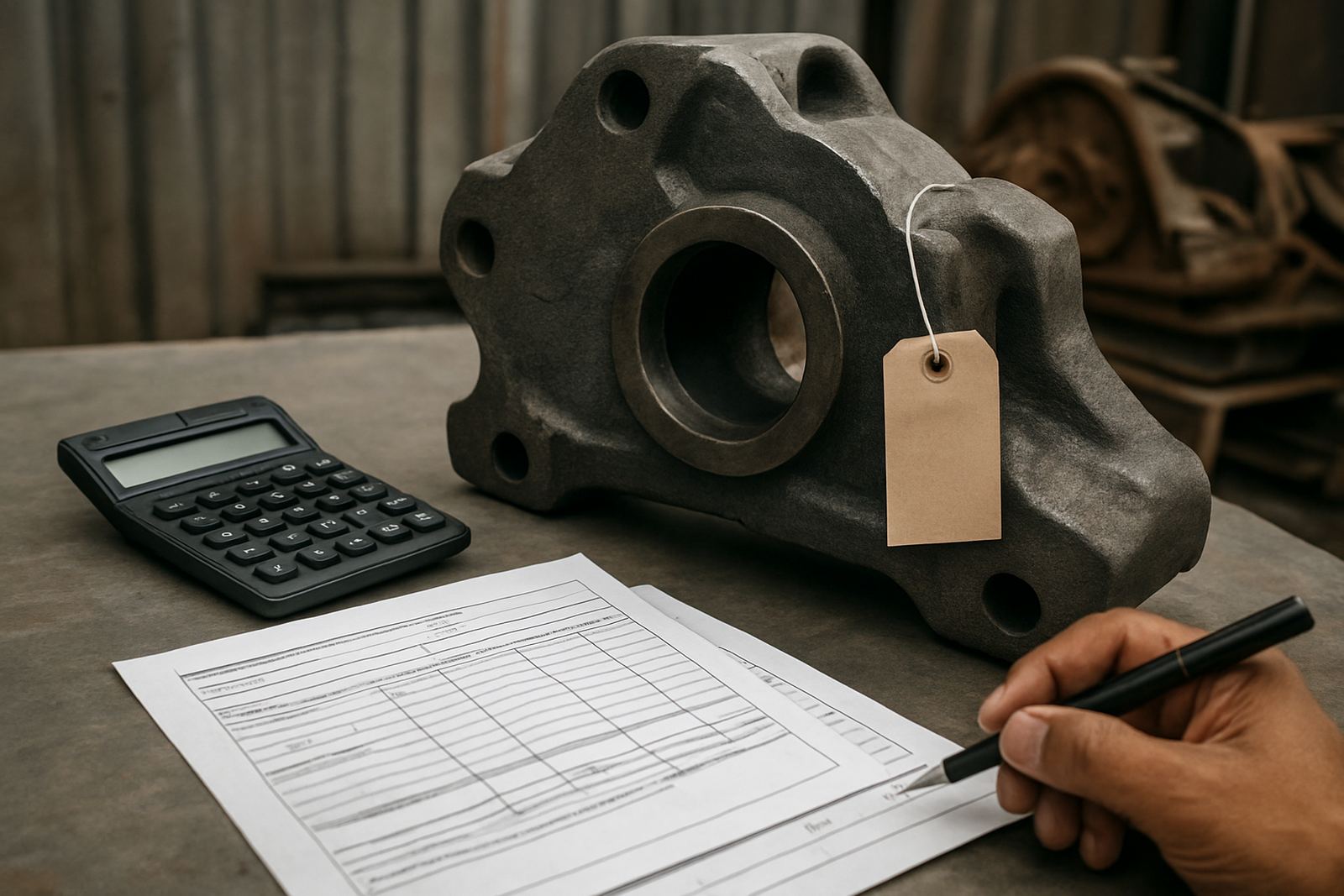
Inspection is also where condition reporting helps. A clear note on broken lugs, bent corners or surface wear can stop a risky handover later on. It also helps when a part is being held for exchange, scrap or further fitment checks.
Use the right gear for the part, not the nearest gear
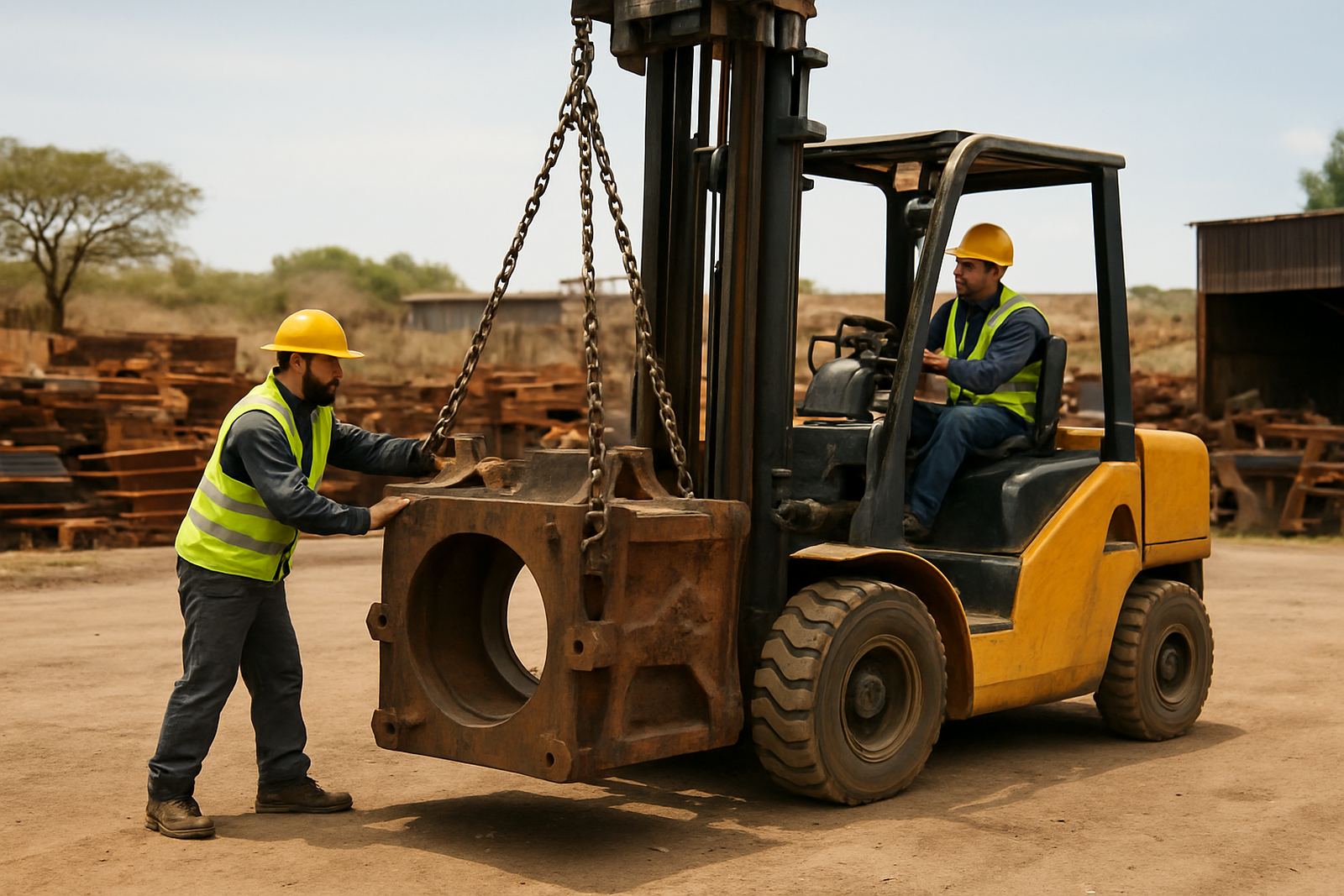
Crusher spares are irregular by nature, so the first rule is to match the handling method to the shape not just the mass. Flat plates may suit fork tines or a palletised bundle. Shafts, hoppers and housings may need a crane, chain block or spreader beam to keep them stable.
Never drag a part across concrete or rubble if it can be lifted. Even a short drag can damage machined surfaces and make re-use difficult. In coastal areas like Pietermaritzburg and along routes that bring parts in from the coast, moisture can also cause rust on contact points, so lifting with slings and storing on bearers helps protect the steel.
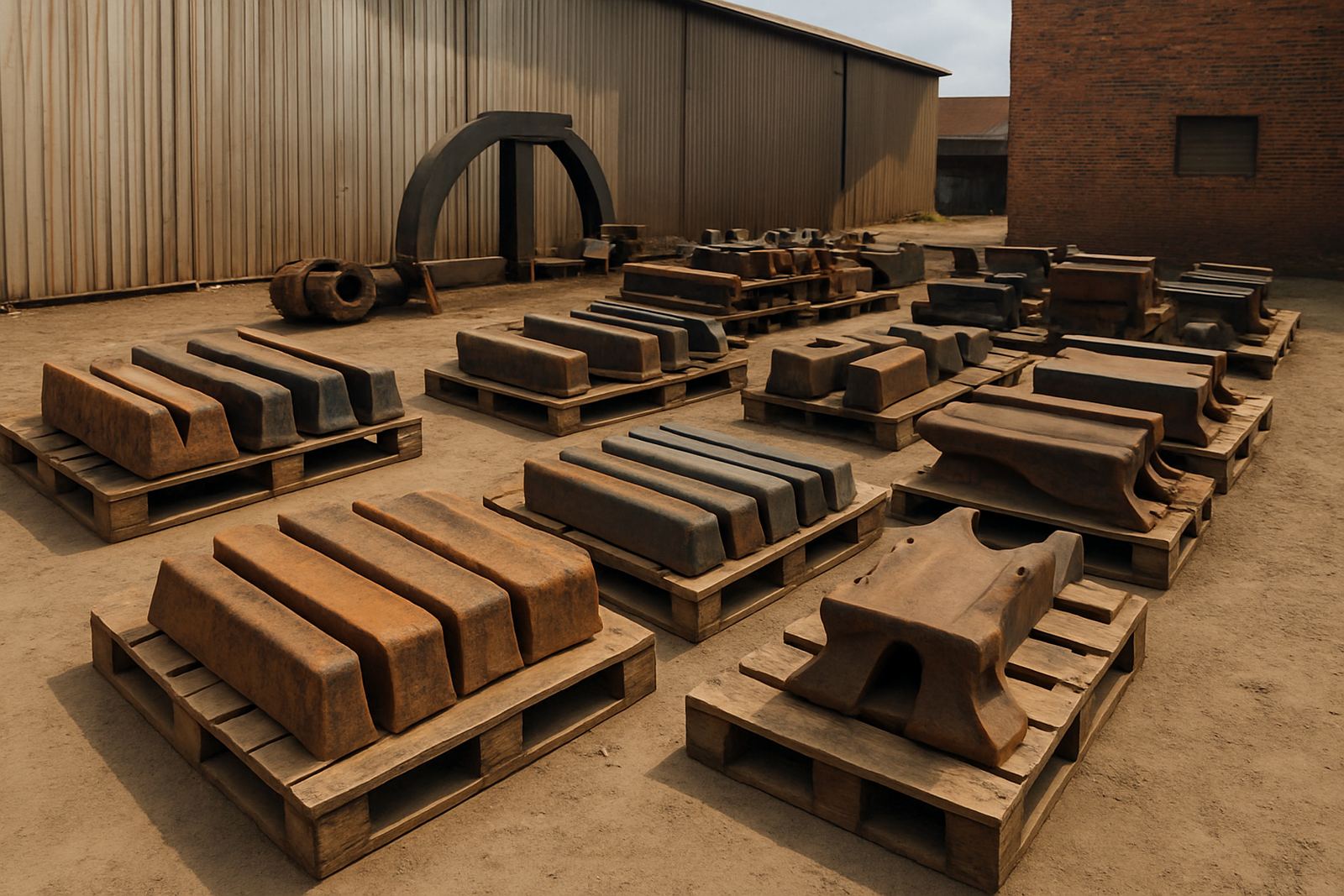
- Use timber bearers to keep steel off the floor.
- Keep lifting slings away from sharp corners with corner protectors.
- Do not exceed the working load limit on any lifting accessory.
- Tag damaged slings, chains or hooks and remove them from service immediately.
- If a part needs two machines to move it, plan that movement before starting.
Set the yard up so movement stays controlled
A safe yard is not just tidy, it is organised for flow. Routes for collection trucks, forklifts and pedestrians should be clear and marked. Heavy items should be stored on firm ground with enough space to turn equipment without clipping another pallet or bundle. Mud, loose gravel and uneven slabs are a problem, especially after rain in Middelburg and the Highveld.
Storage rows should be arranged so the heaviest items sit low and stable. Smaller items can be palletised and wrapped, but only if the wrap does not hide a damaged edge or unstable stack. Good storage reduces double handling, which is where most avoidable accidents happen. It also makes local collections from eMalahleni, Secunda and Rustenburg quicker because the item can be found, checked and loaded without moving half the yard.
Communication on the ground keeps people out of trouble
Many yard incidents happen because one person starts moving a part while another is still checking it. That is why one lead person should control each lift or movement. Clear hand signals, radio checks and a simple stop word help when machinery is noisy or when wind and dust make it hard to hear.
Before loading for nationwide delivery, the team should confirm who is packing, who is strapping and who is signing off the condition. The same applies to shutdown sourcing, where time pressure can push people to rush. A quick pause to confirm the route, the exit point and the drop zone is always cheaper than repairing a damaged component or treating an injury.
- Nominate one person to give instructions for each movement.
- Keep hands clear until the part is fully settled.
- Use warning cones or barriers where loads are being moved.
- Do not walk under a suspended load, even for a moment.
Packing and transport need the same care as the lift
Once a crusher spare has been lifted safely, the next risk is during packing and loading. A well packed item should not slide, bounce or rub against another part on the trip. For long routes to Kathu, Polokwane or Pietermaritzburg, vibration and road conditions can work loose any poor packing job. That is why timber blocking, strapping and balanced pallet loads matter.
If a part is going for consignment sales or exchange, it should leave the yard in the same condition it was signed off in. Take photos, note the condition and check that loose fittings are secured. A small slip here can turn a usable spare into scrap. It also helps to separate items for scrap vs exchange early, so no one loads the wrong unit by mistake.
A practical Middelburg example from a shutdown day
On a shutdown job in the Middelburg region, a heavy worn crusher frame section arrived with one lifting lug already bent. The team stopped, marked the damaged point and moved it with a crane using balanced slings instead of trying to pick it with forks. That extra step took a few minutes, but it avoided twisting the frame and kept the part suitable for further inspection.
The lesson was simple. Good yard handling is not about making work slow, it is about making the right move once. When spares are inspected, stored and delivered with care, quarries save money, people stay safer and useful steel keeps circulating between operations instead of going to waste.