Why surplus spares still have real value
Many quarries carry parts that were bought for a shutdown, a rebuild, or a machine that later changed out. Those items may no longer fit your current plant, but they can still be useful to another operation running the same size crusher, screen or feeder. That is the basic value of exchange. It moves usable parts back into service instead of letting them sit in a store room for years.
In a market like Middelburg and the wider Mpumalanga belt, where mines and quarries work through tight production windows and load-shedding interruptions, spare parts tied up in dead stock can become a drain on working capital. Listing them for exchange turns idle inventory into something measurable. You either recover cash, trade for the correct part, or reduce the amount you need to buy new. That matters when a shutdown is planned for 48 hours and every rand has to be justified.
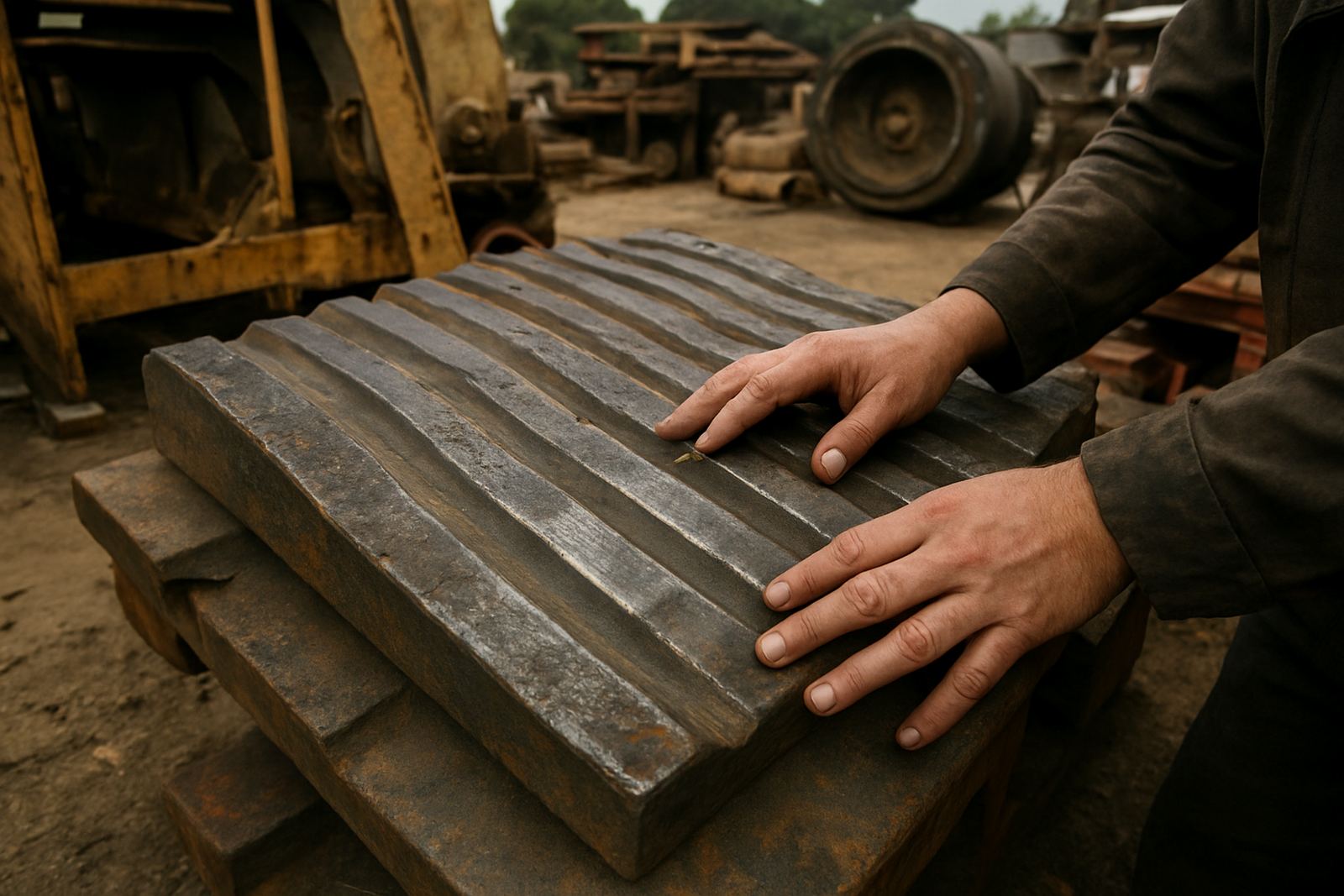
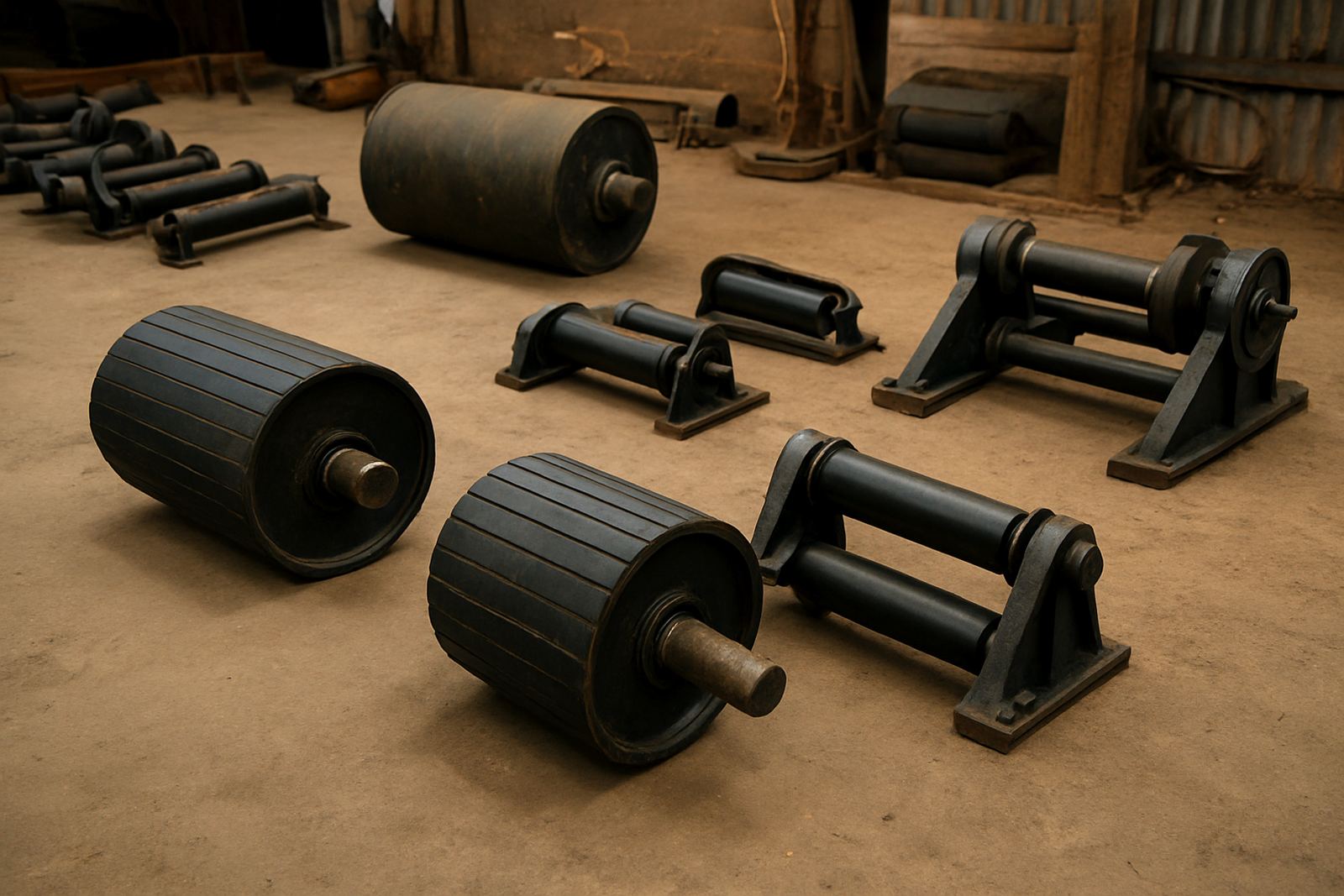
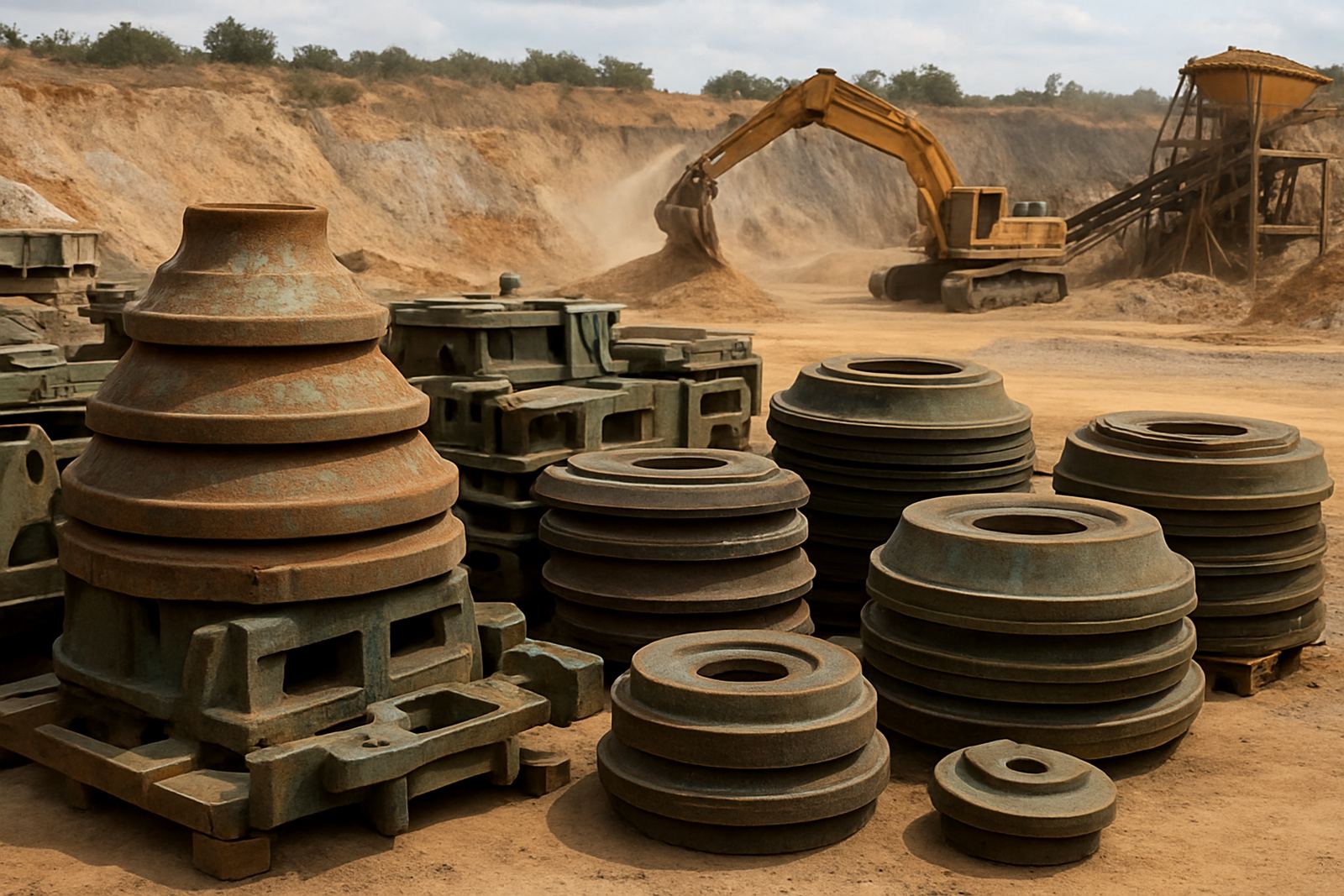
We see this most often with liners, jaw plates, cones, bearings, shafts, housings, screens and drive components. If the part is still serviceable, and the condition is known, another site can make use of it. If it is not fit for exchange, it can be moved to scrap with clear separation and records.
How exchange reduces waste without slowing production
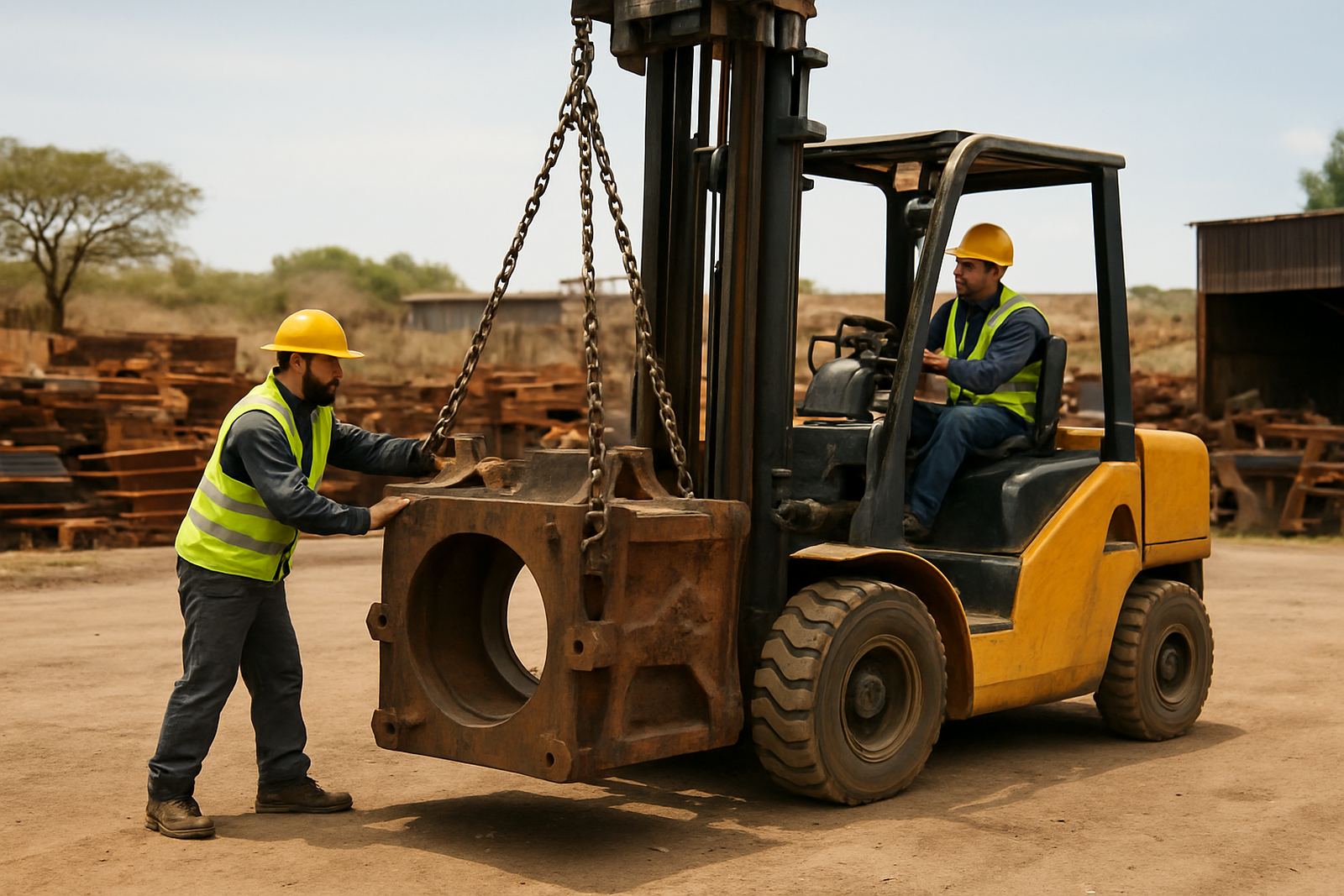
Exchange is not just about selling old stock. It is about matching the right part to the right need quickly, with less waste in the middle. A good exchange process starts with inspection, basic measurements, condition reporting and clear labelling. Once that is done, the part can be stored, palletised and sent where it is needed, whether that is Rustenburg, eMalahleni, Polokwane, Kathu or Pietermaritzburg.
For quarry managers, the benefit is practical. You keep fewer unused items on site, you free up yard space, and you still have a route to source spares when a machine is down. It also helps with environmental targets, because less steel and wear material is thrown away before its full service life is used up.
- Less dead stock sitting in the yard
- Better use of parts already paid for
- Lower scrap volumes and cleaner stock control
- Faster access to parts during shutdowns
That is especially useful for sites dealing with coastal humidity in KwaZulu-Natal or dust-heavy conditions in the Highveld. Parts that are stored badly can corrode, seize or get mixed up. A proper exchange yard helps keep stock sorted and traceable so usable items stay usable.
Keeping maintenance spend under control
Maintenance budgets are under pressure at almost every site. When a crusher line needs attention, the cost is not only the spare part. It is also the labour, downtime, transport and any lost production while the plant waits. Exchange helps because it lowers the cash outlay on parts that do not need to be bought new. In some cases, a recovered part can keep a machine running long enough to avoid a much larger repair later.
There is also a planning advantage. If your stores team knows exactly what surplus items are available, they can compare options before ordering new. That gives your maintenance manager more room to plan for a shutdown, rather than making rushed purchases after something fails. In practical terms, this can save many thousands of Rand across a year of maintenance cycles.
Thabo Johannes Mokoena and the team in Middelburg work with quarry and mine clients who want clear information before they release or request parts. Lerato Maseko handles operations, Sibusiso Ndlovu checks condition, and Anika van Zyl manages exchange and sales so the process stays organised. That structure matters when time is tight and the plant is waiting.
What makes a part suitable for exchange
Not every spare is worth moving through an exchange system. Some items are best scrapped straight away, especially if they are cracked, badly worn or missing critical dimensions. Others can be assessed, cleaned and stored with confidence. The difference comes down to inspection and honest reporting.
A usable exchange part should usually have the following:
- Clear part identification and size
- No major structural damage or unsafe wear
- Measurements that still fall within usable tolerance
- Traceable condition notes and photos
- Safe packing for collection and transport
That is where local yard support helps. Johan Steenkamp manages storage and yard handling, while Mpho Rakoma oversees logistics for local collections and nationwide delivery. If a part needs fitment checks before it leaves, that can be arranged before dispatch. If it is not worth exchanging, it can be marked as scrap vs exchange so there is no confusion later.
A Middelburg example from the quarry belt
Take a quarry outside Middelburg that has changed its crushing setup after a shutdown. The site still has surplus wear parts from the previous machine, plus a few serviceable spares that no longer match the current line. Rather than leaving them in a corner of the yard, the parts are listed, inspected and stored. Another quarry in the region, or a mine in Secunda, may need those exact items to finish a planned maintenance job. What one site no longer needs, the other can use right away.
This kind of exchange is practical because the distances are manageable and the work is similar across the region. Even when parts need to move farther, such as to Kathu or Polokwane, the collection and delivery process can still be organised around shutdown timing. That reduces the chance of a machine sitting idle while a replacement is sourced from scratch.
- List surplus items before they are forgotten in stores
- Inspect and measure before accepting an exchange value
- Store parts properly so they stay presentable and usable
- Move the part to the site that needs it, instead of scrapping it too early
Why quarries choose a local exchange route
Quarry operators often prefer a local exchange route because it is easier to control. You know where the part came from, who handled it, and what condition it was in when it left the yard. That matters for accountability, especially when several sites are sharing stock across a region. It also helps support local work and keeps equipment in use instead of making every site buy new from scratch.
Since 2012, Crusher Spare Exchange has focused on this kind of practical support from its Middelburg base. The service is built around surplus listing, part inspections, condition reporting, yard storage, palletising and packing, local collections, nationwide delivery, shutdown sourcing, urgent spares search and consignment sales. For many clients, the real value is not only finding a part. It is knowing that the process is managed properly from the first enquiry to final delivery.
If your operation is carrying surplus crusher spares, the question is not whether the items have any use left. The better question is where they can do the most good. Exchange gives you that answer in a way that is cost-aware, practical and suited to South African quarry conditions.