Why liner wear matters before a breakdown starts
Liners are doing the hard work inside the crushing chamber. They take the impact, pressure and abrasion so the main machine can keep running. When a liner wears evenly, it usually means the feed, setting and operating rate are in reasonable balance. When wear is uneven, the machine is often telling you something is off.
In quarry work, small changes matter. A belt feeder running too fast, wet material after rain, or a mix with more fines than normal can change the wear picture in a few shifts. On a Middelburg site, for example, a jaw liner that looked sound at first glance started wearing more heavily on one side after repeated overfeeding during a night run. The problem was not only the liner, it was the way material was entering the chamber.
Reading wear early helps with planning. It gives time to arrange a replacement, inspect the mating parts, and decide whether a used liner is still suitable for exchange or should go for scrap. That is where careful inspection and clear condition notes make a real difference.
Common wear patterns and what they usually point to
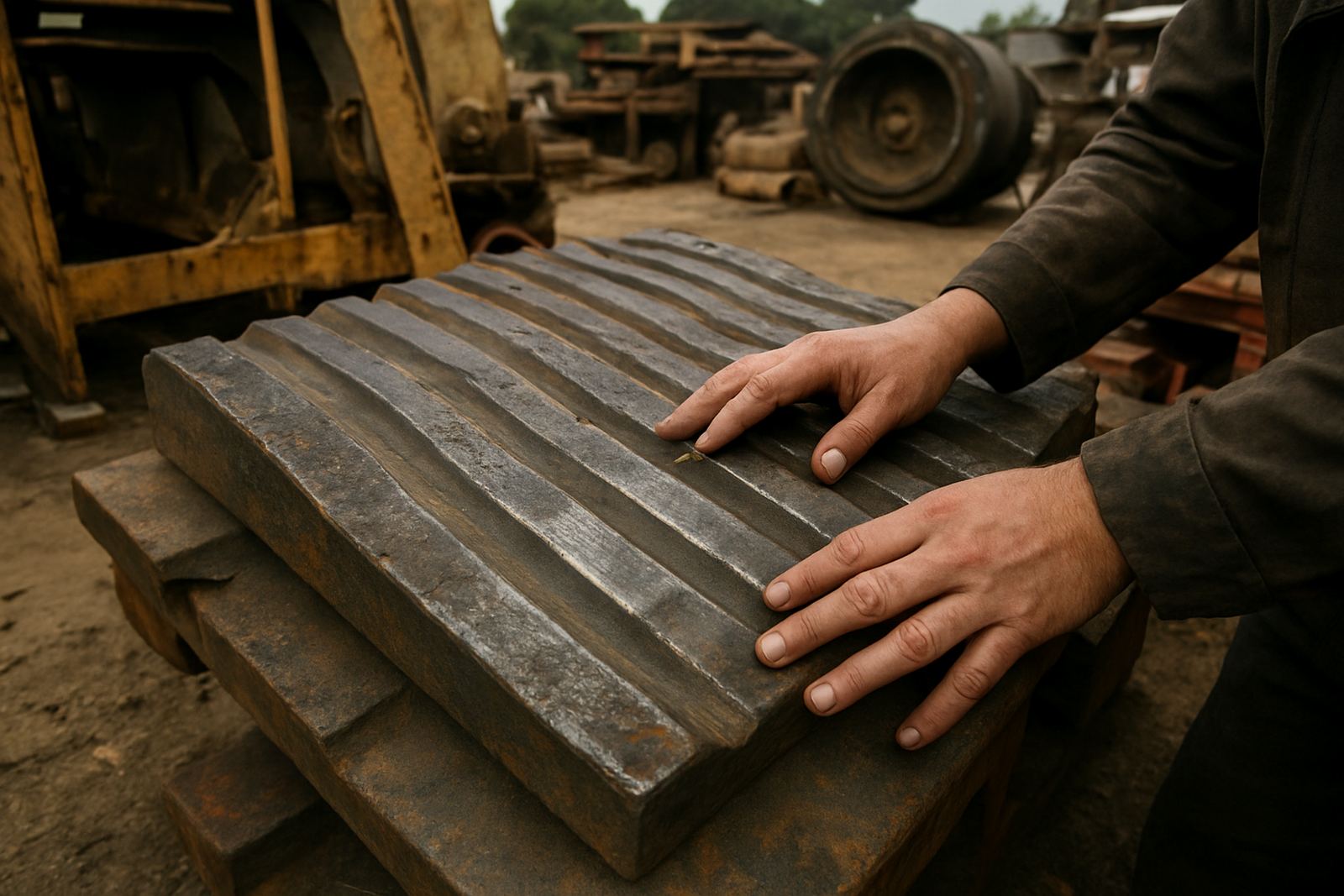
Most crusher liners do not fail in a single neat way. They wear in patterns, and each pattern can point to a different cause. A good inspection starts with looking for shape, depth, heat marks, cracking and the way the profile has changed from top to bottom.
- Even, gradual wear: Often a sign that the chamber is working as intended and the feed is fairly consistent.
- Wear on one side only: Can point to poor feed distribution, misalignment, or a chamber running out of balance.
- Polished areas: May suggest sliding rather than proper bite, especially when feed is too fine or the chamber is not gripping material well.
- Chipped edges or fractured corners: Usually linked to tramp metal, oversized rock, or sudden impact from poor feed control.
- Rapid wear at the bottom: Often seen where fines are packing in or where the setting is too tight for the material being processed.
It is worth measuring the wear rather than guessing. A liner that still looks usable may have lost too much section to run safely, while another with visible marks may still have enough life for a shorter production cycle. That judgment takes experience and proper records.
What causes liners to wear faster than expected
Liner life is affected by more than the make of the part. In quarry conditions across South Africa, several practical factors shorten service life. Dust, moisture and load-shedding all play a part because they change how the plant is fed and how steadily it runs.
Fast wear is often linked to poor operating habits rather than the liner itself. If the crusher is started and stopped too often, if the feed is not controlled, or if the chamber is allowed to run too empty, wear can become patchy. In coastal areas, humidity can also affect stored spares and cause surface rust, which matters when parts sit in the yard before use. Around Rustenburg and Kathu, abrasive material can be especially hard on liners, so good monitoring is essential.
Here are the main causes to watch:
- Feeding large, uneven rock loads without proper sorting
- Running the chamber outside its intended setting range
- Ignoring worn cheek plates, wedges or backing components
- Allowing tramp metal to enter the crusher
- Poor housekeeping around stockpiles and feed hoppers
A liner that wears out too quickly is usually a symptom. The real fix is often in the feed, settings, or maintenance routine.
How inspections help separate usable wear from scrap
Not every worn liner has the same value. Some parts can still move through an exchange system after inspection, while others should be stripped for scrap. The difference comes down to condition, traceability and whether the wear is within safe limits for another duty cycle.
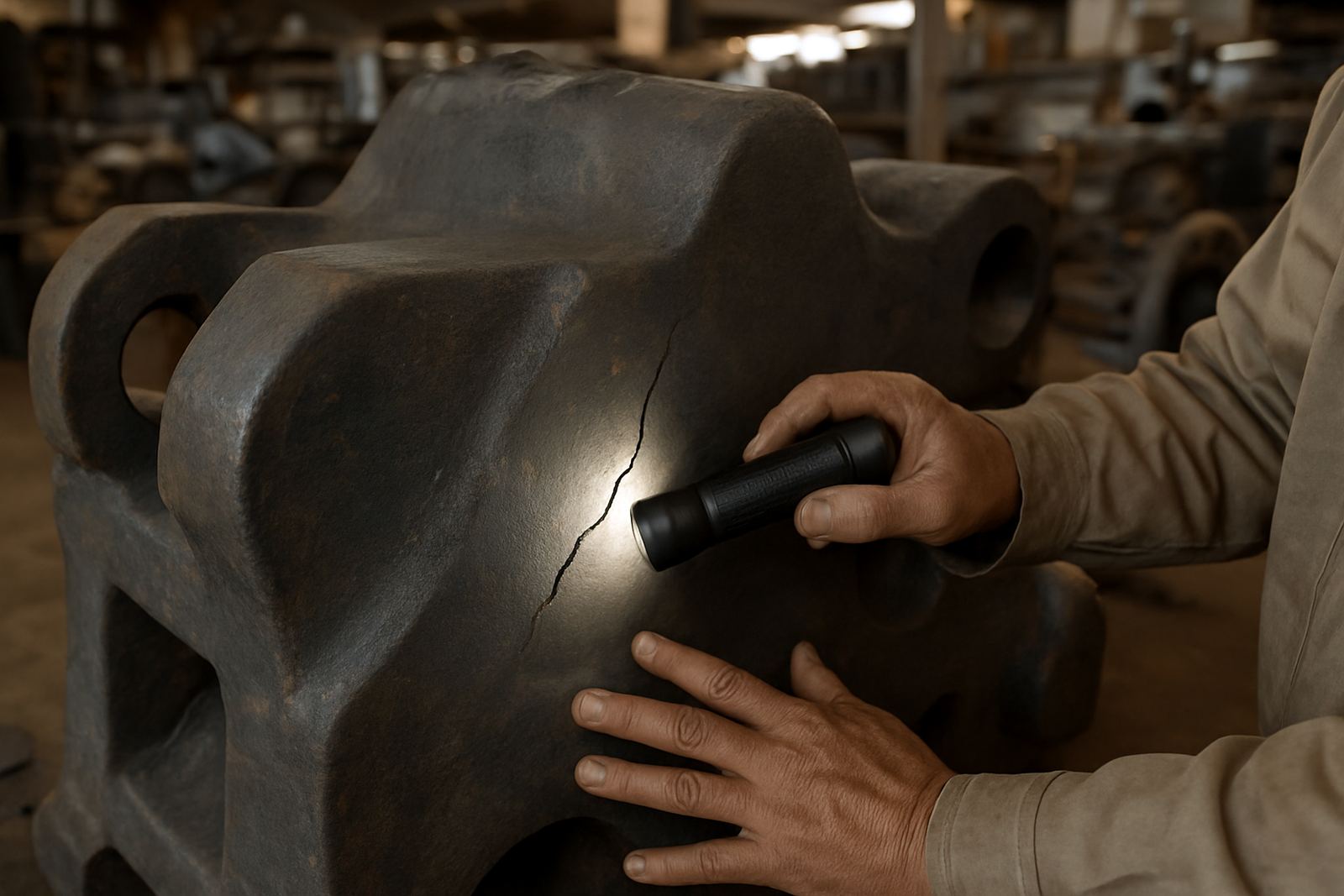
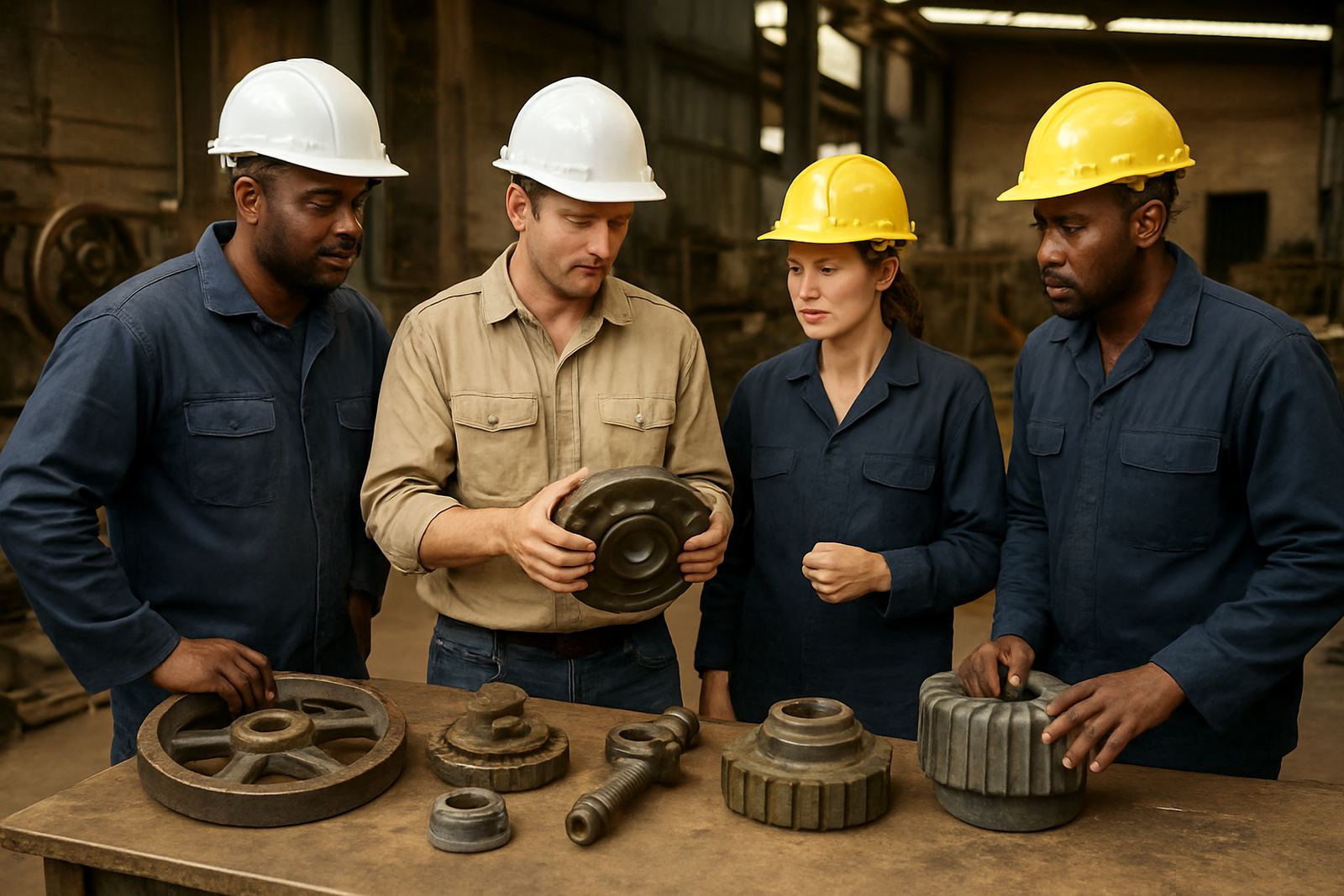
A proper inspection should check profile loss, thickness, cracks, bolt hole condition and any distortion. If the liner has been overheated, badly cracked or worn beyond tolerance, it should not be put back into service. If the wear is steady and the structure is sound, it may still suit another quarry or a different stage in the plant.
For teams working between Middelburg, eMalahleni, Secunda and Lydenburg, this sort of sorting saves time. It also cuts down on unnecessary buying. A part that is inspected, labelled and stored correctly can be matched to a future requirement instead of sitting unused in the yard.
That is why condition reporting matters. Clear photos, measurements and notes on the wear pattern help buyers and sellers make practical decisions without wasting transport or shutdown time.
Using exchange spares to stretch value from worn liners
Exchange systems make sense when parts still have useful life left, but do not need to remain on the original site. For quarry operators, that can mean a lower-cost replacement and less waste going to scrap. It also means a part removed during a planned shutdown can be stored, checked and moved on to a site that can use it sooner.
There are a few rules that help keep the process clean and workable:
- Record the part number, dimensions and wear stage as soon as it comes off the machine
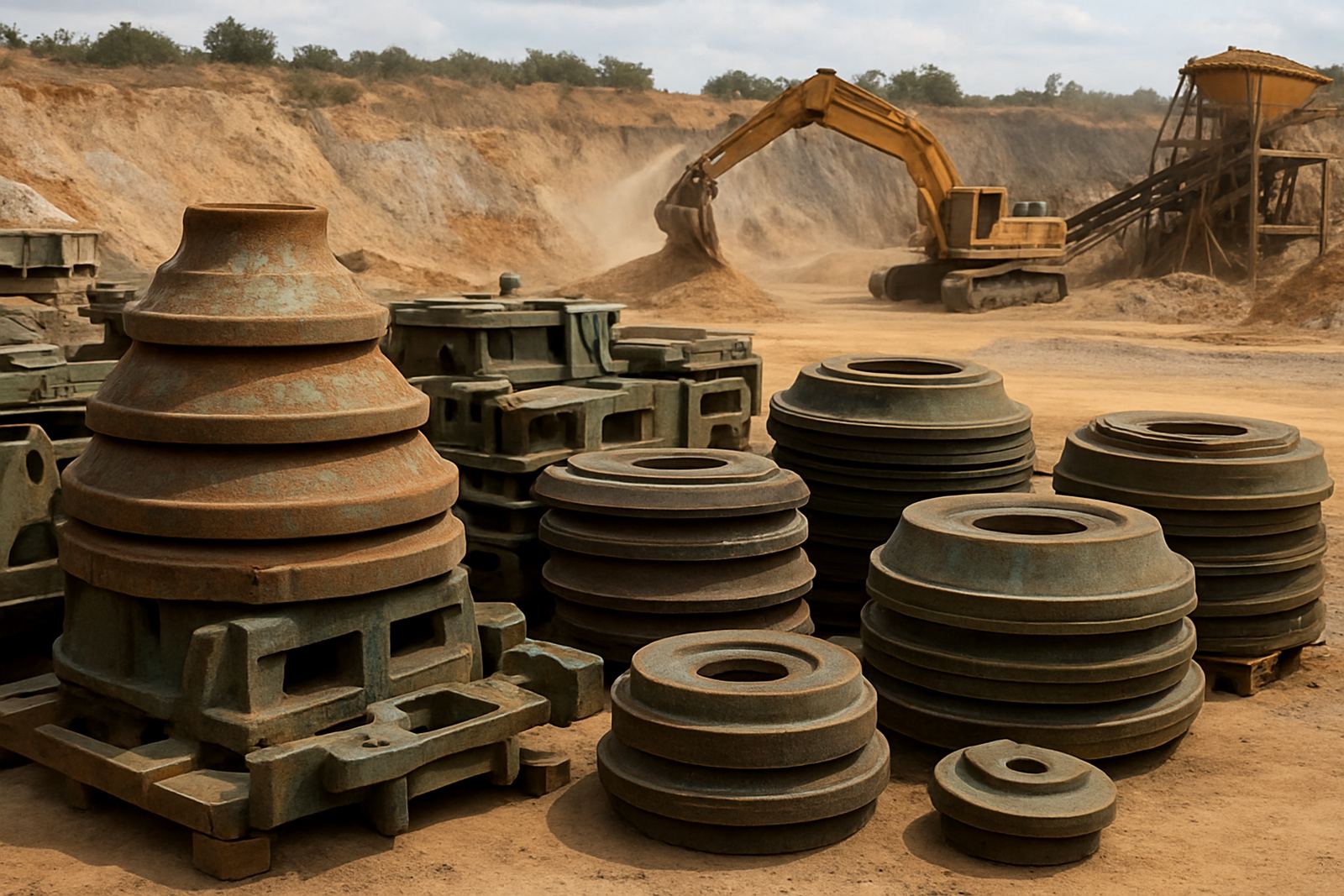
- Keep liners palletised and wrapped where possible to reduce handling damage
- Store parts off the ground and out of standing water
- Separate exchange stock from scrap metal clearly in the yard
- Arrange collection only once the inspection outcome is confirmed
In practice, this helps mines and quarries in places like Polokwane, Pietermaritzburg and the wider Mpumalanga belt manage surplus better. It also supports shutdown sourcing, because a known part can be found faster than starting a fresh search every time a liner reaches the end of its run.
A simple checklist for better liner life on site
A few basic habits can extend liner life and improve the quality of the wear pattern. None of them are complicated, but they do need discipline on the floor.
- Check feed consistency at the start of every shift
- Look for uneven wear during routine walk-throughs
- Measure liner thickness before the part is removed
- Keep records of run hours, setting changes and stoppages
- Inspect stored spares for rust, damage and missing tags
- Plan collections and deliveries around shutdown windows
When a quarry treats liner wear as a source of information, the crusher becomes easier to manage. Operators see trouble earlier, maintenance teams plan better, and spare parts move through the yard with less confusion. That is the practical value of understanding wear basics: fewer surprises, better use of stock, and less money tied up in parts that could have been reused sooner.
For many sites, the real gain is not one big saving. It is the steady advantage of making better calls on every liner that comes off the machine.