Why exchange stock changes the approval clock
On a mine site, the long delay is often not the transport or the fitting, it is the paperwork in between. If a crusher component can be sourced from surplus stock that has already been removed, checked and matched to the right machine, the maintenance team can skip some of the usual back and forth and get on with the job. That matters at sites working under production pressure, especially when a shutdown window is only a few hours or one weekend.
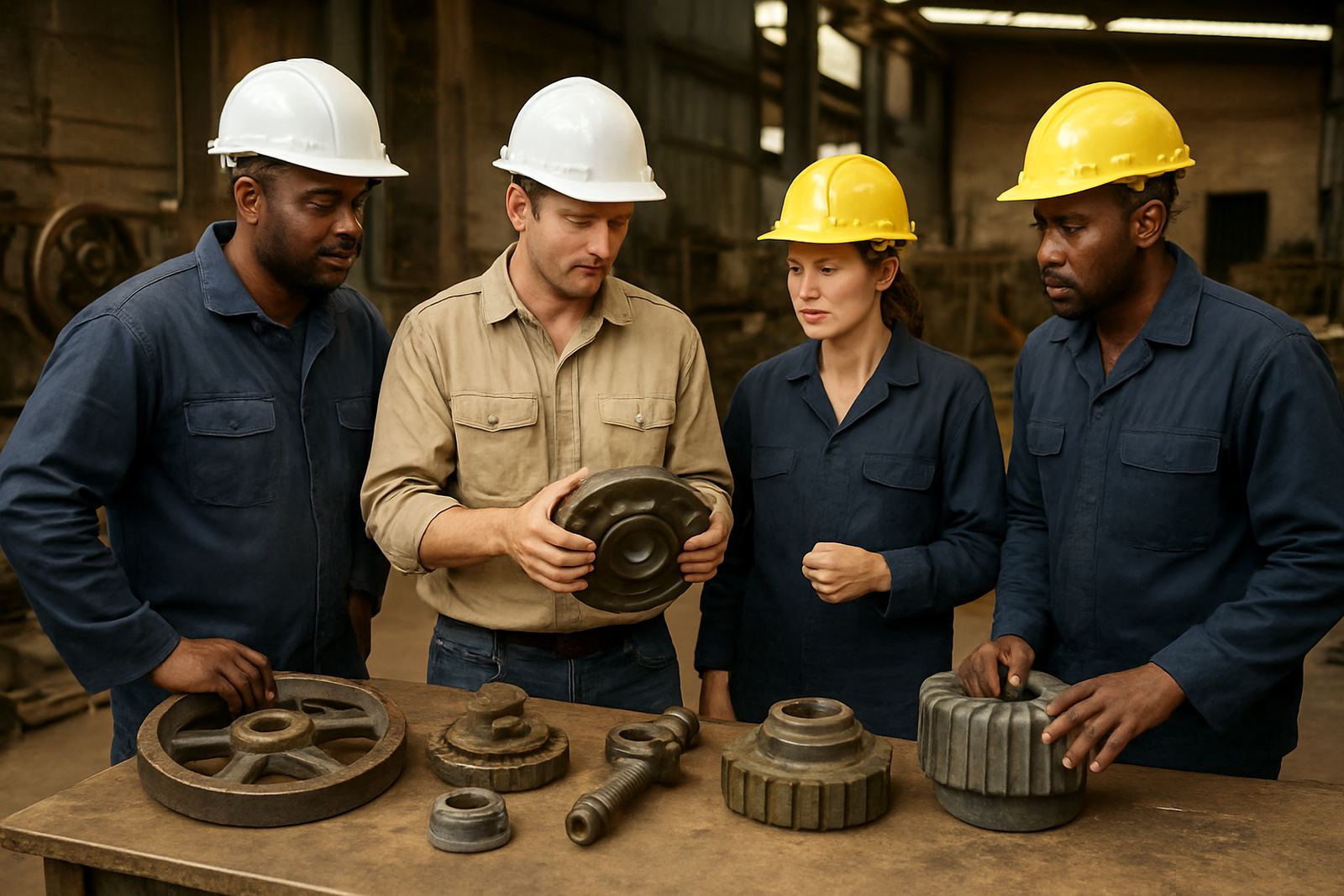
In practice, exchange stock helps by giving the maintenance planner something concrete to approve. There is a part number, condition report, photos, and a clear view of whether it is fit for immediate use, needs rework, or should be kept for spares. That shortens internal sign off and helps stores teams avoid holding up a crew while waiting for another quote to arrive.
What mine sites should check before approving a surplus part
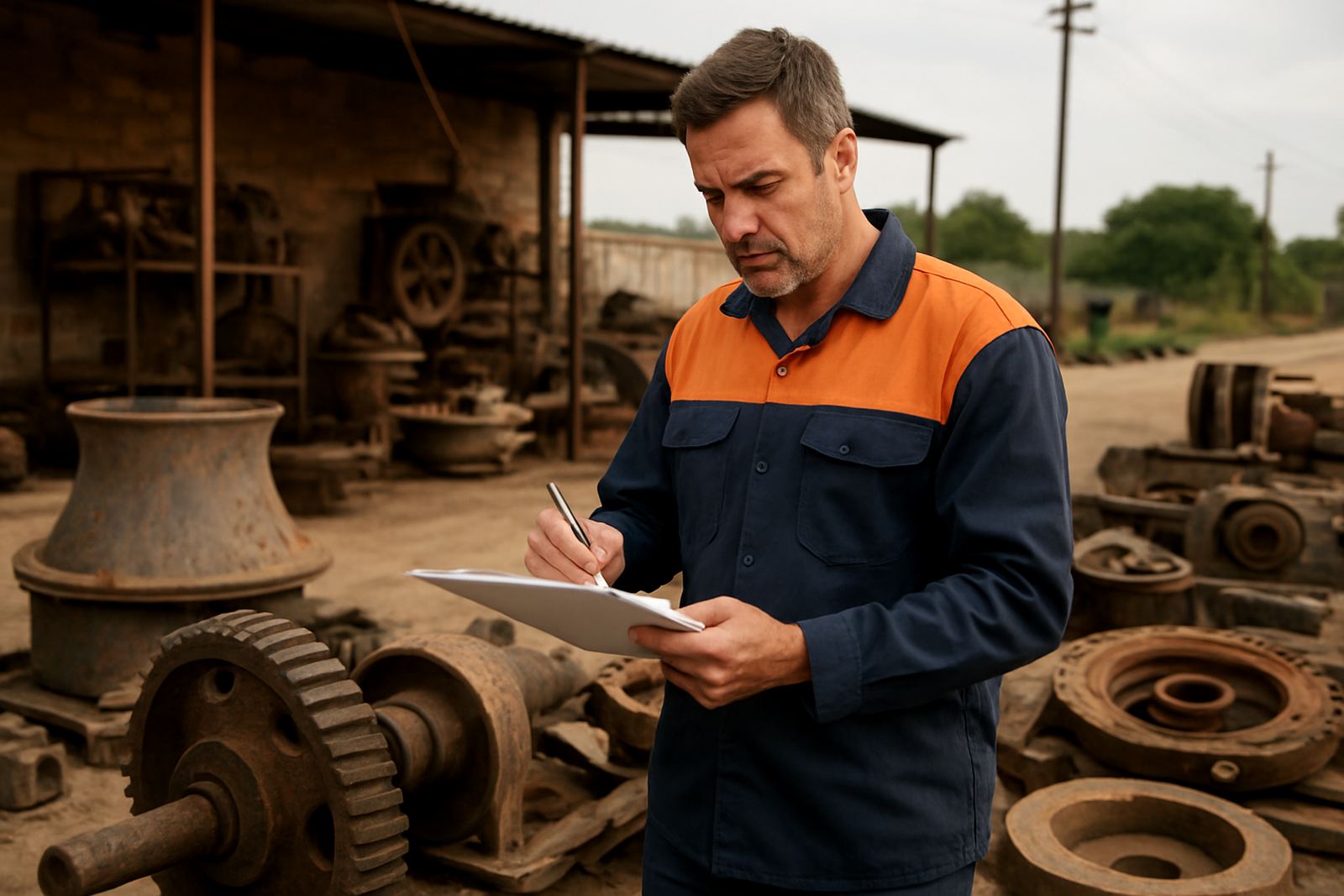
Not every used part is worth buying and not every idle item in a yard should go back into service. A good exchange process starts with inspection and honest reporting, because a small crack, worn bore or distorted seating face can turn a saving into another breakdown. Sites in Middelburg, eMalahleni and Rustenburg often need fast decisions, but speed still needs discipline.
- Confirm the machine model, size and fitting points before collection.
- Ask for a condition report with measurements, wear notes and photos.
- Check if the part needs machining, sealing or only cleaning and fitment.
- Separate scrap from exchange stock so time is not wasted on unusable items.
- Match delivery timing to shutdown dates and shift handover windows.
When that information is ready at the start, the buyer can approve sooner and the maintenance team avoids surprises on site.
How local yards help reduce waiting time
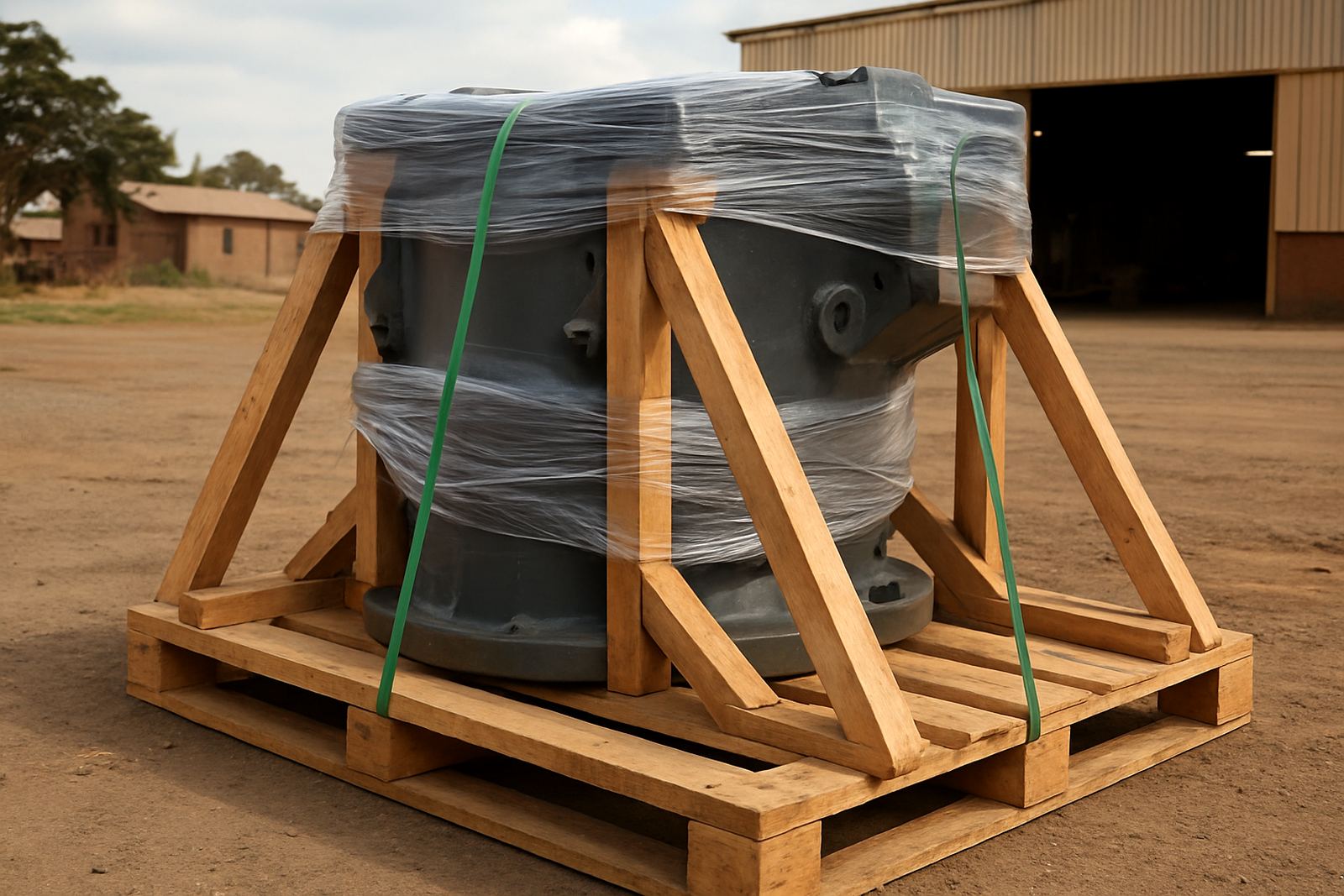
Storage is part of the service, not just a place to leave parts. A proper yard near Middelburg can receive surplus crusher spares from quarries and mines, palletise them, store them safely and release them when a site needs urgent replacement. In Mpumalanga, where dust, rain and load-shedding can all affect handling, covered storage and orderly stock control save a lot of time later.
For example, a quarry near Secunda may have a surplus mantle or wear component that is not needed on its current line. Instead of letting it sit in a corner and corrode, it can be listed, inspected and stored for another site. A mine near Kathu or Pietermaritzburg may then draw from that stock and avoid waiting weeks for a new procurement cycle. That is how one site’s idle item becomes another site’s working part.
A practical example from the Middelburg route
Consider a shutdown on a plant corridor between Middelburg and eMalahleni. The team spots a worn crusher spare during planning and knows a new order will take too long for the shutdown window. An exchange search is opened instead. The part is inspected, condition reported, packed and sent with the collection and delivery plan already mapped out.
By the time the crew arrives, the part is ready for fitment checks and the site can move straight into installation. The difference is not only cost. It is the way the decision was structured: fewer approvals, less waiting on supplier back and forth and better use of the shutdown hours that were already paid for.
- Fewer days lost to quotation chasing.
- Less pressure on store rooms and temporary holding areas.
- Lower risk of buying a brand new part when a serviceable one is available.
- Better planning for mines with irregular power supply and tight production targets.
When to use consignment instead of holding dead stock
Some quarries keep surplus parts because nobody wants to scrap them too early. That is understandable, but storage space has a cost and old stock can become a safety issue if it is not organised. Consignment sales and exchange listings give owners a way to release value without giving the part away. For sites around Polokwane, Lydenburg and Rustenburg, that can free up yard space for active spares and reduce clutter around workshop areas.
If a part is not likely to be used on the current fleet, it should be assessed for exchange or scrap. A clear split between scrap and exchange stock helps procurement teams, finance teams and maintenance supervisors work from the same facts. It also reduces the chance of a useful component being written off too early.
The disciplines that keep exchange moving
Fast turnaround does not happen by accident. It depends on inspection, correct handling and reliable logistics from the first call to the final delivery. The team at Crusher Spare Exchange works from Middelburg and supports quarries and mines across South Africa with surplus listing, part inspections, yard storage, palletising and packing, local collections and nationwide delivery. That means a site can ask for a part, get it checked, and receive it without rebuilding the whole sourcing process from scratch.
For mine maintenance managers, the practical takeaway is simple: build exchange stock into the planning process before the shutdown starts. Keep your list of approved part types current, record what can be exchanged, and use condition reports to make faster decisions. When the right part is already in circulation, the site can reduce delays and keep equipment moving.