Start With the Exact Part Number and Machine Details
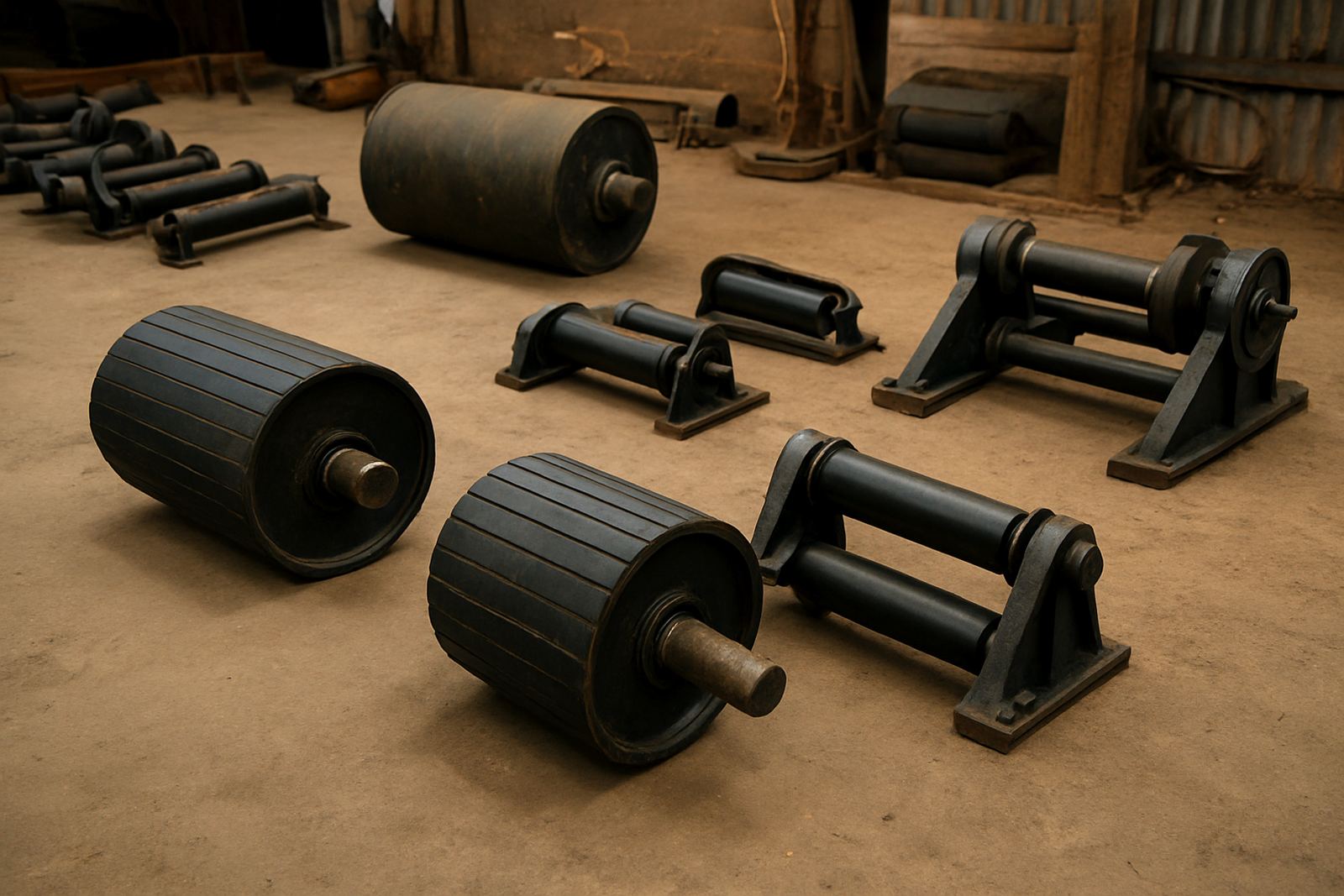
When a spare is sitting in another province, the first risk is not transport, it is buying the wrong item. Ask for the exact part number, the crusher model, the serial number if available, and the year or build range of the machine it came off. A jaw plate, bearing housing or shaft that looks close enough on a photo can still be wrong by a few millimetres, and that is enough to stop a shutdown from going ahead.
At our Middelburg base, we often see buyers in eMalahleni, Rustenburg or Kathu trying to match a part from memory while working under pressure. The safe approach is simple: compare the part against the machine manual, current worn item, and if possible a fitted sample. If you are unsure, ask for measurements on the wear faces, bolt centres, keyways and seat diameters before you commit.
- Crusher make, model and serial number
- Part number or OEM reference if known
- Measurements in mm, not estimates
- Photos of both sides and all contact points
- Any repair work, welding or machining done
Ask for Clear Condition Reporting, Not Just a Photo
A clean photo can hide a lot. Remote buying works better when you ask for a proper condition report that covers wear, cracks, heat marks, corrosion, missing fasteners and any previous rebuild work. For used crusher spares, this matters even more when the part is going into a hard duty site or a plant that runs long shifts. One loose crack line near a stress point can turn into a stoppage within hours.
Good condition reporting should tell you what is serviceable, what needs attention, and what is only fit for scrap or exchange. If the supplier says the part is “good to go”, ask what that means in practical terms. Has it been inspected by someone who understands quarries and mines, or has it only been cleaned and placed on a rack? Those are very different things.
- Ask for close-up images of wear surfaces and mounting points
- Request notes on cracks, distortion and pitting
- Confirm whether seals, bushes, liners or bolts are included
- Check if the part was removed from active service or a breaker yard
- Ask for the inspection date, not just the listing date
Confirm Fitment Before the Truck Leaves the Yard
Fitment checks are worth the effort because returning a heavy component from Polokwane or Pietermaritzburg is slow and costly. Before collection, confirm how the part will sit on the machine, whether the fixing points line up, and whether any additional hardware is needed. A used spare may be the right component but still need small adjustments, cleaning or a change in fastener grade before installation.
For buyers working around load-shedding, planned shutdowns and short maintenance windows, the question is not only whether the part fits, but whether it fits now. If a housing needs machining or a shaft needs a fresh keyway, build that into the schedule upfront. Do not leave it for the fitter to discover on site after the plant has already been opened.
Ask the seller to compare the spare against the original machine dimensions, and where possible request a side-by-side image with a tape measure or vernier reading. A little extra checking at this stage saves a lot of overtime later.
Know What Happens Between Payment and Delivery
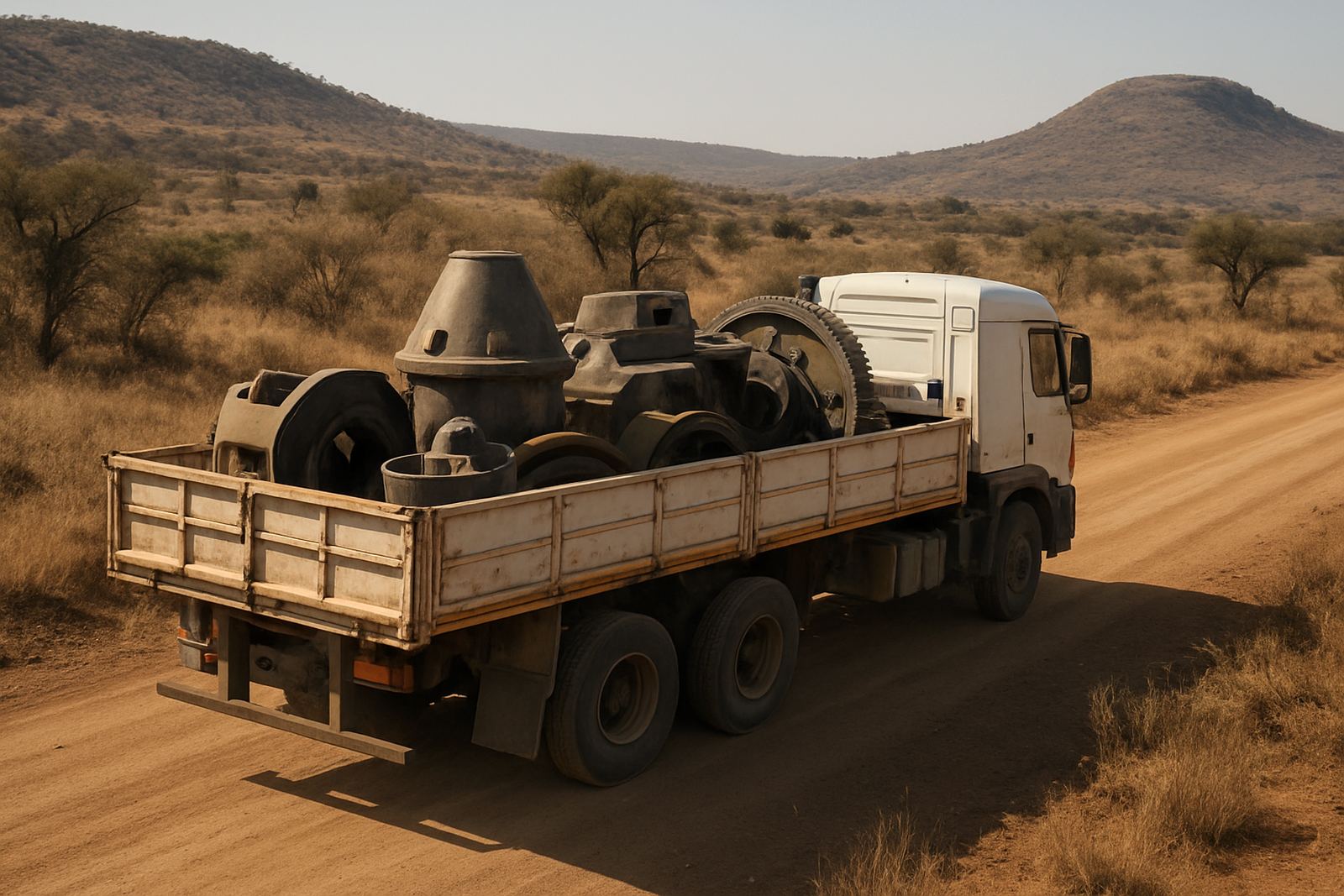
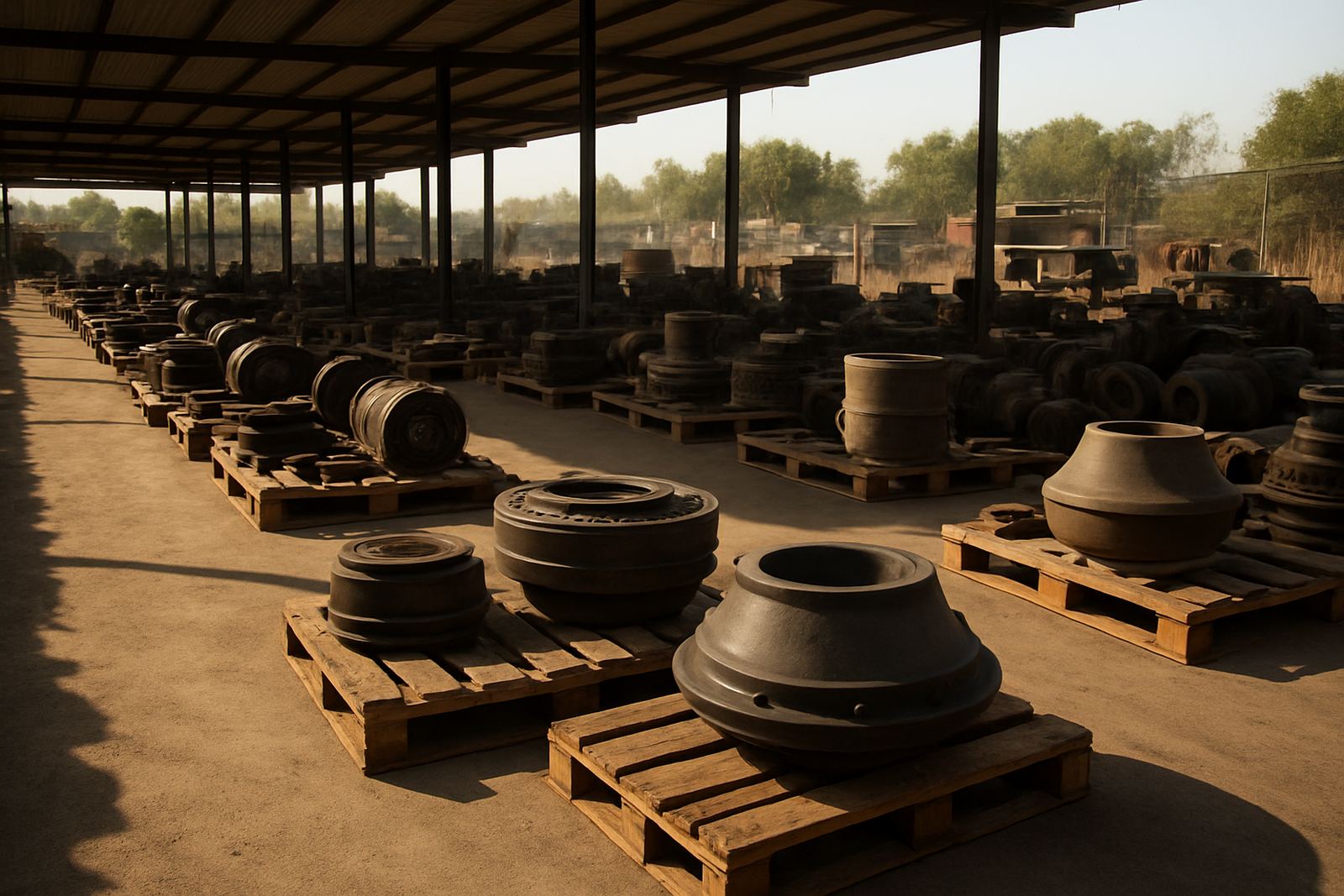
Once the deal is agreed, the next question is storage and movement. If the part is being held in Middelburg before delivery to Secunda, Kathu or Rustenburg, ask how it is packed, protected and marked. Heavy spares need proper palletising, strapping and covering to avoid damage from dust, rain and fork handling. Coastal humidity can also affect exposed steel during longer routes, so protection matters even for inland freight.
Before you pay, confirm the transport method, estimated transit time and who carries the risk if the load is damaged in transit. Ask whether the supplier can handle local collections, nationwide delivery, or storage while you finalise your shutdown date. The clearer the handover process, the less chance of arguments later.
- Who arranges the truck or courier
- How the part will be packed and secured
- Whether insurance is included or arranged separately
- What proof of dispatch you will receive
- Who signs off on receipt at site
Use Exchange Terms When a Part Can Be Reused or Rebuilt
Not every spare should be treated as a straight sale. In many quarry operations, a component may be better handled as a consignment, exchange item or scrap versus exchange decision. That is especially useful when you have surplus crusher spares sitting idle in one region and a shortage in another. It keeps capital moving and reduces waste, which matters when budgets are tight and procurement delays are common.
Ask whether the part can be exchanged, credited or resold if it is not the correct match. Also ask whether any rebuild history is documented. A part that has been sleeved, welded or re-machined may still be useful, but only if the buyer knows the full picture. If the paperwork is thin, you are carrying the risk alone, and that usually costs more than the saving on day one.
A Local Example from a Shutdown in Mpumalanga
A plant in the Middelburg region once needed a replacement component during a short maintenance break, with the next production window only two days away. The part was located in another province and looked suitable in the photos. Before release, the buyer asked for the exact model, the wear measurements, the condition report and a check on the mounting points. That extra step showed the previous fixing holes had been repaired, and the part would have needed work before installation. The team sourced a better match from a nearby exchange stock instead, collected it locally, and kept the shutdown on track.
That is the real value of buying remotely with discipline. You do not only buy the part, you buy time, certainty and fewer surprises on site.
The Questions Worth Asking Every Time
If you are buying from another province, use the same checklist every time so nothing gets missed. Whether the spare is going to eMalahleni, Lydenburg, Rustenburg or a mine near Kathu, the same principle applies: no clear proof, no commitment. The cost of a wrong part is not just the purchase price. It is freight, labour, lost hours and sometimes a full shift lost waiting for the right component.
- Is this the exact part for my machine and application?
- Can you show me the inspection report and measurements?
- Has it been checked for fitment and any repair work?
- How will it be packed, stored and delivered?
- What happens if it arrives and does not match the job?
If you need help with surplus listing, inspection, storage or nationwide delivery, use the enquiry form on our contact page and ask for the details before you commit. A careful remote purchase is usually the one that keeps the whole plant moving.