
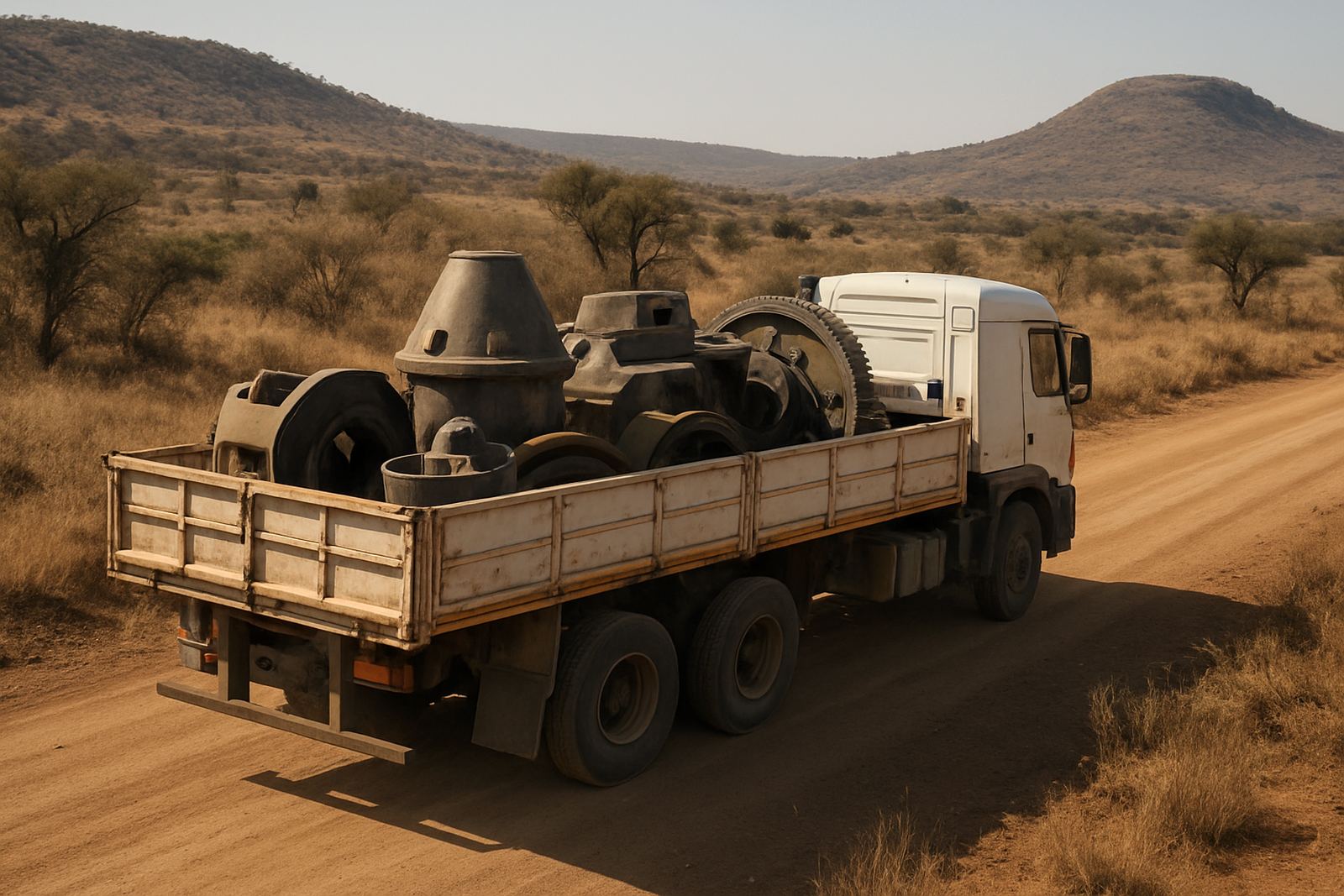
Why remote sites need a different spares plan
When a quarry sits outside the main freight corridors, every spare part has to work harder for its keep. A failed jaw plate, worn mantle or damaged bearing housing is not just a workshop issue. It can hold up a blast schedule, delay tipper loading and leave people waiting for product that should have moved that morning.
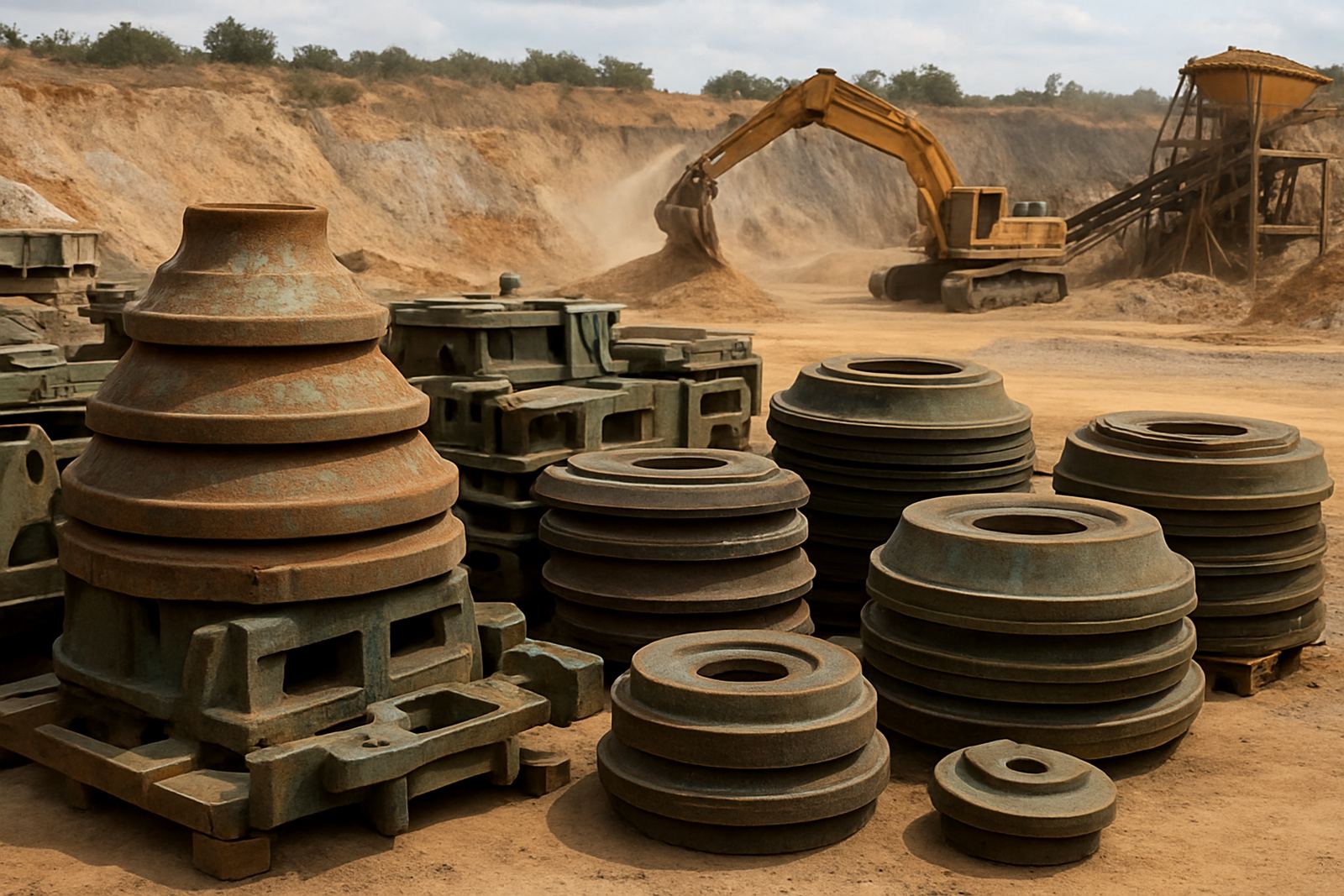
That is why remote operations benefit from exchange stock instead of relying only on new orders from far away. A usable surplus part can be inspected, matched and sent back into service quickly, which is often better than waiting weeks for a replacement to clear a long supply chain. From our Middelburg base, we assist sites in eMalahleni, Rustenburg, Polokwane, Kathu, Pietermaritzburg, Secunda and Lydenburg, where distance and road time matter as much as the part itself.
For remote sites, the practical question is not only what is available, but how it will get there and whether it will fit the machine on site. That is where exchange stock and route planning work together.
How exchange stock reduces dead time
Exchange stock gives quarry and mine teams a way to keep critical equipment in circulation. Instead of scrapping a part that still has usable value, the item can be assessed, listed and moved to another operation that needs it. That approach is especially useful for remote sites where every delivery must justify the kilometres covered.
We focus on surplus crusher spares that can be inspected, condition reported and prepared for dispatch. That means the receiving team gets a clearer picture before the truck arrives. It also means the seller gets better value from stock that would otherwise sit in a yard or be sent for scrap too early.
- Less time waiting for emergency procurement
- Better use of parts already on hand
- Lower waste from surplus stock
- More options during shutdown work
In the quarry sector, a good exchange arrangement is often the difference between a planned changeout and an unplanned stoppage. It also helps with budgeting because you can trade value instead of buying every item at full replacement cost.
Route planning matters as much as packing
A remote delivery is only useful if the part arrives in the right condition and at the right time. That is why route planning is built into the process from the start. A correctly packed pallet, clear labelling and a delivery plan matched to the road conditions can save a site from receiving damaged stock or missing a shutdown window.
South African sites face different transport realities. A mine near Kathu may need long-haul scheduling with careful loading because of distance and heat. A quarry around Pietermaritzburg may be dealing with tight timing around weather, steep access roads and municipal traffic limits. In the Highveld, load-shedding can affect workshop timing, so collections and handovers need to be arranged with some flexibility.
We help with local collections, palletising and packing, and nationwide delivery. For remote operations, that means the part is not just stored somewhere. It is prepared for movement, checked for practical handling and sent with the trip in mind.
- Use palletising for heavy or awkward parts
- Mark lifting points and fragile faces clearly
- Keep fast-moving parts separate from heavy cast items
- Match collection times to site access rules
What to check before sending a surplus part
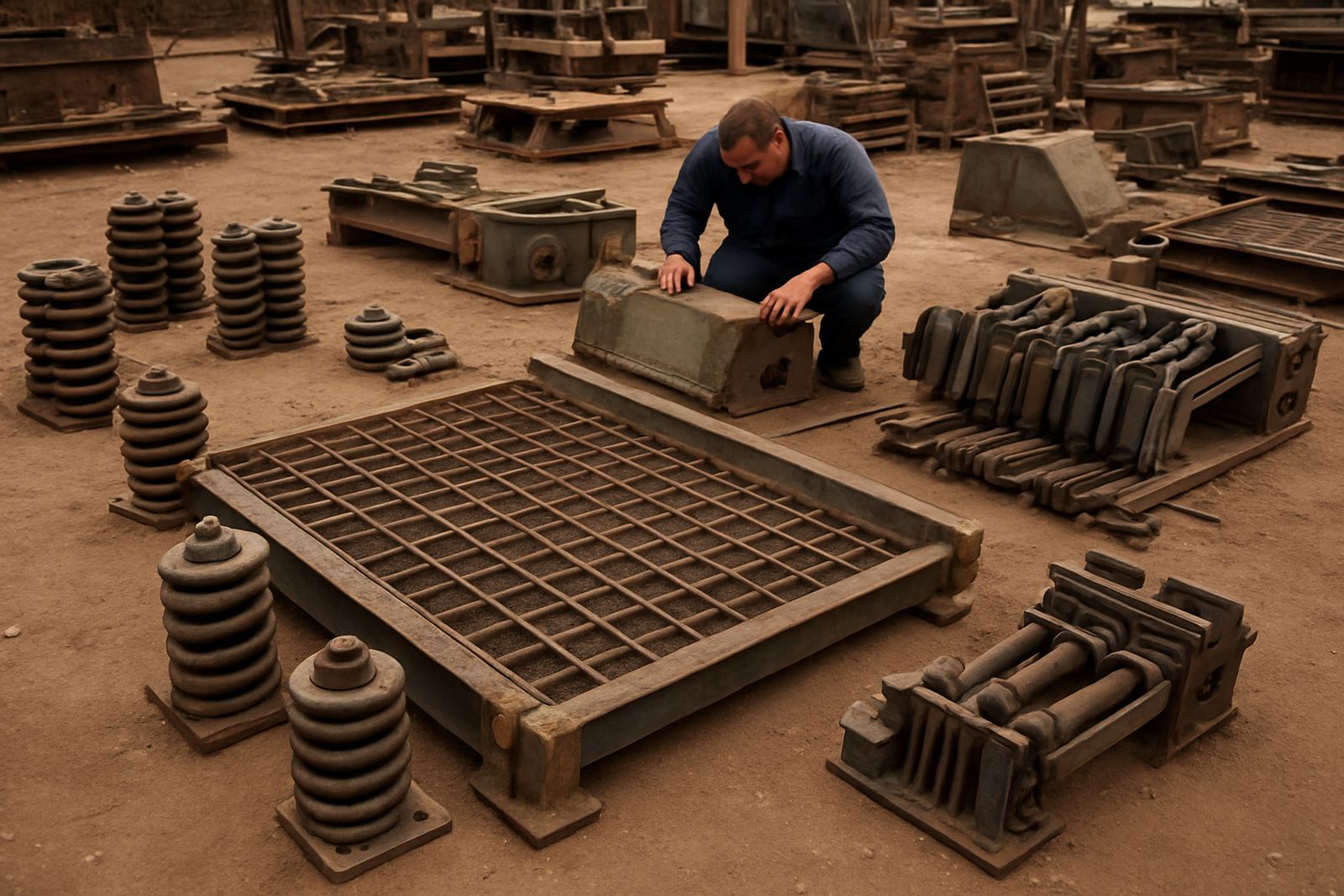
Before a surplus crusher spare moves from one site to another, it should be looked at properly. A quick visual check is useful, but remote operations need more than a glance. Small cracks, worn fixing holes, thread damage and distortion can make a part look serviceable when it is not.
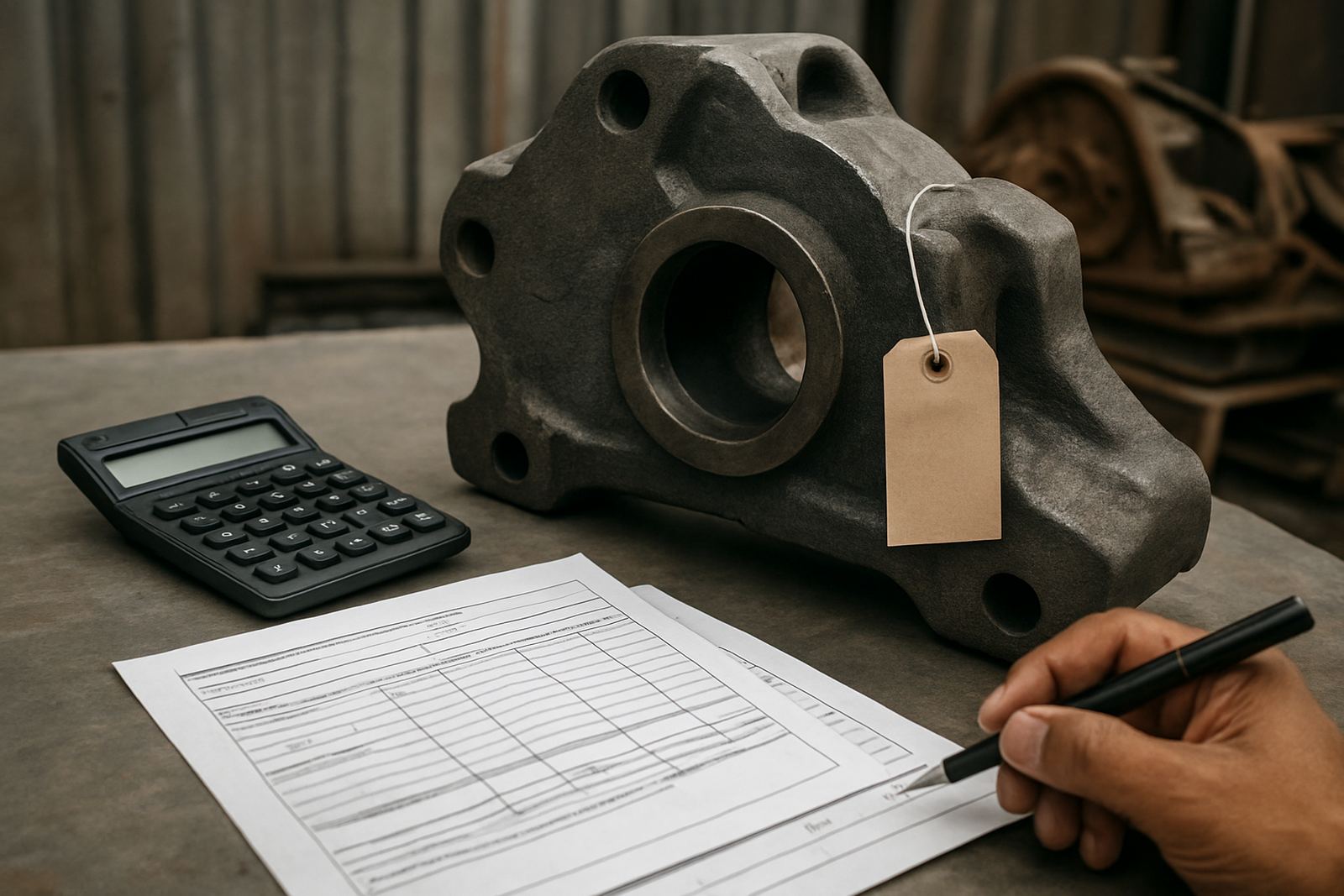
Our inspection process is built to help quarries and mines avoid that risk. We look at condition, identify obvious defects and record what can be reused. For remote buyers, this cuts down on costly surprises. For sellers, it helps set a fair exchange value and avoids unnecessary scrap loss.
Common checks include:
- Dimensional match against the machine type on site
- Wear patterns on contact surfaces
- Corrosion, especially for parts stored in coastal humidity
- Damage from previous removal, lifting or transport
- Whether the item is suitable for immediate fitment or needs workshop attention
That extra step matters when the nearest major supply point is several hours away. A proper condition report gives site managers enough detail to make a decision before the truck rolls.
A Middelburg example from the road
A quarry manager in the Rustenburg Region once needed a set of surplus crusher components for a shutdown after a planned wear change exposed extra damage. The site could not wait for a new order to come through in time. Instead, the team used exchange stock already inspected and ready for delivery from our Middelburg yard.
The job needed more than a simple pick and pack. The parts were checked again, packed for transport and timed to arrive before the maintenance team started the shutdown shift. Because the delivery route was planned properly, the site received the parts in usable condition and the changeout stayed on schedule.
That same approach helps remote operations across the country. Whether the need is in eMalahleni, Secunda, Polokwane or Kathu, the principle stays the same: use stock that has real value, move it with a plan and keep the plant running.
For smaller sites, this can be the difference between carrying large spare inventories on the ground and holding a tighter stock position with more confidence.
How to keep remote spares moving all year
Remote stock management works best when it is routine, not reactive. Quarries and mines that review surplus parts every month usually make faster decisions and avoid the pressure that comes with a shutdown deadline. It also helps when the yard team and site team speak about the same machine model, wear life and delivery timing.
Good habits for remote operations include:
- Listing surplus spares as soon as they are removed
- Separating exchangeable items from scrap early
- Keeping records of dimensions, condition and fitment notes
- Planning collections before the next shutdown starts
- Using one contact point for inspection, storage and delivery
Our team in Middelburg works with quarries and mines that need this kind of practical coordination. Lerato Maseko manages operations, Sibusiso Ndlovu handles inspections, Anika van Zyl leads sales and exchange, Mpho Rakoma oversees logistics, Nokuthula Dlamini supports clients and Johan Steenkamp manages the yard and storage side. That structure matters when a site is far away and time is tight.
For remote operations, exchange stock is not only about saving Rand. It is about keeping the right part in the right place, at the right time, with less waste and fewer delays.