Why feed zone wear shows up first
The feed zone takes the first impact every time rock enters the plant, so it usually wears faster than operators expect. Fines, oversize material, poor chute alignment and inconsistent loading all create uneven scouring at the hopper, throat, discharge point and nearby liners. In the early stages it may only look like a polish or shallow grooves, but once metal starts thinning the damage spreads quickly.
At a Middelburg site, one quarry ran for weeks with a small split in the feed liner because the machine was still making product. By the time the crew shut down for inspection, the wear had moved into the support plate and the feed path was pulling material off centre. That kind of problem is common on busy plants where every hour matters, especially when power cuts, weather delays and limited shutdown windows leave little room for planned maintenance.
What to inspect before the wear becomes costly
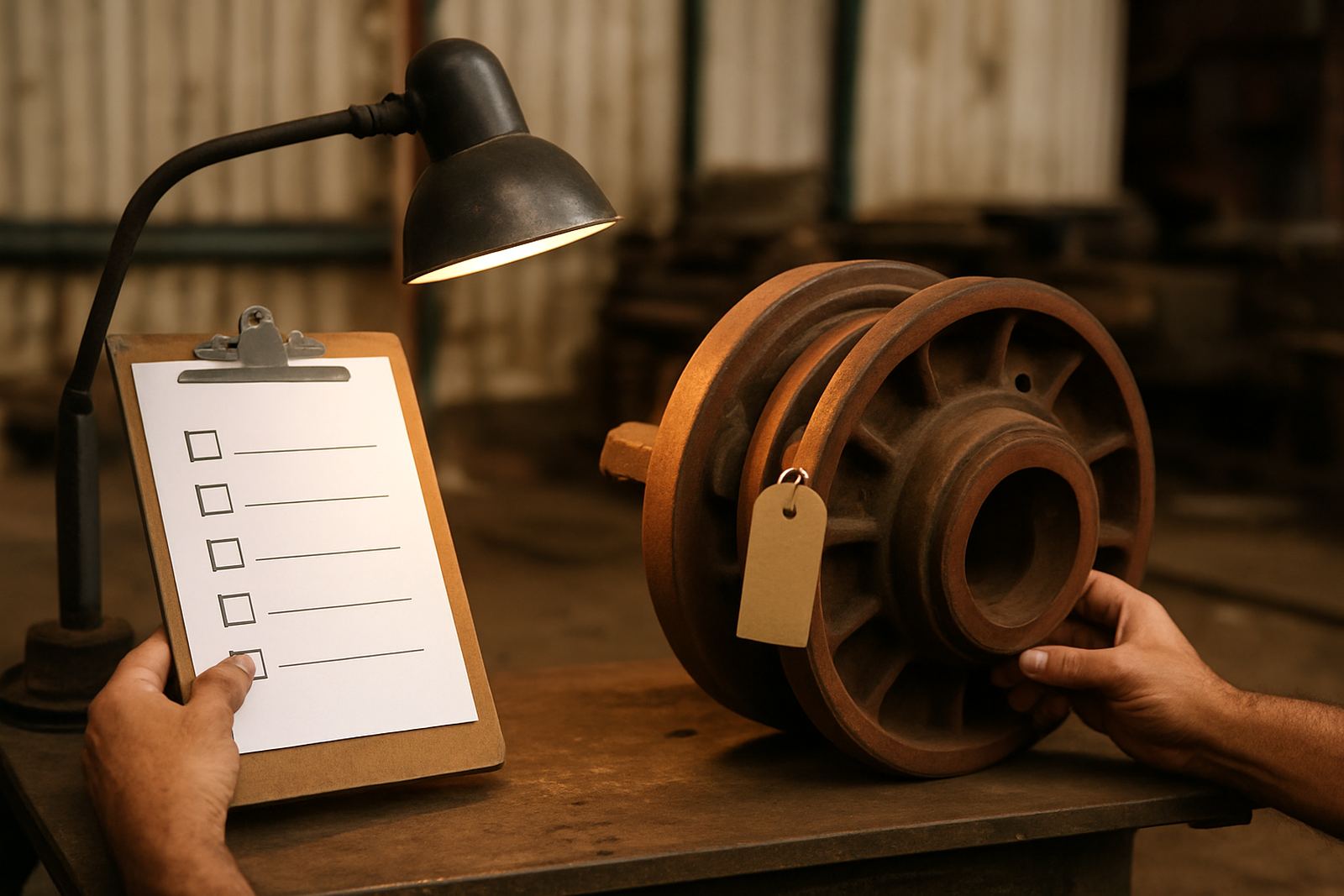
A proper feed zone check should be part of every planned shutdown. Look at liner thickness, bolt condition, chute damage, rock build-up, hanger wear and any signs that material is striking the side rather than the centre. If the feed stream is bouncing, dusting heavily or changing direction, something is already out of line.
- Check for scalloping, cracking and thin spots on liners and plates.
- Inspect bolts, welds and retaining hardware for loosening or elongation.
- Measure wear against the original profile and record the figures.
- Look for vibration, uneven feed and signs of restricted flow.
- Confirm whether the current part still suits the feed size and tonnage.
These notes help decide whether the part can stay in service, needs repair, or should be moved out through exchange. A clear condition report also makes it easier to compare used spares before they are accepted into storage or sent to another site.
How feed zone wear affects the whole circuit
Feed zone damage is not only a local problem. When the entry point wears unevenly, the crusher has to work harder to accept and break the load. That can lift power draw, increase blockages, put strain on bearings and shorten the life of downstream parts. In some cases, the plant operator ends up blaming the crusher when the real issue started at the hopper or feed chute.
Wear at the feed end can also affect product shape and throughput. If the material enters off centre, the chamber fills unevenly and the machine may run with extra recirculation or repeated choking. That means more fuel, more load-shedding risk if the site has to restart under pressure and more man hours spent clearing stoppages. In short, a worn feed zone can turn a simple maintenance job into a circuit-wide cost.
Making the most of surplus spares instead of scrapping them
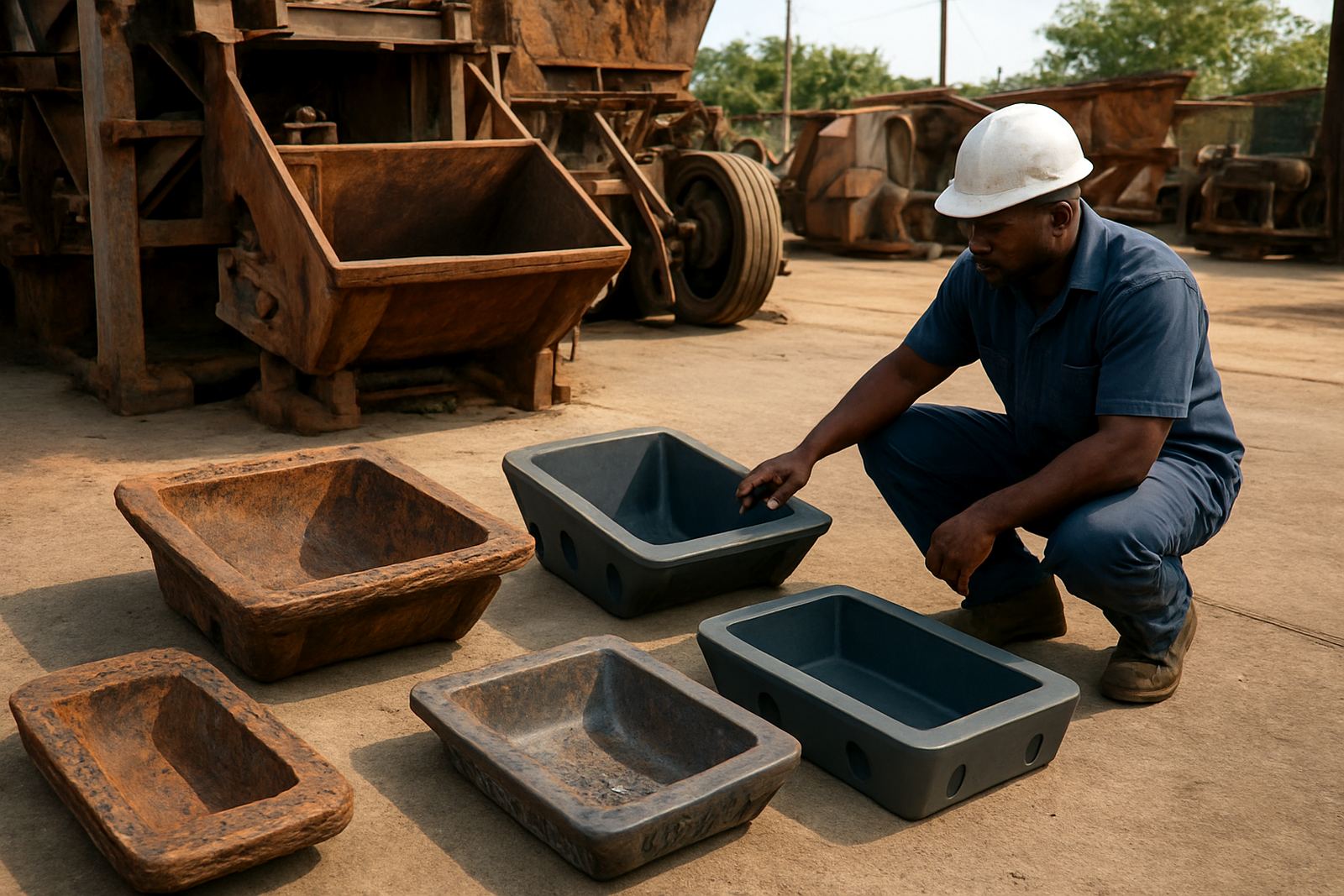
Not every worn feed component belongs in the scrap pile. Some parts still have useful life left and can be exchanged, re-used or moved to a lower duty application. For quarries that keep proper records, surplus spares can be listed, inspected and matched to another site that needs them for a shutdown or urgent repair.
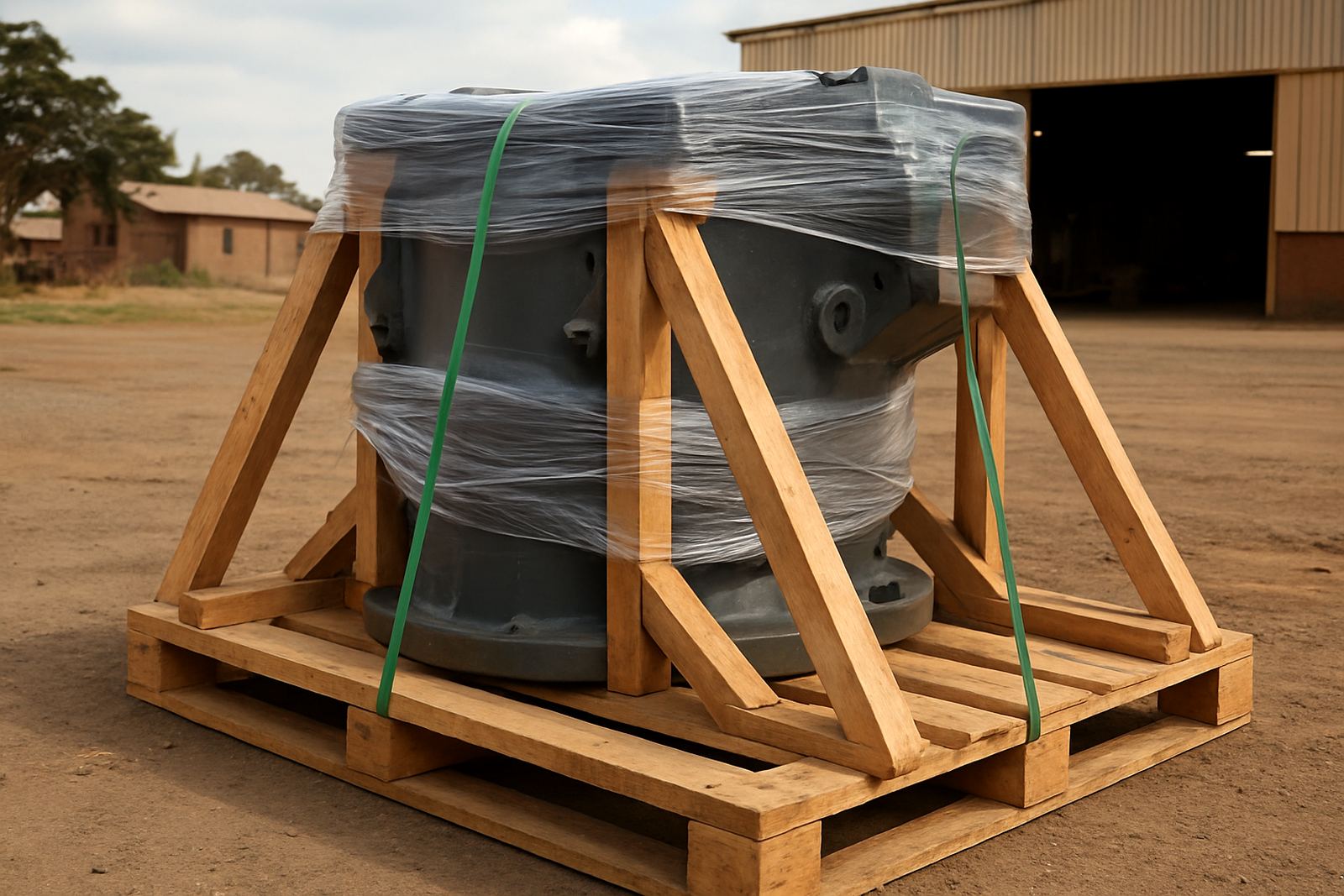
That is where a practical exchange process helps. Parts can be checked for fit, condition and remaining value before any decision is made. If a liner, chute section or support component still has workable life, it can be stored, palletised and delivered to the right region. If it is too far gone, it can be classified as scrap and removed from the active stock list. The aim is simple: keep useful steel in circulation and stop good money being tied up in dead stock.
- Use condition reports to separate reuseable parts from scrap.
- Keep feed area spares grouped by machine type and size.
- Store parts off the ground and protect them from coastal humidity and rust.
- Label each item clearly so shutdown teams can find it fast.
A Middelburg example from a busy quarry yard
One quarry between Middelburg and eMalahleni had repeated wear on the feed entry of its primary unit after a string of wet weeks and irregular loading from the front-end loader. The crew had been patching the liner and running short term fixes, but the wear line kept moving and the stop-start routine was hurting output. When the inspection team measured the part, they found that the centre section was still usable but the side wall had thinned badly.
Instead of replacing the full assembly at once, the site split the problem into two parts. The serviceable section went into storage for exchange, while the damaged section was marked for scrap. A similar part was sourced from another quarry in the region, packed for transport and fitted during a planned stop. That approach reduced downtime and avoided a rush purchase at a higher price. It also showed how local yards can support each other when one site has surplus and another has an urgent need.
How to plan feed zone spares around shutdowns
Feed wear should be managed before the shutdown date arrives. The best time to sort spares is while the plant is still running, not when the team is already waiting on a crane and fitter. Start by checking which feed components usually fail first, then keep a small reserve for the common wear points. If a part has long lead time or is awkward to source, do not wait until the last day.
Practical planning also means matching the spare to the actual site conditions. A dry inland quarry near Kathu faces different wear patterns to a wetter site near Pietermaritzburg, so the same part may not last the same number of tonnes. Feed size, drop height, moisture content and blast fragmentation all matter. When those details are logged properly, a supplier can help find the right surplus item instead of sending the wrong one twice.
- Record the last change date and the tonnage handled since then.
- Keep at least one critical feed spare identified for each major circuit.
- Use shutdown windows to inspect, clean and remeasure nearby parts too.
- Move good surplus items through the exchange before they lose value.