Why a proper condition record matters before any exchange
A part may look usable at first glance, but if the wear profile is uneven or a mounting face has been repaired before, that must be clear before it is listed for exchange. In quarry work, a vague note like "good used condition" is not enough. Buyers need facts they can work with, especially when planning a shutdown, a liner change or a stock swap between Middelburg, eMalahleni and Rustenburg.
A solid record protects both sides. It helps the seller price the item fairly, helps the buyer decide whether it is suitable for immediate fitment, and reduces disputes after collection. It also supports better use of surplus stock, which matters when a quarry is trying to keep costs down while parts lead times stretch out.
Start with clean photos taken from the right angles
Before any measurement is taken, clean off loose dust, grease and slurry so the actual condition shows through. A phone camera is usually enough if the light is good and the part is laid flat on a pallet or clean sheet. In Mpumalanga yards, early morning light works well before the heat builds up and dust starts moving around the site.
Photographs should show the whole part and the details that matter most. If there is a crack, worn edge, chipped tooth or damaged thread, photograph it close up and from one step back as well. That way the buyer sees both the defect and its position on the part.
- Take one full view from above
- Add side views and any mounting points
- Photograph serial numbers, cast marks or part codes
- Include close ups of wear, dents, repairs and missing pieces
Measure the part exactly as it will be fitted
Dimensions are useful only when they can be compared with the machine specification on site. For crusher spares, that usually means recording overall length, width, height, bore size, hole spacing, thickness and any critical face dimensions. Where a part has worn down, note both the current measurement and the expected new or service limit if that is known. A single millimetre can matter on some fitment points.
Use a tape measure, vernier caliper or steel rule where suitable, and write down the unit every time. If the part is uneven or bent, mention that in the note rather than trying to force the measurement into a neat figure. For larger items, say whether the measurement was taken on the longest point, the centre line, or the wear edge.
- Record the measurement unit clearly, usually millimetres
- Note whether the part is new, used, repaired or reconditioned
- State if the item is complete or missing bolts, liners, seals or brackets
- Mark any distortion, warping or out of round condition
Describe wear honestly, not generously
Good condition reporting is plain and direct. If a part has surface rust only, say so. If it has pitting, scoring, a cracked lug or worn seating face, say that too. The best records are the ones that tell the next site manager or maintenance lead exactly what they are getting before transport starts.
At Crusher Spare Exchange, this is especially important when surplus parts move between quarries in Secunda, Polokwane and Pietermaritzburg. A jaw die that still has useful thickness left may be a fit for one operation and not for another. Honest wear notes help us match parts to the right buyer, rather than sending out stock that will only create delay on arrival.
A useful note might read: "Used jaw die, even wear across centre section, minor edge chipping, no visible cracks, mounting holes clean, 18 mm remaining on wear face." That kind of statement gives the buyer something concrete to work with.
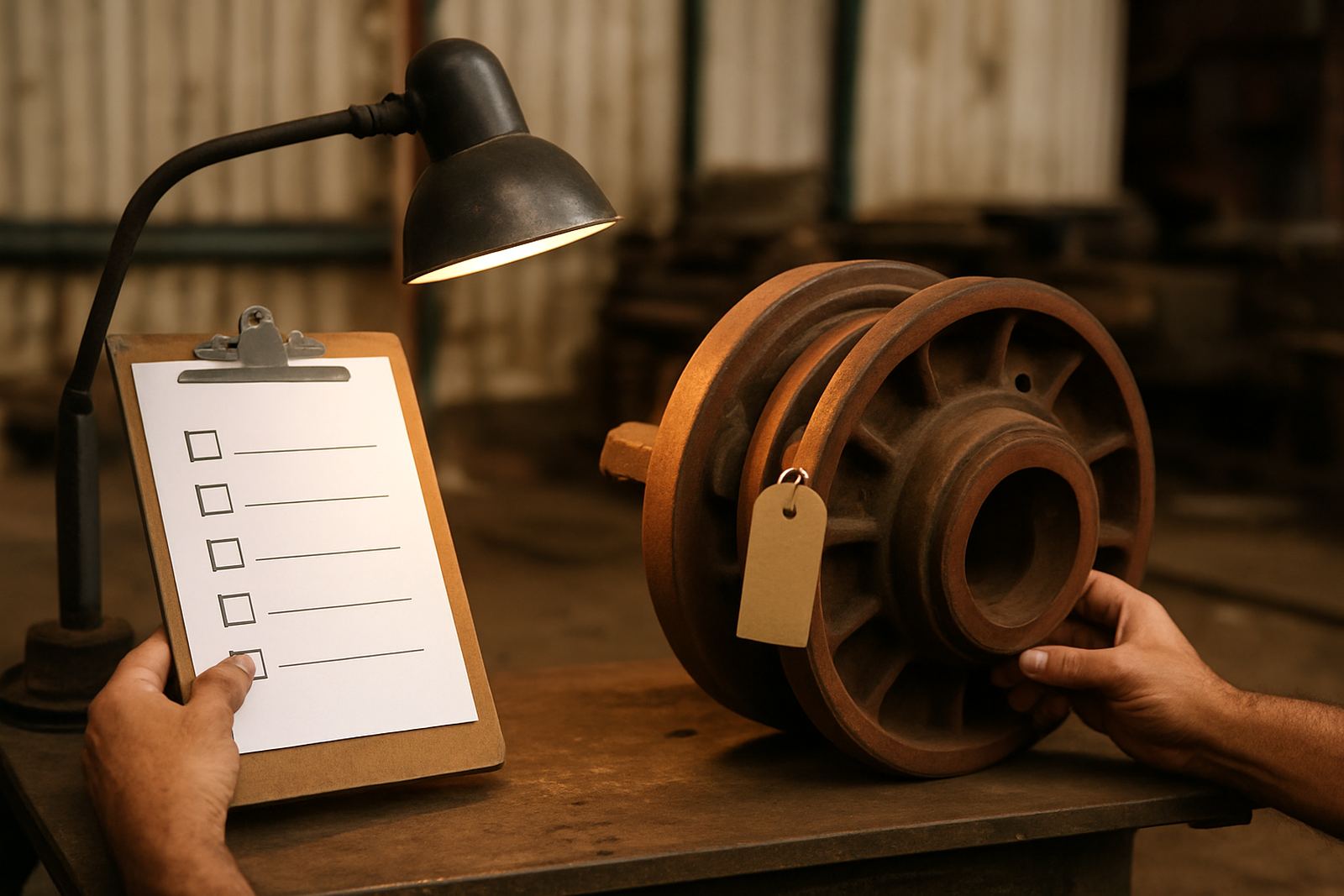
Use a simple checklist for inspection and grading
An inspection checklist keeps the process consistent from one yard to the next. It is useful when stock is being received in Middelburg, stored for a short period, then moved again to a mine or quarry after a sale. Consistency matters because different people may inspect the same item at different stages, especially during shutdown season.
The checklist does not need to be complicated. It just needs to cover the points that affect fitment, safety and value. Our team often records the visual state first, then checks the practical details that decide whether the item should be listed for exchange, held in storage or moved for scrap.
- Part name and machine section
- Condition grade or stock status
- Visible wear and repair history
- Dimensions and key fitment points
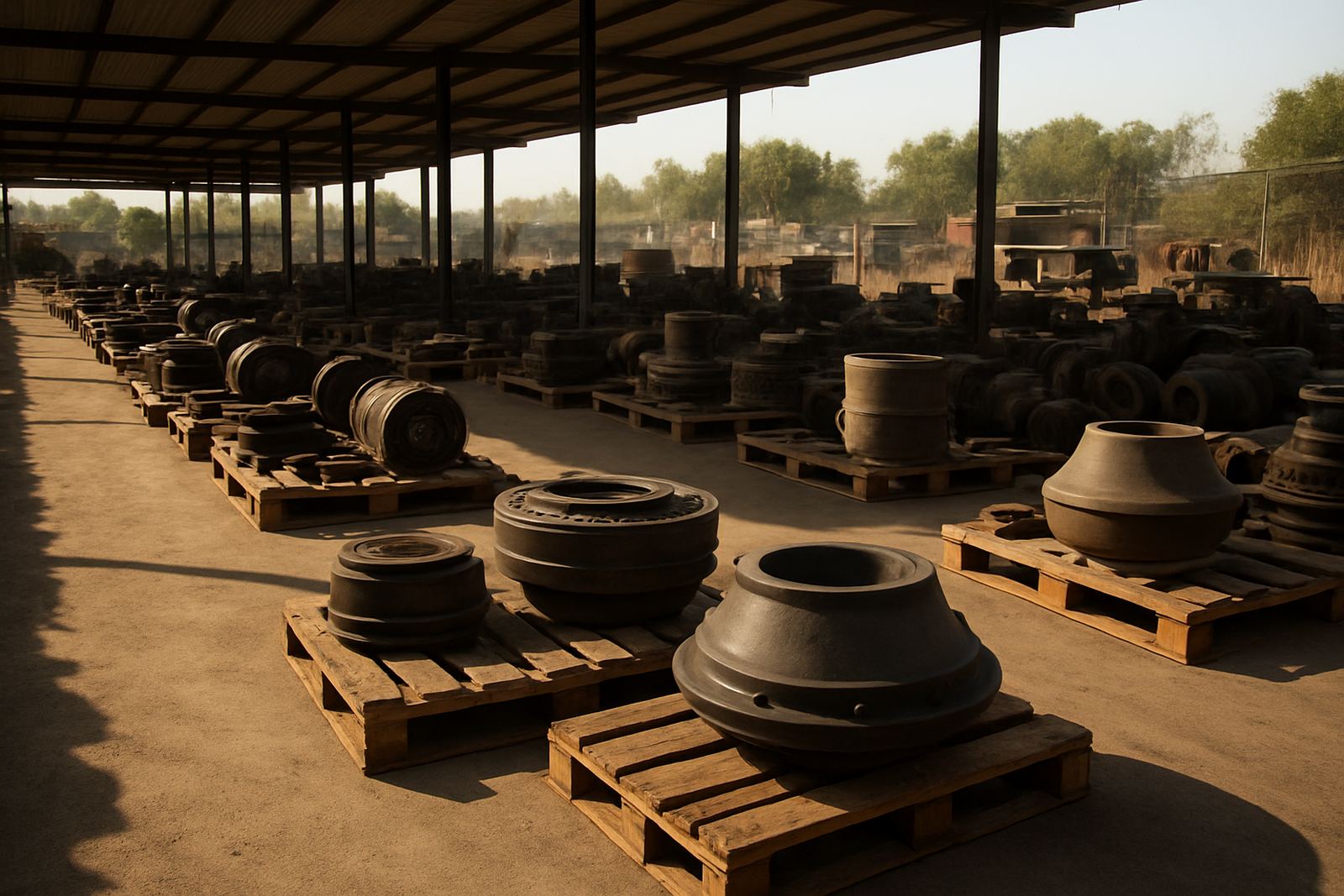
- Storage notes, including palletising or wrapping needs
- Whether the part is ready for collection or further inspection
A Middelburg example from yard to fitment
Consider a used cone crusher part collected from a quarry near eMalahleni after a planned shutdown. The part arrives dusty, with a few chips on the edges and old grease in the mounting holes. After cleaning, the inspection team photographs the wear pattern, measures the critical faces, checks for cracks using good light and marks the item as suitable for exchange rather than immediate scrap. The buyer in Rustenburg can then review the file before arranging transport.
That record saves time at both ends. The seller avoids carrying stock that no longer serves the site, while the buyer gets a clearer picture of what can go back into service. In a region where load-shedding and weather interruptions can affect maintenance windows, having accurate condition notes ready before collection is a practical advantage.
What buyers and sellers should keep on file
Condition records are most useful when they are stored with the rest of the stock history. That makes it easier to compare batches, track repeat items and answer questions when a similar part comes up again. For mines and quarries working across South Africa, a neat record also supports safer yard handling because the team knows what is fragile, what can be stacked, and what needs extra packing.
Keep the file simple enough to use quickly, but detailed enough to be trusted. If a part is moved from Lydenburg to Kathu, the record should travel with it. If there is a later question about whether the part had a repaired section or just normal wear, the photos and notes should answer that without guesswork.
Useful records usually include the date inspected, the person who checked it, the storage location and a short summary of condition. That is enough for most exchange decisions and gives everyone a clear trail from inspection to delivery.