Why Machined Faces Matter More Than Most People Think
On crusher spares, the machined areas do the real work. They locate bearings, seal housings, guide shafts, carry load and keep assemblies running true. If those surfaces are bruised during removal, storage or transport, the damage is often hidden until the part is back in service.
That is why an exchange yard in Middelburg needs more than shelf space and forklifts. It needs a routine for cleaning, tagging, wrapping and checking every critical surface before a part moves from one site to another. A worn liner is one thing, but a scored seating face or corroded journal can lead to vibration, heat build-up and early failure.
In practical terms, protect the areas that touch precision fits first. If a part is being held for a shutdown in eMalahleni or moved to a mine near Kathu, the machined areas should arrive as clean as they were when inspected.
Start With Clean Removal At The Source
The best protection starts where the part comes off the machine. When a used spare is stripped out at a quarry or mine, the team should clean away dust, grease and fines before it is moved. Fine grit from Mpumalanga or Limpopo sites can cling to surfaces and act like grinding paste during transport.
Before a part leaves the plant, check for the following:
- Raised burrs around bolt holes and locating faces
- Open scratches on bearing seats or shafts
- Rust starting on fresh steel after washing
- Impact marks from slings, chains or pry bars
- Loose debris trapped in recesses and keyways
Never drag a part across concrete or drop it onto bare steel. Even a short slide across a yard floor can ruin a finish that took years of service to form. If the item is heavy, use timber skids, padded slings or a pallet with proper support points.
Wrap, Mark And Separate Surfaces That Can Be Damaged
Once cleaned, the next step is to keep machined faces away from anything that can touch, rub or dent them. In storage, parts should not rest face-to-face without packing. A simple layer of protection can prevent damage from vibration on the road between Middelburg and Rustenburg or during loading at a busy yard.
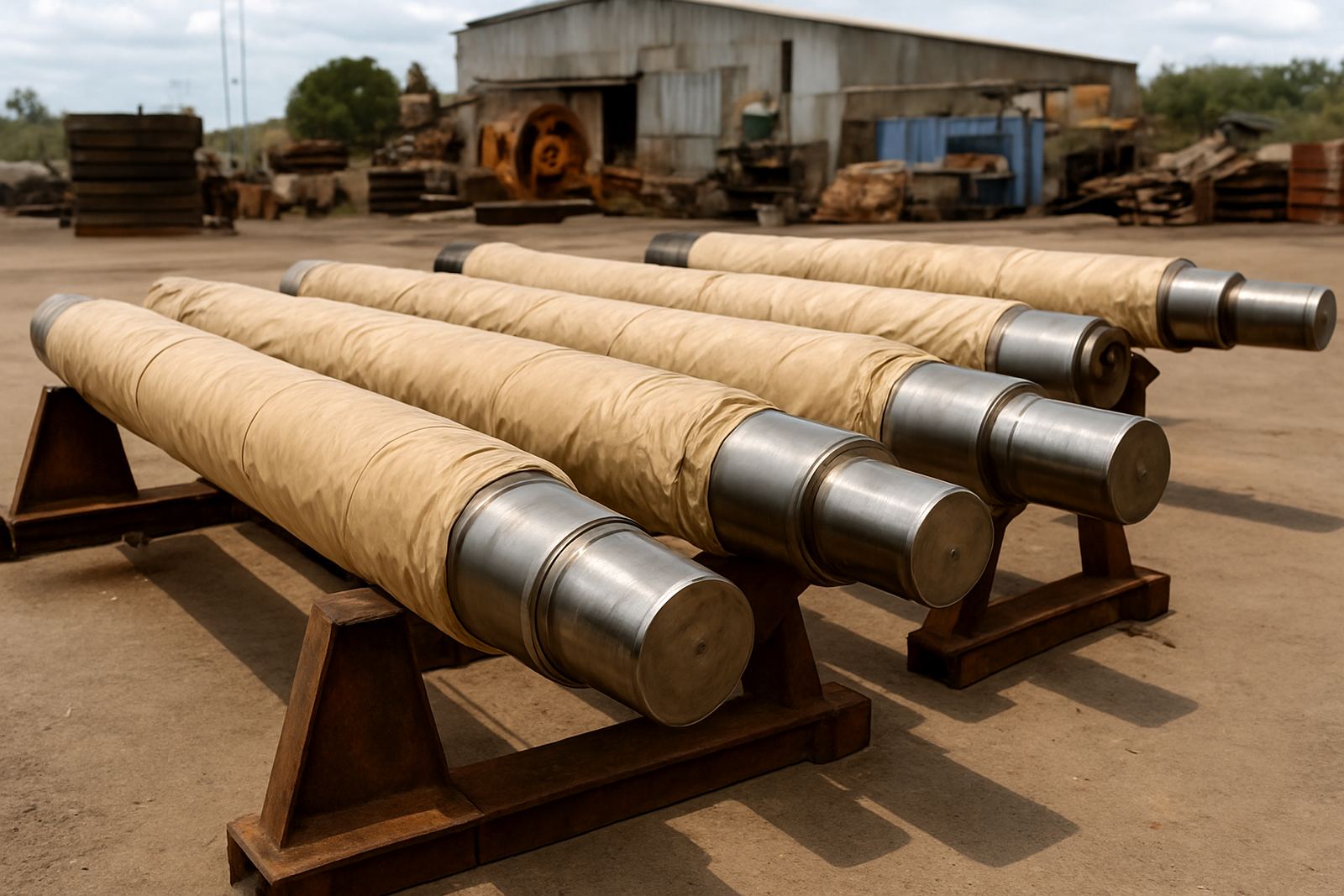
Good storage practice includes using heavy plastic, corrosion-inhibiting wrap where needed, timber spacers and clearly marked holding bays. The aim is not to over-pack everything, but to stop metal from meeting metal unless it has to.
- Cover exposed machined faces with clean, dry wrap
- Use timber blocks to keep flanges off the floor
- Keep small precision parts in labelled crates or bins
- Separate oily items from clean sealed items
- Store parts by job status, not only by size
Labels should show what the part is, the inspection status and any notes on surface condition. If a customer in Polokwane needs a part for a shutdown, they must know at a glance whether it is ready for fitment or still needs dressing and re-checking.
Control Rust In Coastal And Humid Conditions
South African storage conditions vary a lot. A part stored in dry Middelburg will age differently from one travelling to Pietermaritzburg or sitting near coastal humidity on the KwaZulu-Natal side. Moisture is hard on exposed machined steel, especially when parts are left unwrapped after washing or inspection.
To keep corrosion under control, use a dry, ventilated storage area and avoid placing parts directly on bare ground. If the yard is exposed to rain or dusty wind, cover the stock but allow air movement so condensation does not build up underneath the wrap. Condensation trapped inside a tight cover can do more harm than a little dust.
For longer holding periods, inspect the surfaces again at set intervals. A light oil film or suitable protective coating can help, but it should be applied only after the surface is clean and dry. If rust appears, remove it early before it pits the metal.
Inspect Before Packing, Not Only Before Delivery
Inspection is more useful when it happens at each stage, not just at the point of sale. A part can pass a visual check after stripping, then pick up damage while waiting in storage or during palletising. That is why condition reporting needs a second look before dispatch.
A proper surface check should look at more than general wear. Inspect the critical contact areas under good light and, where required, use straight edges or measuring tools to confirm that the surface is still fit for exchange.
- Look for fretting, scoring and galling on contact faces
- Check sealing areas for nicks and pitting
- Confirm keyways and bores are clean and not distorted
- Measure wear where fitment tolerances matter
- Record any rework needed before the part is packed
This process helps avoid unnecessary returns and keeps the exchange stock dependable for clients working on tight shutdown windows. It also supports fair scrap versus exchange decisions, since a damaged surface may change the value and use of the part.
A Middelburg Example From Yard To Shutdown
Take a common case in the Middelburg area. A quarry sends in a used crusher component for inspection and possible exchange. The part is sound, but the machined seats need careful handling because the next buyer may need it for a planned shutdown in Secunda or Lydenburg.
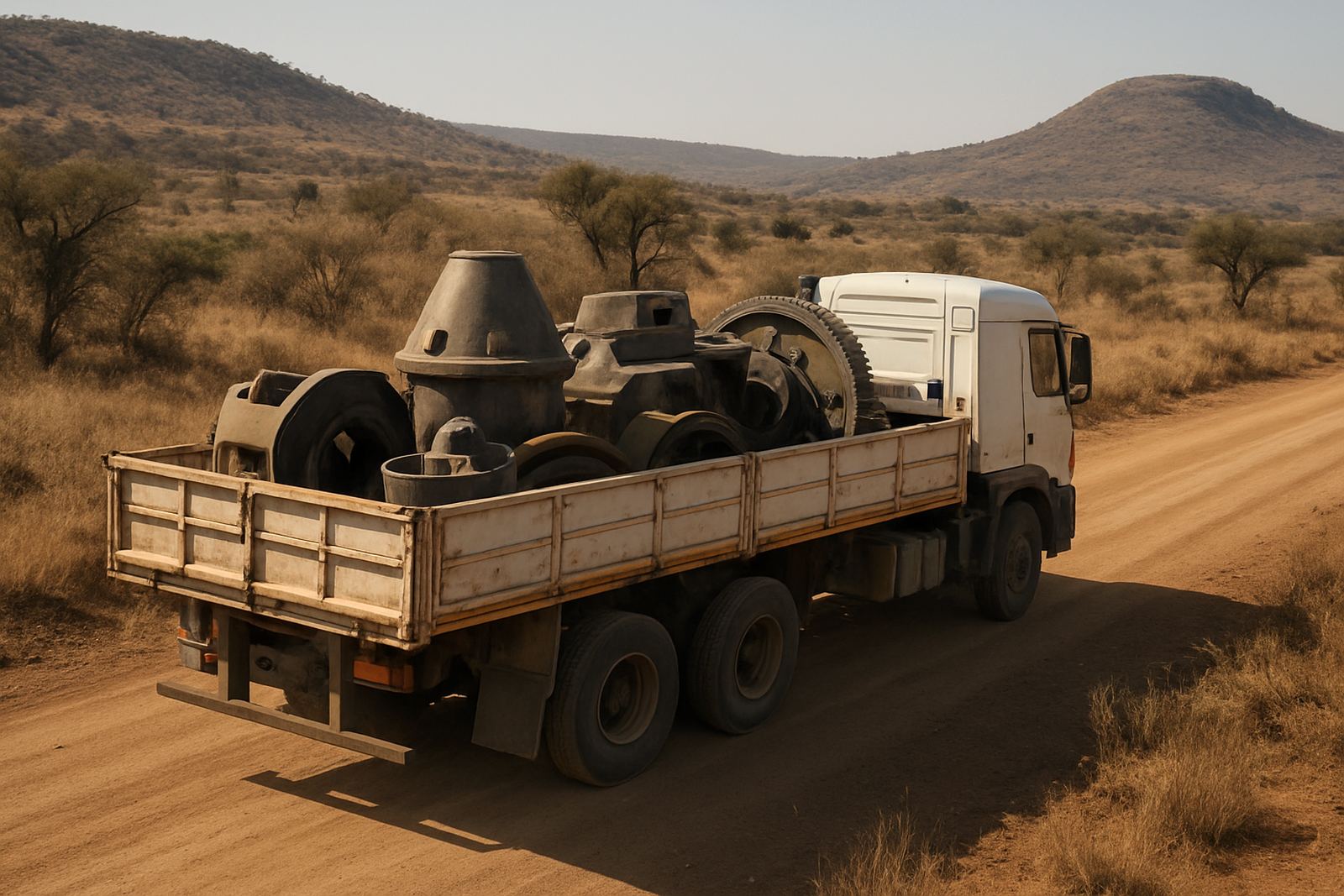
After inspection, the item is cleaned, tagged and lifted onto a pallet with timber runners. The machined faces are wrapped, the edges are padded and the crate is marked for upright handling only. When it is later loaded for delivery, the team avoids chain contact on the finished surfaces and keeps the part separated from heavier scrap in the truck.
That kind of routine sounds simple, but it saves money. A part that arrives with its critical surfaces protected is easier to fit, easier to trust and more likely to stay in service. In an industry where downtime is expensive and spare parts are not always on the shelf, careful handling is not extra admin. It is part of the value.
Build A Handling Standard For Every Yard
The best storage systems are the ones everyone follows. Whether the part is being held at the Middelburg Yard, the eMalahleni Region or the Rustenburg Region, the same standard should apply to cleaning, wrapping, stacking and loading. Consistency prevents small mistakes from turning into costly rework.
A practical yard standard should cover:
- Who signs off the part after inspection
- What protection is used for each type of machined surface
- How long a part can stay in storage before re-checking
- Where heavy, oily and precision items are kept
- How the load is secured for local collections and nationwide delivery
When those steps are followed, used crusher spares stay in better condition, customers get more reliable parts and waste is reduced. That is the point of a proper exchange system: keep useful metal working, not sitting idle with avoidable damage.