
Where exchanged spares save real money
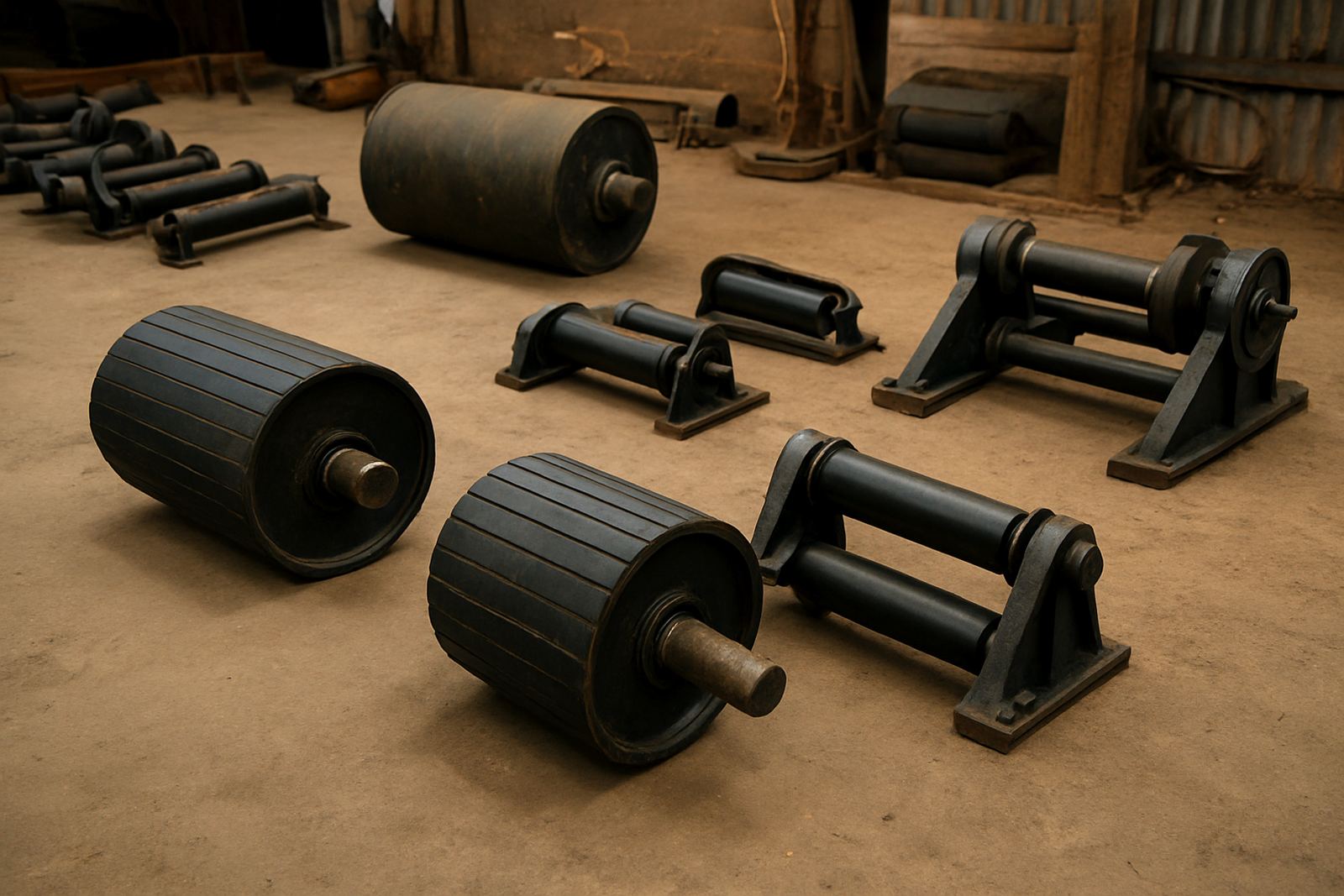
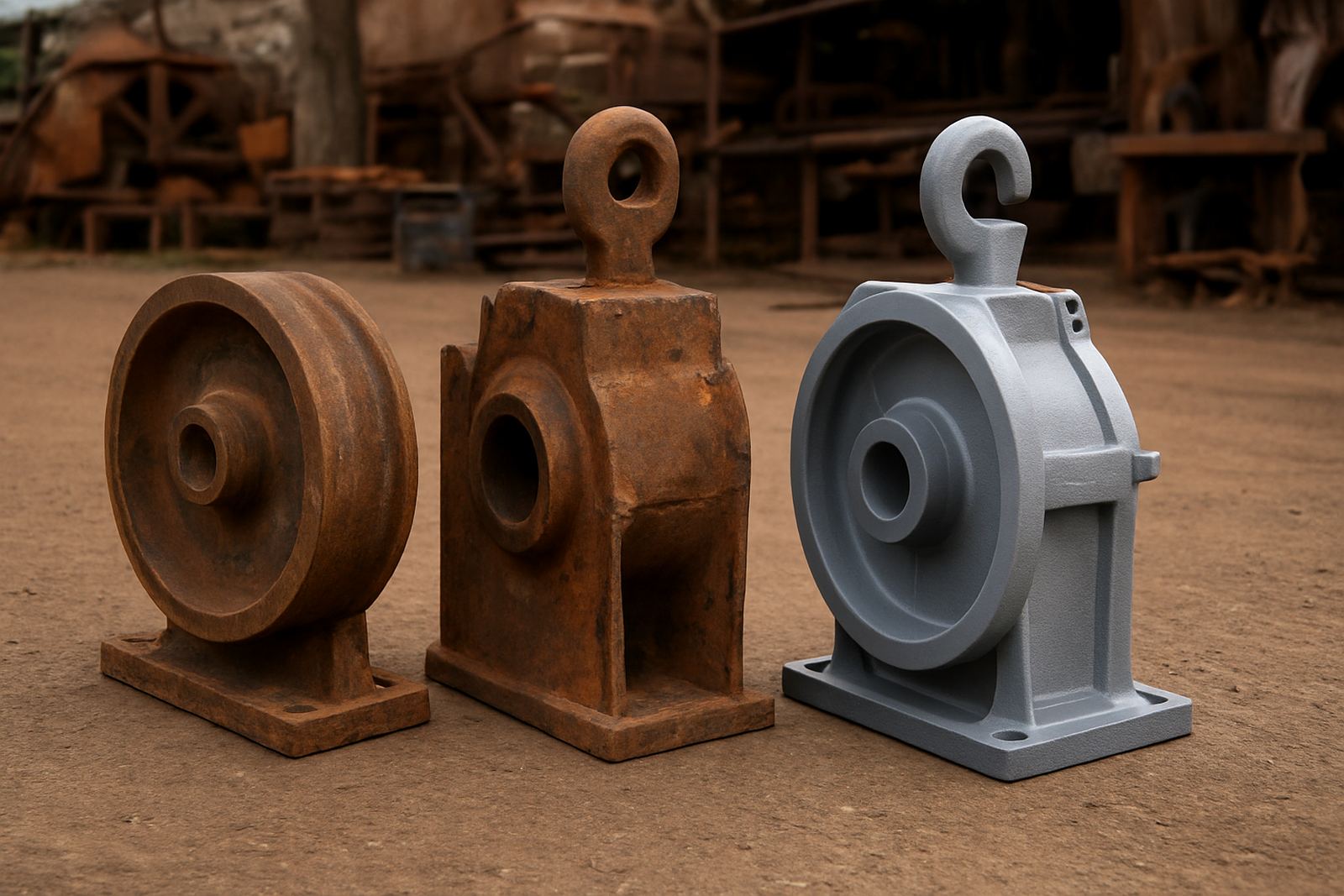
Exchanged spares make sense when the original part has wear, but the working surfaces can still be cleaned, measured and returned to service. In a quarry, that often means housings, shafts, gears, brackets, screens, pulleys and other heavy components that are too costly to buy new each time. If the part can be inspected, repaired and matched correctly, the saving can be significant.
For many sites around Middelburg, eMalahleni and Secunda, the biggest gain is not only price. It is speed. A stocked surplus part that is already in South Africa can keep a shutdown on track when freight delays, port delays or supplier backlogs would otherwise leave plant standing. During load-shedding, that matters even more because every extra hour of stoppage affects production targets and labour planning.
At Crusher Spare Exchange, the exchange route works best when the part is known, measurable and in demand across the quarrying network. If a component still has practical life left, it can move from one operation to another instead of ending up as scrap on the floor.
When new parts are still the safer choice
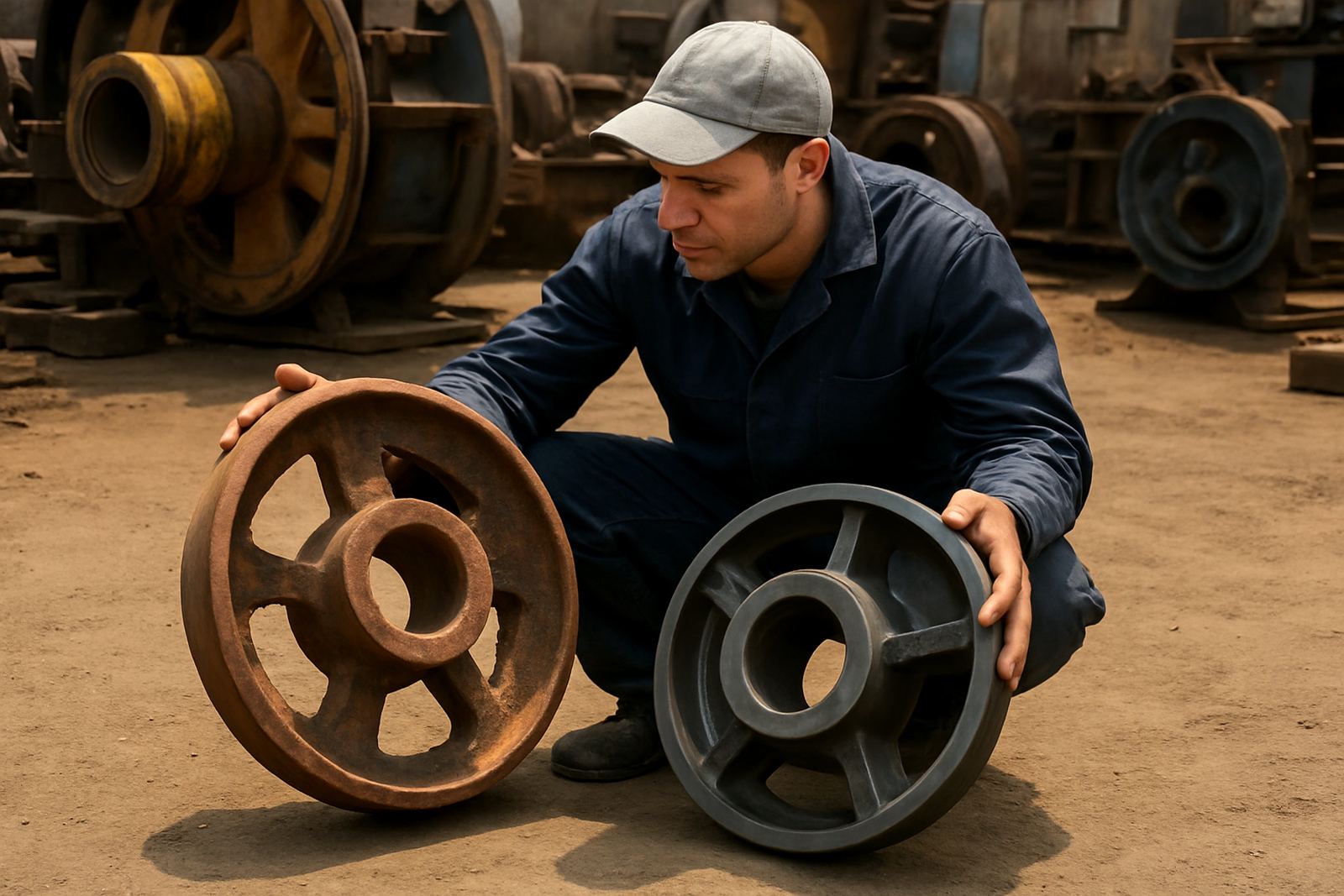
There are times when buying new is the better decision. If a part carries fatigue cracks, heavy distortion, heat damage or repeated failure history, a new replacement is usually the safer option. The same applies where tolerances are tight and a small defect can cause major secondary damage inside the crusher.
New parts also make sense where compliance and warranty requirements are strict, or where the machine is running at high duty with no tolerance for uncertainty. A mine in Kathu running long hours in dust and heat may decide that one critical component must be new because the cost of another stoppage is higher than the saving on a used item.
Some buyers also need a new part when the machine model is newer and there is not yet a healthy exchange market for that item. In those cases, the correct advice is simple: do not force an exchange if the risk is too high.
- Choose new if the part is cracked, warped or heavily worn beyond machining limits.
- Choose new if failure could damage the crusher frame or other expensive assemblies.
- Choose new if the machine maker requires a fresh part for safety or performance reasons.
- Choose new if the downtime cost is lower than the risk of another breakdown.
How inspection changes the decision
The difference between a smart exchange and a bad one comes down to inspection. A proper inspection checks the part number, dimensions, wear points, surface condition, mounting faces and any signs of heat or stress. If the item is going into a hard working plant, it should not be guessed at from a photo alone.
Our Middelburg team uses condition reporting to help buyers and sellers understand what they are dealing with before anything moves. Sibusiso Ndlovu leads inspection coordination, while Johan Steenkamp manages yard storage so parts are kept organised and easy to trace. That way, a quarry in Rustenburg or Polokwane can know whether a part is suitable for exchange, repair or scrap before transport is arranged.
A proper report can also show whether the item is fit for immediate fitting, needs minor work, or should be treated as scrap. That clarity avoids arguments later and saves time for everyone involved.
- Match the exact part number and machine model.
- Check dimensions and wear against usable limits.
- Confirm the mounting points and mating surfaces are sound.
- Record any cracks, welding repairs or heat marks.
The local example: Middelburg to the coal belt and beyond
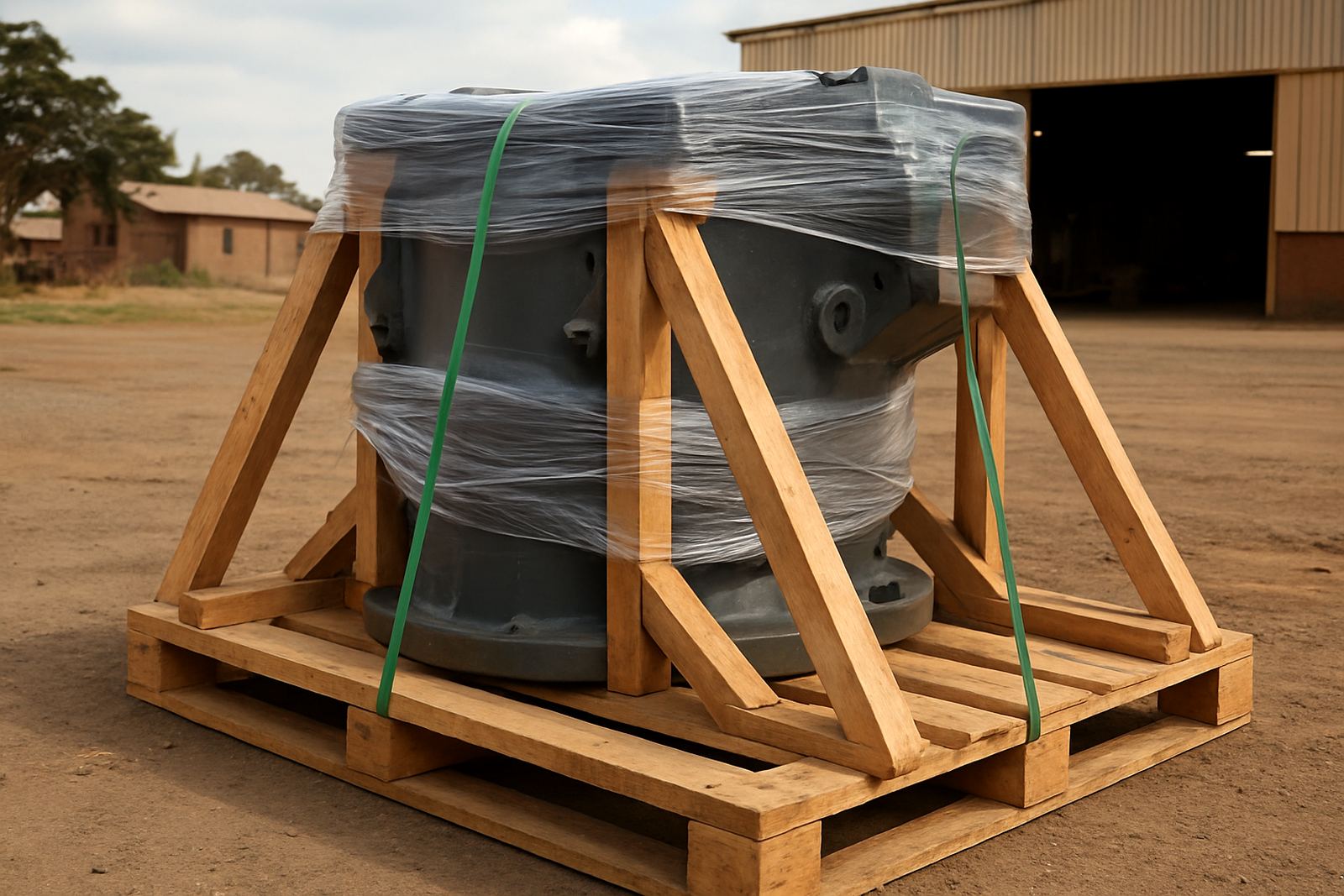
A practical example comes from the coal belt around Middelburg and eMalahleni. A quarry may have a spare component removed during a shutdown because the plant upgraded its setup. Rather than leaving that item in storage for years, it can be listed for exchange, inspected, palletised and moved to another site that needs it urgently.
That is useful for customers in Rustenburg, where quick turnaround can matter during planned maintenance, and for plants in Pietermaritzburg that may need a part moved from the interior to the coast. Coastal humidity can affect how spares are stored, so packaging, wrapping and yard control need attention before delivery. If a part is going to sit for a while, proper storage is better than stacking it under a tarpaulin and hoping for the best.
Thabo Johannes Mokoena and the team support exchanges across the regions from the Middelburg base, with local collections and nationwide delivery arranged according to the part and the urgency. For many businesses, that turns slow moving surplus into working value.
What to do with items that are not worth exchanging
Not every removed part should go through the exchange route. If the item is at the end of its usable life, it may be better to separate scrap from exchange stock early. That keeps the yard tidy and stops time being wasted on parts that will never pass inspection. Lerato Maseko and Mpho Rakoma often work together on this side of the process, so the yard, transport and storage plan stays practical.
It also helps with cash flow. A part that cannot be reused may still have scrap value, while a part that can be exchanged may be worth more if it is cleaned, labelled and stored properly. The key is to know the difference before it gets mixed in with everything else.
- Scrap items with structural damage, severe wear or missing critical sections.
- Exchange items that remain measurable, traceable and suitable for another plant.
- Store reusable spares on pallets or racking to prevent damage.
- Label each item clearly so the next buyer or seller knows what is available.
A simple rule for making the call
If the part is critical, complex and expensive to fail, new may be the better choice. If the part is standard, measurable and still within usable condition, an exchanged spare can be the smarter move. That is the rule we use every day across quarries and mines in South Africa.
It is not about pushing one option for every job. It is about matching the part to the risk, the budget and the timing. Anika van Zyl and Nokuthula Dlamini often help clients compare those factors so they can decide without guesswork.
When in doubt, ask for inspection, a condition report and a fitment check before committing. That small step can prevent a costly mistake, especially when a shutdown is already under pressure and the next delivery window is tight.