Why a part can look right and still fail in the crusher
On paper, many crusher spares appear interchangeable. In practice, a few millimetres in a liner profile, a different shaft length, or the wrong mounting pattern can stop a planned exchange dead in its tracks. That is why fitment checks matter just as much as the condition of the steel itself.
Across quarries and mines in Middelburg, eMalahleni and Rustenburg, the common problem is speed. A plant needs to keep moving, spares are short, and someone finds a part that looks close enough. Once it reaches site, the crew discovers the bolt holes do not line up, the wear face sits wrong, or the component clashes with existing guards and housings. The part may still be useful, but not for that machine.
Most costly exchange mistakes can be prevented with better checks upfront. That saves transport, time, and the awkward job of sending a heavy item back on another truck.
The measurements that should never be skipped
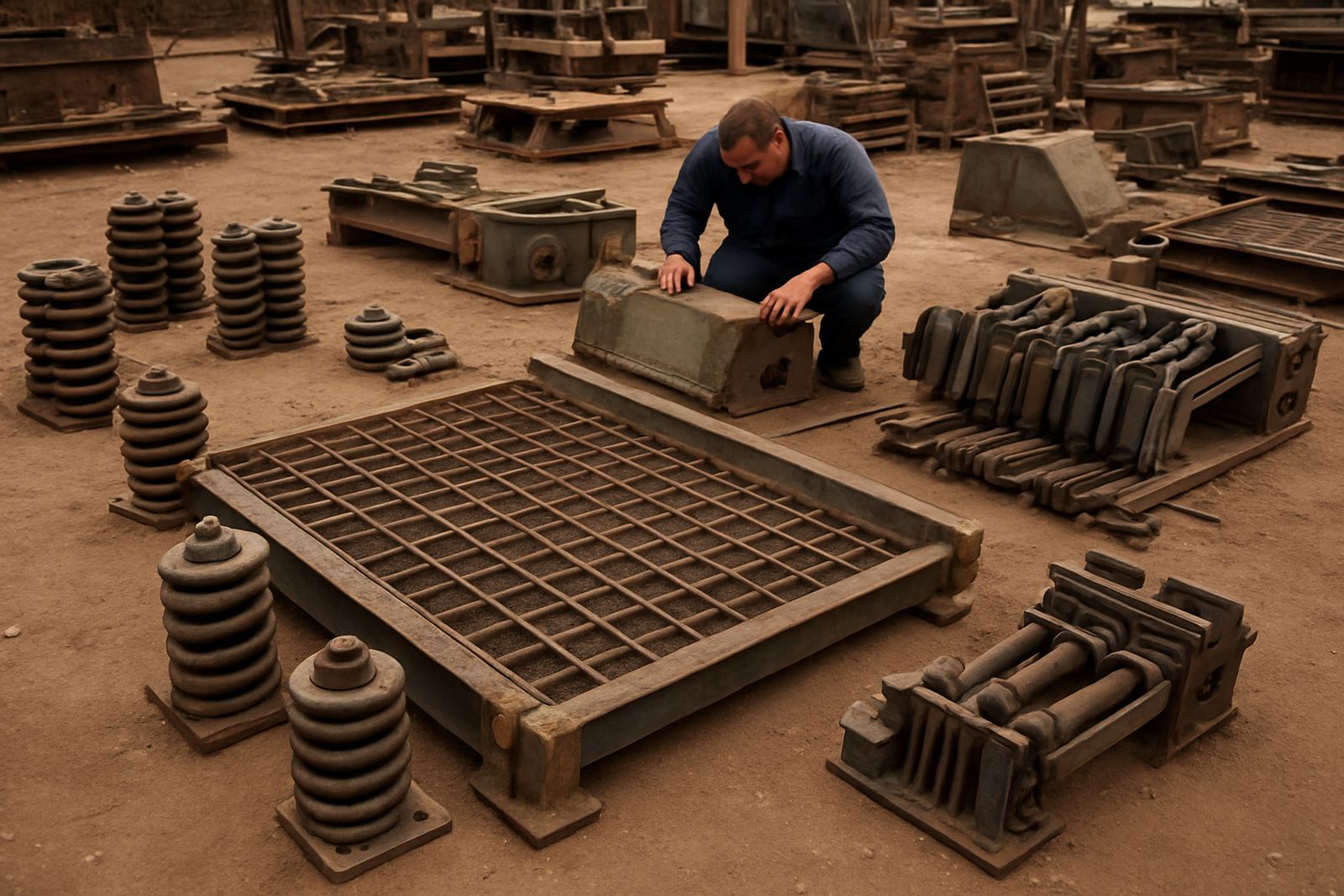
Before any surplus crusher spare is listed for exchange, the basics need to be recorded in full. A quick description is not enough when the part is meant to fit a working plant with tight tolerances and limited shutdown time.
At minimum, the following details should be checked and written down:
- Machine make and model, including the exact variant if known
- Part number or casting number where visible
- Overall length, width, height and weight
- Bolt hole spacing, hole diameter and fixing pattern
- Wear face, seating surface and mating edges
- Direction of rotation or handedness if applicable
- Any repairs, build-up welding or machining done previously
If a customer is in Kathu or Pietermaritzburg and the spare must travel a long distance, those measurements matter even more. A small mismatch becomes an expensive freight problem. It is better to reject a questionable item early than to send out a load that will sit in the yard at the other end.
How inspection notes protect both buyer and seller
Clear condition reporting reduces arguments later. A good inspection note does not try to oversell the part. It says what is present, what is missing, and what the wear looks like today. That makes the exchange fair for both sides.
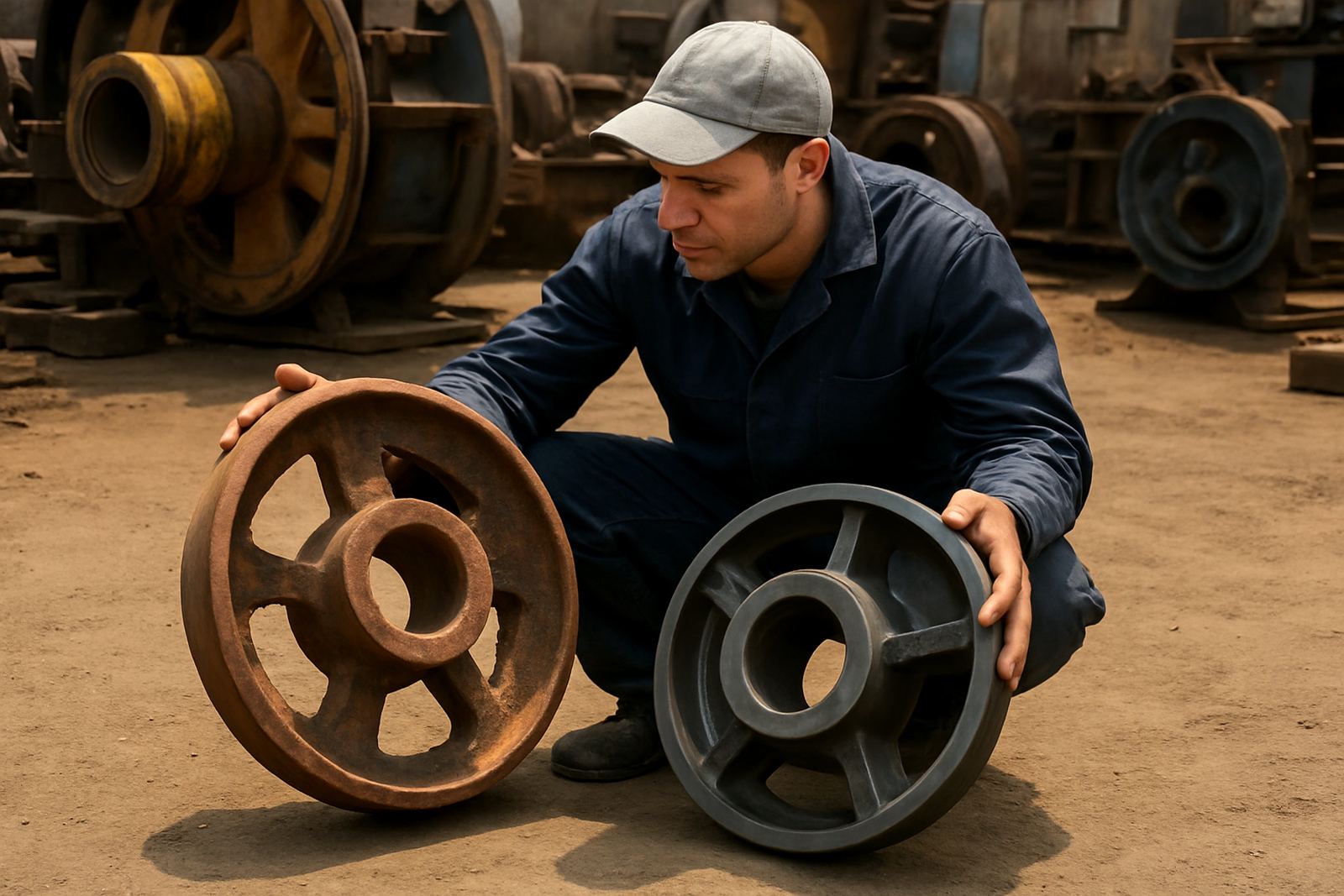
At Crusher Spare Exchange, inspection should focus on practical fitment issues, not only general appearance. A part can be clean and still have a cracked lug, egg-shaped holes or a hidden bend. Likewise, a rough-looking part may still be perfectly suitable if the critical dimensions are correct and the wear is within working limits.
- Check for visible cracks, distortions and heat damage
- Record repaired areas and note if they are load-bearing
- Confirm whether machining has changed the original size
- Photograph serial marks, casting marks and mating surfaces
- State whether the part is suitable for immediate use or only for rebuild
This kind of note helps the client decide whether the item is a direct fit, a rebuild option, or scrap vs exchange. It also helps the logistics team decide how it should be packed and handled, especially during load-shedding disruptions when cranes and forklifts may be running on tighter schedules.
Local plant conditions that affect fitment in the real world
South African quarry sites are not all the same, and that affects how spares behave after exchange. A part going into a dusty inland site near Secunda faces different conditions from one heading to the humid coast around Pietermaritzburg. Corrosion, contamination and vibration all play a role in how quickly a component starts to fail.
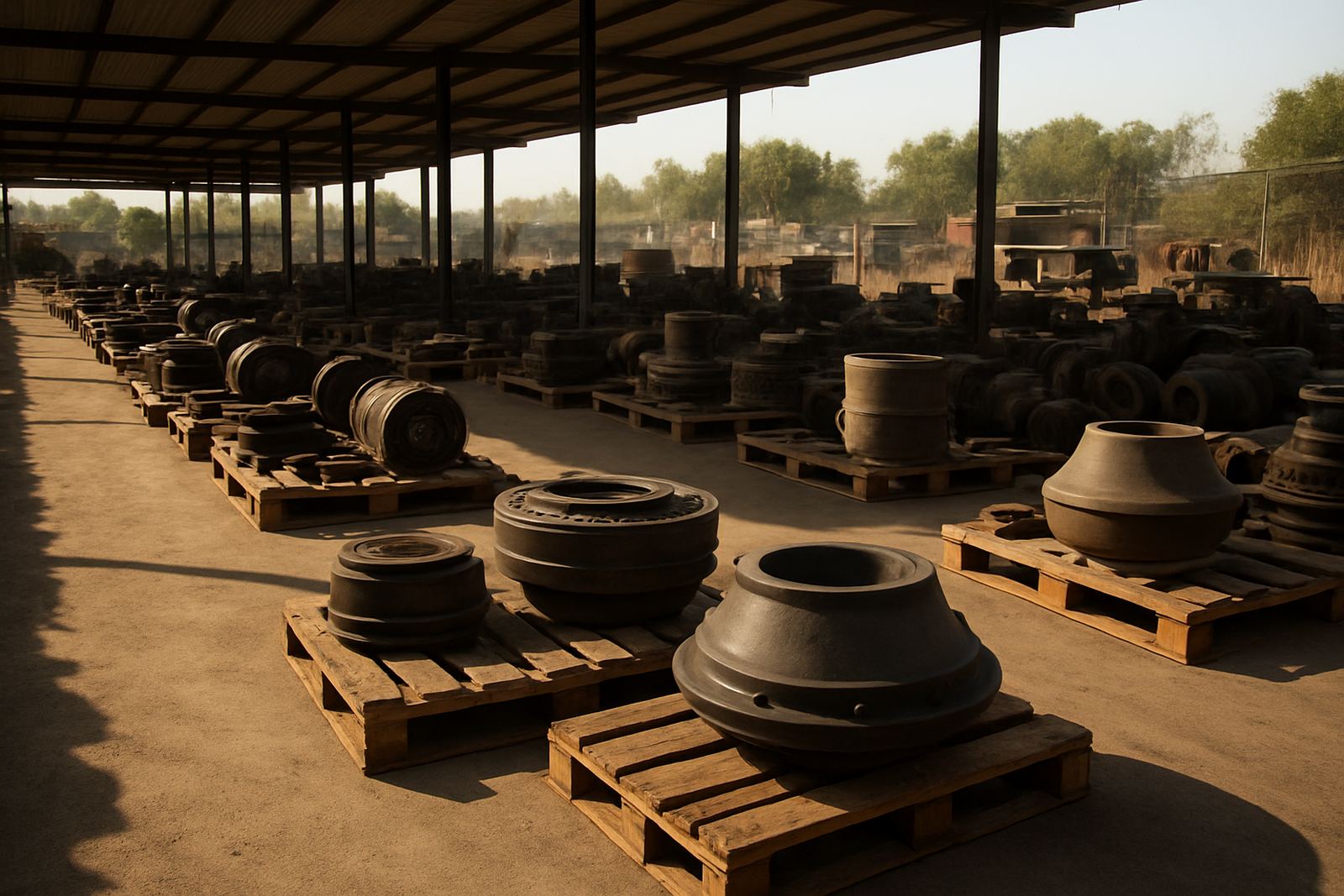
Yard storage also matters. A spare kept in Middelburg under cover and properly palletised is easier to inspect than one left in the open where rust builds up around sealing faces. If a component has sat in storage for months, check whether the contact surfaces are still clean and whether the protective coating has held up. In some cases a part that looked fine on arrival needs a little more prep before fitment, which should be noted before it leaves the yard.
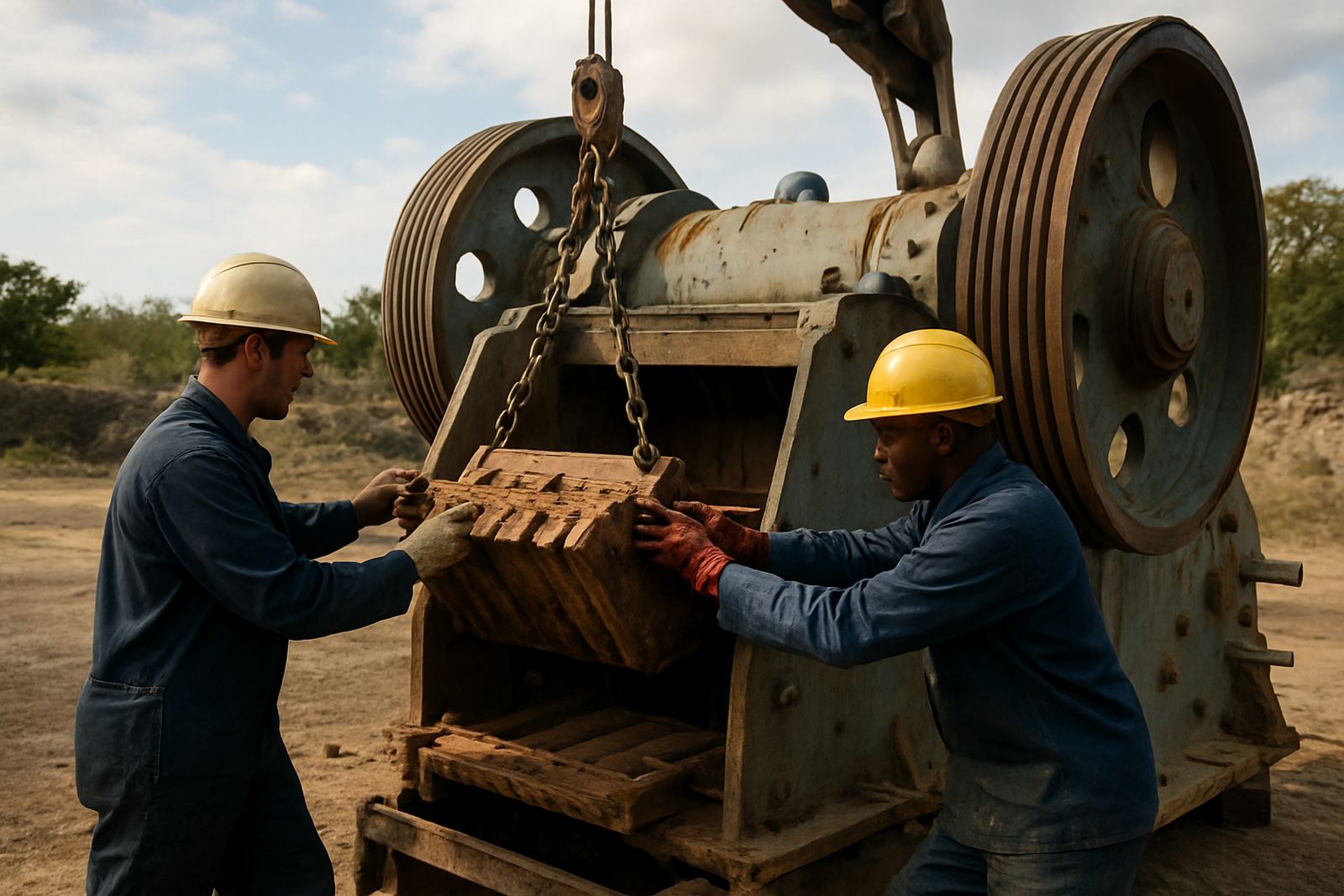
For mines and quarries working under strict shutdown windows, fitment errors often show up when the crew has already stripped the old unit out. That is the worst time to find a mismatch. A few extra minutes on measurements before dispatch can save a full day of lost production.
A simple exchange checklist for shutdown sourcing
When a shutdown is looming, the temptation is to rush the search. The better approach is to keep a short checklist and work through it in the same order every time. That keeps the pressure down and makes the enquiry easier to manage.
Before approving any urgent spares search, confirm these points:
- Exact machine model and site location
- Photo of the existing part in situ if possible
- Dimensions taken from the old component and from the machine frame
- Required delivery window and access conditions on site
- Whether fitment checks must be done before loading
- Any municipal or site rules for delivery times, gate access or loading equipment
This is particularly useful for clients moving parts between Rustenburg, Polokwane and eMalahleni, where truck timing and gate control can vary from site to site. A clear checklist cuts down on phone calls and helps the team source the correct item the first time, or at least close enough to confirm with proper evidence.
Why a local Middelburg yard gives you better control
A Middelburg base gives a practical advantage because parts can be received, checked, stored and reissued without sending them straight back onto the road. That extra handling time is useful when a component needs a second measurement or a closer inspection after arrival.
With a local yard team, the process is tighter. Lerato Maseko can keep operations moving, Sibusiso Ndlovu can confirm condition, and Johan Steenkamp can manage storage so the right spares stay accessible and properly marked. Mpho Rakoma can then arrange collection or nationwide delivery once the fitment has been confirmed. That chain reduces the chance of a mix-up between similar-looking parts.
It also helps with consignment sales and exchange stock. If a piece has to wait for the right buyer, it is easier to keep the notes together, palletise it correctly and protect it from weather damage. The result is less confusion and fewer unnecessary returns. Small details save a lot, even if it sounds almost too simple.
The safest exchange is the one that starts with questions
Good fitment is rarely luck. It comes from asking the right questions, checking the right numbers and being honest about what the part is and is not. That applies whether the spare is for a jaw crusher, cone crusher or another heavy plant component.
For quarries across South Africa, the best habit is to treat every exchange as a technical decision, not just a buying decision. If something is unclear, ask for another photo, another measurement or another inspection before it moves. That is far cheaper than discovering the mismatch after a crane hire and a lost shift.
Crusher Spare Exchange supports that approach by listing surplus spares, inspecting condition, storing them safely and arranging delivery only when the details line up. When the checks are done properly, the exchange works as it should and the plant keeps running.