
Why a waiting spares bin becomes expensive fast
Most quarries keep a small buffer of fast moving parts, but a stoppage rarely waits for the next stock order. A worn liner, cracked mounting bracket or failed bearing housing can hold up a whole crushing line, and once the feed stops the losses start building by the hour. In many South African operations, the real cost is not only the part. It is the idle plant, the stand-by crew, the contract trucks and the pressure on the next shift.
That is why faster spare sourcing matters. When surplus crusher spares are listed, inspected and matched quickly, a quarry can move from fault finding to fitment much sooner. In practical terms, that can mean replacing a serviceable used part during a breakdown instead of waiting days for a new unit, especially during shutdown season when every team is already stretched.
What shortens downtime before the spares even leave the yard
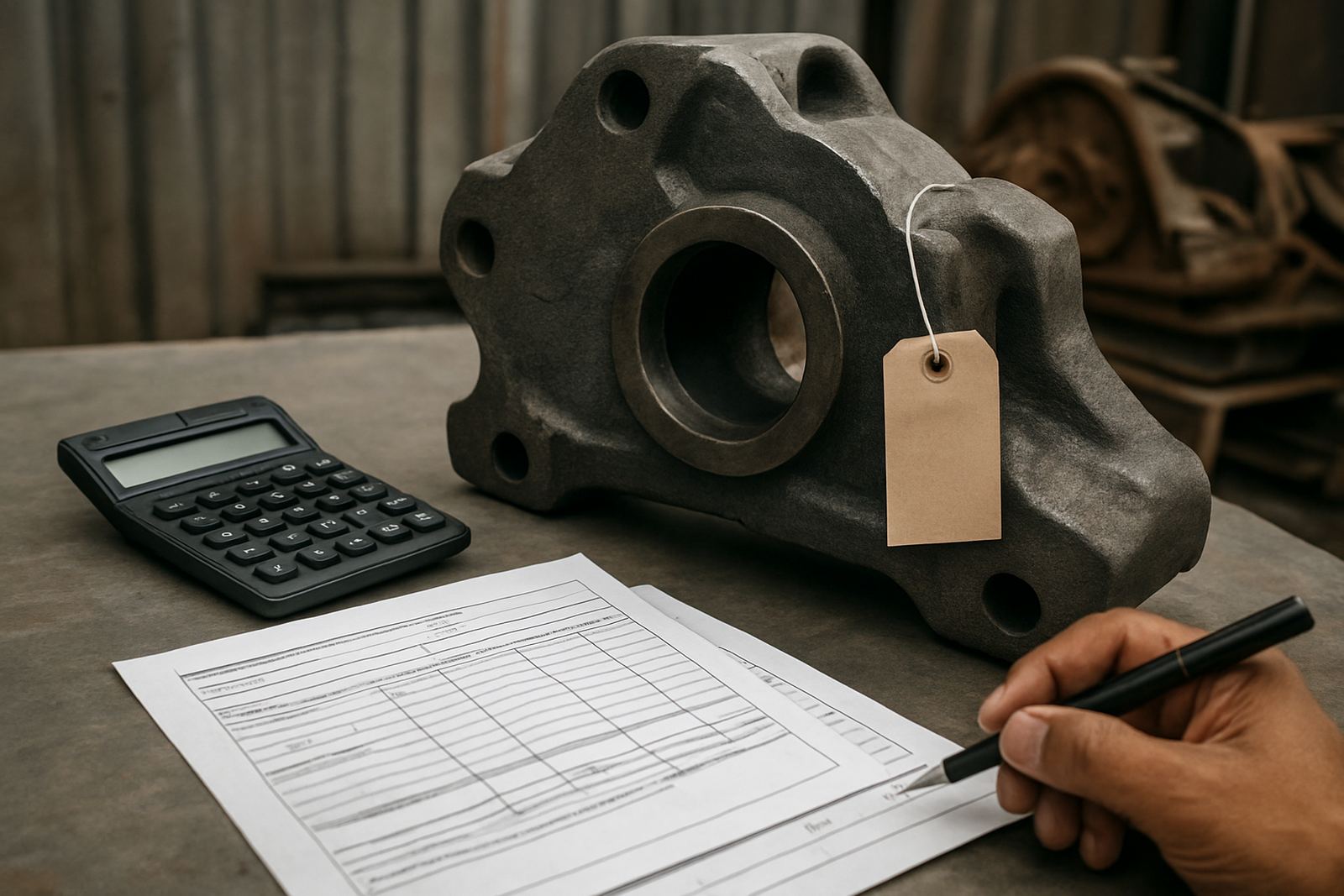
Speed starts with knowing exactly what is on hand and whether it is fit for purpose. A clear inspection process removes guesswork and avoids the common problem of collecting a part that still needs cleaning, measuring or repair. Condition reporting also helps maintenance teams decide whether the item is suitable for immediate use, for refurbishment, or only for scrap. That saves time on the quarry side because the decision is made before transport is booked.
At Crusher Spare Exchange, surplus spares are listed for exchange, resale or consignment and stored in a controlled yard in Middelburg, with movement arranged to and from quarry and mine sites across the country. The aim is simple: reduce the lag between a breakdown and a usable part arriving at site. Lerato Maseko and Sibusiso Ndlovu often work closely with maintenance teams to confirm dimensions, wear patterns and basic fitment details before a load leaves the yard.
- Check the machine model, shaft size and mounting points before you release a collection order.
- Ask for condition notes and photographs so you can compare the part with your failed component.
- Separate parts that can go straight into service from those needing reconditioning.
- Keep a short list of critical spares for each plant, not only the big-ticket items.
The local example: Middelburg to eMalahleni in a shutdown week
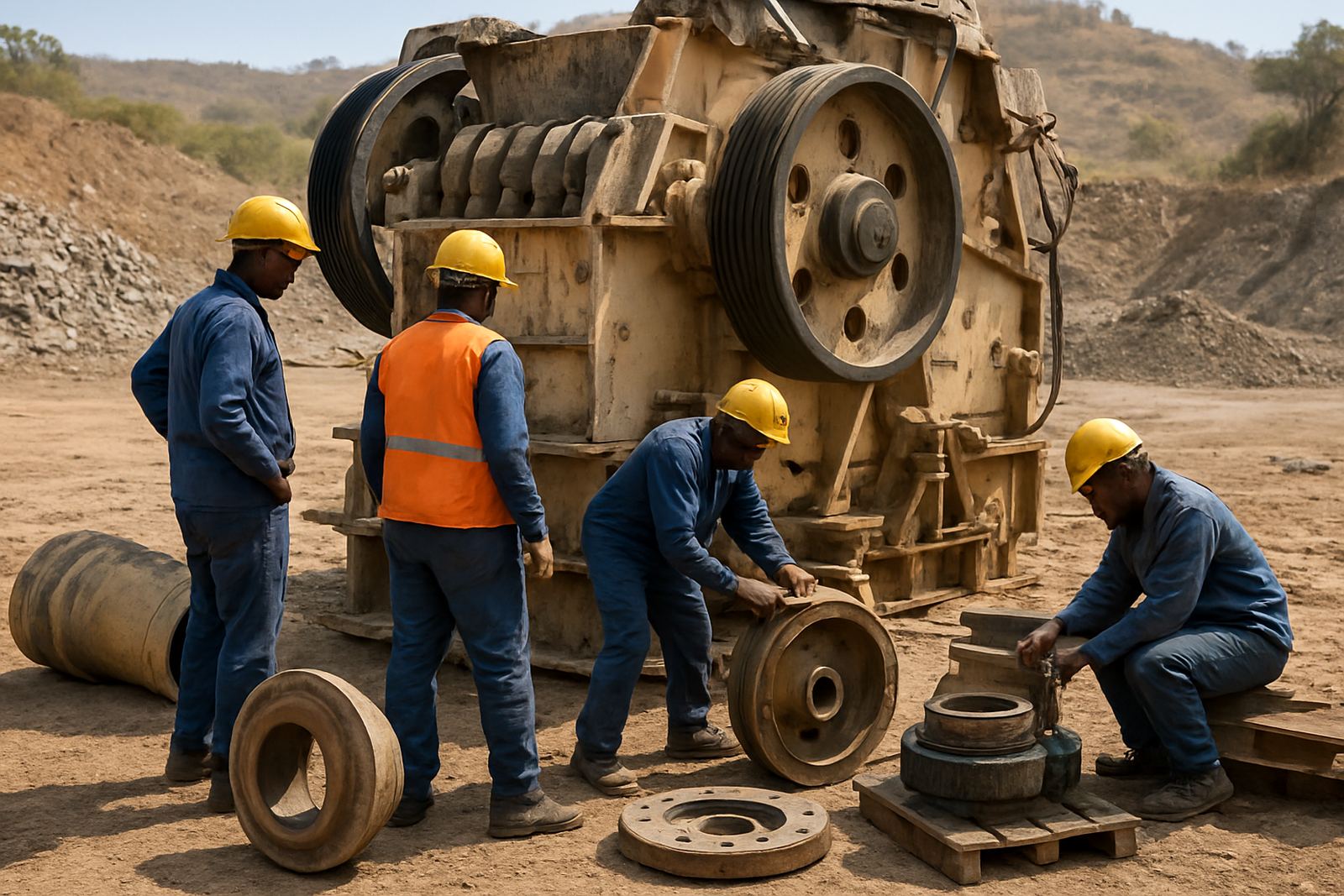
A coal-side plant between Middelburg and eMalahleni may run fine for months, then lose a critical crusher component during a planned shutdown. If the team has to source that item from scratch, the repair window can disappear fast. But if the part is already listed as surplus, inspected and stored nearby, the replacement can be collected, packed and dispatched the same day. That makes a real difference when contractors have been booked, cranes are on site and the restart date is fixed.
This is especially useful in Mpumalanga, where dust, heat and load-shedding can all complicate maintenance planning. A spare that is already measured, photographed and stored indoors is easier to move than a loose component left in a yard corner for weeks. It also helps avoid the common problem of rushing a job and fitting the wrong item just to get the plant going again.
For mines and quarries in Rustenburg, Polokwane, Kathu and Pietermaritzburg, the same principle applies. Faster sourcing is not only about distance. It is about whether the part can be matched properly, collected safely and sent on a route that suits the shutdown calendar.
Inspection, storage and packing keep the job moving
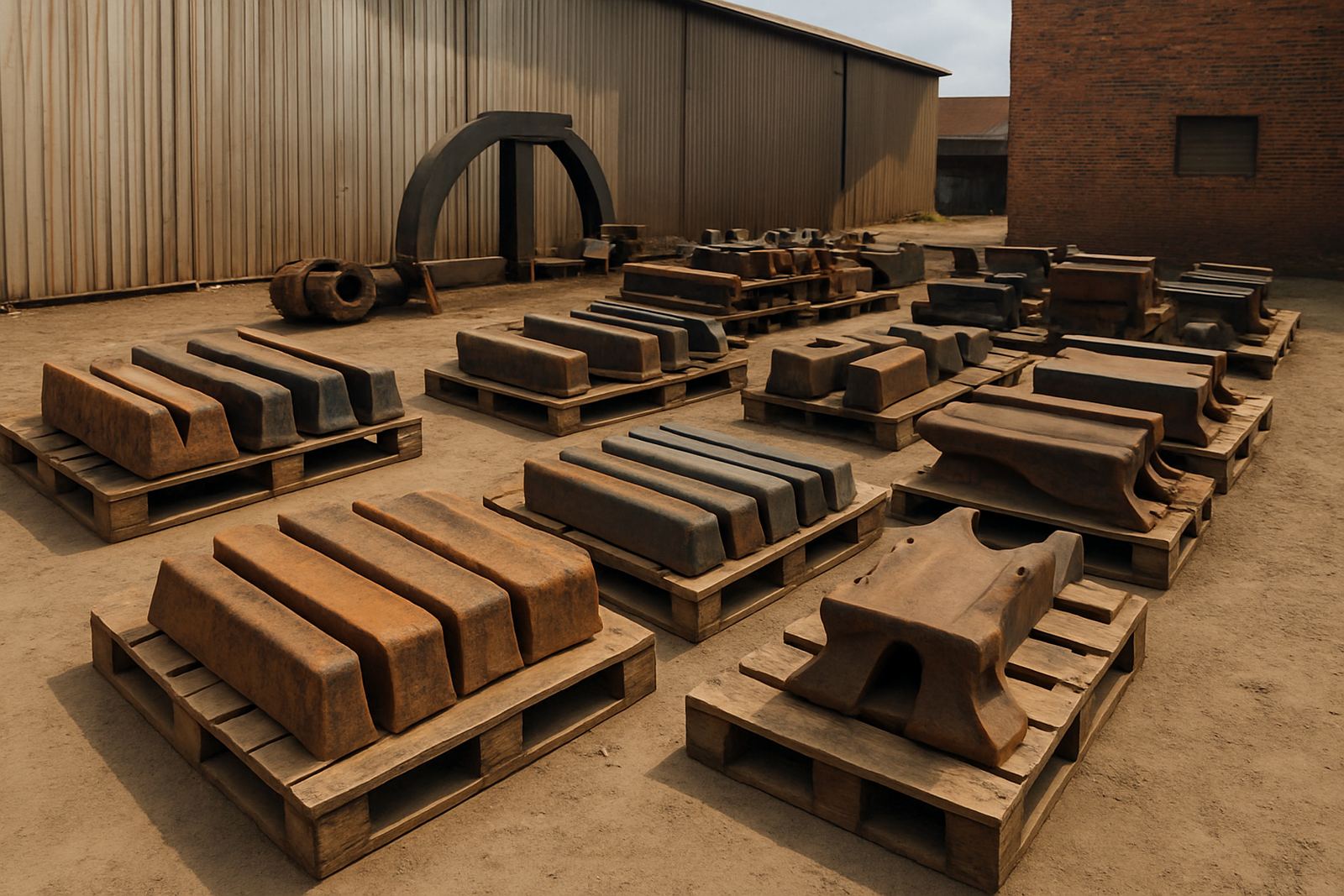
Broken or unverified spares create delays at both ends. A proper inspection process checks visible wear, cracks, thread damage, machining surfaces and any signs of fatigue. Once the part is accepted, good storage protects it from corrosion, especially in coastal humidity or in open yards where rain and dust can cause trouble. Palletising and packing then reduce damage in transit, which matters when a heavy item has to travel from a yard in Middelburg to a site in Secunda or farther afield.
- Store parts on pallets or timber blocks so they stay off the ground.
- Use clear labelling for part names, measurements and site destination.
- Wrap exposed machined surfaces before transport to prevent rust.
- Book the right vehicle for weight, length and loading access, not just for availability.
Johan Steenkamp manages yard and storage control so items are easier to find when a client calls in with a shutdown need. That kind of order saves time at collection and avoids the last-minute search through mixed stock, which is where many delays begin.
When exchange beats scrap and new purchase delays
Not every worn component should be scrapped immediately. Some parts are fit for exchange, some are only good for scrap value, and some can still be used after light refurbishment. Knowing the difference helps a quarry protect cash flow. An exchange arrangement can turn idle stock into value while another business gets the part it needs without waiting for a fresh manufacturing lead time.
Anika van Zyl works with clients on surplus listing and exchange decisions, while Mpho Rakoma handles the logistics side so movement lines up with site access, collection times and delivery routes. This approach is practical for mines and quarries that have old inventory sitting in stores rooms. Instead of holding onto unused spares for years, the item can be assessed, listed and put back into circulation where it has value.
A simple checklist for faster restart times
Faster sourcing works best when your team has a repeatable process. A good checklist stops small admin gaps from turning into a full shift lost to waiting around. It also helps supervisors and fitters speak the same language when a fault is reported.
- Record the failed part number, machine model and wear symptom as soon as the fault is reported.
- Take clear photos from several angles and include a ruler or measuring tape in frame.
- Confirm whether the part must be new, exchanged, repaired or only fit for scrap.
- Send the request through the enquiry form so the item can be matched and checked quickly.
- Plan for access restrictions, weighbridge timing and loading bay space at both ends.
When this is done well, the shutdown team spends less time chasing parts and more time restarting the plant. That is the real gain: fewer hours lost, less panic and better control over maintenance spend. For a quarry or mine, that can be the difference between a rough week and one that stays on schedule.