
Why Surplus Spares Become a Space Problem
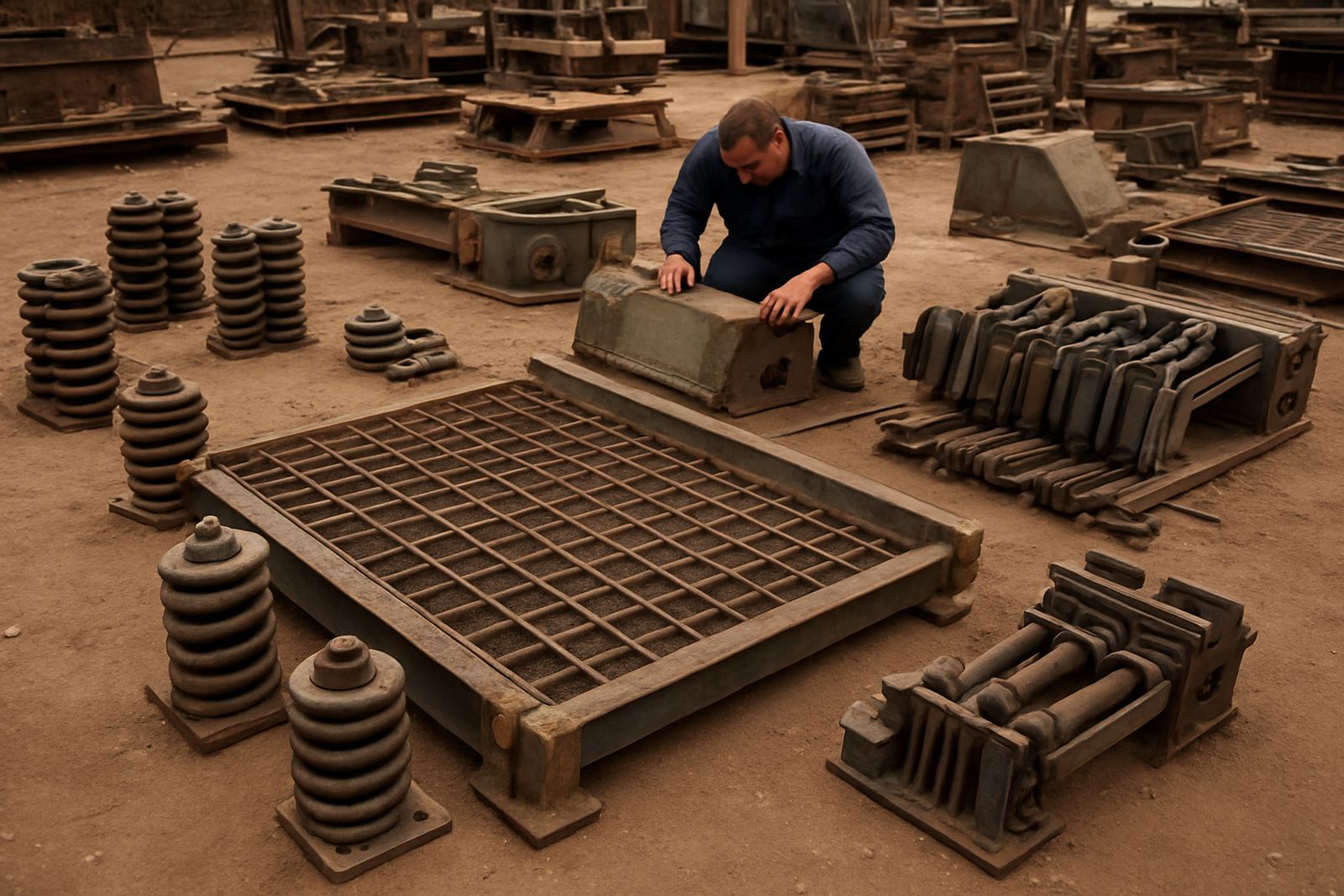
In a working quarry yard, every square metre has a job to do. If old jaw plates, frames, bearings, pulleys and screens are sitting in corners or under tarps, that space stops being useful for current stock, loading, repairs and safe movement of forklifts and trucks. In Middelburg and the wider Mpumalanga belt, where rain, dust and load-shedding already complicate storage, surplus spares can quickly become a real bottleneck.
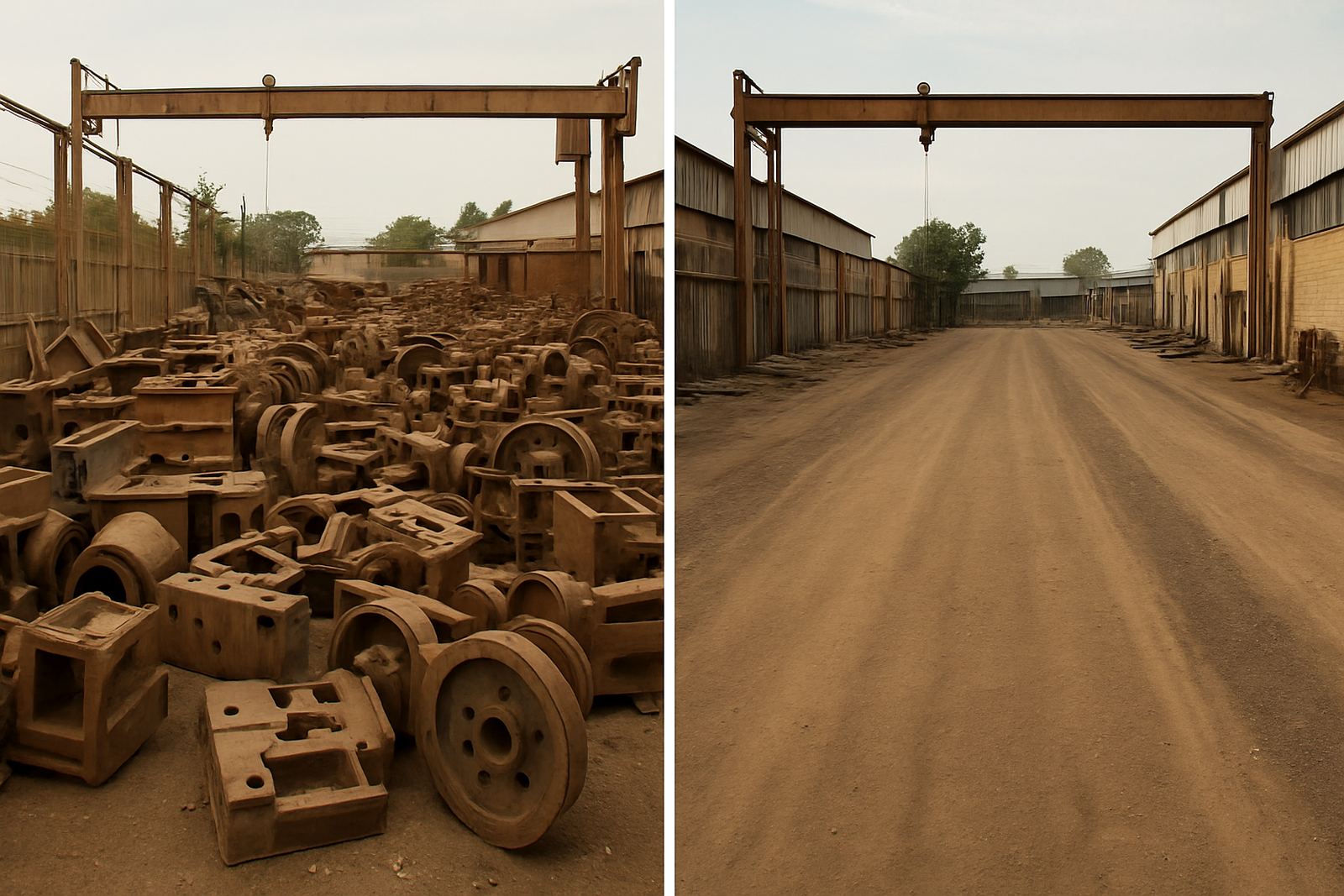
We often see the same pattern. A mine keeps a set of parts after a shutdown, then another set comes in for a plant upgrade, and before long the yard is full of items that may still have value but are no longer needed on site. Once parts are properly listed, inspected and moved into exchange, the space pressure eases and the yard starts working for the business again.
What Space Opens Up When Parts Move On
Making space is not only about tidiness. It is about improving the day-to-day running of the yard. When surplus crusher spares are removed, there is room for cleaner segregation of new stock, better access for collections, and safer movement around racks, bins and storage bays. That matters when a shutdown is due and every minute counts.
- Clear loading zones for trucks and forklifts
- Better access to fast-moving parts and service stock
- Less damage from parts being stacked too close together
- Improved stock control and easier counts
- More space for palletising, packing and inspection work
It also helps with compliance. Some quarries need to keep walkways open, separate scrap from usable stock, and maintain orderly storage for site rules and audits. A crowded yard can make that harder than it needs to be.
How Exchange Helps Instead of Letting Parts Gather Dust
Crusher Spare Exchange works by connecting quarries and mines that have usable surplus spares with those that need them. That means an item that would otherwise sit in storage can be inspected, condition reported and placed into the market for another operation to use. The result is a better return on the part and less strain on the original yard.
Our Middelburg base supports listing, inspection, storage and delivery across South Africa, including eMalahleni, Rustenburg, Polokwane, Kathu, Pietermaritzburg, Secunda and Lydenburg. For many sites, this is easier than trying to hold onto everything just in case it may be needed one day. If a part has real value now, it makes sense to put it into exchange now.
- Surplus listing for usable crusher spares
- Part inspections and condition reporting
- Yard storage for items awaiting movement
- Local collections and nationwide delivery
- Fitment checks before parts are released
A Local Example From the Middelburg Corridor
Take a quarry outside Middelburg after a plant changeover. The site may have a mix of leftover liners, used screens, shafts and housings stored in one corner of the yard. The parts are still serviceable in some cases, but they are taking up space that should be used for current production stock or maintenance access. During the wet season, that corner can become a mud patch and the risk of damage goes up.
Once those spares are inspected and separated into exchangeable items, the yard opens up immediately. The quarry can store the parts properly, move scrap to the correct pile and create clearer routes for collection vehicles. In practice, that can free enough room for another pallet row or a safer loading area. Small change, yes, but it makes a difference when the site is busy and the phone keeps ringing.
What To Check Before You Free Up The Bay
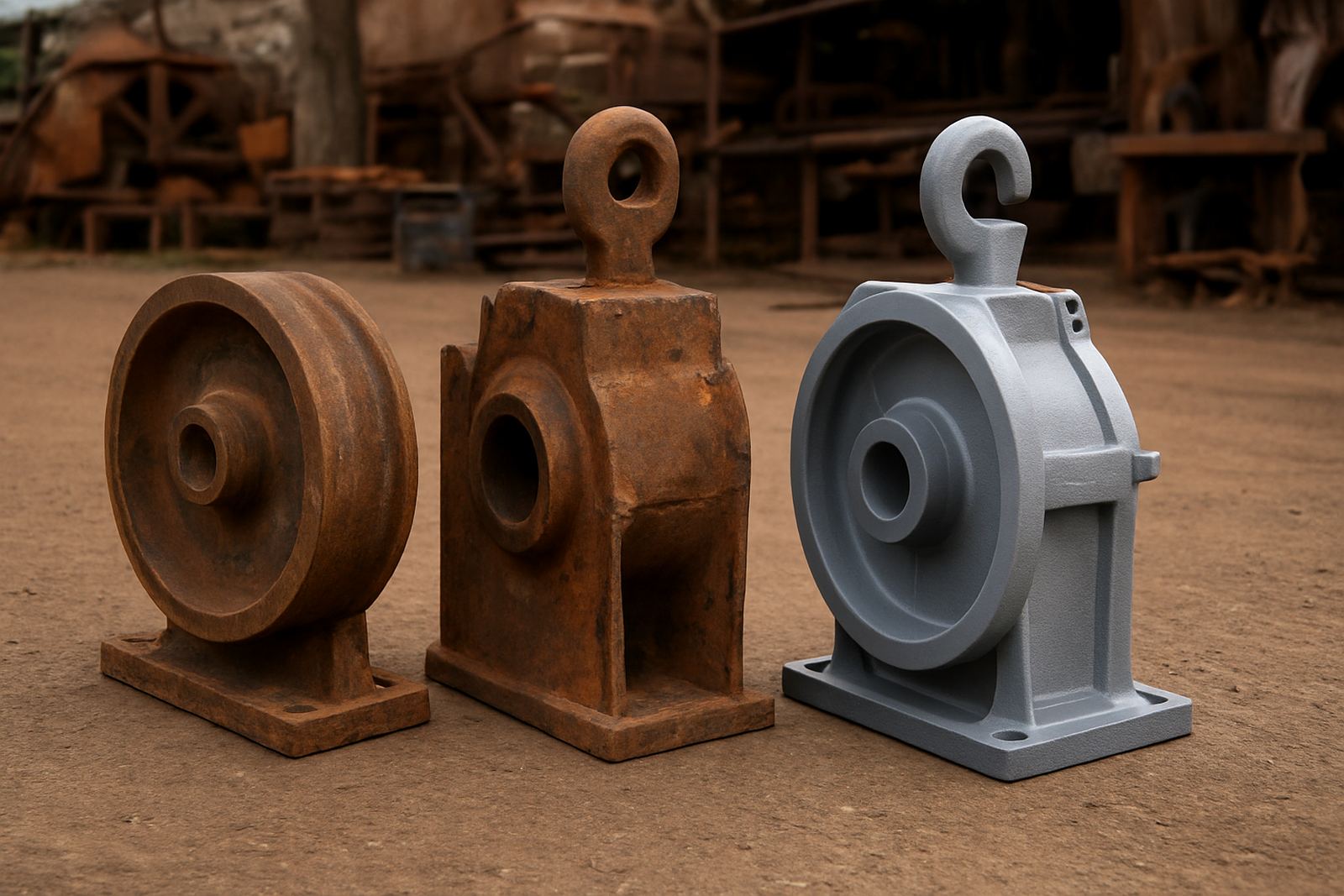
Not every old part belongs in exchange, and not every part should be kept on site. Before you clear a storage bay, it helps to sort the stock into three groups: usable, questionable and scrap. That makes the next step much easier and avoids holding onto parts that are beyond their useful life.
- Check for visible wear, cracks or distortion
- Confirm part numbers, sizes and machine fitment
- Record whether the item has been repaired or reworked
- Separate clean stock from heavily contaminated parts
- Keep fasteners, seals and matching components together where possible
If the item is heavy or awkward, palletising and packing can also reduce yard clutter and make handling safer. In some cases a fitment check is worthwhile before release, especially where the part has to match a specific crusher setup.
Why Storage Discipline Pays Off During Shutdowns
Shutdown periods are when poor storage habits show up quickly. If the yard is full of loose surplus parts, there is less room to stage the items needed for urgent work. Crews then spend time moving one pile to reach another, which slows the job and increases the risk of damage. For mines and quarries that already face tight windows, that is money lost.
Keeping surplus spares moving through exchange gives operations teams more control. Parts that are not needed can be stored properly, sold through consignment or routed to another site where they will be put back to work. That keeps the yard lighter, the storage bays cleaner and the parts flow more practical for the long term.
A Practical Way To Keep Yards Working Properly
The best yards are not the fullest ones. They are the ones where every item has a place and every square metre earns its keep. For quarries across South Africa, especially where space is tight and replacement lead times can be unpredictable, exchanging surplus crusher spares is a sensible way to stay organised without wasting useful stock.
Crusher Spare Exchange supports that process from our Middelburg, Mpumalanga base with inspection, storage, sales support, collections and delivery. If a yard is getting crowded, or if a mine has idle spares taking up space, the answer is often not more shelving. It is better movement of the parts already on hand. That is how you make space and keep the operation moving.