Why the cone chamber is doing more work than many crews think
The cone chamber is not just a place where rock gets smaller. It sets the final product shape, influences how much material comes back through the circuit, and has a direct effect on power draw, liner life and daily output. If the chamber is worn unevenly, the machine often starts to work harder for less return.
In many South African quarries, especially where feed comes in waves from blasting or crushing is interrupted by load-shedding, the chamber can run outside its best range. That is when operators see flatter product, more fines than needed, and a rise in recirculation. The problem is often not the machine itself, but the wear parts inside it and how consistently they are monitored.
A good chamber setup keeps the nip angle, cavity fill and reduction rate in balance. That means the crusher can accept feed, break it efficiently and pass material through without choking or running too empty.
Wear parts that stay in profile keep the crusher working properly
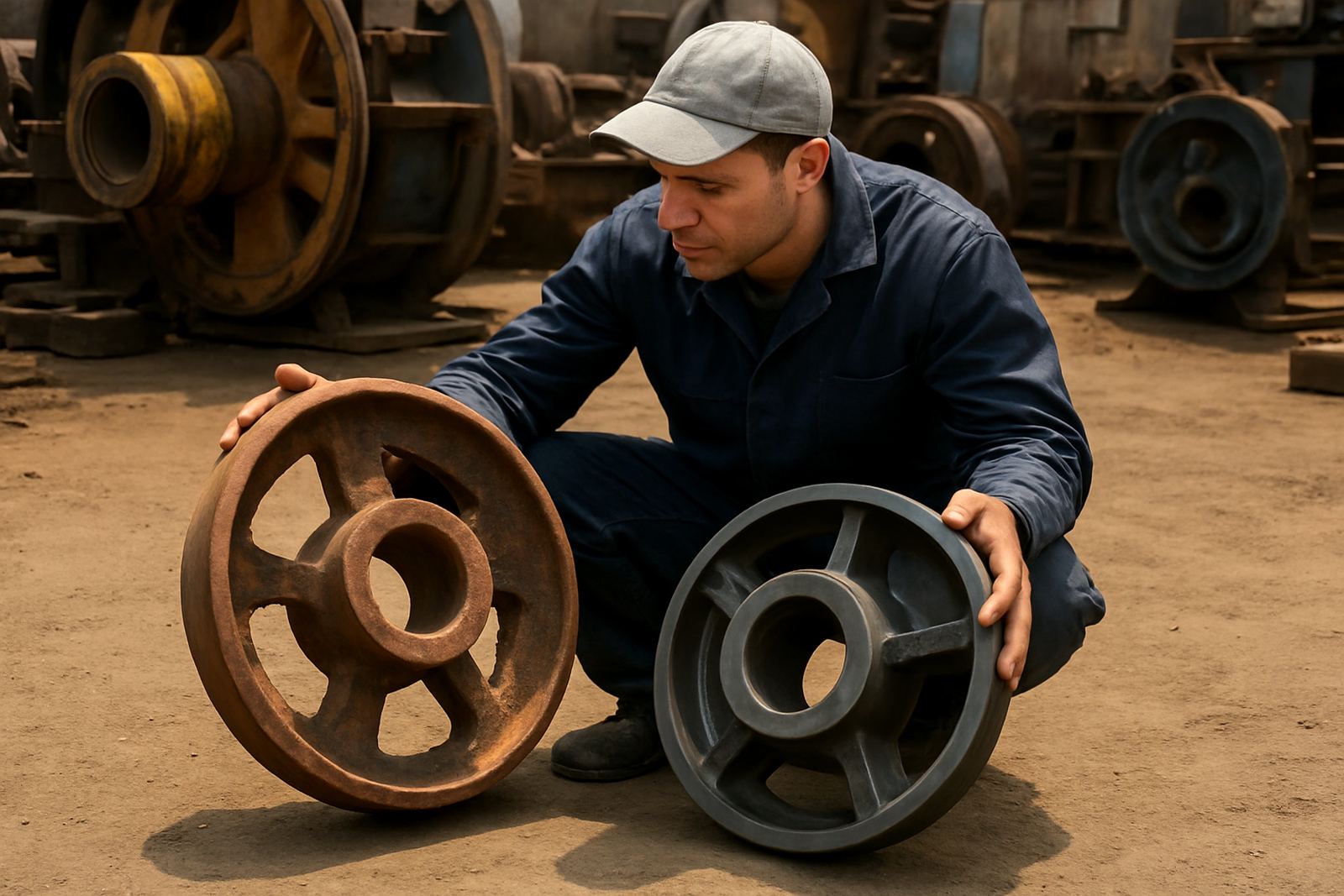
Correct wear parts support output because they hold the chamber geometry the crusher was meant to run with. Once liners are too thin, cracked or badly matched, the feed path changes. Rock starts to slip more, break less evenly, and the machine may need extra power to achieve the same tonnage.
For quarries looking to stretch every rand, the cheapest part is not always the best choice. A well matched used spare that still has usable profile can be a better fit than running a near-finished liner for too long. That approach helps control costs without forcing the chamber into poor operating conditions.
- Check for wear on the mantle and bowl liner before the chamber profile drops out of spec.
- Look for uneven wear around the top, middle and lower sections of the chamber.
- Replace parts in pairs or as a set where the wear pattern has shifted together.
- Confirm that the chamber parts suit the required product size and reduction duty.
In practice, a chamber that wears evenly gives the plant room to keep a steadier feed rate and avoid repeated adjustments on the fly.
How better chamber shape reduces recirculation and wasted energy
Recirculation is expensive. Every tonne that returns through the circuit uses time, power and labour twice. If the cone chamber is not forming material properly, the screen gets overloaded with the wrong size mix and the plant starts chasing the same stone over and over again.
A properly maintained chamber helps the crusher break rock to a more predictable size. That improves screen efficiency, reduces the load on conveyors and lowers the number of times material must be handled. In a hard rock plant, that can make a noticeable difference over a week of production.
Some of the most common signs of poor chamber efficiency are easy to spot on site:
- Product size drifting wider than expected
- Higher recirculating load than normal
- Power use climbing while output stays flat
- Frequent blockages after feed changes
- More tramp or uneven wear at the chamber edges
When these signs show up, the chamber should be checked alongside feed, speed settings and liner condition, not one at a time.
What South African quarry crews should inspect before a shutdown
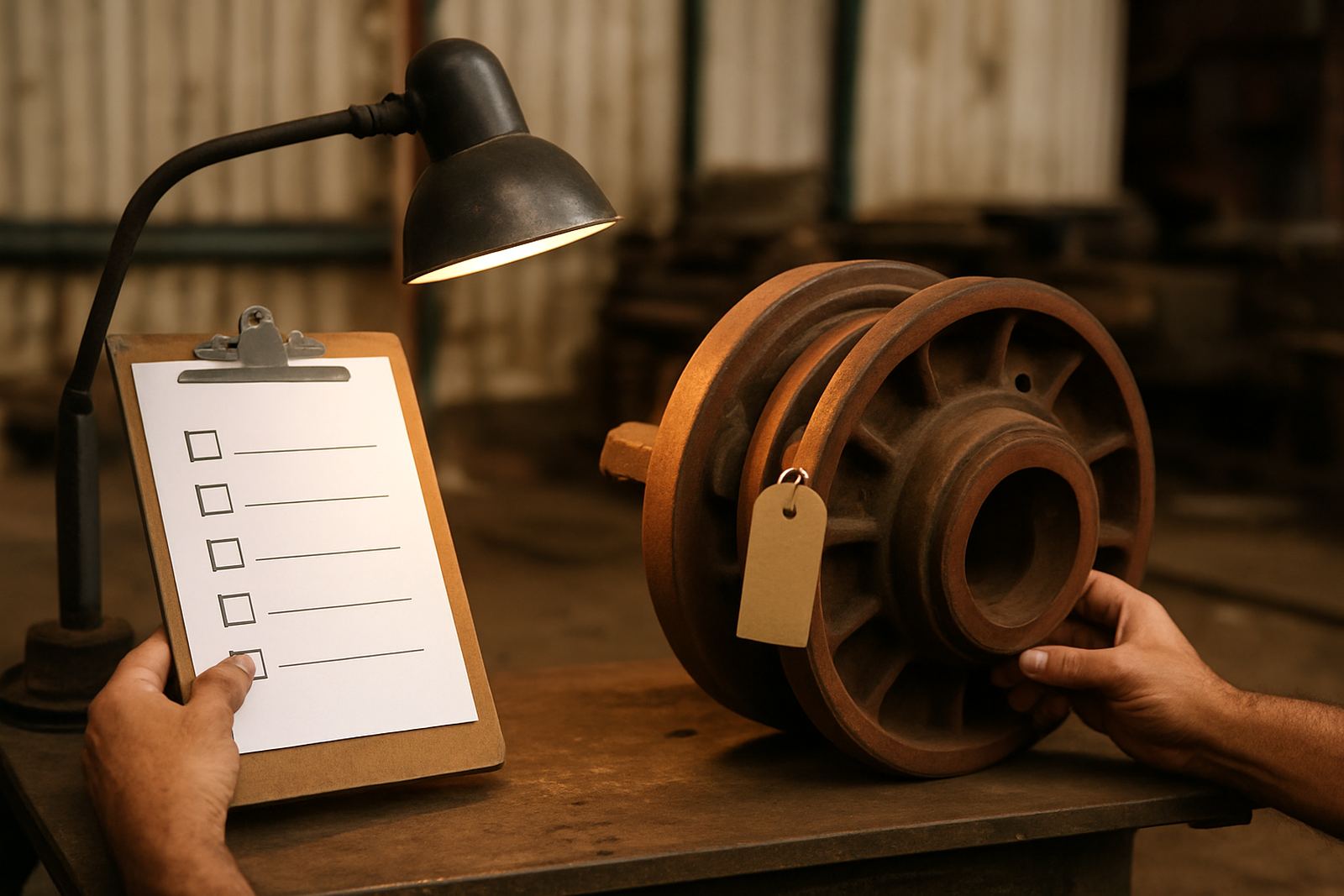
Shutdown time is limited, so it helps to know exactly what to inspect before opening the crusher. A short inspection can prevent a bad liner set from being put back into service for another month. In Middelburg, where many sites work under tight production windows and weather swings, crews cannot afford long delays waiting on parts that do not fit.
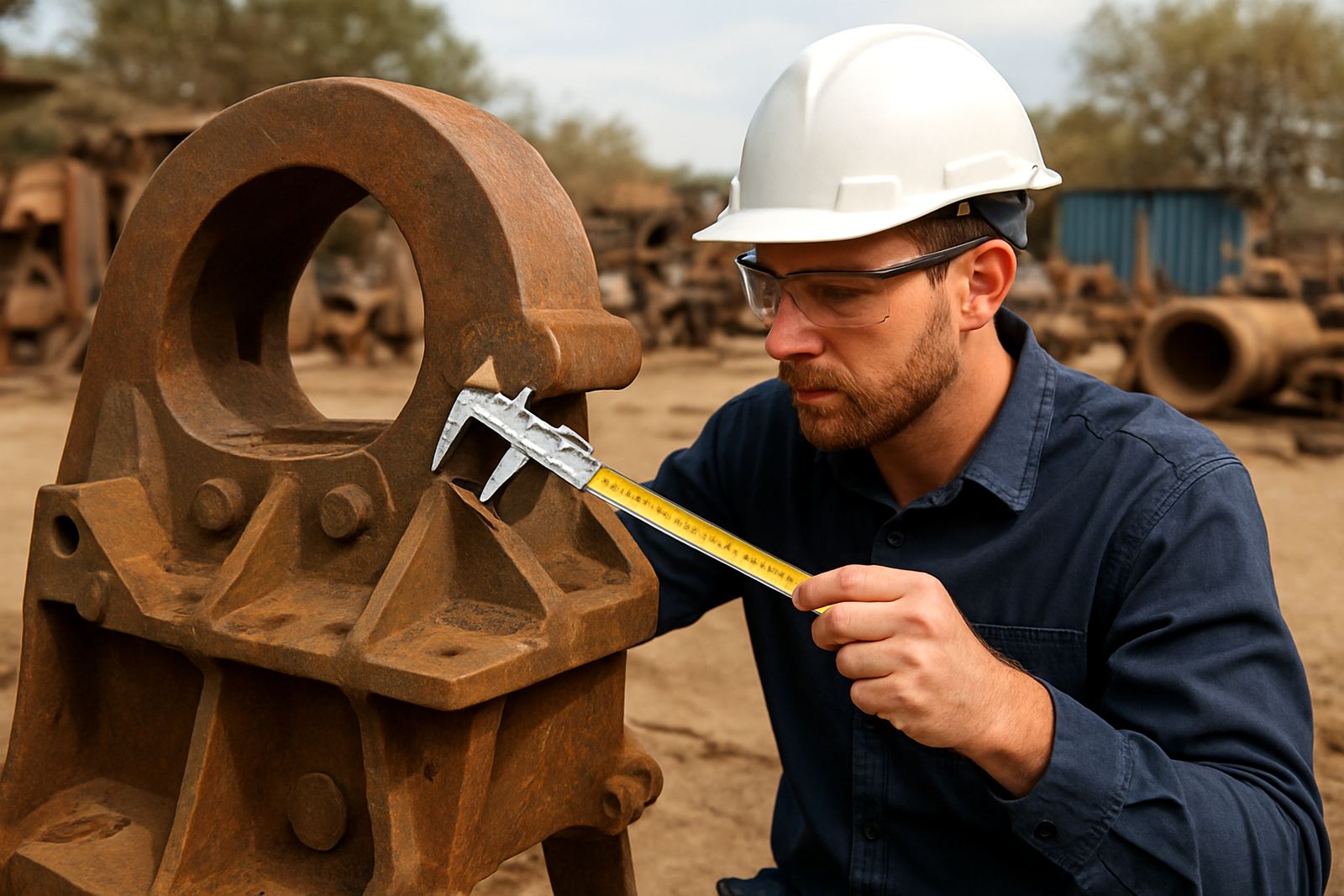
Before a planned shutdown, the team should confirm the wear pattern, check for cracks or deformation, and measure remaining thickness at the points that matter most. If the chamber has been running with a poor feed mix or too much oversize, the inspection should also include the feed arrangement and any signs of uneven loading.
- Measure liner thickness against the maker's minimum safe range
- Check for scoring, spider arm contact or loose seating faces
- Confirm the bowl and mantle are compatible as a pair
- Inspect backing, seals and fastening points for damage
- Review the last product grading report before selecting replacement parts
Where shutdowns are short, a fitment check can save a lot of time by confirming whether a part can go back into service or needs to be exchanged first.
Why exchange spares can be the practical option for quarries
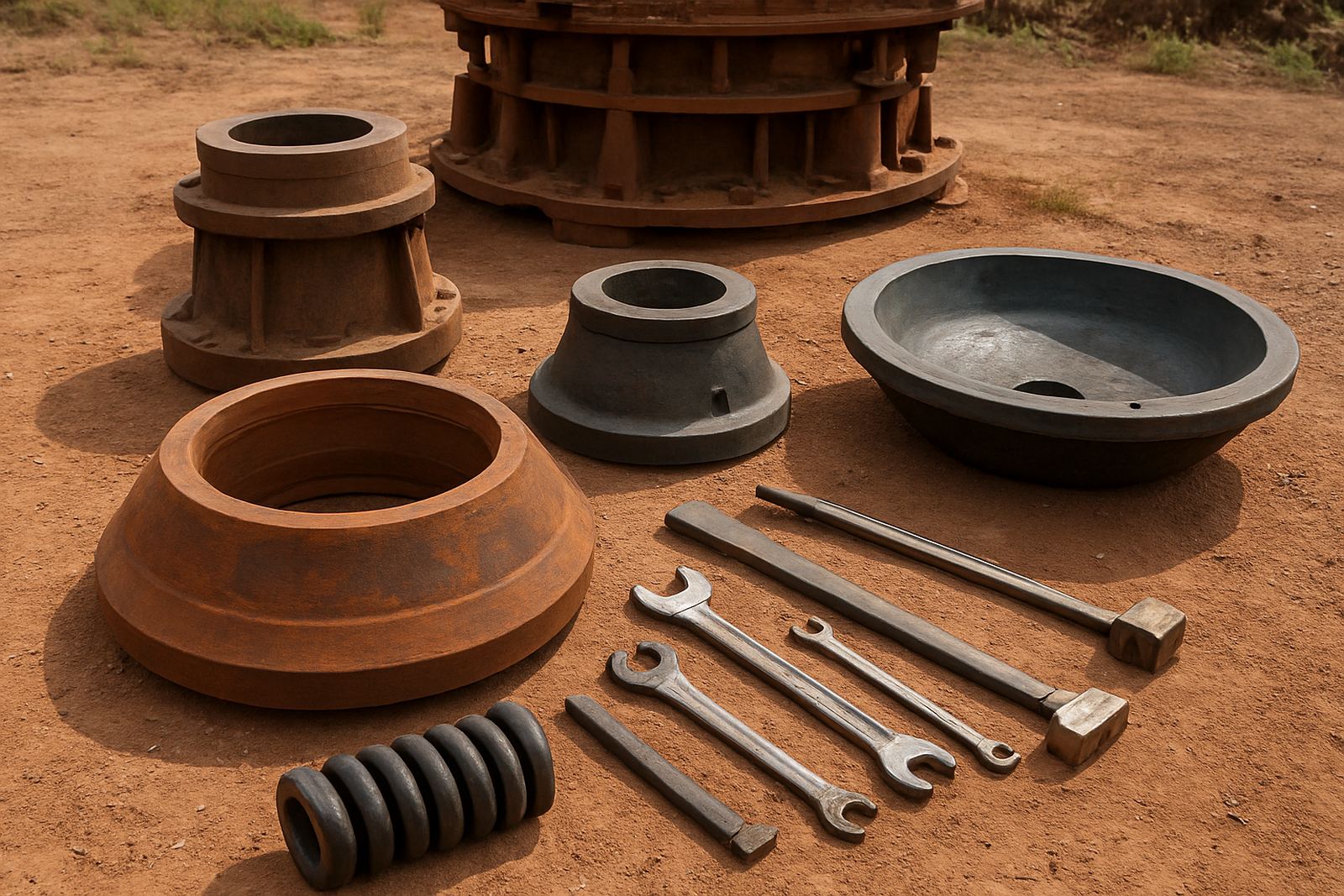
Not every quarry needs a brand new chamber part to stay productive. Surplus spares, when properly inspected and stored, can be a practical option for plants that need good parts fast and at a lower cost. For mines and quarries managing budgets tightly, that matters.
Crusher Spare Exchange in Middelburg works with surplus crusher spares between sites, helping businesses list, inspect, store and move parts that still have value. That is useful where a quarry has changed production line, replaced a set early, or held onto parts after a machine upgrade. Instead of sitting idle, those parts can be matched with another site that needs them now.
Services that support this approach include:
- Surplus listing and consignment sales
- Part inspections and condition reporting
- Yard storage, palletising and packing
- Local collections and nationwide delivery
- Shutdown sourcing and urgent spares search
- Fitment checks and scrap versus exchange advice
This is especially useful across eMalahleni, Rustenburg, Polokwane, Kathu and Pietermaritzburg, where plants may need fast movement between regions without waiting for long procurement cycles.
A Middelburg example: getting more life from a good chamber
A quarry near eMalahleni had a cone crusher sending too much oversize back to the screen. The crew first blamed the screen deck, then the feed, but the real issue was the chamber. The mantle and bowl liner had worn unevenly, so the crusher was no longer holding the right shape inside the chamber.
After inspection in the Middelburg yard, the site exchanged the worn parts for a usable surplus set that still had proper profile left. The replacement was packed, collected and delivered before the next planned stop. Once fitted, the plant settled into a steadier product size and the recirculation dropped. The operators also noticed less adjusting during the shift, which made the whole line easier to keep on target.
That kind of result is not about chasing the newest part every time. It is about matching the chamber to the job, checking condition properly and using spares that are fit for purpose.
Keeping cone chamber efficiency steady across regions and weather
South African conditions add their own complications. Coastal humidity can affect stored parts if they are not packed properly. Dust in the Karoo and northern regions can work into seals and seating faces. Load-shedding can interrupt production at the worst moment, which means the plant may restart under less than ideal conditions. All of this makes careful storage and delivery as important as the part itself.
For that reason, proper palletising, covered yard storage and clear condition notes are not small details. They help make sure a chamber part arrives ready to use, not needing extra cleaning or last minute rework. Where municipal or site access rules apply, deliveries also need to be planned so the part reaches the quarry without delays at the gate.
At Crusher Spare Exchange, the focus is on practical movement of spare parts between quarries and mines, with a team that handles inspection, storage and logistics from Middelburg and across the regions served. Good chamber efficiency begins with parts that are worth fitting in the first place.