Why secondary units need their own spares plan
Secondary and tertiary crushers work harder on consistency than on sheer feed size. They take already reduced rock and turn it into the product your plant actually sells, which means wear patterns, liner life and adjustment parts need their own logic instead of being treated like a repeat of primary crushing.
In practice, a secondary crusher can sit idle for hours while a missing spindle assembly, adjustment ring or wear component is couriered from another province. That delay is expensive because the rest of the plant may still be running, but with nowhere to send material. At our Middelburg base we see this often with quarries that keep strong primary spares but understock the parts that protect product size and throughput downstream.
The spares that matter most on secondary and tertiary machines
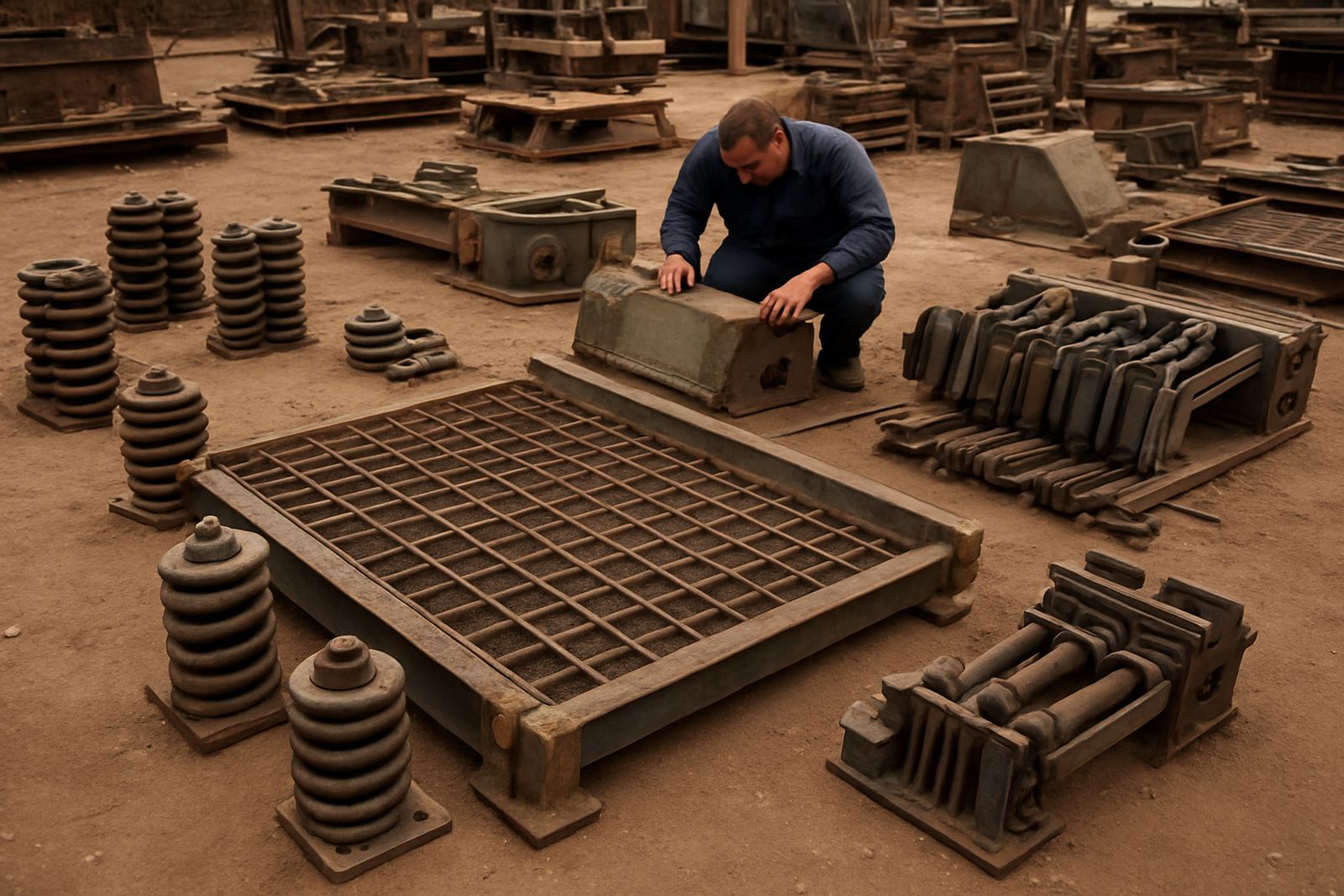
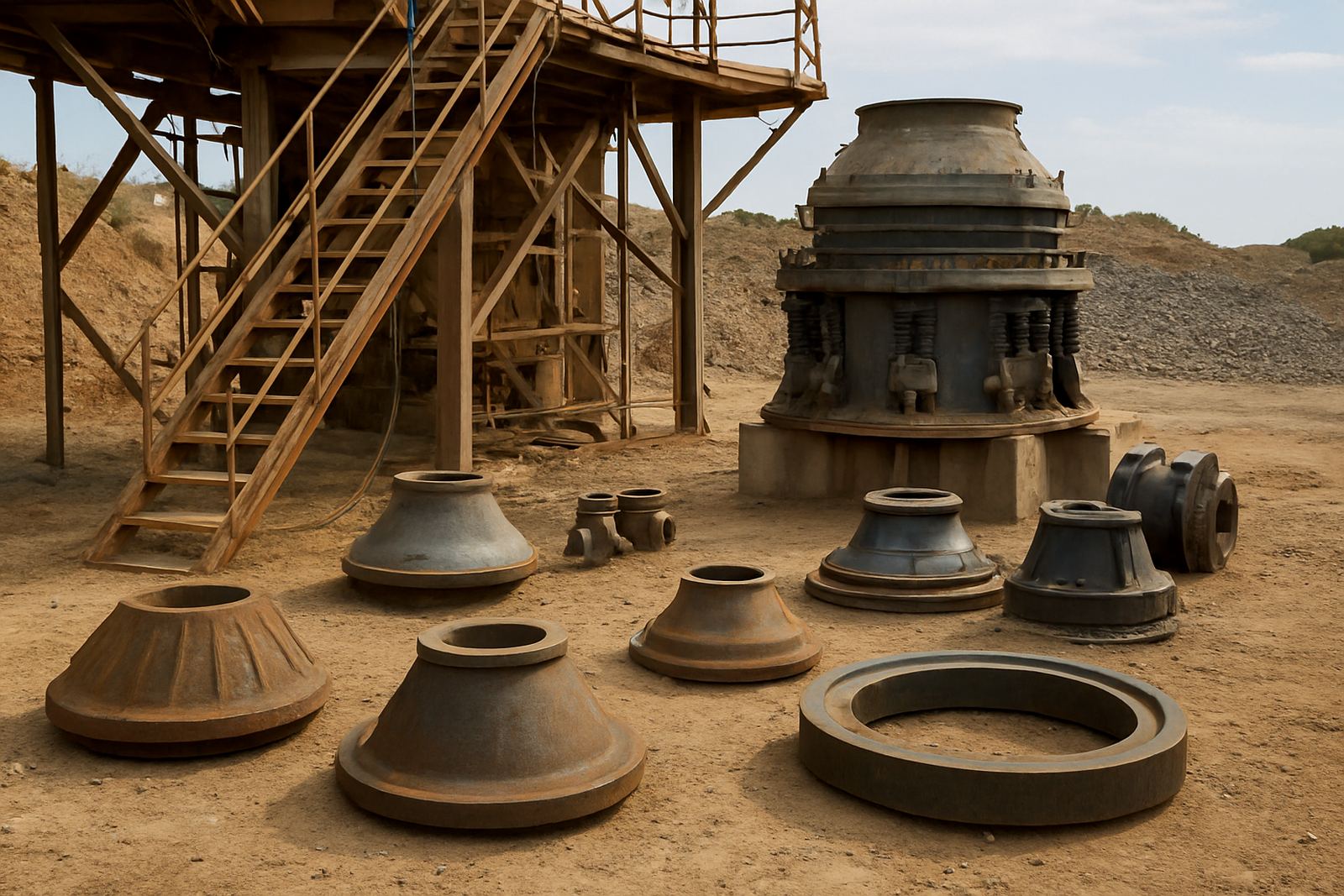
The best stock list starts with the parts that stop the plant when they are worn, cracked or unavailable. Secondary and tertiary units usually need a tighter watch on consumables and adjustment components than many sites expect.
- Wear liners, mantles, bowls and concaves where applicable
- Eccentric components, bushings and bearings
- Hydraulic and mechanical adjustment parts
- Feed chute liners and discharge liners
- Drive components and guarding parts
- Fasteners, clamps and sealing items
A useful rule is to treat anything that controls chamber shape, discharge setting or vibration as critical. If one of those parts is out of service, you can lose spec before you lose the machine entirely.
Stocking logic that fits South African quarry conditions
South African sites do not all face the same conditions. A plant in Kathu dealing with dust and heat will wear different surfaces to a coastal operation near Pietermaritzburg where humidity and corrosion can become part of the problem. Add load-shedding, long transport routes and shutdown windows measured in hours, and the case for separate secondary stock becomes clear.
We recommend comparing replacement timing against actual hours run, not only against calendar dates. If a site runs hard during peak contract work, then secondary crusher spares should be held with enough margin to cover late deliveries, supplier backlog and emergency transport. It also helps to keep one full change-out set for the highest risk wear items, rather than holding a few odd pieces that cannot get the machine back into service on their own.
- Track wear by machine hours and output tonnes
- Keep a minimum cover for the most critical set
- Separate fast-moving consumables from slow-moving structural parts
- Review stock after every shutdown or plant change
Inspection and condition reporting before anything goes into storage
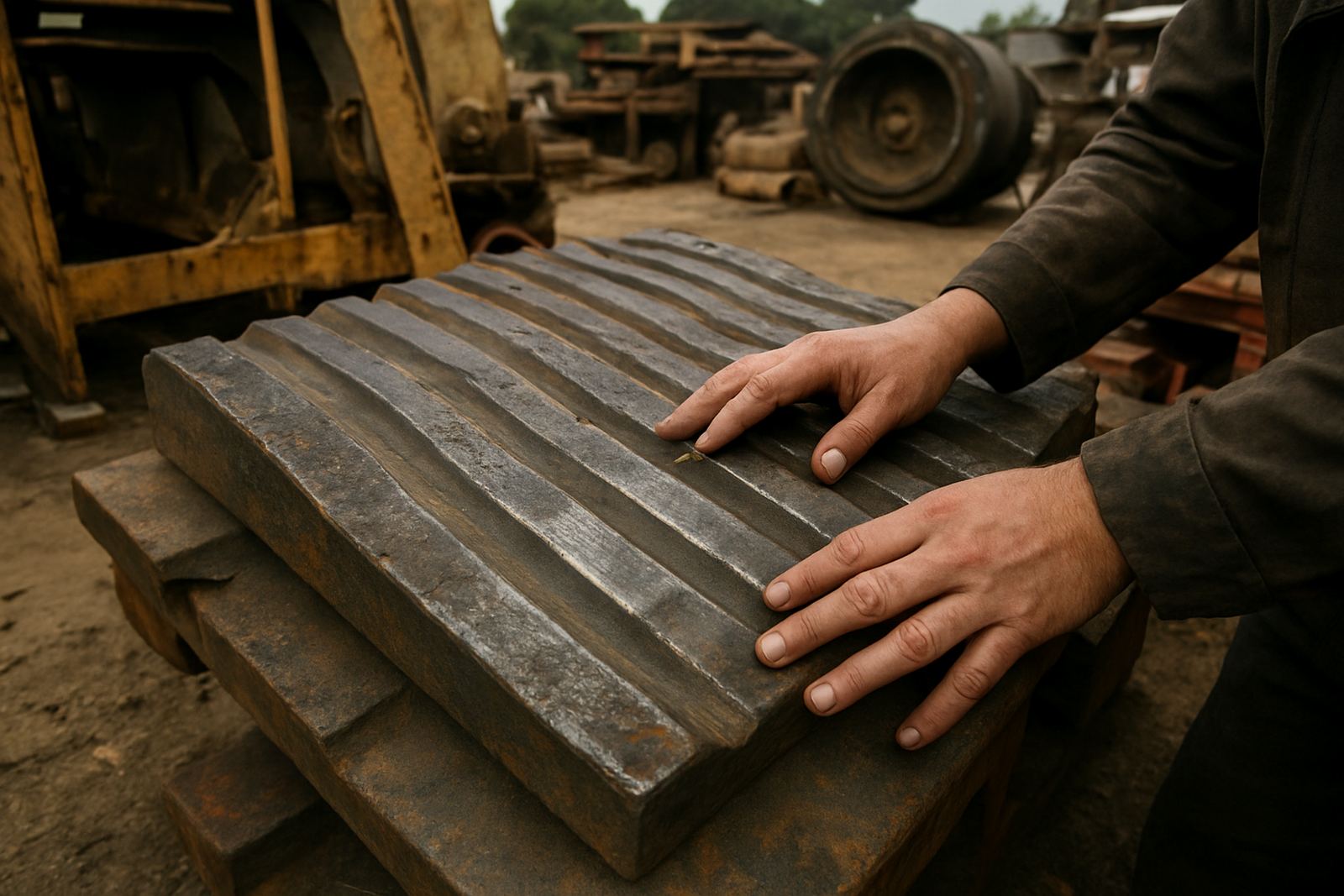
Used spares only save money when their condition is understood. A liner or housing that looks acceptable on the yard floor may be unfit for a shutdown if the wear profile is uneven or the mounting face is damaged. That is why inspection and condition reporting should happen before the part is tagged, stored or offered to another quarry.
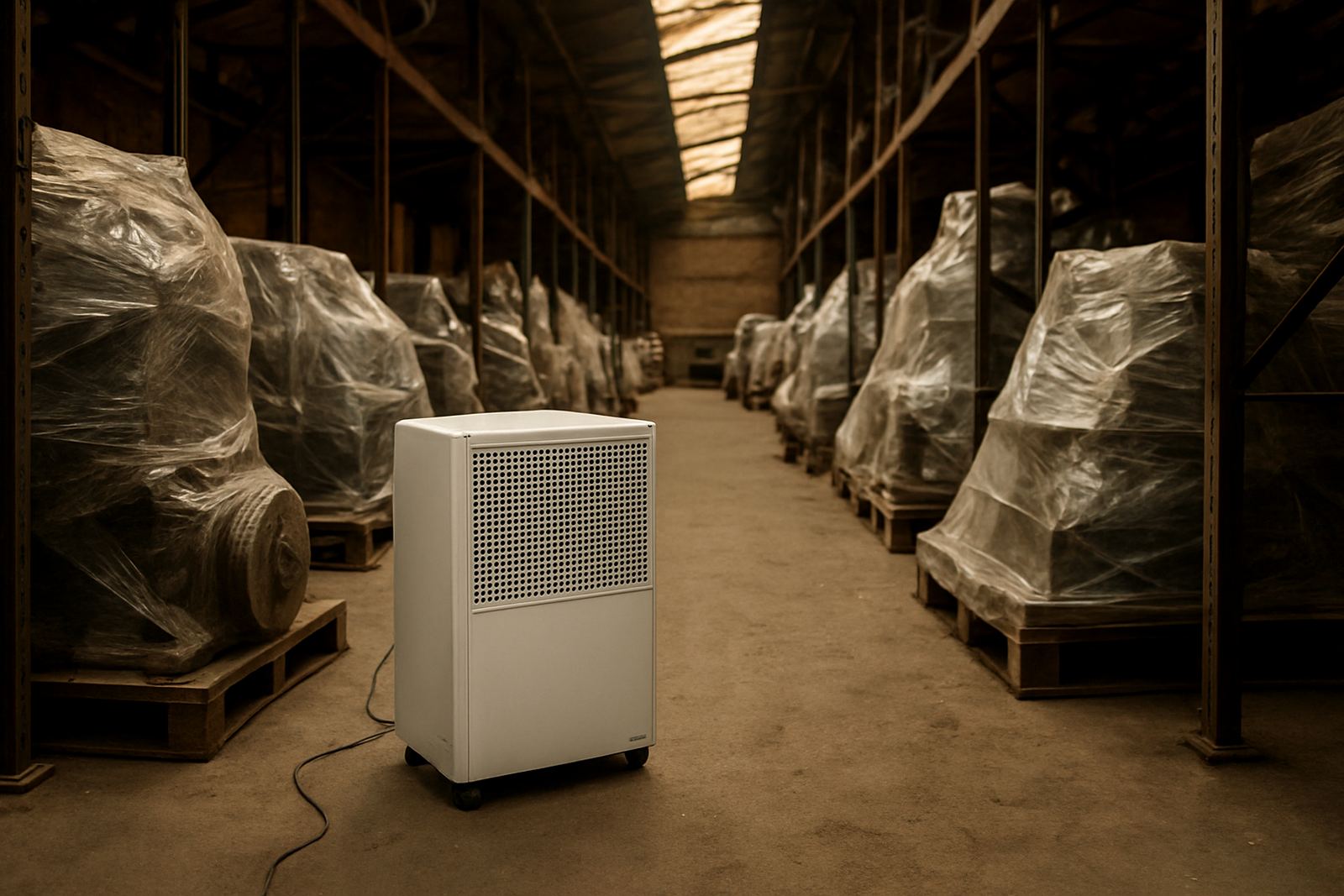
At Crusher Spare Exchange, our inspection process in Middelburg and surrounding regions is focused on practical use, not paper only. We check visible wear, damage, fit points and storage readiness, then separate parts that are exchange-ready from items better suited to scrap value. That keeps buyers from guessing and helps sellers recover value from surplus stock that would otherwise sit for months.
A local example from Middelburg to Rustenburg
A quarry outside Middelburg recently needed secondary crusher wear parts during a planned shutdown. The primary stock was in order, but the site had not factored in the secondary chamber parts that determine final product size. When the team found one component beyond serviceable limits, the closest matched spare had to be sourced fast, inspected and delivered before the shutdown window closed.
Because the part had already been listed, checked and stored through our yard system, the plant avoided a longer stoppage and a costly follow-up visit. That kind of outcome is common on routes between Middelburg, eMalahleni, Rustenburg and Polokwane, where transport time and shutdown discipline matter just as much as the part itself.
How exchange logic reduces waste without weakening readiness
Many plants keep surplus spares because they were ordered for an earlier job, a rebuild or a backup plan that never happened. Secondary crusher spares are a good fit for exchange because the parts are often valuable, identifiable and still useful elsewhere even when one site no longer needs them. That keeps money in circulation and frees up yard space.
The key is to separate usable spares from scrap with clear inspection notes, then decide whether the item should be stored, sold, exchanged or broken down for material value. That approach works well for quarries and mines that want cleaner stock control without tying up cash in duplicate inventory.
- List surplus stock early before it deteriorates in storage
- Use yard space for parts that can still earn value
- Keep good records on condition, fitment and location
- Move slow stock out before it becomes a write-off
When to review your secondary spares schedule
Review the schedule whenever you change feed type, crushing ratio, contract volume or shutdown cycle. If your product spec tightens, your secondary and tertiary units will usually feel that pressure first. The same applies after major repairs, when a machine may be running but not wearing exactly as it did before.
For quarries and mines across South Africa, the most practical stock plan is the one that matches the machine, the route to site and the cost of downtime. If you are building a better list for a secondary crusher, start with the parts that keep the chamber in shape and the discharge on size. The rest can be handled in stages, but those parts need to be ready first.