Why a Clear Photo Saves Time in the Quarry Trade
In the crusher spares market, most delays start with uncertainty. A buyer may have the right machine model in mind, but if the image is dark, cropped or taken at an angle, they still need to ask for more detail. That means more calls, more messages, and slower decisions. Good photos cut that back straight away.
For surplus parts moving between quarries and mines, a photo should do three jobs at once. It should show the general part type, confirm the condition and give enough scale for the buyer to judge whether it will fit their shutdown plan or stock requirement. That matters whether the part is sitting in Middelburg, ready for collection in eMalahleni, or heading out to Rustenburg, Polokwane, Kathu or Pietermaritzburg.
When the market is tight, buyers compare what is available today against what they need to keep plant running tomorrow. A sharp image makes the difference. It reduces back-and-forth and gives the seller a better chance of moving stock before the next shutdown window closes.
What Buyers Need to See Before They Commit
Think like the person receiving the photos. They are usually checking for wear, missing sections, cracks, bends, rust, and whether the item still has usable life left. They also want to know if the part is complete or if there are extras needed for fitment. That is why one photo is seldom enough.
Use a simple set of angles so the buyer can assess the item properly. A good set usually includes the full item, both sides, close-ups of worn areas, the mounting face, and any stamped numbers or tags. If the part has a known issue, show it clearly. Buyers respect that. It speeds up condition reporting and cuts out disputes later.
- Take one wide photo for overall shape
- Take close-ups of wear points and damage
- Show serial numbers, cast marks or size markings
- Place a tape measure or spanner nearby for scale
- Photograph the item on a clean surface if possible
In practice, a buyer would rather see honest wear than a polished image that hides the real condition. In this trade, trust starts with what is visible.
Lighting, Background and Angles Matter More Than Fancy Equipment
You do not need special kit to take useful photos. A phone is usually enough if the light is right and the image is steady. Natural daylight works best, especially early morning or late afternoon when the sun is not harsh. Inside a yard, avoid deep shade and dark corners where the part disappears into the background.
A plain background helps the item stand out. Concrete, a clean pallet, or a sheet of steel is better than cluttered workshop clutter with hoses, scrap and packaging in the frame. Keep the camera level where you can, and avoid extreme close-ups that remove useful context. If the part is large, step back and take more than one photo rather than trying to fit everything into one shot.
At the Middelburg yard, we often see how a simple, well lit set of images helps when stock has to be sent out quickly during a shutdown. A crusher spare photographed in good daylight, with the wear points visible, is easier to match to the right buyer in Secunda or Lydenburg than a dim picture taken under a roof at 6pm during load-shedding. Good light saves time, and time saves money.
Show the Part as It Will Arrive, Not as It Was Found
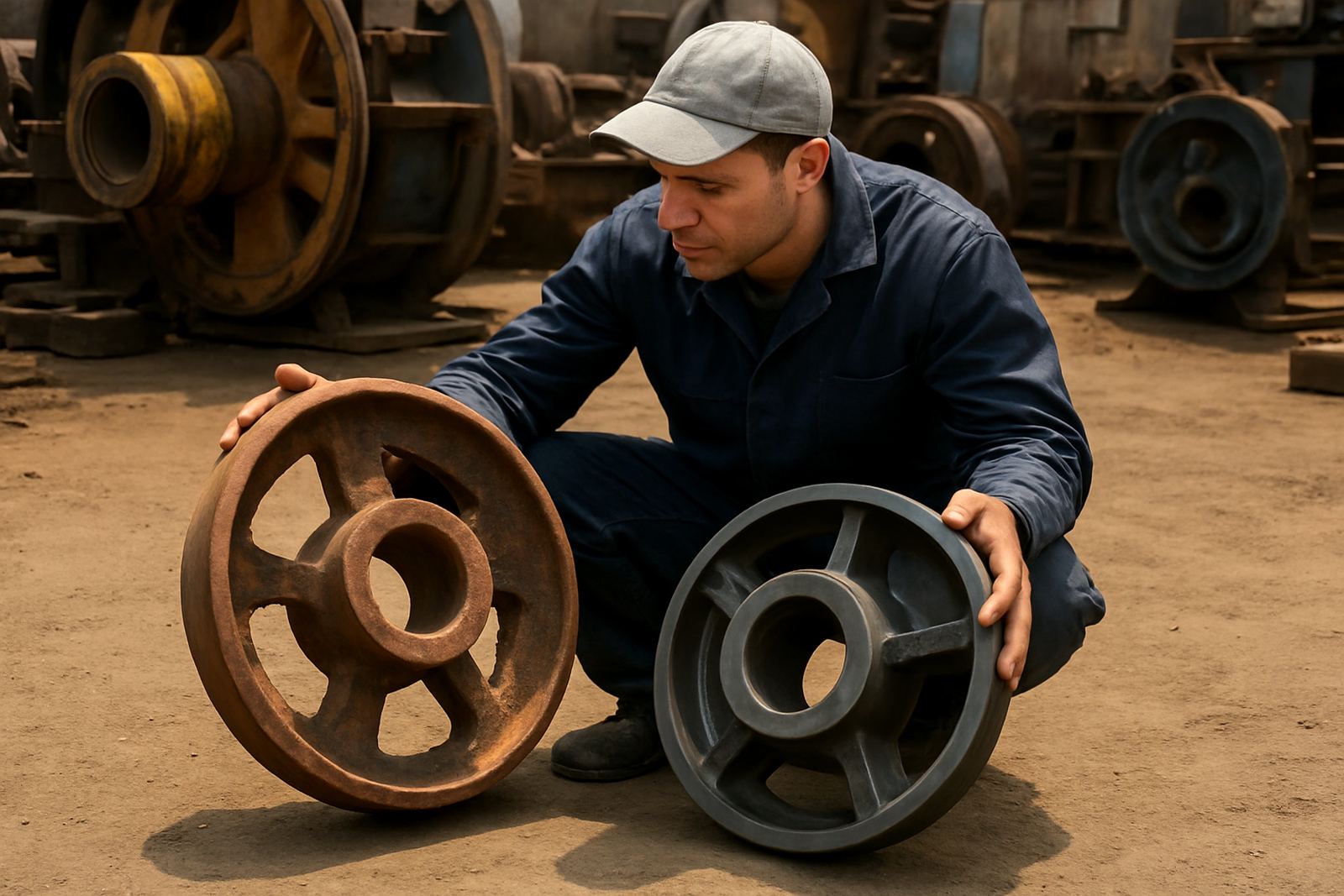
Before photographing, do a basic clean down. Remove loose dust, grease and mud so the real surface condition can be seen. That is especially useful for parts coming out of coastal humidity areas or dusty pit environments where grime can hide the true state of the metal. A quick wipe with a cloth is usually enough. Do not over-clean to the point where wear marks or cracks are hidden.
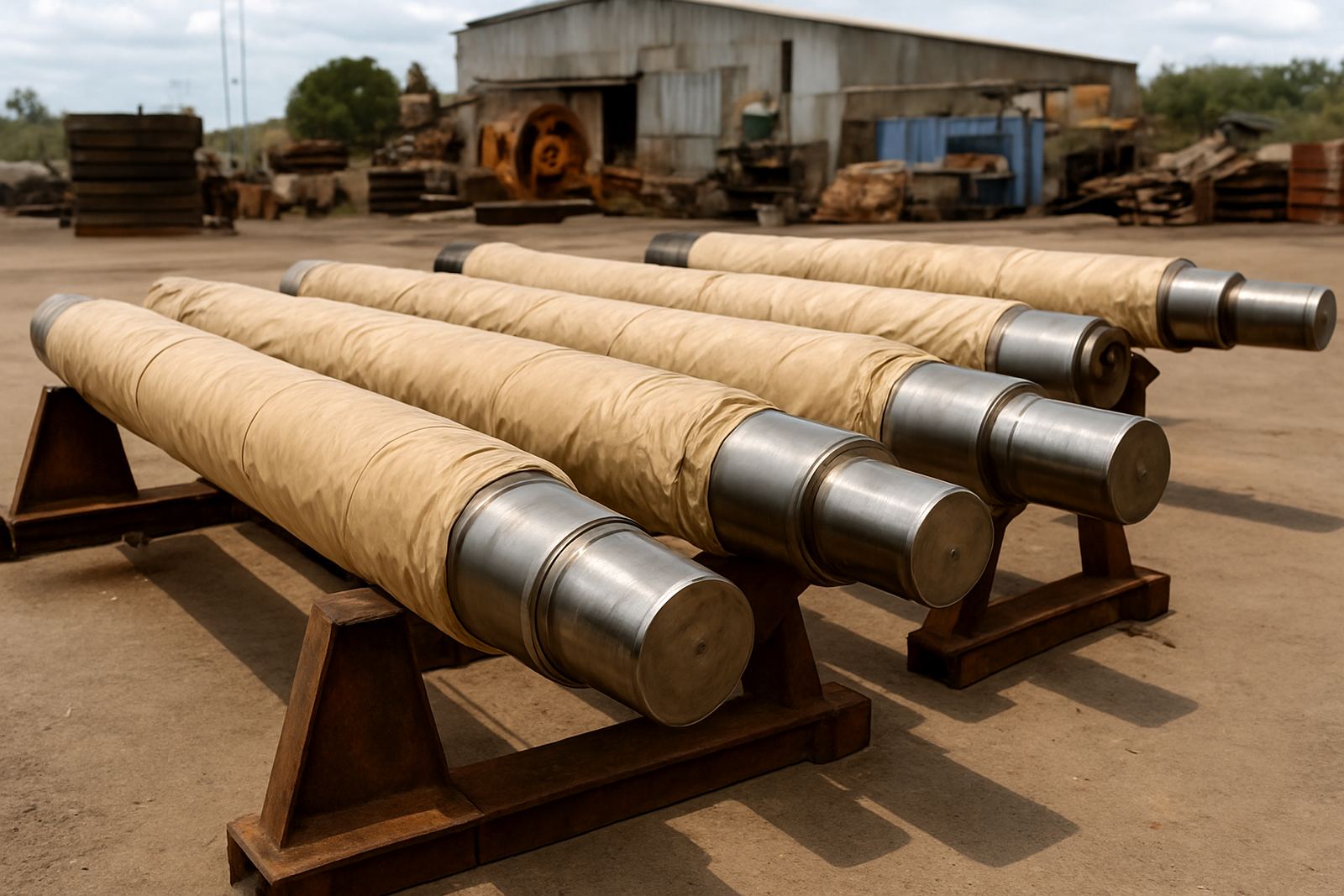
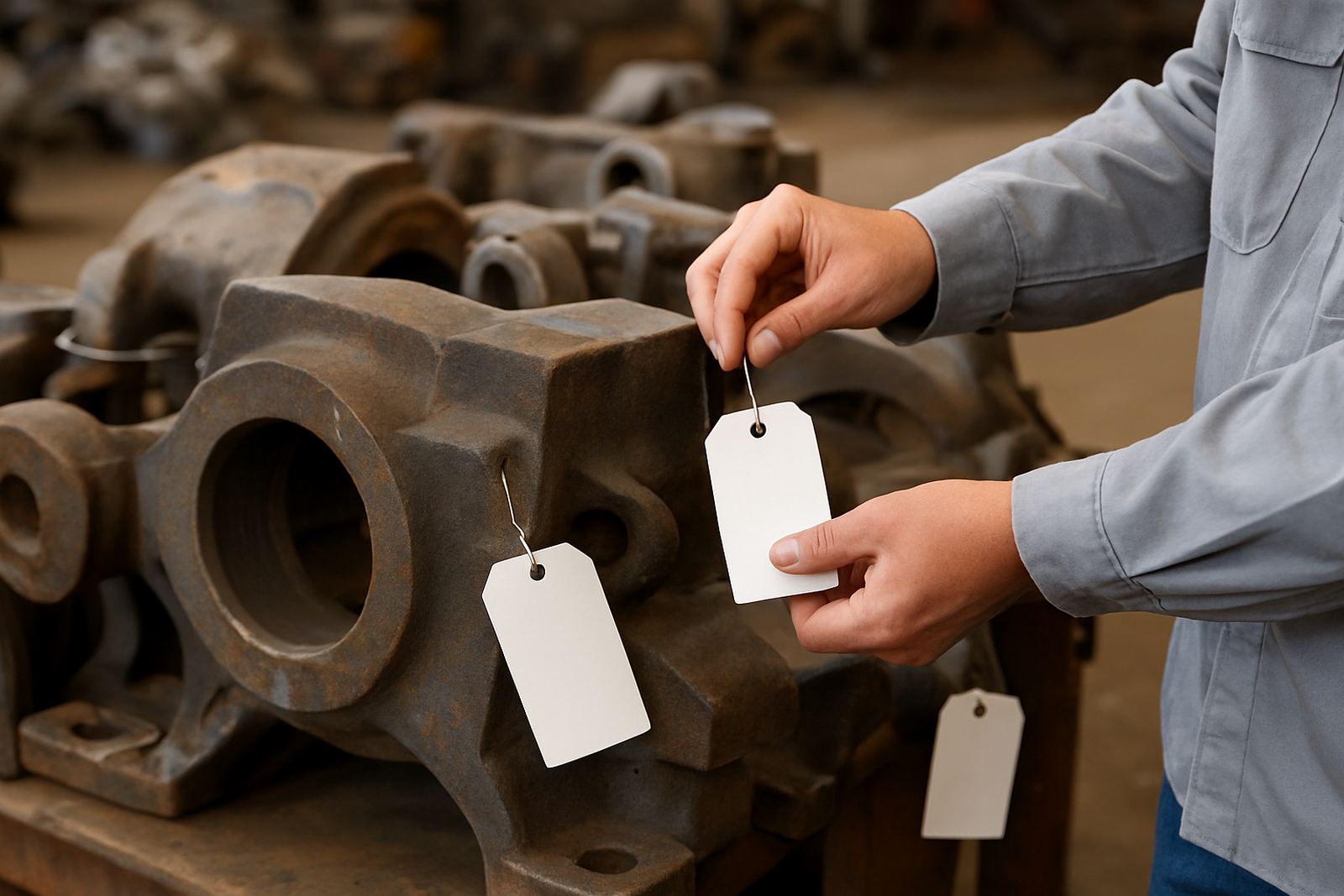
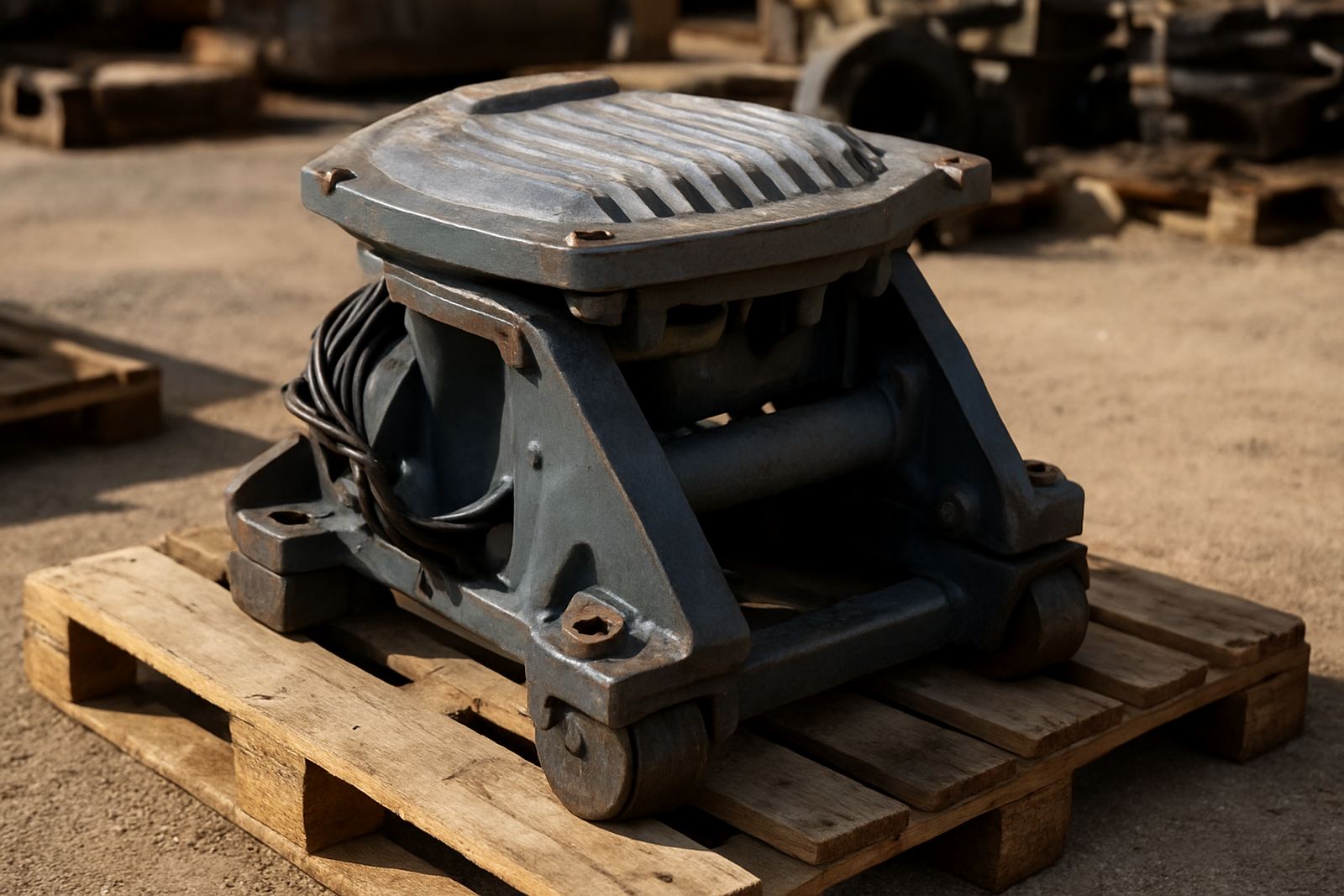
It also helps to photograph the item after it has been identified, counted and tagged. If the part will be palletised and packed, show it in that state too. Buyers want to know whether the item is ready for collection, whether it needs extra handling, and whether it can be loaded safely without damage. One clear image of the packaged item can answer a lot of questions.
- Clean off loose dirt before taking photos
- Show any protective wrapping or palletising
- Include labels or tags where available
- Do not hide damaged corners or worn edges
This approach supports accurate inspection records and helps both sides avoid surprises once the part reaches the yard or the receiving plant.
Local Example: A Wear Part from Middelburg That Moved Faster with Better Images
A recent surplus listing from the Middelburg area showed how much difference photos can make. The item was a heavy wear part coming out of a quarry after a scheduled changeover. At first, the photos only showed the front face, taken in poor light and with dust still on the surface. Interest was slow because buyers could not judge the edges or see the fixing points properly.
We then added a full set of clear photos from both sides, close-ups of the wear surface, and one shot with a measuring tape alongside it. The item was reclassified quickly, the condition report became easier to read, and the buyer could compare it against the machine on site without waiting for more detail. That reduced the hold-up and the part moved on with less delay. In a market where a lost day can affect a shutdown plan, that kind of improvement matters.
For quarries in eMalahleni, Rustenburg or Kathu, this is not just about looking neat. It is about moving useful stock before it becomes scrap, and making sure the next site can use it while it still has value.
A Simple Photo Checklist Before You List Surplus Spares
A good image set does not need to be complicated. The main thing is consistency. If every listing is photographed in a similar way, buyers can compare parts faster and your exchange process becomes easier to manage. That is useful when stock is being stored, sorted and moved between yards and mines across South Africa.
Before listing, go through a short checklist and make sure the part is ready for inspection and exchange. This keeps the process tidy and makes the listing stronger from the start.
- Confirm the part number or machine reference if available
- Take wide shots from several angles
- Capture close-ups of damage, wear and mounting points
- Include a scale reference, such as a tape measure
- Photograph any pallets, crates or wrapping used for transport
- Check that the image is sharp and not blurred by movement
It sounds simple, but this is often what separates a quick sale from a listing that sits for weeks. When a photo gives a buyer enough confidence to ask the next question, the exchange is already moving in the right direction.
Better Photos Mean Better Exchanges
Good photos are not about presentation tricks. They are about helping the next quarry or mine make a practical decision with less risk. Clear images support inspections, condition reporting, storage decisions and delivery planning. They also help sellers show honest value and buyers avoid parts that will not suit their plant.
At Crusher Spare Exchange, we see photos as part of the exchange process, not an extra step. A clear image can shorten the time from enquiry to collection, especially when stock has to move between Middelburg, the surrounding regions and further afield. When the details are visible, the deal is easier to judge and much easier to close.
If a part is worth listing, it is worth showing properly. In this trade, a good photo often speaks before anyone picks up the phone.