
Why a Written Inspection Record Changes the Risk
When a quarry buys a previously used crusher spare, the part itself is only half the story. The other half is the record that comes with it, showing where it came from, what machine it ran on, what was measured, and why it was released for exchange or scrap. Without that paper trail, you are guessing on condition, and guessing with a crusher means lost production and unwanted callouts.
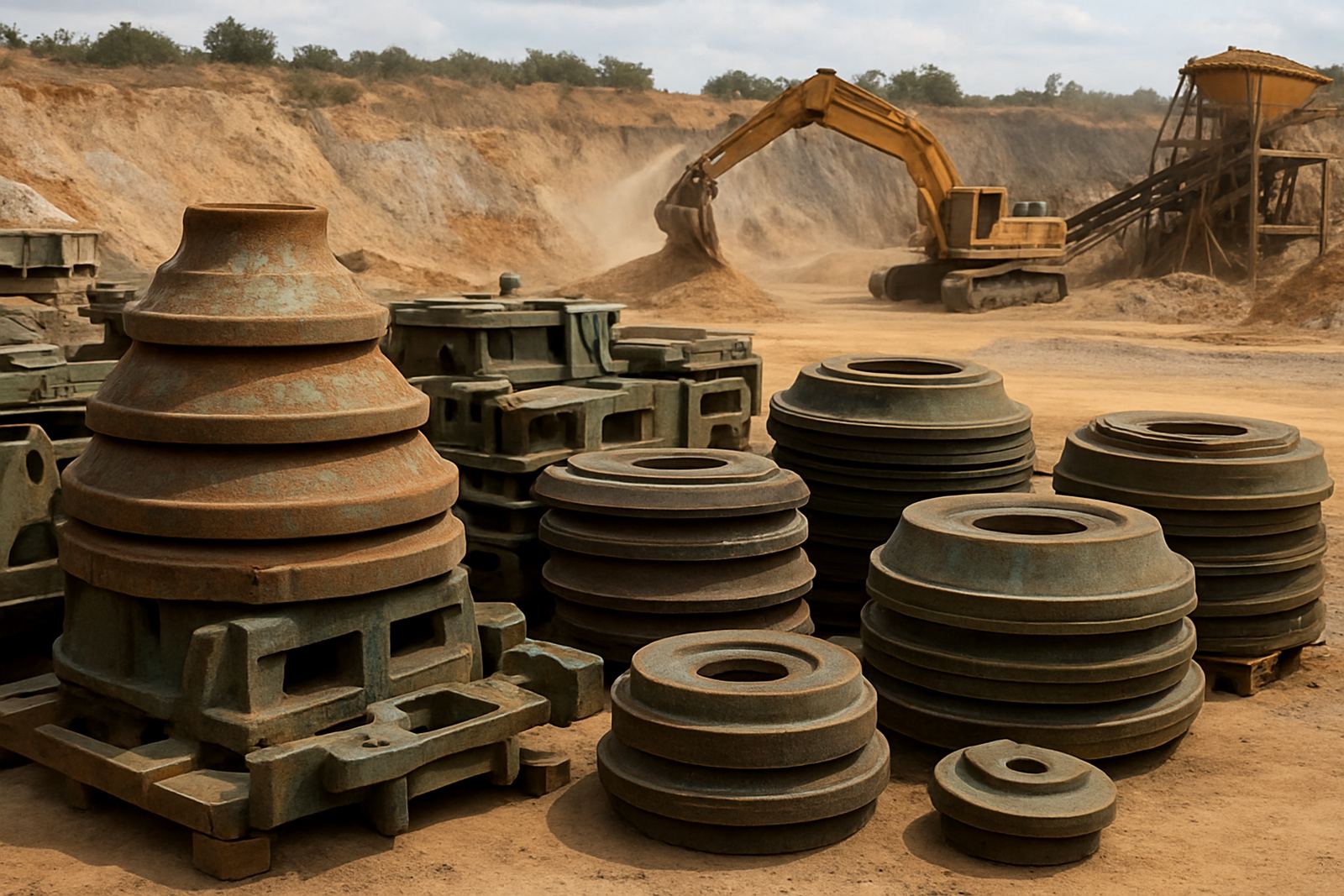
A proper inspection record helps your maintenance team decide if a jaw die, mantle, cheek plate, bearing housing or shaft can go back into service with confidence. It also gives buyers and sellers a shared view of wear, cracks, pitting, dimensional loss and repair history. In practice, that saves time during shutdowns and avoids arguments after delivery.
What a Useful Inspection Record Should Actually Show
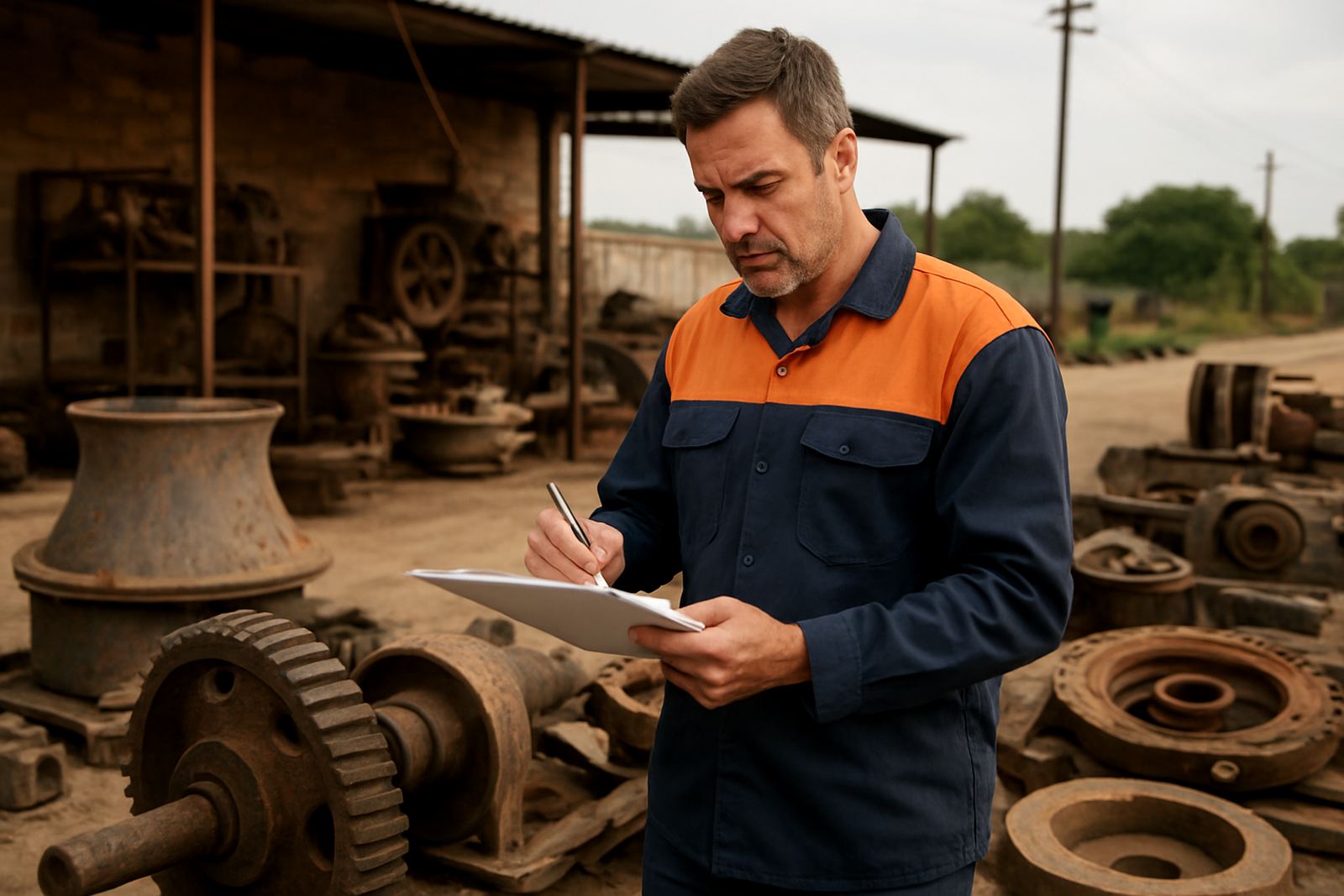
Good records are practical, not fancy. They should give enough detail for an artisan, supervisor or engineer to make a call before the part is sent from Middelburg to eMalahleni, Rustenburg or further afield. If a record leaves out the basics, it is not helping anyone on site.
- Part description, machine type and where the part was removed from
- Date of inspection and the name of the person who checked it
- Wear measurements, crack notes and any visible damage
- Photos from more than one angle, including close-ups of problem areas
- Whether the part is fit for exchange, fit for limited use, or scrap
- Any storage notes, such as rust protection, packing or pallet condition
For high-value items, it helps to record serial numbers, heat numbers or casting marks too. That makes traceability easier when a part moves between quarries and mines across provinces, and it reduces confusion if similar components are stacked in the same yard. A clear record is worth a lot when the shutdown clock is running.
How Inspection Records Support Safe Exchange Decisions
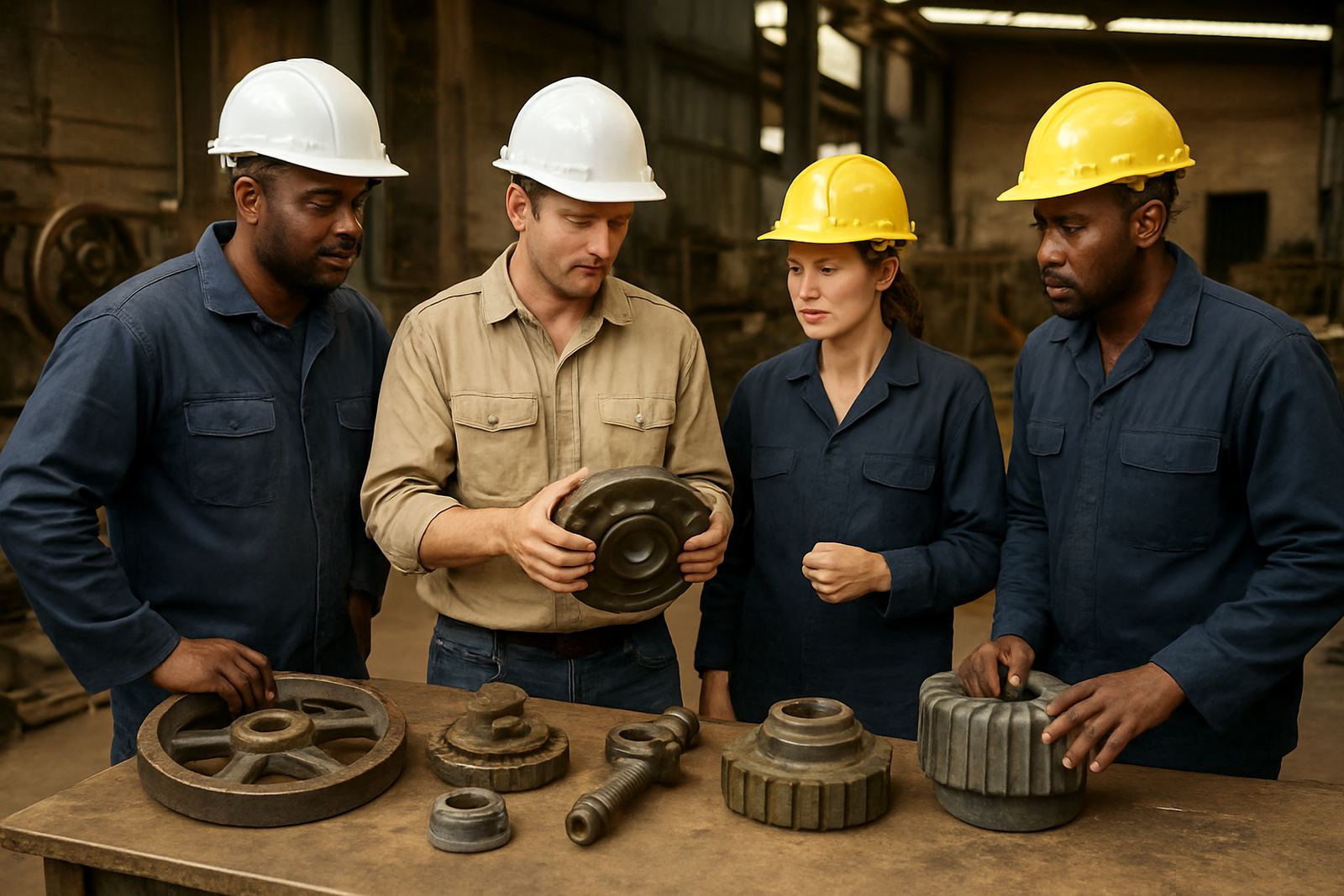
Not every used part should be sold as a working spare. Some components are ideal for exchange after a clean inspection and minor dressing, while others are better stripped for scrap value. That decision should come from the condition report, not from a quick look over a fence or a hurried phone call.
At our Middelburg base, we see the difference every week. A cheek plate from a Secunda site might have uneven wear but still enough life for a smaller duty crusher, while a shaft from a wet plant near Pietermaritzburg could show scoring that makes reuse risky. The report tells the story. It also helps our team separate parts that need urgent testing from those that can be stored and released later without drama.
- Exchange decisions become easier when the wear is documented clearly
- Scrap vs exchange calls are quicker and more defensible
- Buying teams can compare parts from different regions on the same basis
- Production planning improves because lead times are less of a surprise
A Local Example from a Middelburg Shutdown
Picture a quarry outside Middelburg planning a weekend shutdown. The site needs a replacement crushing component in a hurry because rain and load-shedding have already cut into production. A used part is available, but only the inspection record shows whether it has enough remaining thickness, whether the mounting points are sound, and whether the storage history has protected it from corrosion.
If that record is complete, the maintenance team can check fitment before transport. If the dimensions are off, or a crack was noted on the report, the buyer can stop the order and look for another option before a crane is booked and labour is on standby. That kind of decision saves money in a very direct way.
We see similar situations in Rustenburg, Kathu and Polokwane, where equipment is often pushed hard and downtime has a quick effect on tonnage. A detailed inspection record does not remove risk completely, but it narrows it down enough for a practical decision.
Storage and Handling Matter After Inspection Too
An inspection record is only useful if the part is then stored and handled properly. A component can pass inspection and still lose value if it is left uncovered, dropped during loading, or stacked badly in the yard. That is especially true in coastal humidity, dusty yards and places where sudden rain can get into open packing.
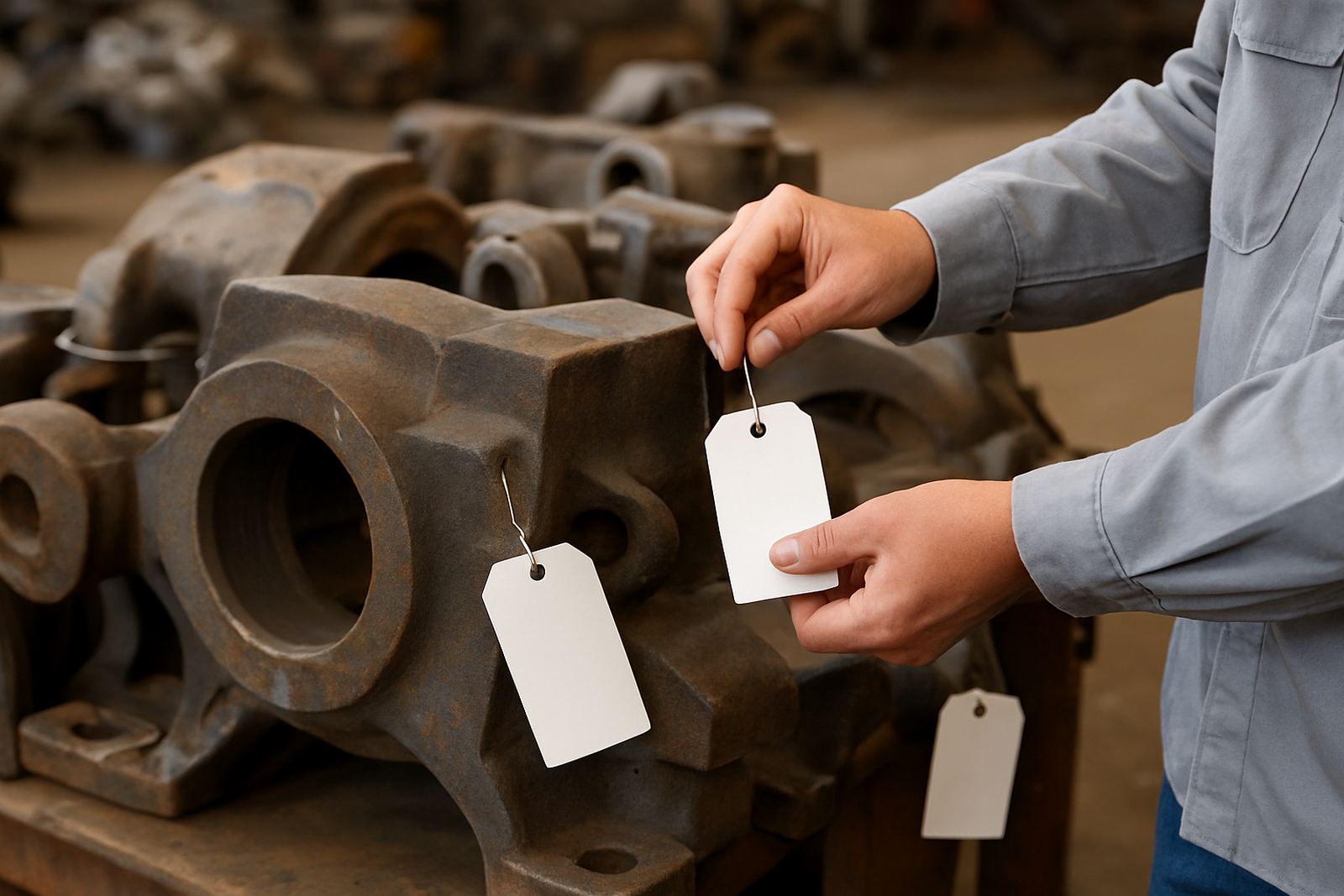
Our storage and packing process is built around traceability. Once a part is inspected, it is identified, palletised if needed, wrapped or protected, and kept with the report so the next buyer knows exactly what is being moved. That is important for national delivery as well, because a part travelling from Lydenburg to Pietermaritzburg or from Rustenburg to Middelburg may spend days in transit and one damaged pallet can undo a clean inspection.
- Keep reports with the part, not in a separate office file only
- Use packing that matches the weight and shape of the component
- Mark parts clearly so mixed stock does not cause dispatch errors
- Protect machined surfaces and open ends from dust and moisture
What Buyers Should Ask Before They Commit
If you are sourcing used crusher spares, ask for the report before you ask for the price. That order matters. The price may look good, but the condition may not suit your machine, your feed size or your planned shutdown window. A cheaper part that fails early is not cheap at all.
Ask where the part came from, who inspected it, when it was checked and what the actual findings were. If the answer is vague, treat it carefully. Reliable suppliers should be able to show whether the item is suitable for fitment checks, consignment sale, urgent spares search or scrap recovery. That is the point of a proper exchange system.
For quarries and mines, the real value is not just in moving metal around. It is in moving the right part, with the right history, to the right place at the right time. That is what keeps production steady and reduces waste at the same time.