

Why winter storage matters for crusher spares
In winter, the risk is not only rain. In places like Middelburg, eMalahleni and Pietermaritzburg, cold nights can bring condensation inside stored parts, crates and wrapped loads. That moisture sits on bare steel and starts surface rust before anyone notices. Once a bearing housing, shaft, liner or wear part starts corroding, the cost is not just cleaning. It can mean rework, delayed fitment and extra transport costs when a part is needed fast.
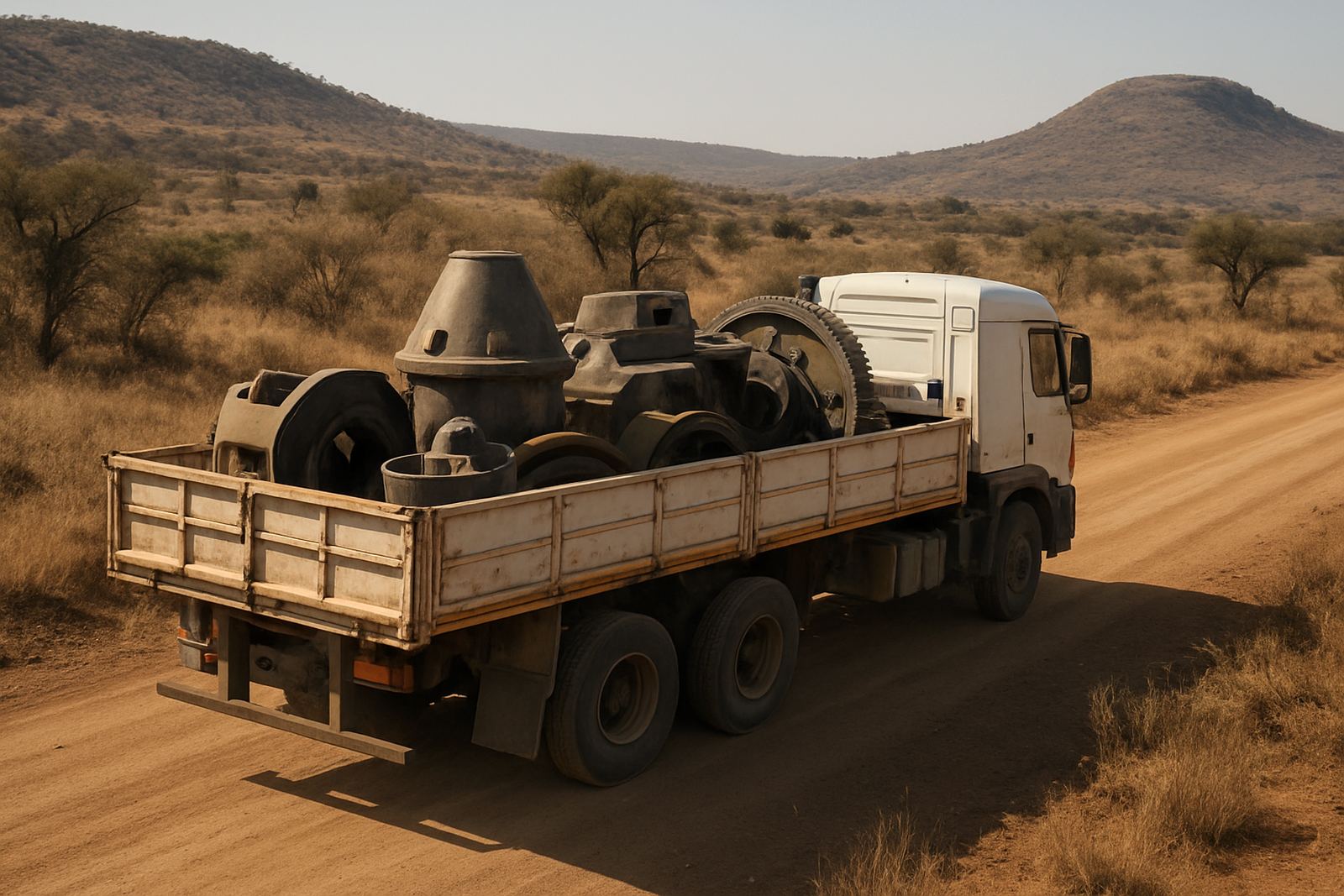
Crusher spares are often moved between quarries, yards and shutdown sites, so storage must be practical. A part that looks fine from the outside can still have damaged threads, seized fixings or water sitting in the wrong place. The aim is simple: keep the spares dry, identifiable and easy to issue when a site calls for them.
- Keep metal off bare ground and away from standing water.
- Use clear labels on each item, batch and pallet.
- Check wrapped parts after cold fronts or heavy rain.
Choose the right spot in the yard
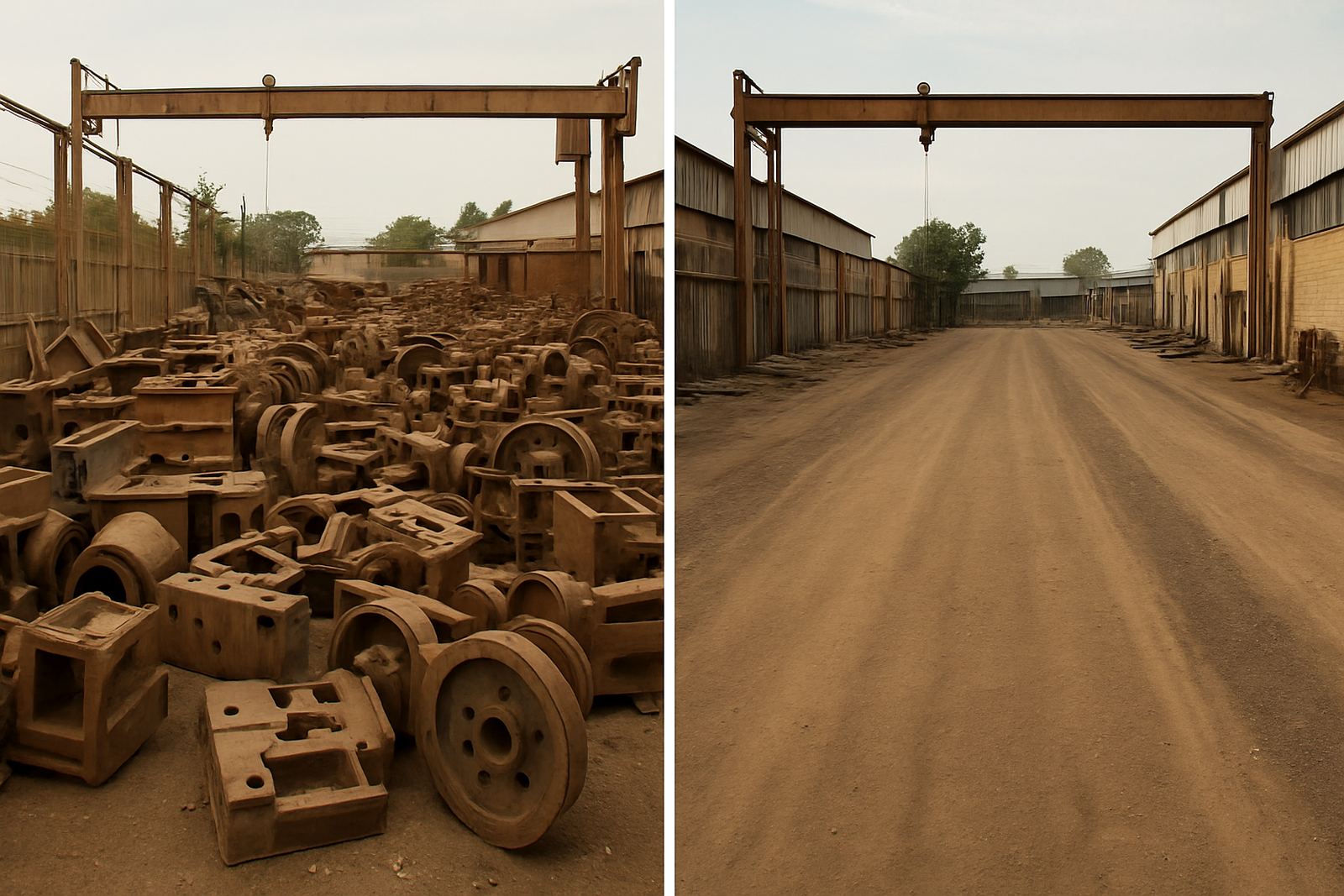
Not every part belongs in the same place. Heavy crusher components should be stored where drainage is good and where forklifts, cranes or telehandlers can reach them without disturbing other stock. A yard in Middelburg that gets dust in summer and frost in winter needs a smarter layout than a packed corner against a fence. If parts sit under open sky, the packeting must be stronger and inspected more often.
For long-term storage, use hard standing rather than soil. Gravel can work if it drains well, but mud and splash back are a problem after rain. Coastal moisture is not the only issue in South Africa, because inland humidity and cold air can still leave parts damp by morning. If the yard has no roofed storage, create a dedicated covered zone for high-value items and sensitive components.
- Store high-value spares under cover where possible.
- Keep walkways clear for safe lifting and collection.
- Do not stack irregular parts where they can shift or tip.
Clean, inspect and record before storage
Never pack away a spare dirty and assume it will be fine later. Dust, grease, oil and slurry all trap moisture. Before storage, each part should be cleaned, dried and inspected for damage. Threads should be checked, machined faces protected, and any cracked or bent item recorded straight away. At Crusher Spare Exchange, this is where condition reporting saves time later because buyers and sellers know exactly what is on hand and what still needs attention.
A simple inspection routine is enough for most items. Look for rust spots, chipped surfaces, missing fasteners and signs of previous poor fitment. If a part is going into consignment or exchange stock, note its condition clearly so there is no confusion during a shutdown order. It also helps to photograph the item from a few angles before it goes into storage, especially for parts that may be moved between Rustenburg, Secunda or Kathu.
- Clean off dust, grease and moisture before wrapping.
- Tag each item with part details, condition and date stored.
- Separate serviceable spares from scrap or exchange-only stock.
Use wrapping and packing that holds up in cold weather
Winter wrapping needs to do more than keep out dust. Plastic that traps moisture can be a problem if the part was packed while still warm or slightly damp. The safer approach is to dry the part properly first, then wrap it with breathable protection where needed, and seal only where the packaging will not trap water. Palletising helps too, because it keeps the load stable and away from floor moisture.
For smaller crusher spares, use clearly marked crates, heavy-duty bags and separators so that items do not knock against one another in transit. For larger parts, protect machined edges and keep fixings in labelled containers. Mpho Rakoma and the logistics team often see damage caused by loose bolts, shifted packing and poor tie-downs during winter collections. A few extra minutes spent on packing can save a full day of rework.
- Dry parts fully before sealing or wrapping.
- Use pallets, crates and separators for stable storage.
- Keep bolts, washers and small items in labelled packs.
Watch for rust, swelling and moisture after cold fronts
After a cold spell, do a quick yard check. Open stored items may show condensation, and enclosed items can hold damp air if they were packed too early. Look at any exposed steel, painted surfaces and joints where water can sit. If a part has oil or grease on it, check that it has not collected dirt that will harden in the cold. In some yards, even the labels peel off when the adhesive fails in low temperatures, which makes stock control harder than it should be.
Parts stored for a long shutdown should be checked more than once in winter. This is especially useful for quarries running across eMalahleni, Lydenburg and Polokwane where transport can take a full day or more, and a small issue becomes expensive if it is only found on site. A short inspection now can prevent a whole batch from being written off later.
- Check for rust after rain, frost or sudden temperature drops.
- Replace damaged labels before stock becomes untraceable.
- Repack any item that shows trapped moisture or corrosion.
Match storage method to the part and the plan
Not every spare needs the same treatment. Wear parts, bearings, housings, shafts and fastening kits all have different storage needs. If a part is likely to move soon for an exchange or shutdown, keep it near the loading area and clearly marked. If it is surplus stock waiting for the right buyer, store it with its condition report and exchange details. That way the item can be issued, sold or swapped without sorting through a mixed yard.
For sites that manage both scrap and exchange stock, the decision matters. A part that can still be used should not be mixed with scrap that is headed for disposal. Good storage discipline helps the yard stay organised and makes winter collections and nationwide delivery easier. It also supports a cleaner process when a client in Rustenburg or Pietermaritzburg needs an urgent search for a particular spare.
- Keep serviceable spares separate from scrap and damaged stock.
- Place urgent items where they can be loaded quickly.
- Store exchange-ready parts with the paperwork they need.
A practical winter example from a Middelburg yard
One winter in Middelburg, a quarry yard held several surplus crusher spares under open cover because the main storeroom was full. After a week of cold rain and windy mornings, one batch of machined parts showed light rust on the edges and two labels had lifted off completely. The parts were still usable, but they needed cleaning, relabelling and fresh protection before they could be moved to another site. That small delay could have been avoided with better packing and a covered holding area.
The lesson is simple. Winter storage is not just about finding space. It is about protecting value, keeping stock traceable and making sure the next collection or delivery goes smoothly. For quarries and mines handling surplus crusher spares across South Africa, the best winter routine is the one that is repeated every time, not only when a problem appears.