
Know Which Spares Deserve Yard Space
The first rule is simple: only store a spare if it still has a clear use case. A part with sound dimensions, no hidden cracking and no excessive wear can be worth keeping, especially if it is slow to source or tied to a critical machine size. In quarry work, that can mean liners, frames, shafts, bearings housings, toggles, wedges and other heavy components that are expensive to replace quickly.
At our Middelburg base, we see the same pattern across eMalahleni, Rustenburg and Kathu. Quarries hold onto a part because it can save a shutdown later, but storage only pays if the item is correctly identified, measured and protected. If the part has already been stripped for scrap value, or if the cost of rework will exceed the benefit, it is usually better to exchange it or move it out before it ties up space.
- Store parts with known machine compatibility and traceable dimensions
- Keep items with limited local availability or long replacement lead times
- Separate high-value components from parts that are only fit for scrap
When Storage Makes Sense During A Shutdown
Shutdowns are the best time to decide whether a spare stays, moves or goes. When a plant comes down, the yard team can inspect the part properly, clean it, check the wear pattern and compare it with the next planned maintenance cycle. That is where storing the right spares saves money. You avoid rush buying, last-minute courier costs and the pressure of accepting poor-condition parts under load-shedding conditions or bad weather.
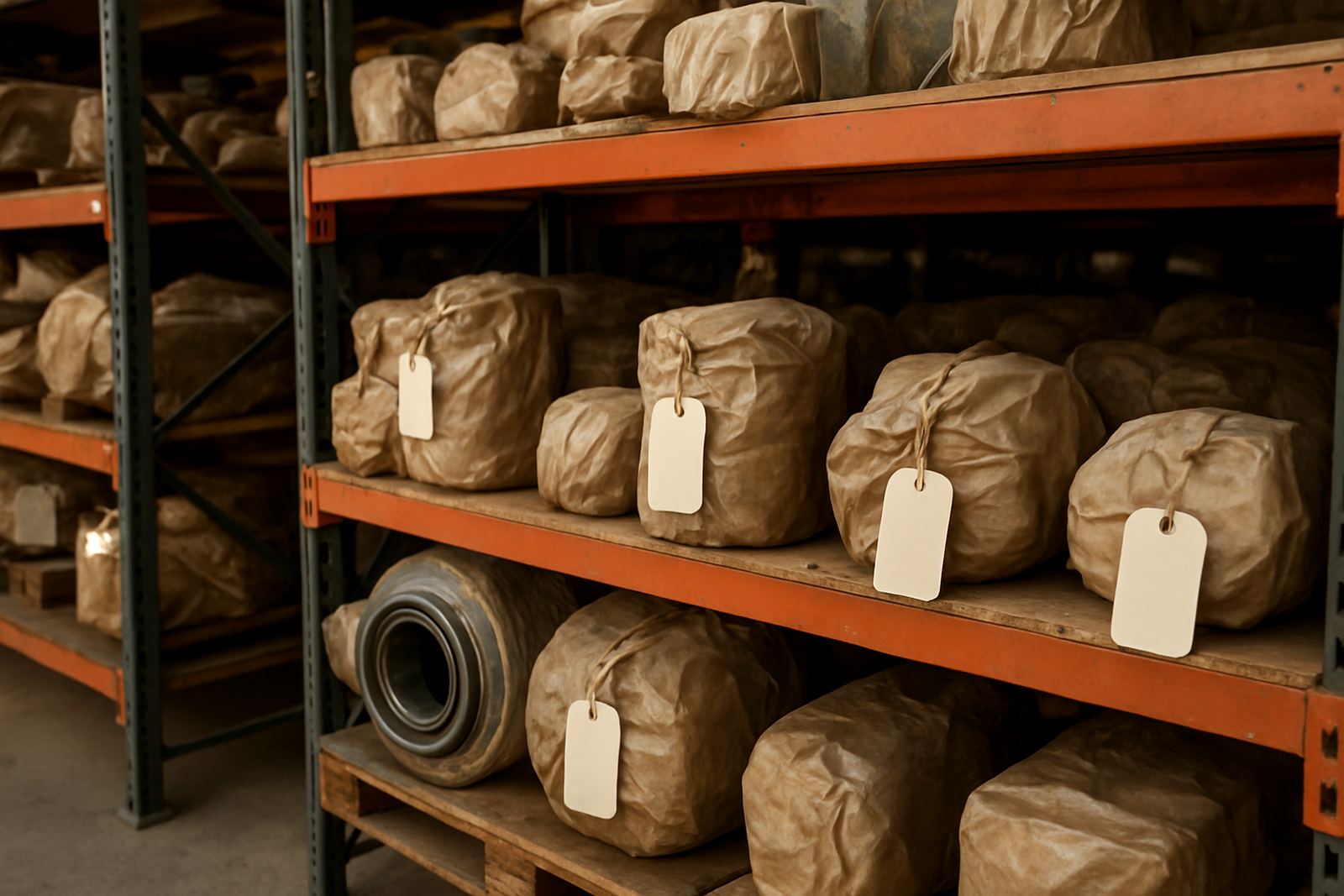
In places like Pietermaritzburg and Secunda, humidity can work against bare steel. In dusty areas around Polokwane and the Northern Cape, fine grit can sit in joints and edges. If a spare is worth storing, it needs more than a corner of the yard. It needs palletising, packing, tagging and a proper inspection note so nobody guesses later whether it is still usable.
- During shutdowns, inspect before you store, not after
- Bag small fittings and fasteners so they do not go missing
- Mark each item with size, plant, date and condition grade
Storage Conditions That Protect Value
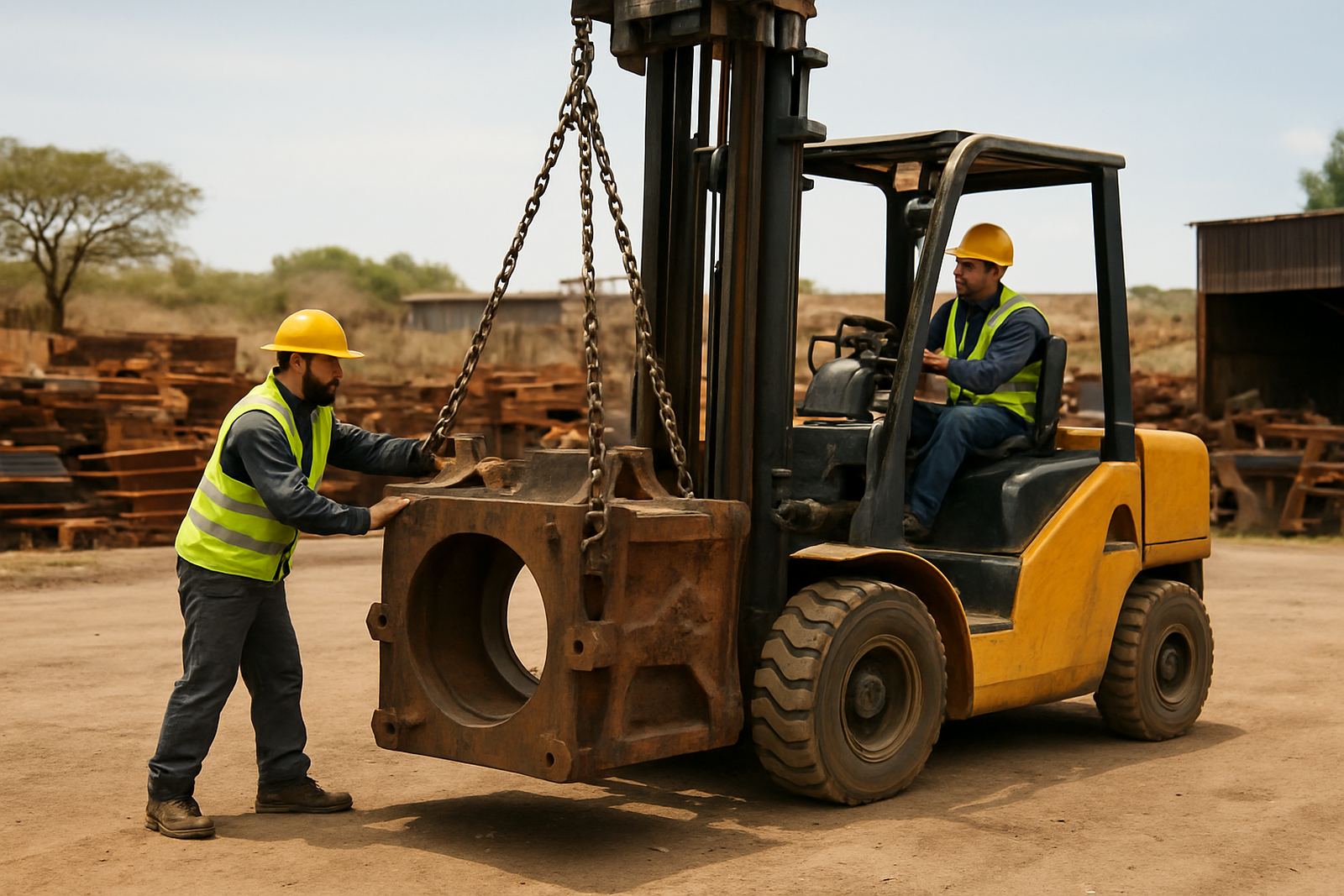
Good storage is not complicated, but it is strict. Heavy crusher spares should sit on proper pallets or stillages, off the ground and away from standing water. If a part has machined faces, exposed bores or electrical fittings, it needs cover and a dry area. Our team sees too many parts damaged by fork tines, sun exposure, condensation and poor stacking. A spare that looks fine from the outside can still fail a fitment check if it has warped or picked up surface damage.
For mines and quarries in Middelburg and the surrounding region, storage also has to work around practical issues like site traffic, municipal by-laws on yard housekeeping and the reality of quick collections. When a customer needs a part moved from Rustenburg Region to the yard for assessment, the item must be secure enough to travel without further wear. That means wrapping, bracing and packing it properly before the truck arrives.
- Keep machined surfaces protected from rust and impact
- Stack by weight and size, never by convenience
- Use clear labels so parts can be found quickly during a shutdown
When To Move A Spare Instead Of Holding It
Not every spare should stay in storage for months. If a part has no confirmed buyer, no known fitment and no realistic chance of reuse on the next plant stop, it may be better to release it through consignment, exchange or scrap assessment. Holding the wrong stock costs money in yard space, handling time and admin. It can also create confusion when teams assume a part is available but cannot prove its condition.
A practical rule is this: if the part is still valuable but not needed by your plant, move it while it still has market value. That is especially true for surplus crusher spares coming out of plants in Lydenburg, eMalahleni and Polokwane Region. A clean inspection report, quick condition check and clear pricing can turn a slow-moving item into cash or a trade benefit before it deteriorates further.
- Move parts early if they are taking up yard space without a likely use
- Compare repair cost against exchange value before deciding
- Use condition reports to support a fair sale or trade
A Middelburg Example: Holding The Right Parts For The Next Call
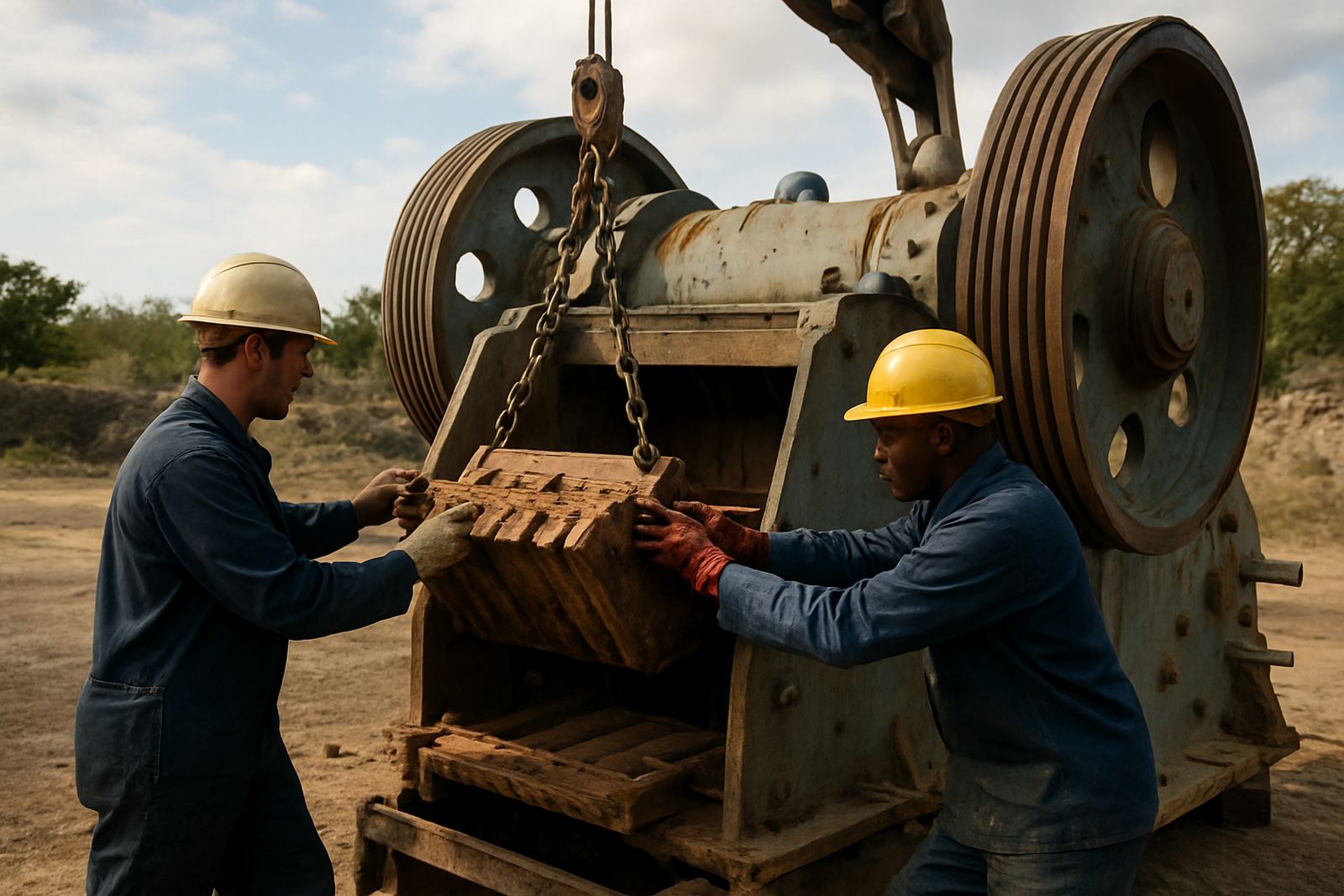
One quarry outside Middelburg kept a set of surplus crusher spares after a planned change-out, including items that still had useful life but did not match the new configuration. The parts were inspected, measured and stored under cover rather than left exposed in the yard. A few weeks later, a mine in Rustenburg Region needed a similar set for an urgent shutdown and the stored spares were exchanged instead of bought new. That saved time, reduced freight costs and avoided the delay of waiting for fresh stock.
The lesson is not to store everything. It is to store only what can still earn its keep. If a spare is clean, identified and ready to move when needed, storage becomes an asset. If it sits unlabelled beside scrap, it becomes dead stock. Good yards know the difference and so do their buyers.
What Our Inspection And Storage Process Looks For
Before any spare is stored or released, it should pass a simple but disciplined check. Our inspection team looks for wear, cracks, distortion, missing hardware and signs of poor previous handling. If needed, we also check whether the part will suit the intended machine before it goes into storage or on to a new site. That keeps the exchange practical and prevents avoidable call-backs.
For clients across South Africa, from Kathu to Pietermaritzburg, the process is designed around real site needs rather than paperwork for its own sake. The aim is to know whether a part should be stored, exchanged or scrapped, and to know it early enough to make a useful decision.
- Condition reporting for quick yes or no decisions
- Fitment checks before transport where possible
- Storage advice based on part type, value and likely reuse