
Why inspection comes before the listing
When surplus crusher spares move between quarries and mines, the item itself is only half the story. The other half is condition. A part that looks usable from a distance may have worn mating faces, cracked lugs, stretched bolt holes or hidden damage from poor storage. If that is not noted before listing, the buyer may plan a shutdown around a part that cannot go straight into service.
For operations in Middelburg and the surrounding coal belt, this matters even more during planned stoppages. A delay on one spare can affect a full shift, especially when a plant is already working around load-shedding or wet weather. Inspection before listing keeps expectations clear and helps the seller present the part honestly, whether it is going for exchange, consignment or scrap.
What a practical inspection should cover
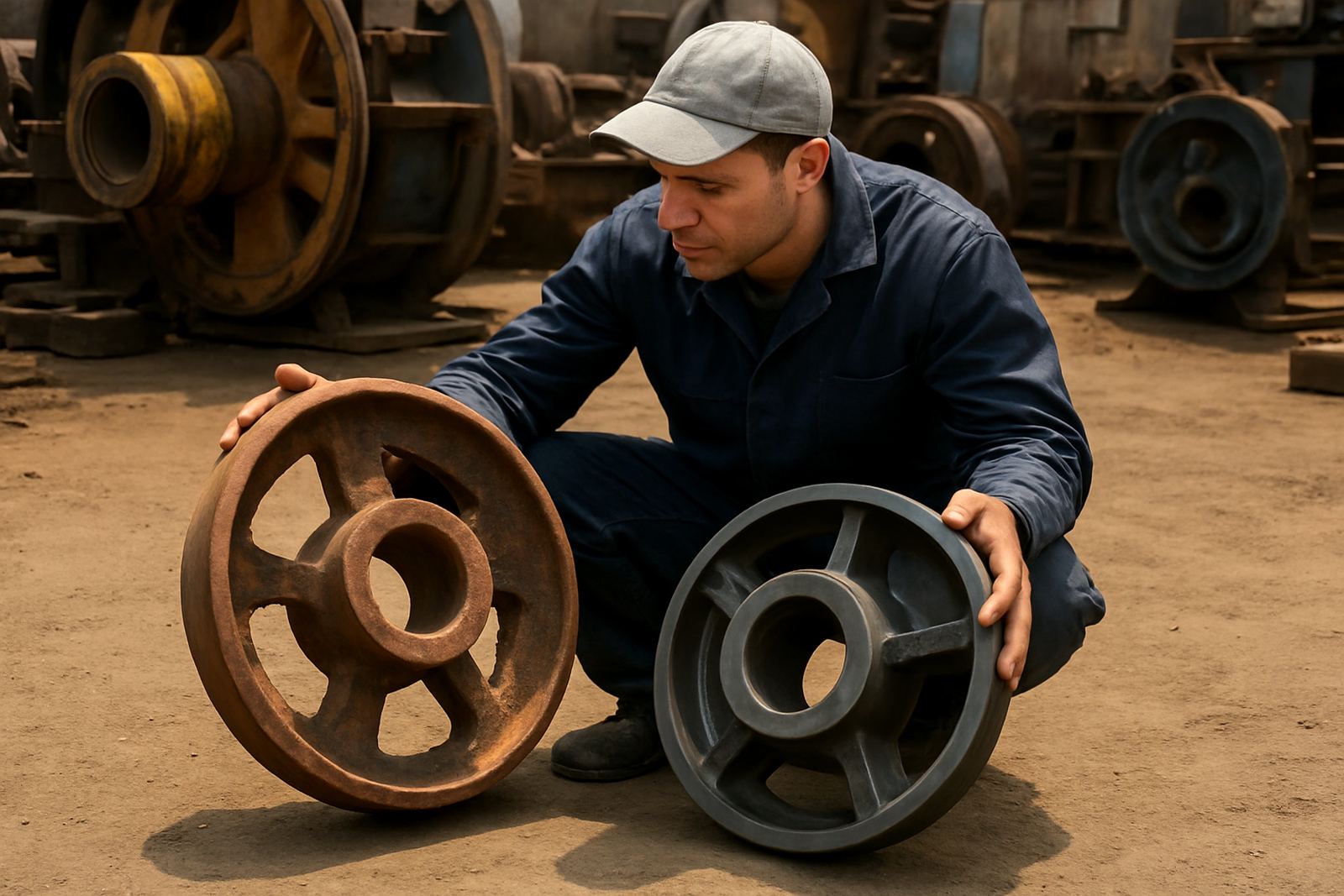
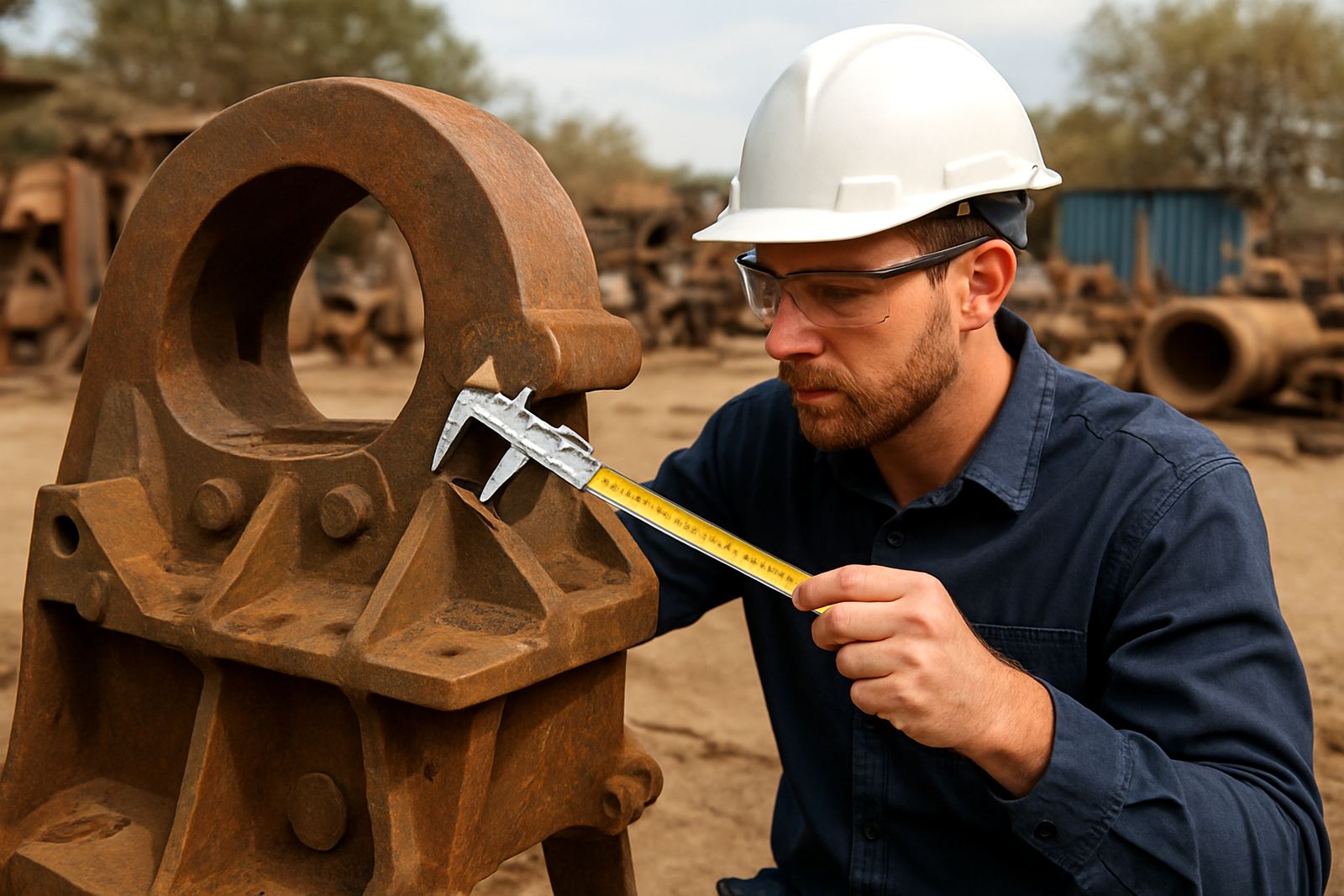
A good inspection does not need to be complicated, but it must be consistent. Start with identification: part name, machine type if known, and any markings, casting numbers or dimensions that help the next site match it correctly. Then move on to condition. Look for cracks, weld repairs, corrosion, bent sections, damaged threads and evidence of overheating. On stored parts, check for rust caused by coastal humidity if the item has travelled from the coast or been stored near open bays.
For heavier items, handling matters too. Broken lifting lugs, distorted frames and loose fasteners can make a perfectly usable part unsafe to move. If a part needs cleaning to inspect properly, that should be done before the item is photographed or measured. A dusty shell can hide damage and create arguments later.
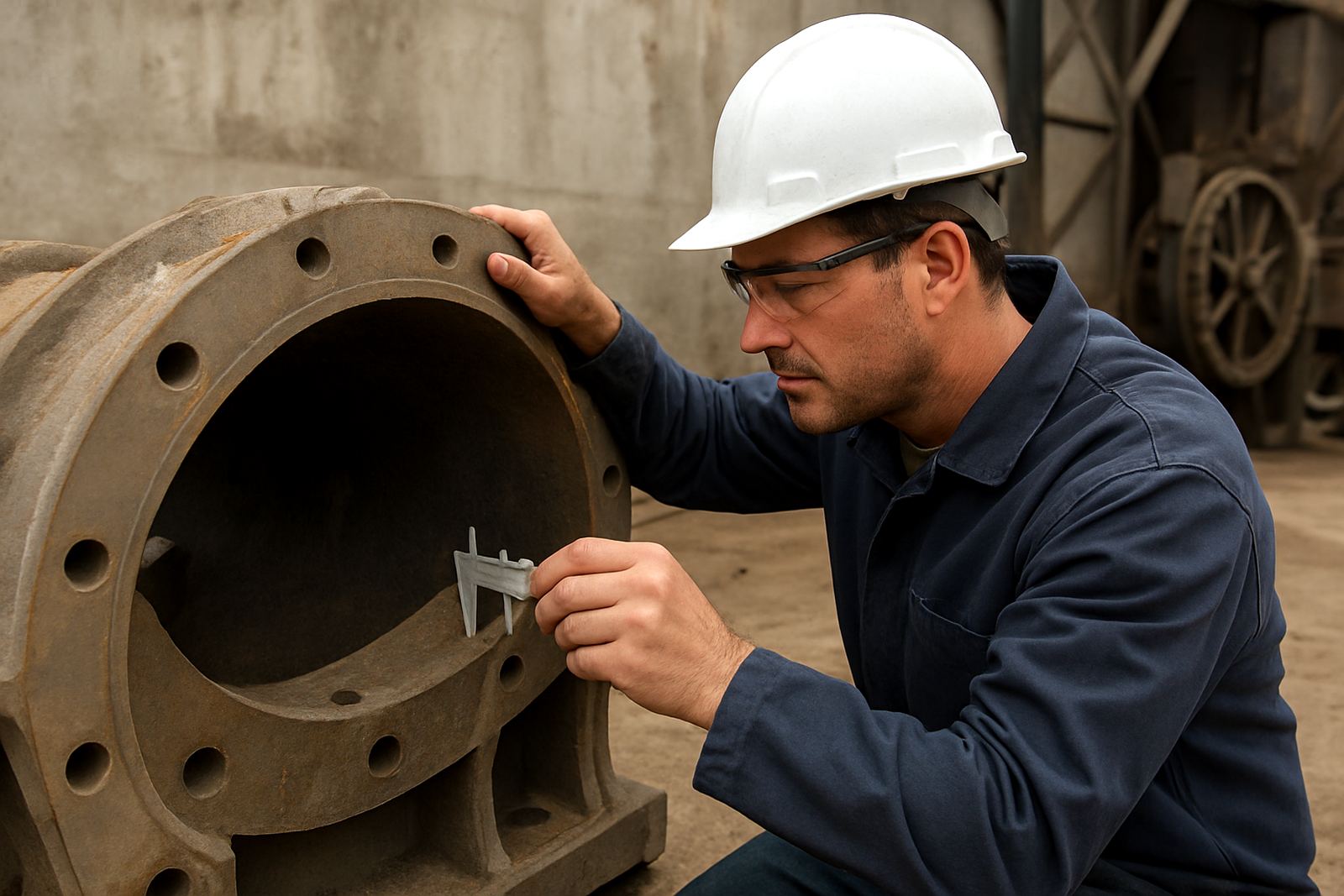
- Measure critical dimensions where fitment depends on tolerance.
- Note if the item is complete, partial or stripped for components.
- Check packaging needs so the part can be palletised without damage.
How condition reporting protects both sides
Condition reporting turns a quick look into something useful for decision-making. It gives the seller a record of what was present at the time of listing and gives the buyer a fair picture before committing transport or exchange stock. That is especially important when the part is destined for a mine in Rustenburg, Polokwane or Kathu where the receiving team may only get one chance to verify it on arrival.
Good reporting should be plain and direct. Avoid vague phrases like “looks fine” or “good used condition” unless there is support behind them. Say whether the item is serviceable, repairable, suitable for stripping, or only suitable for scrap. If there are missing bushes, pins, guards or wear plates, list them clearly. One missing detail can stop a fitment check and push the job into another week.
At Crusher Spare Exchange, this kind of reporting is part of keeping exchanges workable between our Middelburg base and branches or client areas in eMalahleni, Secunda, Lydenburg, Rustenburg, Polokwane, Kathu and Pietermaritzburg. A clear report means fewer surprises when the part reaches site.
A Middelburg yard example that saves a shutdown
Take a common example from the Middelburg area. A quarry has a surplus spare that may suit another plant near eMalahleni. The part is heavy, dusty and has been stored under cover but close to open yard traffic. Without inspection, the seller might assume it is ready to move. With inspection, the team notices one mounting point has been damaged and a threaded hole is partly stripped. The item is still useful, but not as a direct fitment part.
That small finding changes the listing. Instead of promising immediate use, the record can show that the part is suitable for repair, exchange or strip-down. The buyer can then decide whether to collect it, request more detail, or look for another option before the shutdown starts. That is cheaper than sending a truck, paying offloading costs and then finding the item is not right for the job.
In real terms, inspection before listing protects both cash flow and working time. It also reduces the chance of scrap being mistaken for exchange stock, which is a common problem when yards are busy and parts are moved around quickly.
Storage, packing and the journey to the next site
Once a part has passed inspection, the next step is keeping it in the same condition until collection or delivery. Proper storage matters because even a sound item can be damaged by poor stacking, damp concrete floors or loose chains in a yard. In summer, dust and rain can settle into exposed threads and open faces. In winter, cold mornings and day heat can create condensation inside unsealed parts.
Palletising and packing should be matched to the item. Smaller components need bundling and labels. Larger items may need timber blocking, strapping or cradle support. If a part is going by road to the North West, Limpopo or KwaZulu-Natal, the packaging must withstand long-distance handling and repeated loading at depots or weighbridge stops.
Good yard control also helps with municipal and site rules. Some quarries require clear segregation between serviceable stock, rejected stock and scrap. If those piles are mixed, an otherwise useful part can be treated as waste and lose value.
A simple process that keeps exchanges honest
The best inspection workflow is simple enough for a busy yard to follow every day. First identify the part. Then inspect it. Next record its condition in writing with photos. After that, decide whether it is suitable for listing, repair, exchange or scrap. Finally, store it properly until it leaves the yard. If every stage is done the same way, the whole exchange becomes easier to manage and disputes drop away.
For quarries and mines dealing with urgent spares search, shutdown sourcing or consignment sales, this order matters. It helps buyers trust the listing and gives sellers a cleaner record of what they have. That trust is what keeps surplus spares moving between sites in Middelburg, the Highveld, Limpopo and beyond. A basic inspection workflow may look small, but it prevents costly misunderstandings later.