
Start With the Unit Plate and Basic Match-Up
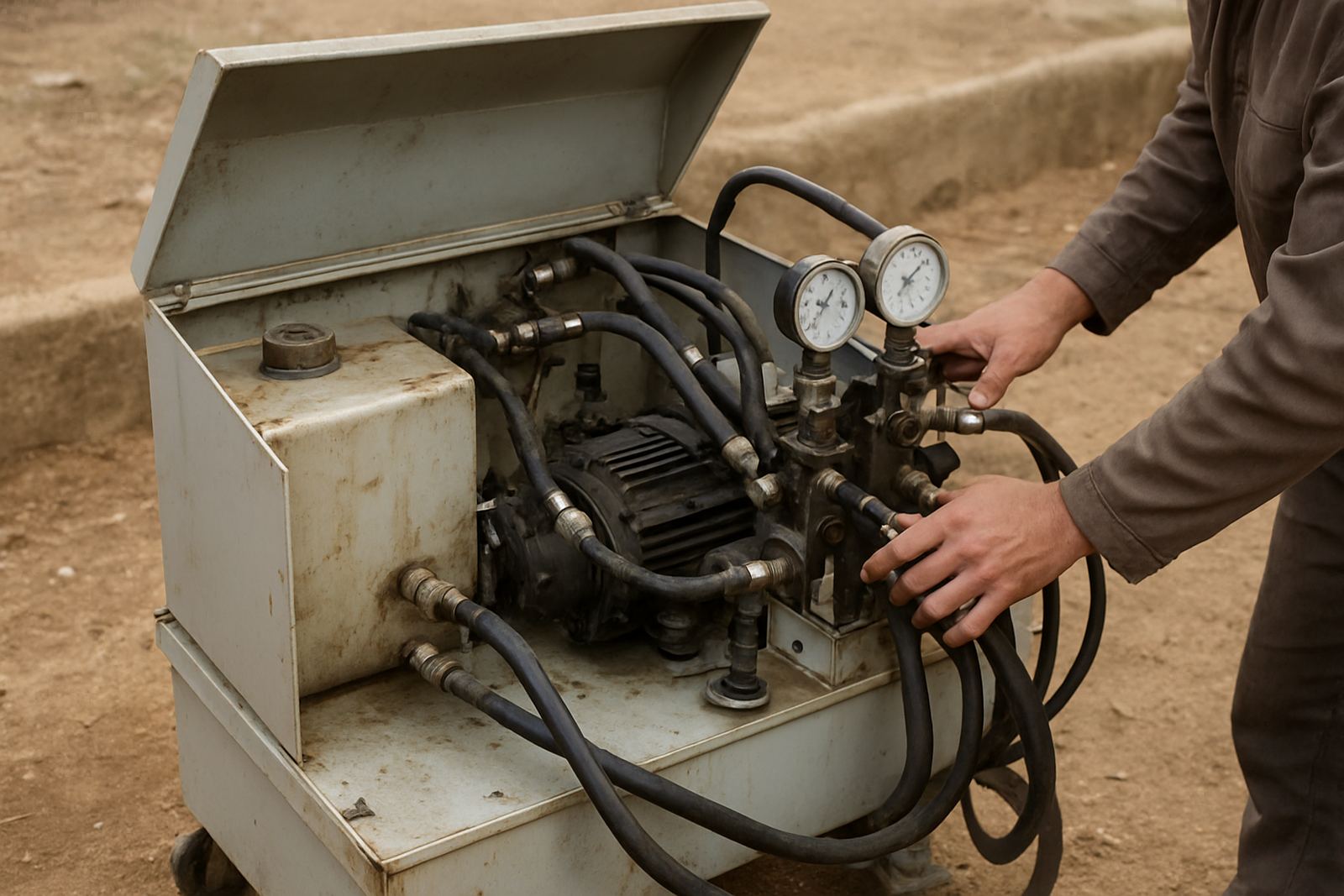
Before any exchange, confirm the unit plate details and compare them with the machine it must serve. On crusher plants, a hydraulic power pack can look right from the outside but still be wrong on tank size, motor rating, pressure setting or port layout. In Middelburg and the wider Mpumalanga belt, many quarries run mixed fleets, so the same site may have different crusher models and different hydraulic needs.
Check the working pressure, voltage, phase, motor kilowatt rating and oil capacity. If the unit is going to a mine in Rustenburg or a quarry near eMalahleni, it must suit the site's electrical supply and the control setup already in place. A mismatched pack can trip out under load or work too slowly during a crusher reset.
- Match the model and serial details to the receiving machine
- Check inlet and return port sizes before collection
- Confirm voltage, phase and motor rating
- Note tank capacity and oil type required
Look Closely for Leaks, Heat Damage and Corrosion
A used hydraulic unit should be inspected for obvious leaks around hoses, seals, fittings and the tank seams. Even a light oil film can point to a worn seal or a cracked connection. On coastal routes to Pietermaritzburg or when a unit has stood outside in the rain, moisture and dust can hide bigger issues until the pack is under pressure.
Heat marks matter as well. Discoloured paint, brittle hoses and darkened oil often show the unit has run hot. That is common where cooling is poor or the plant has been pushing through long shifts. Corrosion on motor housings, terminals and mounting feet can also cause problems during reinstallations, especially if the unit has been stored on the yard floor instead of on pallets.
- Inspect hose ends, valve bodies and drain plugs
- Check for rust on terminals, mounts and covers
- Look for split seals or worn coupling points
- Confirm the unit has not been exposed to flooding or standing water
Test the Oil Condition Before It Leaves the Yard
Oil condition tells you a lot about the life left in a hydraulic pack. Clean oil should look clear enough to read through a sample bottle, not milky, burnt or full of metal specks. Milky oil can mean water contamination, which is a real risk when units are stored through the wet season or left unsealed in dusty yards.
A simple check on smell and colour helps, but if the unit is being exchanged for a critical shutdown, a proper sample is better. Thick sludge, foam or burnt smell can suggest poor filtration or overheating. If that pack is heading to Secunda for urgent plant work, you want that problem found before transport, not after the crane has already unloaded it.
- Check for milky oil, foam or sediment
- Smell for burnt oil that suggests overheating
- Confirm filters are not blocked or crushed
- Ask whether the oil was drained, stored or circulated recently
Confirm Pressure Response and Control Function
The best used hydraulic unit is one that still responds properly under load. Pressure relief valves, directional controls and starter functions need to be tested before the exchange is approved. If the unit hesitates, chatters or takes too long to build pressure, the issue may be inside the pump or valve block, not just the wiring.
For crusher applications, pressure response is not optional. A slow or uneven hydraulic pack can delay crusher adjustments and cause stoppages during maintenance. At a quarry near Polokwane, for example, a unit that starts fine but struggles once warmed up can look acceptable on paper, then fail right when the plant needs to clear a jam.
- Test start up, stop and reset functions
- Check pressure build-up and relief action
- Listen for knocking, whining or cavitation
- Watch for lag once the oil warms up
Check Fitment Details, Mounting and Hose Layout
Hydraulic packs are often exchanged because the receiving site needs speed, not because the unit is brand new. That means fitment details must be checked properly. Mounting hole positions, skid size, hose direction and control box position all affect whether the pack can go in without extra fabrication.
In places like Kathu, where shutdowns are planned tightly and labour time is costly, a small fitment miss can hold up the whole shift. The same goes for remote yards where a fabricator is not on call. Make sure the base frame is sound and that the hose routing will not rub against guards, sharp edges or hot surfaces.
- Measure overall length, width and mounting centres
- Check hose direction and clearance to moving parts
- Confirm the control box and starter layout
- Inspect the base frame for bends or cracked welds
Use a Clear Condition Report Before the Exchange Leaves Middelburg
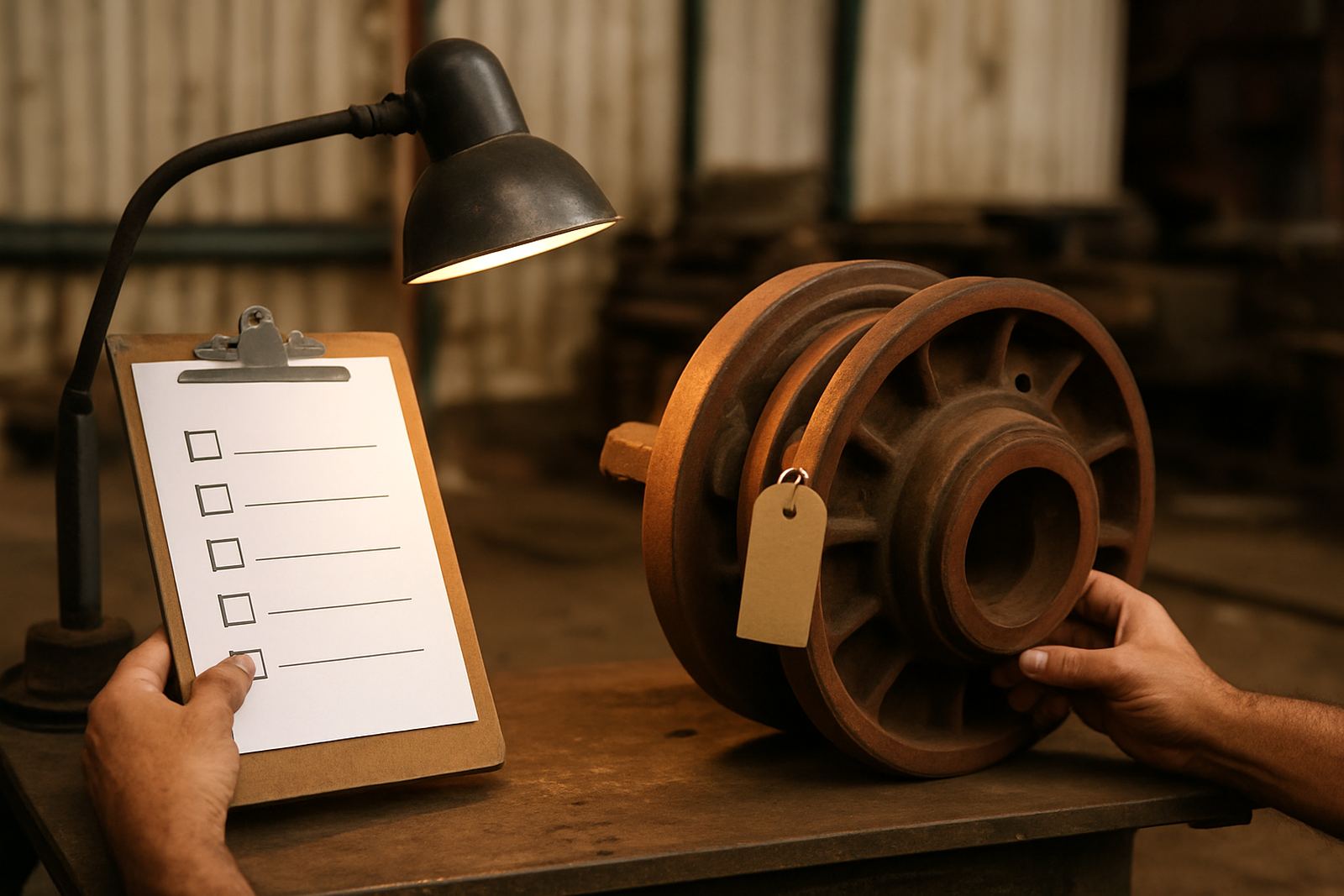
A proper condition report is what keeps the exchange fair. It should note the unit state, visible defects, missing parts and any test results. That record protects both the seller and the buyer, especially when a pack moves between Middelburg, Rustenburg, Lydenburg or any of the other quarry regions we serve.
At Crusher Spare Exchange, our inspection process is built for practical decision making. A condition report helps a client decide whether the unit is fit for direct use, needs repair, or should be treated as scrap versus exchange. It also makes yard storage and palletising easier, because each unit is marked and handled according to its real condition, not guesswork.
- Record serial numbers and visible damage
- Note what was tested and what was not
- Separate ready-to-use units from repair cases
- Tag missing guards, covers, hoses and fittings
For a quarry in eMalahleni, that can mean the difference between collecting a serviceable pack on Friday and losing Monday morning to a fault that should have been spotted earlier. A few careful checks now can save a full day of downtime later.