
What a Hydraulic Power Pack Does On Site
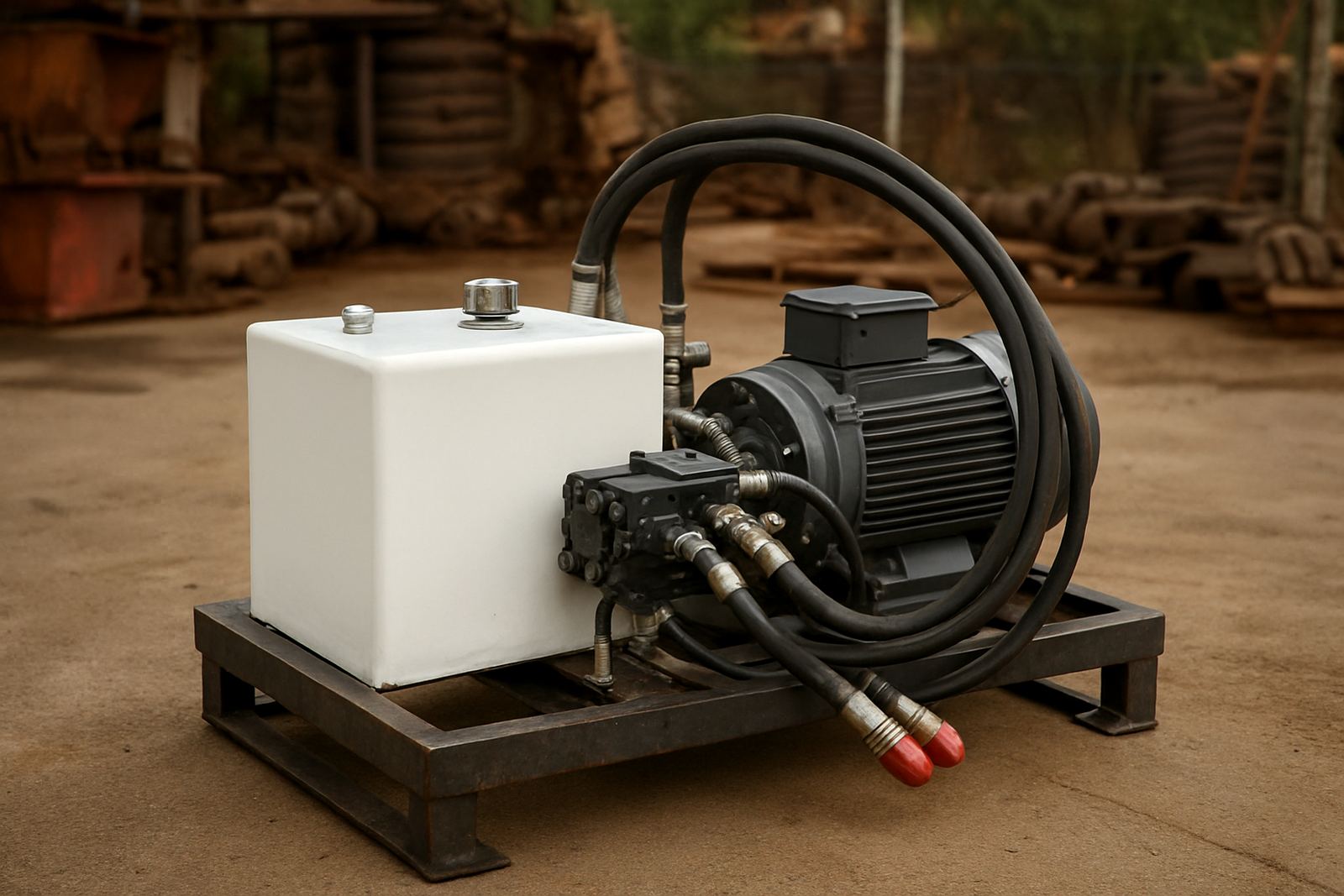
A hydraulic power pack is the self-contained unit that turns electric power into hydraulic pressure for plant functions such as clamping, adjustment, tramp release and other controlled movements. It usually includes a motor, pump, reservoir, valves, filtration and pressure control in one skid or frame, which makes it easier to place near the machine and keep the pipe runs short.
In quarry and mine environments, these packs are often used on crusher support systems, maintenance lifts, and auxiliary plant where a compact source of pressure is needed. The right unit should match the duty cycle, oil volume and operating pressure of the machine, not just the motor size on paper. A pack that is too small will overheat or run slowly, while one that is oversized can waste power and add unnecessary wear.
Sizes And Options Commonly Listed
Hydraulic power packs are listed in a few practical sizes because quarry plant changes from site to site. Some units are built for light intermittent duties, while others are made for longer running times and higher oil flow. We handle surplus units for exchange, resale and shutdown sourcing, so buyers can compare what is available before committing to a new build.
Typical options include single or double pump arrangements, fixed or adjustable displacement pumps, manual or solenoid valves, and different tank capacities. Some packs are mounted on a compact baseplate for easy repositioning, while others are supplied in a guarded frame for rough yard or plant conditions. In Middelburg and surrounding mining areas, buyers often ask for units that can cope with dust, vibration and power interruptions during load-shedding, so the control set-up matters just as much as the pump itself.
- Motor ratings can range from smaller 3 kW units to larger industrial drives, depending on the machine.
- Tank sizes are commonly selected from compact 30 litre units to 200 litre plus reservoirs.
- Units may be supplied with hoses, couplings, pressure gauges and control boxes if available.
Where These Units Suit Quarry And Mine Plant
Hydraulic power packs suit a range of fixed plant and support equipment across quarries and mines. They are commonly requested for crusher adjustment systems, tramp release cylinders, maintenance platforms, lifting frames, and general hydraulic support where a stable pressure source is needed close to the equipment.
They are also useful where space is limited and a full hydraulic plant room is not practical. A well-sized pack can support dependable day-to-day operation in places like eMalahleni, Rustenburg, Polokwane, Kathu and Pietermaritzburg, where quarries and allied operations need parts that can be moved quickly and fitted with minimal interruption. In coastal and humid conditions, protection against corrosion on connectors, lids and electrical boxes becomes important, because moisture can shorten service life if the unit is left exposed.
- Best suited to controlled hydraulic duties rather than open-ended high-flow production systems.
- Often used where plant maintenance teams need a local pressure source for testing or adjustment.
- Useful for mines and quarries planning shutdown work and short-notice repairs.
Installation, Power Supply And Site Requirements
Before installation, confirm the machine duty, operating pressure, flow requirement and the available electrical supply on site. Many packs run on three-phase power, although single-phase units are sometimes used for smaller duties. The supply must be checked against the motor nameplate, starter arrangement and cabling so there is no overload at start-up.
Hydraulic power packs need a firm, level base, space for ventilation, and access for filling, inspection and hose routing. Good practice is to keep the oil cooler, filters and breather easy to reach. If the pack is going into a dusty yard or near crushing circuits, a guarded position is better. If the machine depends on reliable start-stop control during power cuts, the site should plan for proper restart procedures after load-shedding and should not simply switch on and hope for the best.
- Check voltage, phase and starter compatibility before ordering.
- Allow space for oil top-ups, filter changes and valve access.
- Use the correct hose rating, fittings and return line sizing for the working pressure.
Care And Servicing For Longer Working Life
Hydraulic packs work best when the oil stays clean, the filters are changed on time and the reservoir is kept at the correct level. Dust, metal fines and water ingress are the main causes of poor performance. In a quarry yard, one loose cap or damaged breather can pull contamination into the system far quicker than people expect.
Routine checks should include oil condition, hose wear, electrical connections, vibration and any unusual noise from the pump. If the unit is used only during shutdowns, it still needs to be stored properly between jobs. Drainage around the storage area matters too, especially where rainwater or wash-down water can sit under the frame. A small leak left unattended can turn into a bigger repair and, in some cases, a safety issue for the crew.
- Inspect filters, breathers and seals at regular service intervals.
- Keep spare oil and common seals on hand for short stoppages.
- Store units under cover where possible, with terminals and ports sealed.
What To Check Before You Order
When ordering a hydraulic power pack, the main thing is to match the unit to the machine and the task. Pressure, flow, tank size and electrical supply are the starting points, but there are a few more details that can decide whether the unit works properly on site. Buyers should also check the mounting style, port sizes, valve arrangement and whether the pack includes the hoses or fittings needed for the job.
If the application is for adjustment or tramp release duties, confirm the cylinder size, stroke and operating sequence. If the pack will be reused from another site, ask for the condition of the motor, seals, pump wear and the state of the reservoir. A unit that looks complete can still need attention on the inside, so the inspection record matters. We list surplus packs with practical detail to help quarries and mines make the right call before collection or delivery.
- Operating pressure and required flow rate.
- Power supply: voltage, phase and starter type.
- Mounting arrangement, port sizes and hose connections.
Key facts
| Type | Hydraulic power pack for quarry and mine support duties |
|---|---|
| Typical pressure | 70 bar to 210 bar plus, depending on application |
| Motor options | Single-phase or three-phase electric drive |
| Reservoir sizes | From compact 30 litre units to 200 litre plus |
| Common uses | Adjustment, tramp release, clamping and auxiliary hydraulics |
| Supply area | Middelburg, eMalahleni, Rustenburg, Polokwane, Kathu and nationwide delivery |