
What Swing Jaws Do In A Jaw Crusher
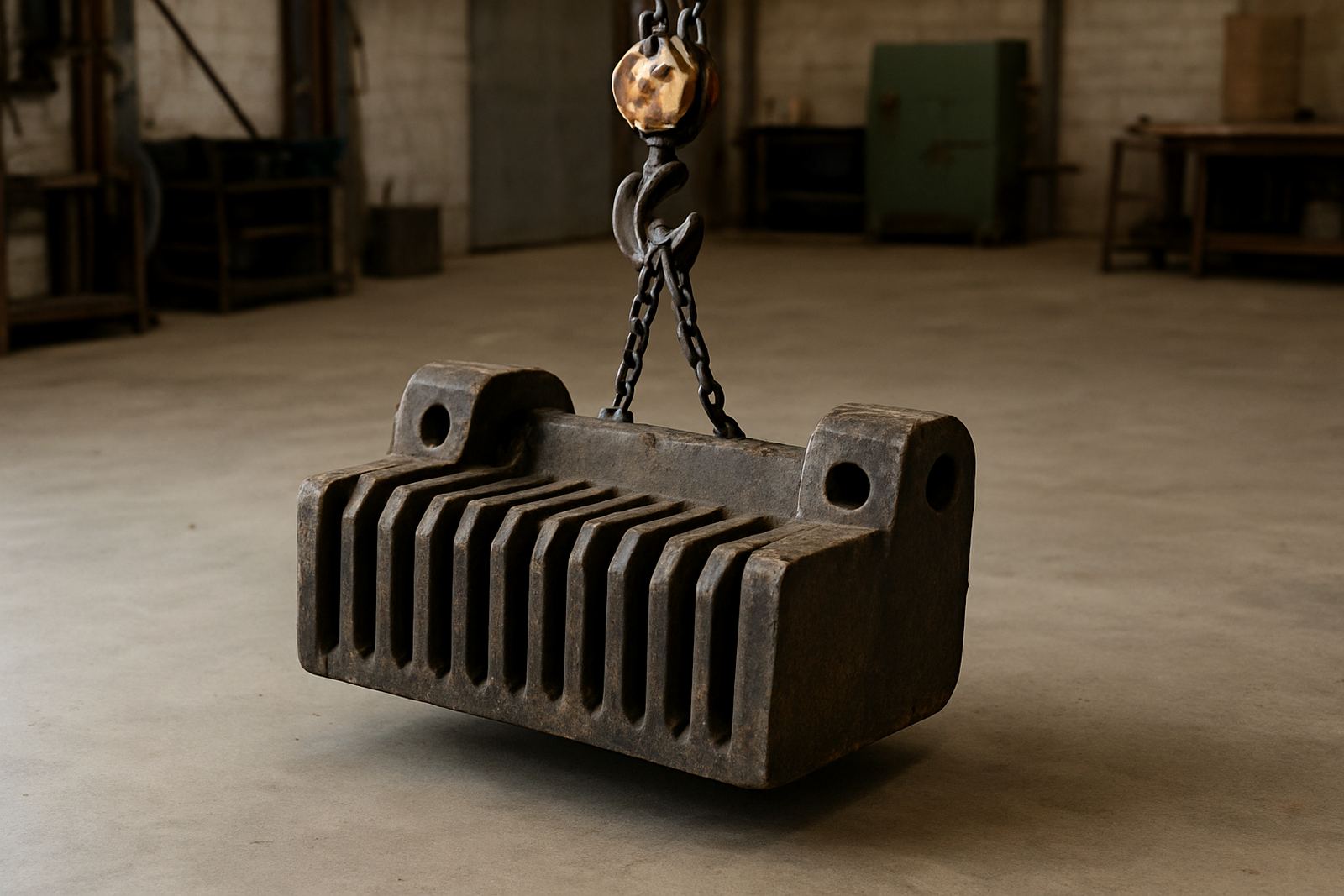
The swing jaw is the moving jaw member that works against the fixed jaw to crush feed as the machine cycles. In most plants it handles hard, abrasive material such as dolerite, quartzite, granite and other quarry stone, so wear is expected and the profile changes as the edge rounds off. When the liner profile is still usable but the working face has reduced thickness, it can often be moved into a lower duty position or paired with a compatible frame if the fit is right.
For quarries around Middelburg, eMalahleni and Rustenburg, matching the right swing jaw matters because the wrong profile can affect throughput, power draw and product size. A worn or poorly matched jaw can lead to uneven nip, more fines, higher vibration and extra strain on the drive system. That is why each listed item should be checked against the crusher model, the mounting pattern and the wear measurements before a swap or exchange is approved.
- Used in primary jaw crushers on quarry and mine feeds
- Works with the fixed jaw to create the crushing action
- Wear rate depends on rock type, moisture and feed size
- Profile condition affects product size and plant output
Sizes, Profiles And Mounting Details We List
Swing jaws vary by crusher size, chamber profile and fixing arrangement. Some are supplied as plain liners, while others are matched to the complete moving jaw assembly with holes, wedges or clamping faces already set out. We list the measurable details that help buyers compare spares without guessing, which is useful during shutdowns when time is tight and access to the machine is limited.
Common options include standard tooth profiles, fine crushing profiles and heavy duty quarry profiles. The same nominal crusher size can still differ between plants, so the safest order is based on the actual casting or liner dimensions, not only the machine name. In humid areas like Pietermaritzburg and coastal routes to Durban, it also helps to confirm surface condition and storage history so rust pitting does not catch you out on fitment day.
- Overall length, height and thickness
- Tooth pattern, cheek wear and corner wear
- Hole spacing, bolt count and clamp face position
- Mass, condition grade and previous service history
Where Swing Jaws Suit Best
Swing jaws suit primary crushing plants where hard feed is reduced before screening or secondary crushing. They are common on quarry faces, mine stockpiles, contract crushing units and fixed plants that process oversize material from blasting or ROM tip. If the plant runs through load-shedding cycles, it is worth keeping a spare set identified and stored properly so the team can change out quickly when power comes back and the shift resumes.
These parts are used in settings where downtime is costly and access may be controlled by site rules, safety permits or scheduled maintenance windows. Around Secunda, Lydenburg and Polokwane, clients often look for a part that can be collected, inspected and sent out the same week, especially when a shutdown is booked and the crusher must return to production without delay. Fitment checks are important because the wrong liner thickness can affect jaw opening and the wear pattern on the cheek plates.
- Primary jaw crushers at quarries and mines
- Plants handling abrasive hard rock
- Shutdown work where quick replacement is needed
- Sites that need exchange spares to reduce waste and cost
Installation, Handling And Power Needs
Swing jaws are heavy parts, so handling must be planned with lifting points, slings, a telehandler, crane or forklift rated for the load. The exact lifting method depends on the jaw size and the site layout, and the part should be palletised or crated before transport where possible. We also advise confirming whether the machine needs lockout, trapped energy release and safe access around the crusher chamber before any work starts.
There is no gas requirement for the part itself. The crusher installation may rely on electrical power, hydraulic tensioning or grease systems, depending on the unit, and these should be checked during fitment. If the plant runs diesel backup during outages, it helps to know whether the planned maintenance window has enough power for test runs after the jaw is installed. A clean seating face, correct torque on the fixings and proper alignment with the cheek plates are essential for service life.
- Use correct lifting gear and site lockout procedures
- Check bolt holes, wedges and seating faces before fitting
- Confirm crusher power, hydraulics and lubrication are ready
- Test alignment before full production starts
Care, Wear Checks And Servicing Intervals
Swing jaws should be inspected on a regular schedule, especially on high abrasion feeds and during long shifts. The most useful checks are face wear, crack lines, bolt looseness, broken edges and uneven wear from blocked feed or oversize rock. If one side wears faster than the other, the chamber may be feeding off centre or the nip angle may be out of range.
For storage yards in Middelburg and regional depots serving Rustenburg, Kathu and Pietermaritzburg, parts should be kept off wet ground and supported so the teeth and mounting faces are not damaged. On used stock, we also check whether the liner has been cleaned enough for accurate measuring, because built-up fines and grease can hide the true wear depth. A simple condition report makes it easier to decide if the item is fit for exchange, still serviceable or better suited to scrap value.
- Inspect after each major shutdown or service stop
- Look for cracks, edge breakage and uneven wear
- Store on bearers or pallets, not directly on the ground
- Keep mounting faces clean for repeat measurements
What To Check Before You Order A Swing Jaw
Before you send an enquiry, check the crusher make, model and chamber type, then measure the part itself where possible. If the old liner is still on site, record the length, height, thickness and hole pattern, plus any casting numbers or visible markings. Photos of the front face, back face and fixing points help a lot, especially when the part is worn and the profile is no longer obvious.
It also helps to confirm where the part is needed, whether it is for immediate exchange, consignment, local collection or nationwide delivery. For mine sites around eMalahleni, Polokwane and Secunda, delivery timing and offloading access can matter as much as the part match itself. If you are unsure whether your old jaw can still be exchanged, we can compare the wear state and mounting details before a final decision is made.
- Crusher model and chamber size
- Dimensions, hole spacing and fixing style
- Wear condition, cracks and previous repairs
- Delivery point, collection access and required turnaround time
Key facts
| Product type | Swing jaw liner / moving jaw wear part |
|---|---|
| Typical use | Primary jaw crushing in quarries and mines |
| Condition listing | New, used, reconditioned or exchange assessed by wear state |
| Key measurements | Length, height, thickness, hole pattern and profile |
| Handling | Palletised, packed and delivered locally or nationwide |
| Service support | Inspection, condition reporting, storage and fitment checks |