
What a concave does in the crushing chamber
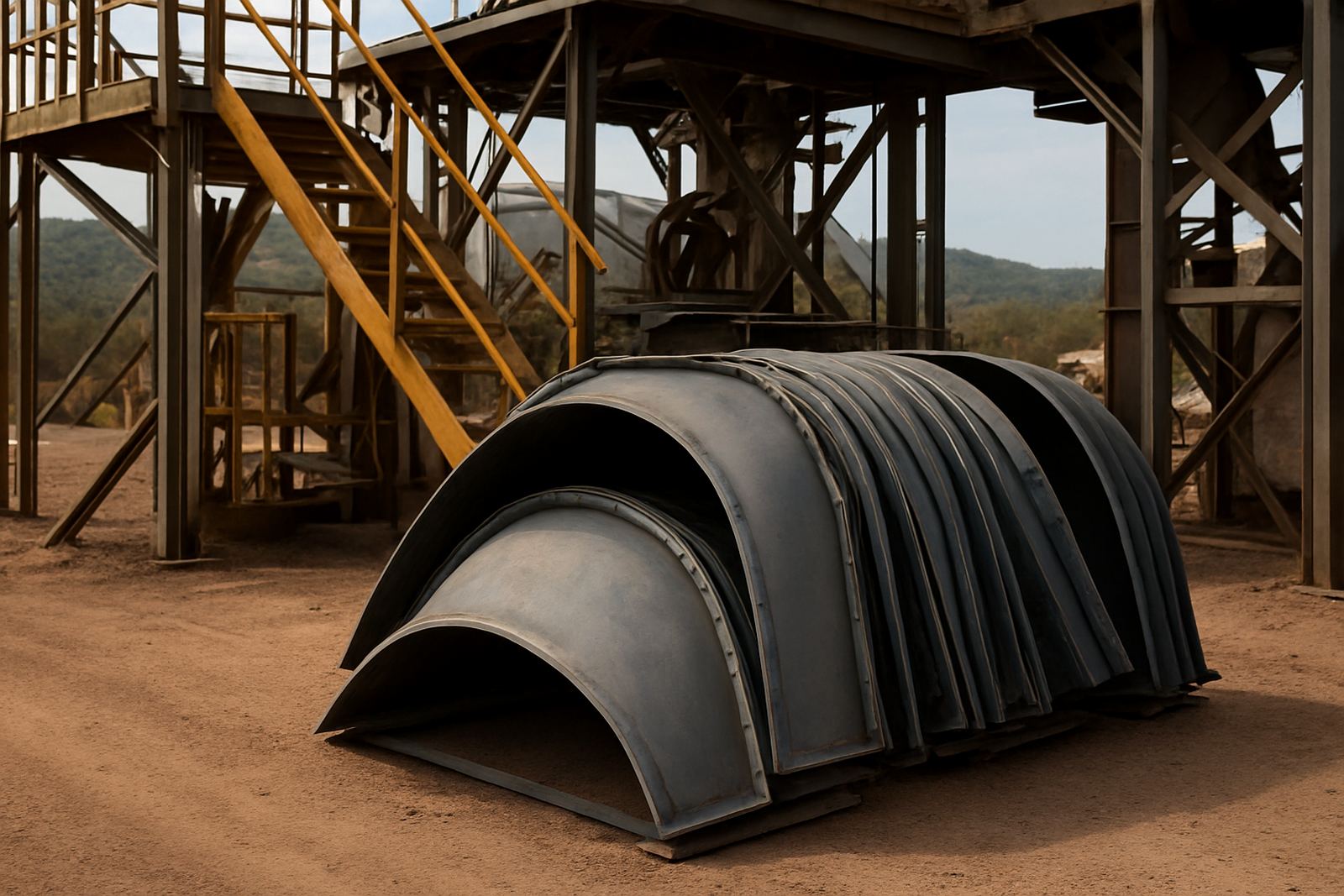
A concave is the fixed wear section inside a cone crusher chamber. It forms the outer surface that the mantle works against, helping control reduction size and the shape of the final product. When a concave wears unevenly, the crusher can lose throughput, draw more power and give an uneven product that makes screening harder. For quarries around Middelburg, eMalahleni, Rustenburg and the other mining belts, keeping the right concave on hand is often the difference between a short stoppage and a costly run-on fault.
Our surplus concaves are sourced for practical reuse between operations. They are suited to sites that want dependable parts without waiting on long lead times, especially where shutdown windows are tight and load-shedding or transport delays can already put pressure on planning.
Available sizes, profiles and material notes
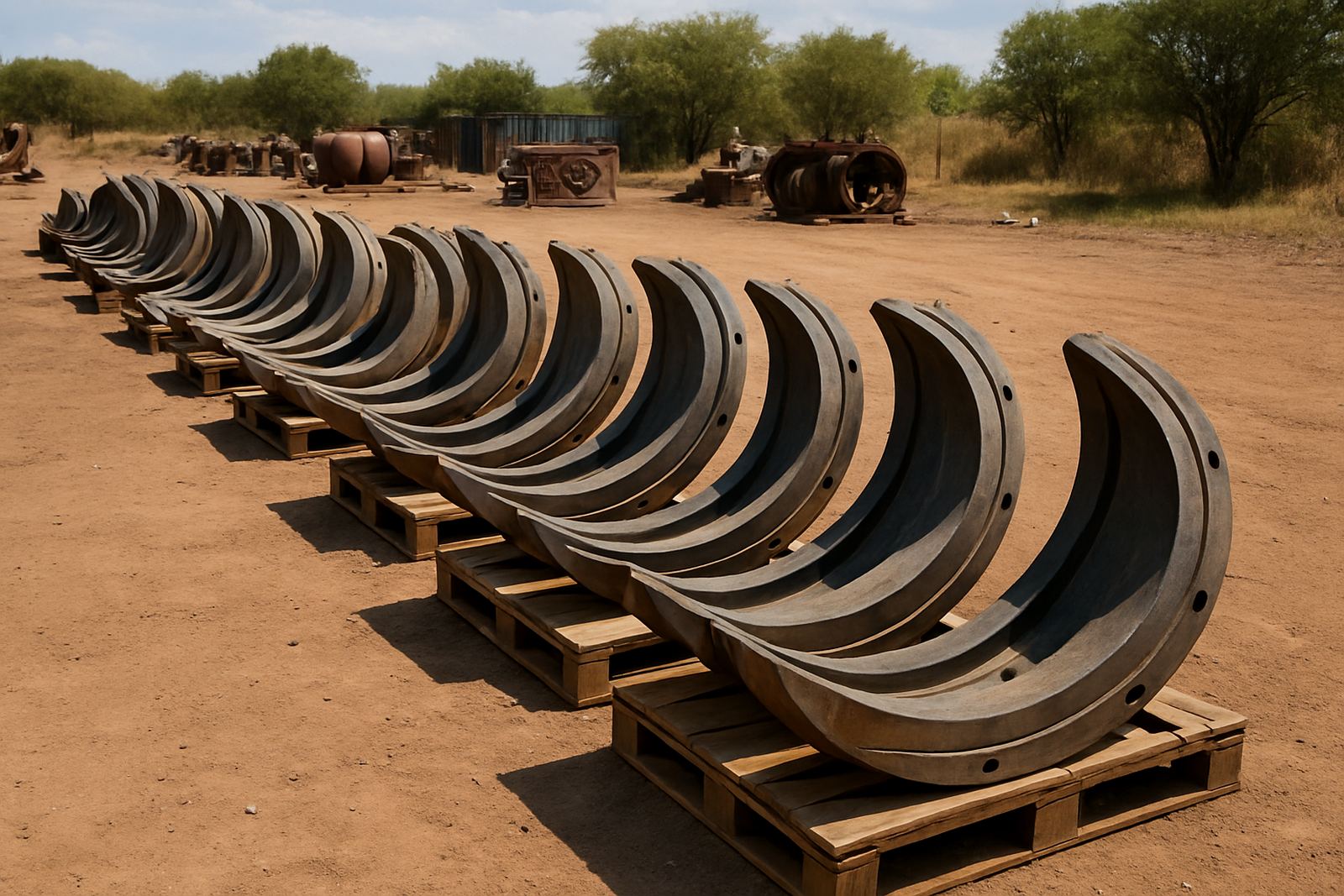
Concaves are not one-size-fits-all. The segment profile, thickness, seat angle and overall diameter must match the crusher chamber and the required reduction duty. We list individual segments and matched sets where available, with condition reports that show wear pattern, cracking, chip damage and remaining service life. If you need a full ring set or only selected segments to complete a shutdown order, we can advise on the best exchange option.
- Segment type: individual concave segments or grouped sets
- Profile: coarse, medium or fine reduction pattern depending on chamber needs
- Fitment: matched to the crusher model and liner seat dimensions
- Condition: serviceable used, reconditionable, or scrap vs exchange for unusable items
We keep the descriptions practical. You get the actual measured data, not guesswork, so your team can compare the part against the existing chamber before collection or delivery is arranged.
Where concaves suit best on site
Concaves suit quarry and mine crushing plants handling hard rock, aggregate, ore and blasted feed. They are commonly used in secondary and tertiary cone crushing duties where consistent reduction and high availability matter. In wet coastal conditions or dusty inland yards, worn concaves can fail early if inspection is missed, so replacement planning matters as much as the part itself.
These parts are a good fit for plants that run planned shutdowns, contract crushing fleets, regional quarries and mine support yards that need a spare on short notice. We also assist with urgent spares search when a shutdown is already booked and the original liner supply has fallen through.
- Quarries with regular maintenance windows
- Mines that keep buffer stock for critical wear parts
- Plants needing exchange options after inspection
- Sites that want to reduce waste by reusing workable liners
Installation, handling and site needs
Concaves are heavy wear parts and must be handled with lifting gear suited to the weight and shape. Most sites will use a crane, overhead gantry or telehandler with approved lifting points and slings. There is no power or gas requirement for the part itself, but the fitment crew will need normal maintenance access, safe isolation of the crusher and enough laydown space for the removed liner and the replacement segment. A clean seating surface helps avoid rocking, uneven torque and early movement under load.
Before fitting, check that the chamber is cleared, the seating faces are clean and the fastening arrangement is correct for the crusher model. If a site is working under a municipal noise or dust condition, it is worth planning the changeover with water suppression and waste handling already in place. That keeps the shutdown tidy and avoids extra sorting later.
Care, servicing and wear monitoring
Concaves last longer when wear is monitored regularly and the feed is kept within the crusher’s design range. Oversize material, tramp metal and uneven feed can create hot spots that shorten liner life. On some plants the concave is removed for inspection at each shutdown and rotated or replaced before the wear profile becomes unsafe. In dusty inland areas such as Kathu and Polokwane, routine checks are important because dust build-up can hide cracks and looseness.
Good servicing practice includes checking fastening torque, measuring remaining thickness, looking for edge breakage and noting any movement after startup. If the crusher is already drawing more power or the product curve has shifted, the concave may be nearing the end of useful service. A proper inspection report helps decide whether the part can be kept in service, exchanged, or sent for scrap recovery.
- Inspect for cracks, chips and unusual wear ridges
- Check seat contact and fastening security
- Record thickness and remaining life at each shutdown
- Match feed size to the liner profile to reduce impact damage
What to check before ordering a concave
To avoid ordering the wrong liner, send the crusher model details, chamber arrangement and the measurements from the old part if possible. We also need to know whether you need a single segment, a partial set or a full chamber set. If the part is for a shutdown in Rustenburg or Pietermaritzburg, the delivery window matters too, because transport planning can affect when the plant comes back on line.
Before you confirm, check these points carefully: crusher make and model, segment count, inside and outside diameter, profile type, fastening style and current wear condition. If the part came out of service after an unexpected failure, share that detail as well. It helps us compare like for like and avoid a mismatch that costs you more time at installation.
- Crusher model and serial reference if available
- Concave segment size, profile and quantity required
- Condition needed: serviceable, reconditionable or exchange only
- Collection or delivery point, plus shutdown date
How we move concaves from Middelburg to your site
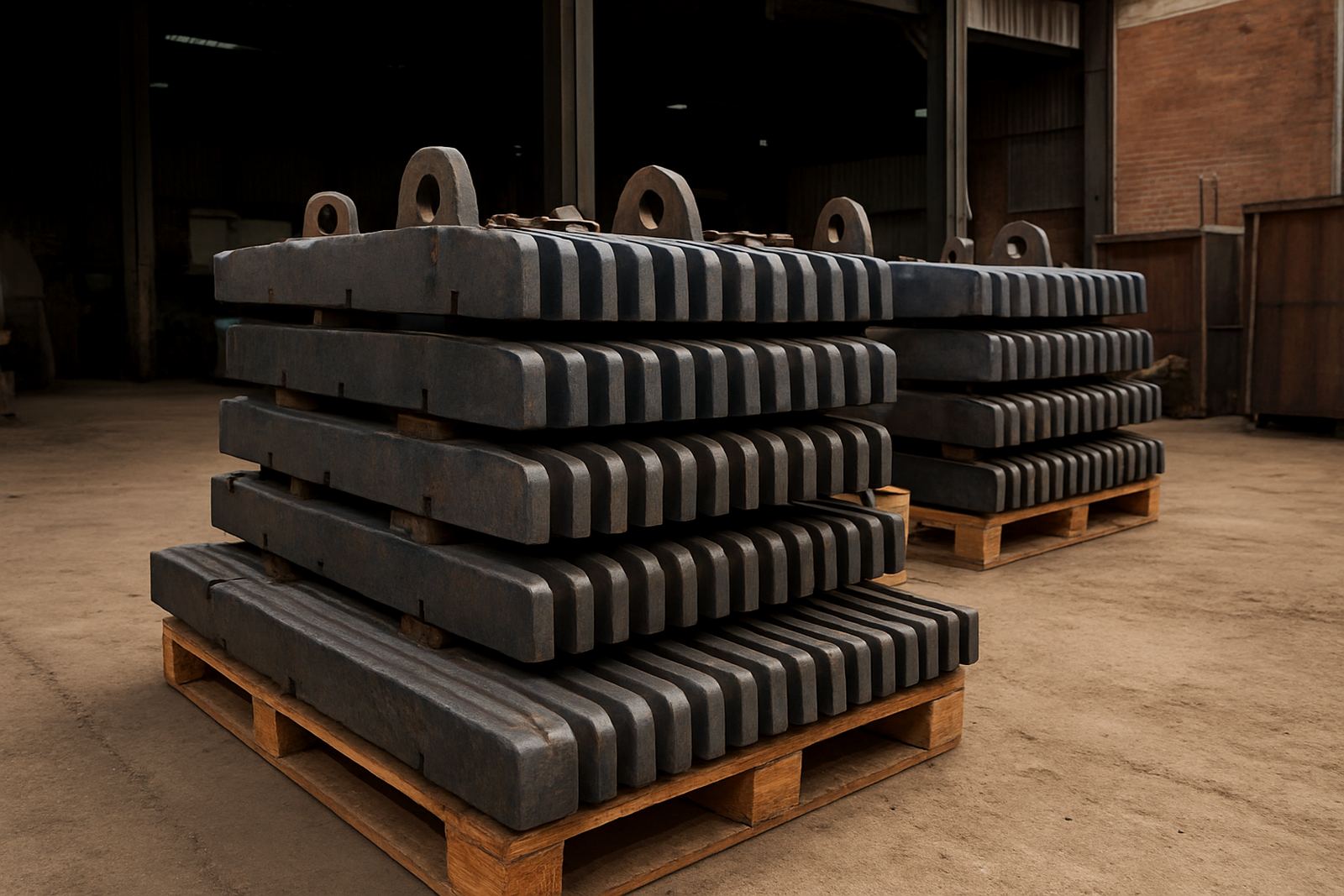
From our Middelburg, Mpumalanga base, we inspect, store, palletise and deliver concaves to quarries and mines across South Africa. The parts can be collected from our yard or delivered directly to site depending on the schedule. Our team handles storage and movement carefully because these liners are bulky and easy to damage if they are stacked badly or shifted in transit. Johan Steenkamp manages the yard and storage side, while Mpho Rakoma oversees logistics so the load reaches the right place in workable condition.
We support operations in eMalahleni, Rustenburg, Polokwane, Kathu, Pietermaritzburg, Secunda and Lydenburg, with inspection and condition reporting led by Sibusiso Ndlovu. If you need a concave for a planned shutdown or an urgent replacement, submit an enquiry through the contact page and we will take it from there.
Key facts
| Product | Crusher concave segments |
|---|---|
| Condition | Surplus used, serviceable or exchange suitable depending on listing |
| Fitment | Cone crusher chamber liner component |
| Supply format | Individual segments, partial sets or full sets where available |
| Handling | Requires lifting gear and safe maintenance access |
| Service area | Middelburg base with delivery across South Africa |