
What Dust Covers Do on a Crusher Site
Dust covers are fitted over exposed crusher areas to reduce the amount of dust, moisture and stray material reaching bearings, couplings, belts, guards and inspection points. On sites around Middelburg, eMalahleni and Rustenburg, that matters when you are dealing with dry fines, stockpile dust, summer storms and stop-start running during load-shedding. A well matched cover keeps the working area cleaner and makes daily checks quicker.
These covers are commonly used on jaw, cone and impact crusher housings, transfer chutes, feeder sections and enclosed drive areas. They are not decorative items. They are practical covers that protect specific zones where dust collects, seals wear and maintenance time gets wasted. If the plant runs in a windy area or near open stockpiles, the difference can be noticeable in how much cleaning is needed after each shift.
- Helps reduce dust build-up around moving parts
- Supports cleaner inspections and faster housekeeping
- Can reduce moisture ingress on exposed sections
- Useful where spares need to last through long operating cycles
Sizes, Shapes and Material Options
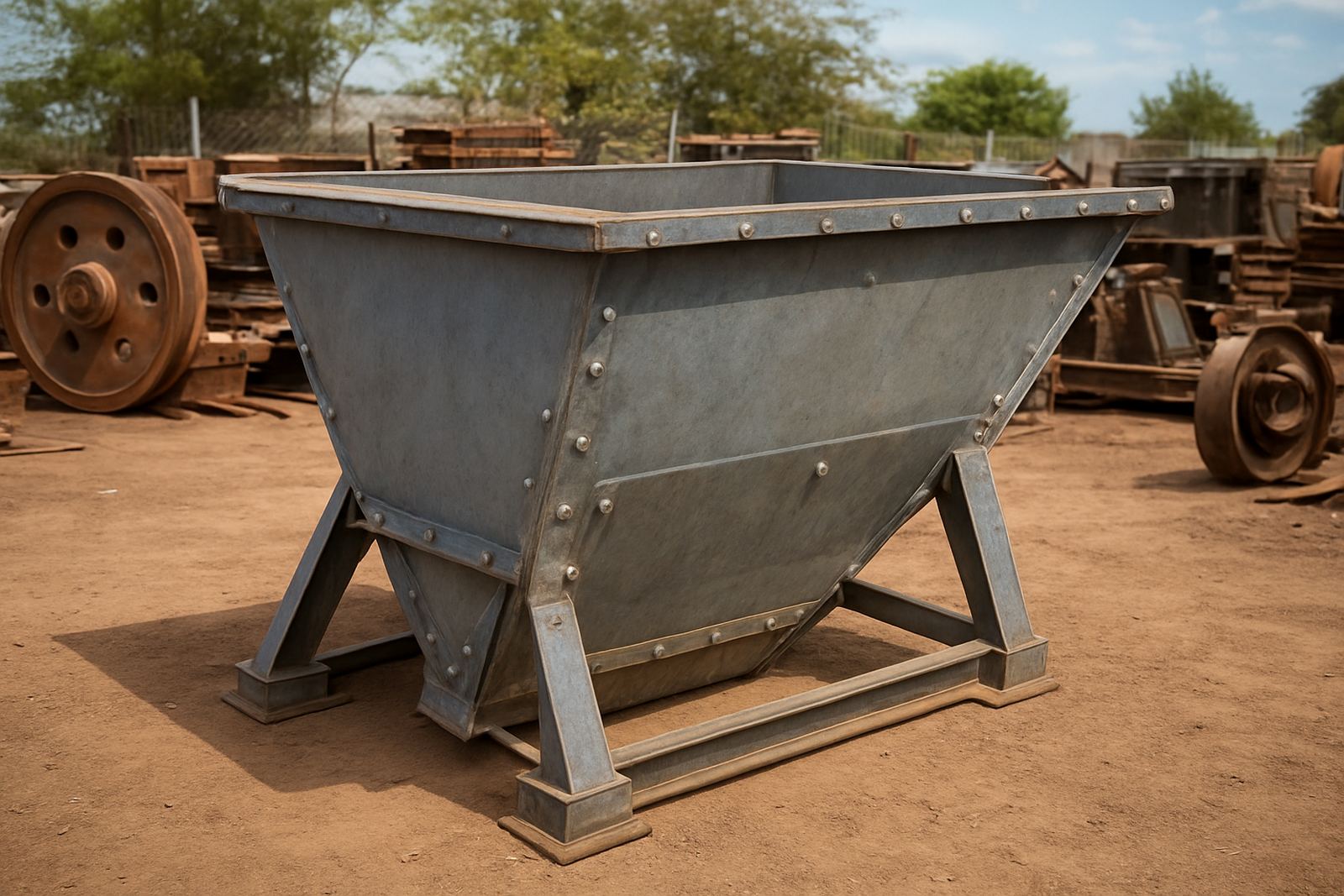
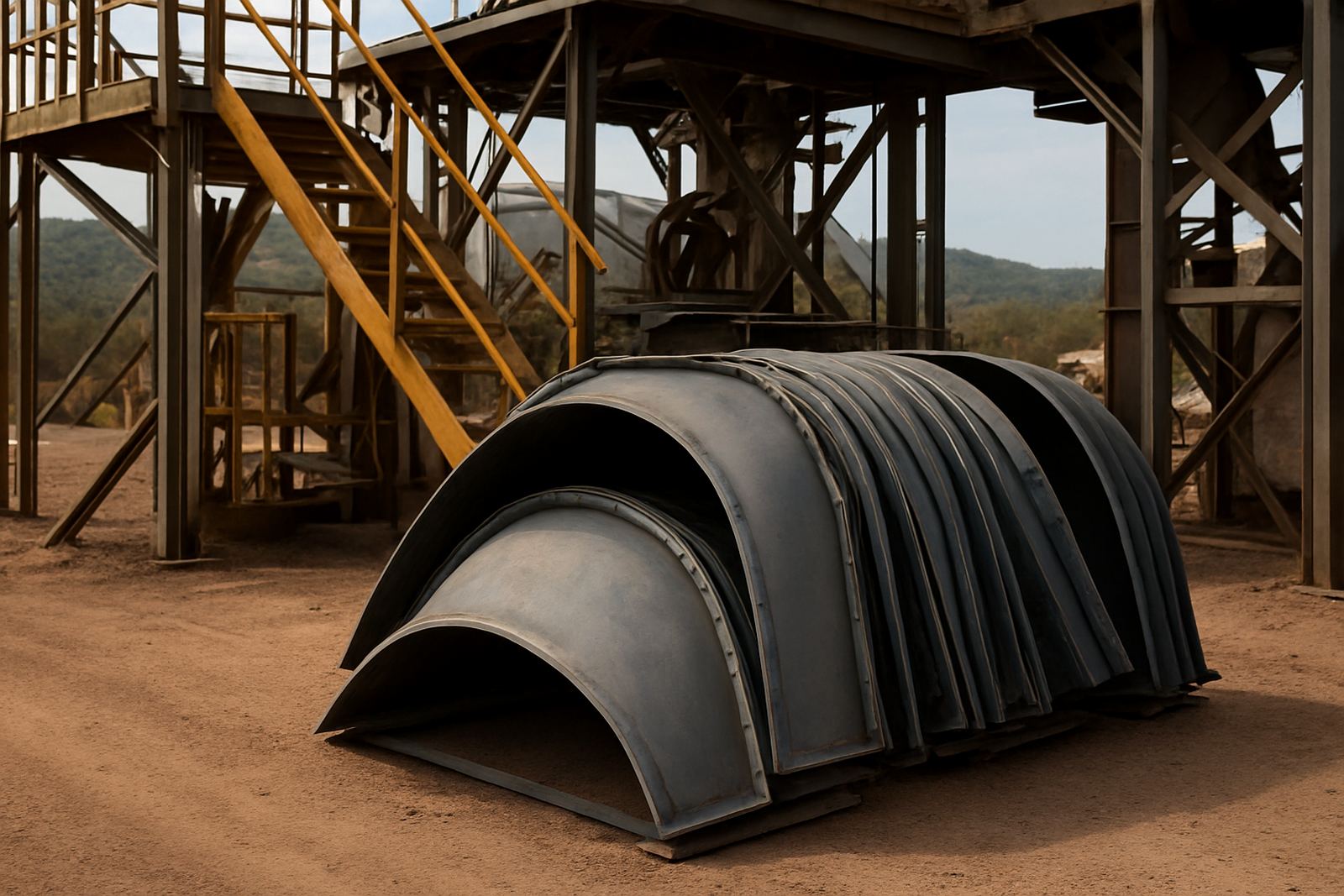
Dust covers are supplied in standard sizes and can also be matched to the opening, frame or housing you are working with. Many quarry teams ask for rectangular covers for transfer points, rounded forms for rotating assemblies, or wrap-around styles for side access panels. The right fit depends on the opening, the fixings already on site and whether the cover needs to come off often for inspections.
Material choice is important. Mild steel plates suit high-wear zones where impact and vibration are common. Galvanised sheet is useful where the area sees coastal humidity or regular wash-downs. Flexible reinforced covers can work on sections that need movement tolerance or frequent removal. If the site uses spray suppression, the cover should be checked for water run-off paths so pooling does not form at the edges.
- Custom cut or standard size options
- Fixed or removable formats
- Steel, galvanised or reinforced flexible builds
- Can be supplied with flanges, tabs or drilled fixing points
Where Dust Covers Suit Best on Site
These products suit crusher areas where dust control and access management go hand in hand. They are often fitted where a housing has gaps around maintenance doors, where transfer points spill fine material, or where enclosed drive sections need extra shielding from wind-blown dust. In Pietermaritzburg and Secunda, for example, teams often want protection that supports both wet season conditions and dry, dusty shifts.
They are also useful where different quarries exchange spares between sites and need the part to stay clean while waiting for fitment. A cover can help keep a stored housing or drive section ready for inspection and reduce the amount of pre-cleaning required before installation. For mines with strict housekeeping rules, this can support safer working conditions and fewer delays during planned stoppages.
- Crusher housings and service access panels
- Transfer points and chute ends
- Enclosed drive sections and belt guards
- Stored spares awaiting condition checks or fitment
Installation, Fixing and Utility Needs
Most dust covers are mechanical fittings and do not need power or gas to function. They are installed with bolts, clamps, hinges or quick release fasteners depending on the access point. If the cover is used near hot components or rotating assemblies, clearances must be checked before fitment. A good installation leaves enough room for safe opening, cleaning and visual inspection without forcing staff to remove the whole cover every time.
For sites with shutdown windows, the fitter should confirm the fixing pattern, dimensions and access route before the truck arrives. On some plants, the cover may need to work around existing pipework, lighting or spray lines. In those cases, accurate measurements save time and avoid rework. If your quarry runs on limited power during outages, it is worth choosing a cover that can be removed and refitted quickly with simple hand tools.
- No power or gas requirement for normal use
- Bolted, clamped or hinged fixing methods
- Allow for safe opening and maintenance access
- Check clearance around moving parts before installation
Care, Servicing and Inspection Checks
Dust covers should be checked during routine plant walkdowns, especially after heavy rain, long shifts or a shutdown restart. Look for bent edges, cracked welds, missing fasteners, loose hinges and wear where the cover rubs against another surface. If the cover traps moisture or fines at the bottom edge, clean-out may be needed more often. On coastal routes or storage yards, corrosion can start at the fixings first, so those points should not be ignored.
Servicing is usually simple. Wash off built-up fines, inspect seals if fitted, and make sure the cover still opens properly without forcing. If the unit is removed for access, label it clearly and store it on timber or pallets so it does not sit in standing water. This matters for quarries swapping parts between Middelburg, Polokwane and Kathu, where a part may travel before it is fitted.
- Check for rubbing, cracks and loose fixings
- Clean fines from edges and drain points
- Protect removed covers from standing water and impact
- Recheck after shutdown work or relocation
What to Check Before You Order
Before ordering, measure the opening size, the mounting pattern and the available clearance around the part. Note whether the cover must stay on during operation, open for daily inspection, or come off completely for maintenance. If the crusher is housed in a dusty open yard, mention wind direction, wash-down habits and whether the site sees spray or slurry nearby. These details help match the right material and fixing style.
It also helps to confirm the make-up of the existing section, because some covers need to line up with older holes or mixed plant configurations. If the part is going into consignment stock or a swap arrangement, ask for the condition report and any wear notes before acceptance. That avoids surprises when the unit reaches the yard in Middelburg and cuts down on wasted handling.
- Opening size and mounting hole pattern
- Clearance to belts, shafts, guards and pipework
- Operating temperature, dust load and moisture exposure
- Whether the cover is for fitment, storage or exchange stock
Supply, Storage and Exchange Support from Middelburg
Crusher Spare Exchange supplies dust covers as part of a practical exchange and sourcing service for quarries and mines across South Africa. From the Middelburg base, items can be inspected, condition reported, stored, palletised and delivered to sites in eMalahleni, Rustenburg, Polokwane, Kathu, Pietermaritzburg, Secunda and Lydenburg. The aim is simple: get the right part to the right place without unnecessary delay.
If you are clearing surplus stock, we can help assess whether the cover is suitable for exchange, consignment sale or scrap. If you need a unit urgently, the team can check local availability and match it to the measurements you send through the enquiry form on the contact page. That way the yard knows what to look for before collection or dispatch is arranged.
- Inspection, storage and delivery support from Middelburg
- Suitable for exchange stock, urgent sourcing or consignment sale
- Useful for shutdown planning and spare part control
- Supplied to quarries and mines across South Africa
Key facts
| Product type | Dust covers for crusher housings, transfer points and enclosed drive sections |
|---|---|
| Typical materials | Mild steel, galvanised sheet or reinforced flexible cover material |
| Common sizes | Custom matched to opening size, with standard panel sizes available on request |
| Fixing methods | Bolted, clamped, hinged or quick release depending on access needs |
| Utility requirement | No power or gas required for normal use |
| Supply areas | Middelburg, eMalahleni, Rustenburg, Polokwane, Kathu, Pietermaritzburg, Secunda and Lydenburg |
| Use cases | Fitment, exchange stock, shutdown sourcing, storage and condition-controlled spares |
| Typical checks | Clearance, mounting pattern, corrosion, access frequency and dust exposure |