
Countershaft assemblies for gearbox side repairs
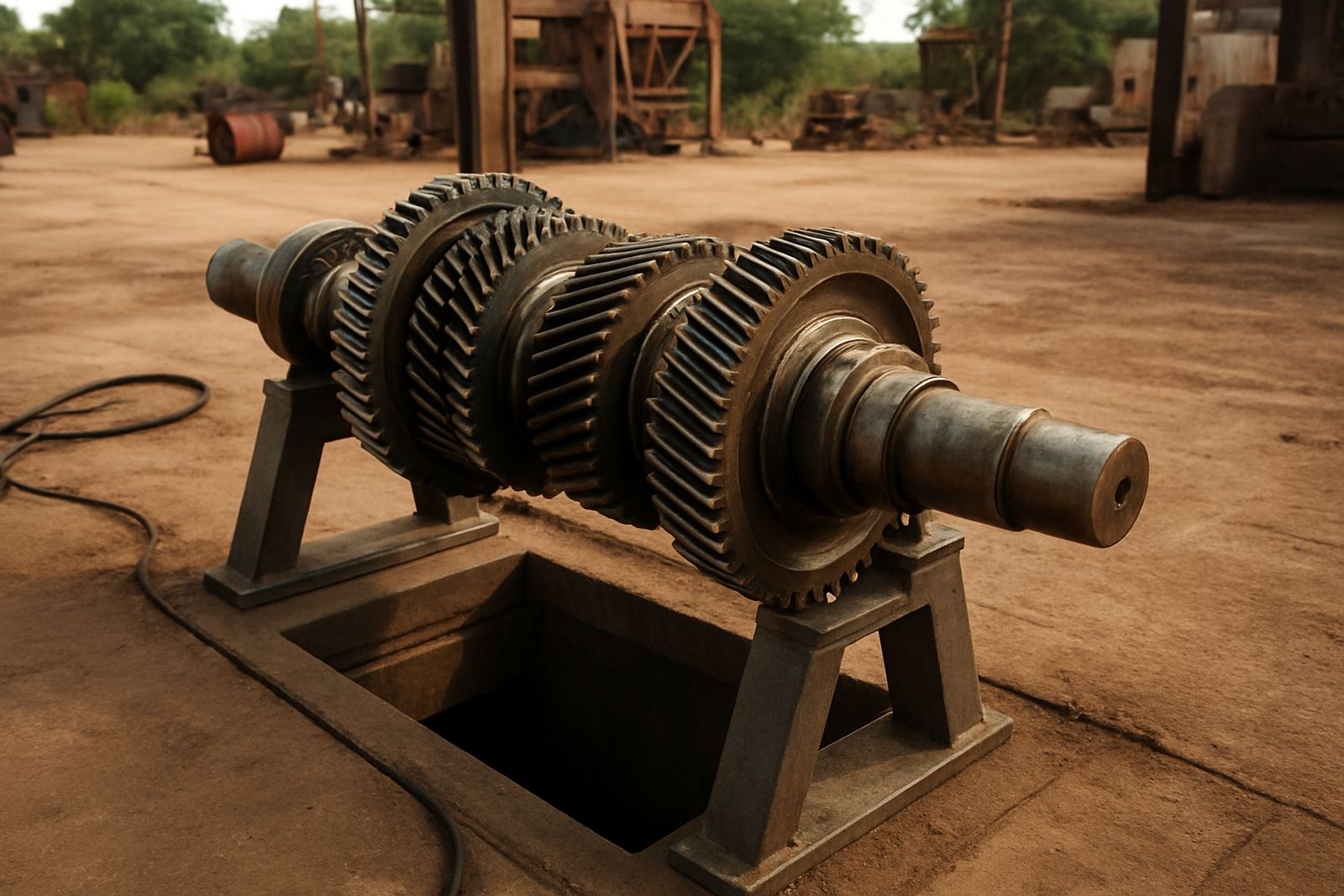
A countershaft assembly supports the drive side of the crusher and transfers motion from the drive system into the gearbox arrangement. In quarry and mine duty, it works under steady shock loads, dust, heat and vibration, so wear shows up quickly if alignment is out or lubrication is poor. We handle surplus countershafts for planned replacements, shutdown work and urgent repairs when a machine cant wait for a full strip down.
These units are commonly sourced for cone crusher and similar gearbox side applications where the shaft, housing, bearings and associated fitment points must match closely. We inspect parts before listing, check visible wear, measure critical faces and note any repairs, scoring or runout concerns so you can make a practical decision before dispatch.
Sizes, build options and matching points
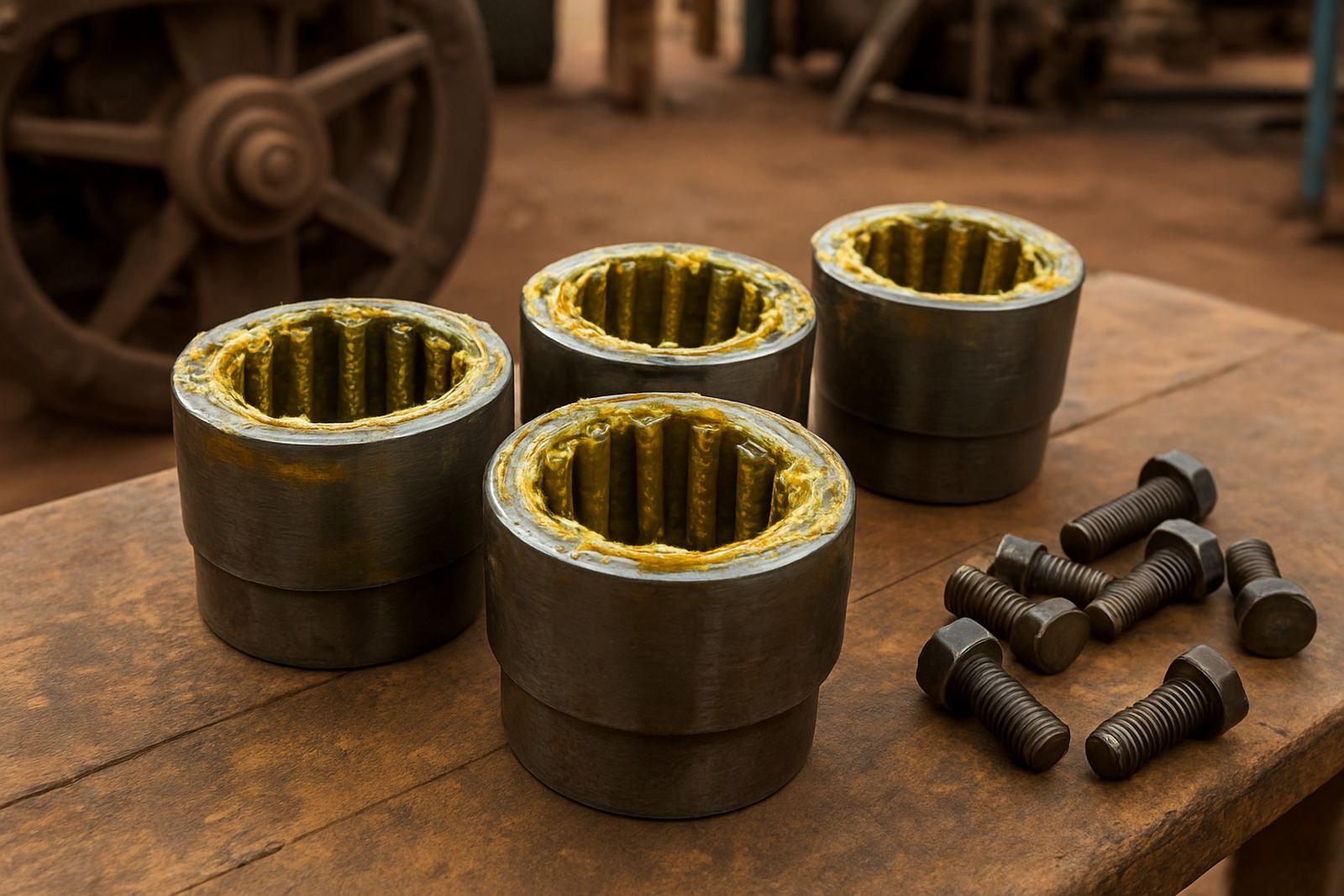
Countershafts are not one-size-fits-all. The right assembly depends on shaft diameter, overall length, spline or keyway profile, bearing seat sizes, housing style and the location of thrust surfaces. Some units are supplied as a bare shaft only, while others are listed as a complete assembly with housing, bushings, seals and mounting hardware where available.
Common options we see on exchange stock include standard duty, heavy duty and repaired surplus units. Where a customer needs a quick turnaround, we can compare the part against the old one by measurement and photos, then confirm whether the fit is likely to suit the existing gearbox side arrangement before collection or delivery.
- Countershaft only for rebuild projects
- Complete assembly with housing and wear parts where available
- Standard or heavy duty surplus units
- Machined shaft sections for bearing and seal locations
- Exchange items for planned shutdowns
Where countershafts suit in quarry and mine work
These parts suit quarries, sand plants and mine crushing circuits that run regular production shifts and need reliable gearbox side components on hand. We supply and move stock between Middelburg, eMalahleni, Rustenburg, Polokwane, Kathu, Pietermaritzburg, Secunda and Lydenburg, with delivery arranged nationwide when needed.
They are a practical option for operations that cannot afford long lead times on new parts or that want to recover value from surplus stock. In many cases, a countershaft exchange lets a site return a machine to service faster than waiting for a full new assembly, especially during shutdown windows when every hour counts.
- Hard rock quarries with high daily tonnage
- Coal and mineral plants working long shifts
- Sites managing planned maintenance and shutdowns
- Plants carrying backup spares for critical machines
- Operations with surplus parts needing storage or exchange
Installation, alignment and power requirements
Countershafts are fitted as part of the crusher drive system, so installation must be done with proper isolation, lifting gear and correct alignment. The machine should be locked out before work starts, all bearing seats checked, and the mating parts cleaned properly so dirt does not get pulled into the assembly. On site, fitment checks should cover shaft movement, housing condition, seal contact and any signs of distortion around the mounting points.
There is no separate gas requirement for this product, but the crusher itself usually depends on electrical power and may be affected by load-shedding or unstable supply at remote sites. Before fitment, confirm that the drive motor, coupling, belts or other transfer parts are in good order, because a weak drive side can damage the countershaft again if the root issue is not found.
Care, storage and service intervals
Good care starts with clean grease, correct oil levels and routine checks for heat, noise and play. If a countershaft runs hot or starts to show vibration, it may point to worn bearings, poor lubrication, misalignment or debris inside the housing. Early inspection can prevent damage to the shaft journal and save the rest of the gearbox side from unnecessary wear.
For stored surplus units, keep the assembly off the floor, wrapped against dust and handled with suitable lifting points. In humid coastal conditions or open yard storage, corrosion can start quickly on machined faces if the part is left exposed. Our Middelburg yard storage and packing process helps keep stock protected, labelled and ready for collection or delivery.
- Check oil condition and grease points during routine servicing
- Inspect for scoring, pitting and heat marks on journals
- Watch for abnormal vibration after startup
- Keep machined surfaces sealed from dust and moisture
- Recheck alignment after any gearbox side work
What to check before you order a countershaft
Before placing an order, send the part number if you have it, plus clear photos of the old assembly and all visible mounting points. Measure shaft diameter, overall length, bearing journal sizes, seal locations and any keyway or spline detail. If the old unit is damaged, we can still work from the gearbox housing, adjacent parts and machine model to narrow the match.
It also helps to confirm whether you need a bare shaft, a complete assembly, or a unit for exchange. If your old part is suitable, we can assist with surplus listing, inspection and condition reporting so you know whether it can be reused, exchanged or sold for scrap value. For urgent shutdowns, the sooner we get the measurements the better, because wrong sizing means downtime and extra freight cost.
- Part number and machine details, if available
- Photos of both sides of the assembly
- Shaft diameter and length
- Bearing seat and seal measurements
- Whether you need a bare part or complete assembly
Key facts
| Product | Countershaft assemblies |
|---|---|
| Typical use | Gearbox side repair and planned crusher servicing |
| Supply format | Bare shaft or complete assembly, subject to stock |
| Inspection | Visual checking, measurement and condition notes |
| Base | Middelburg, Mpumalanga |
| Delivery | Local collections and nationwide delivery available |