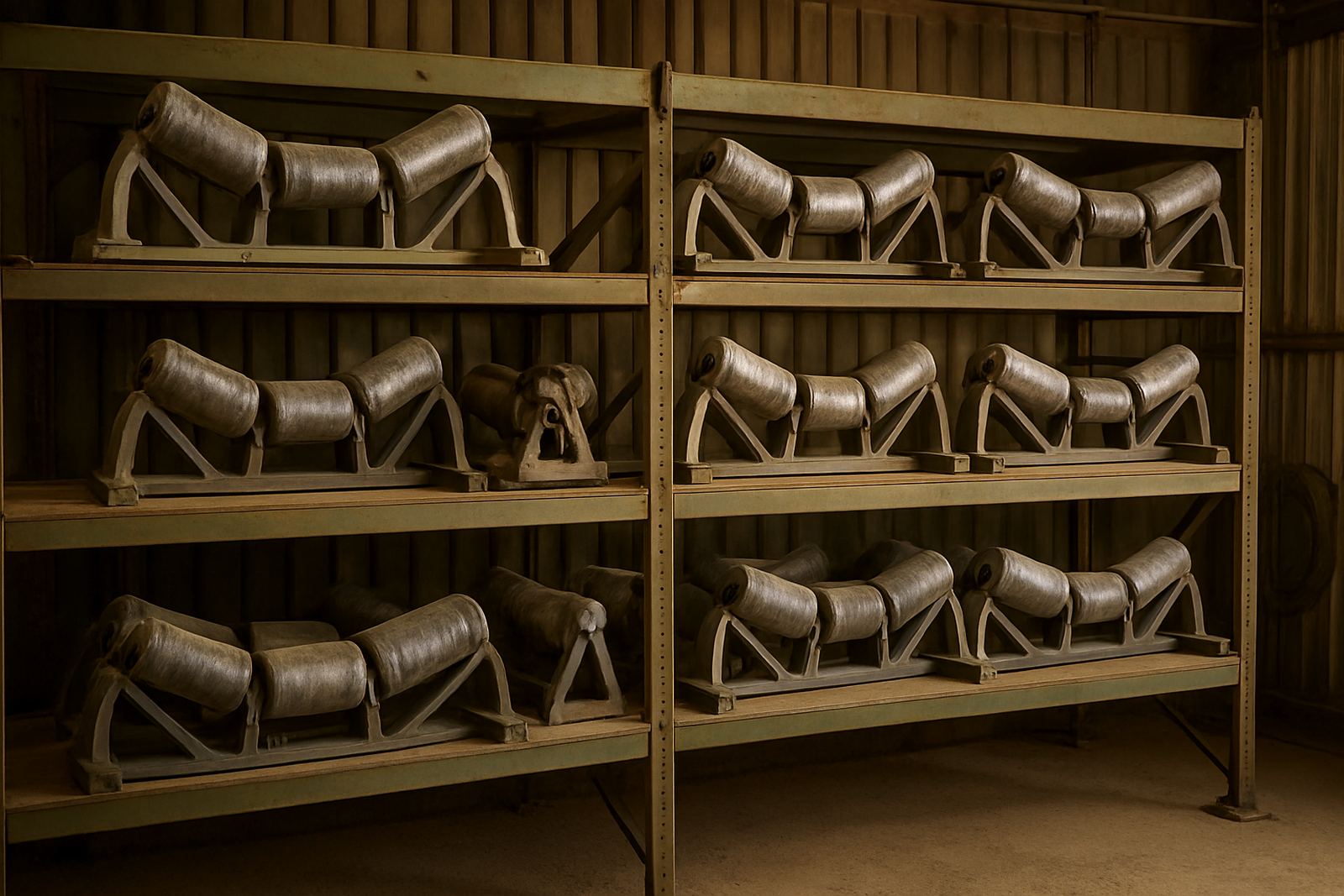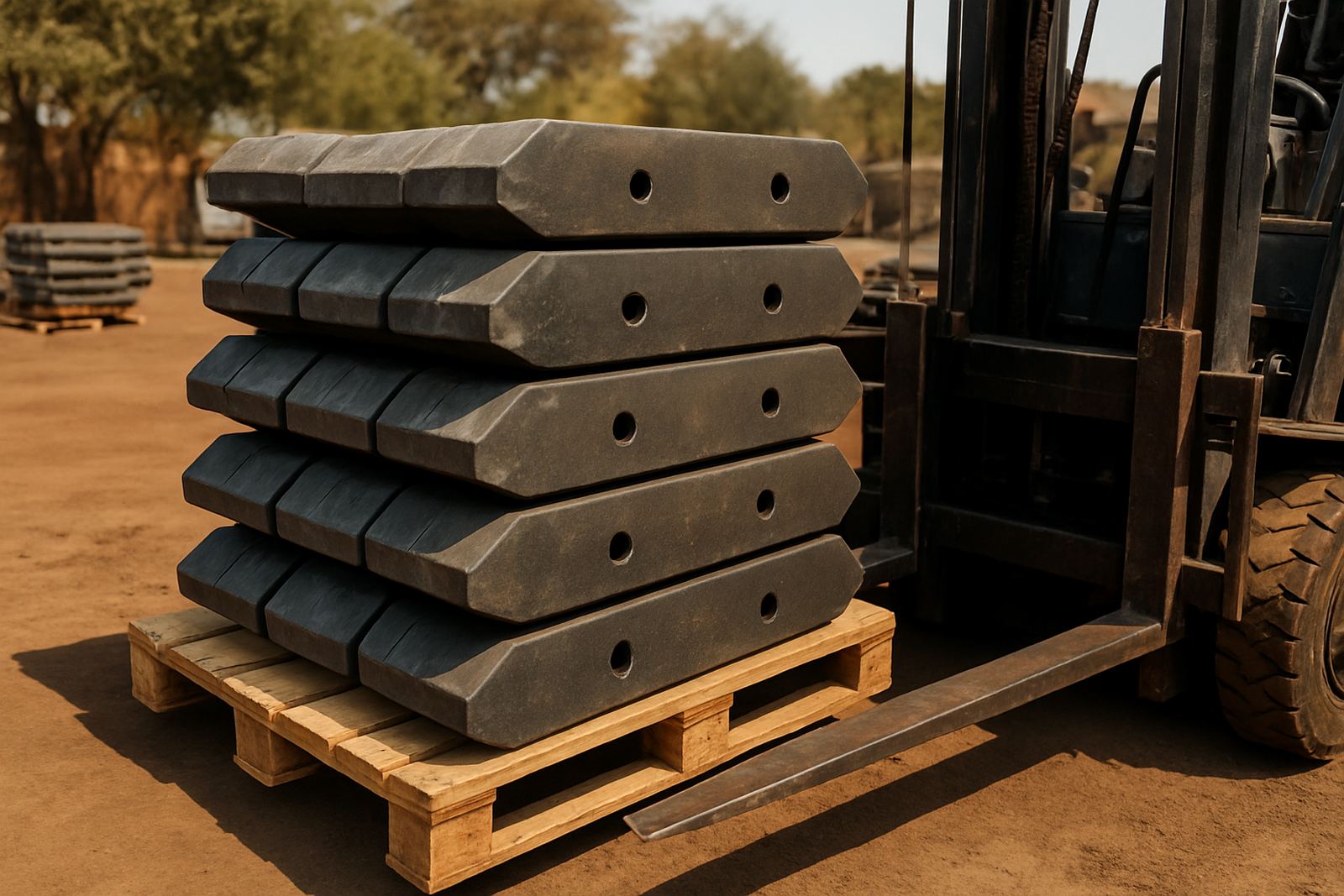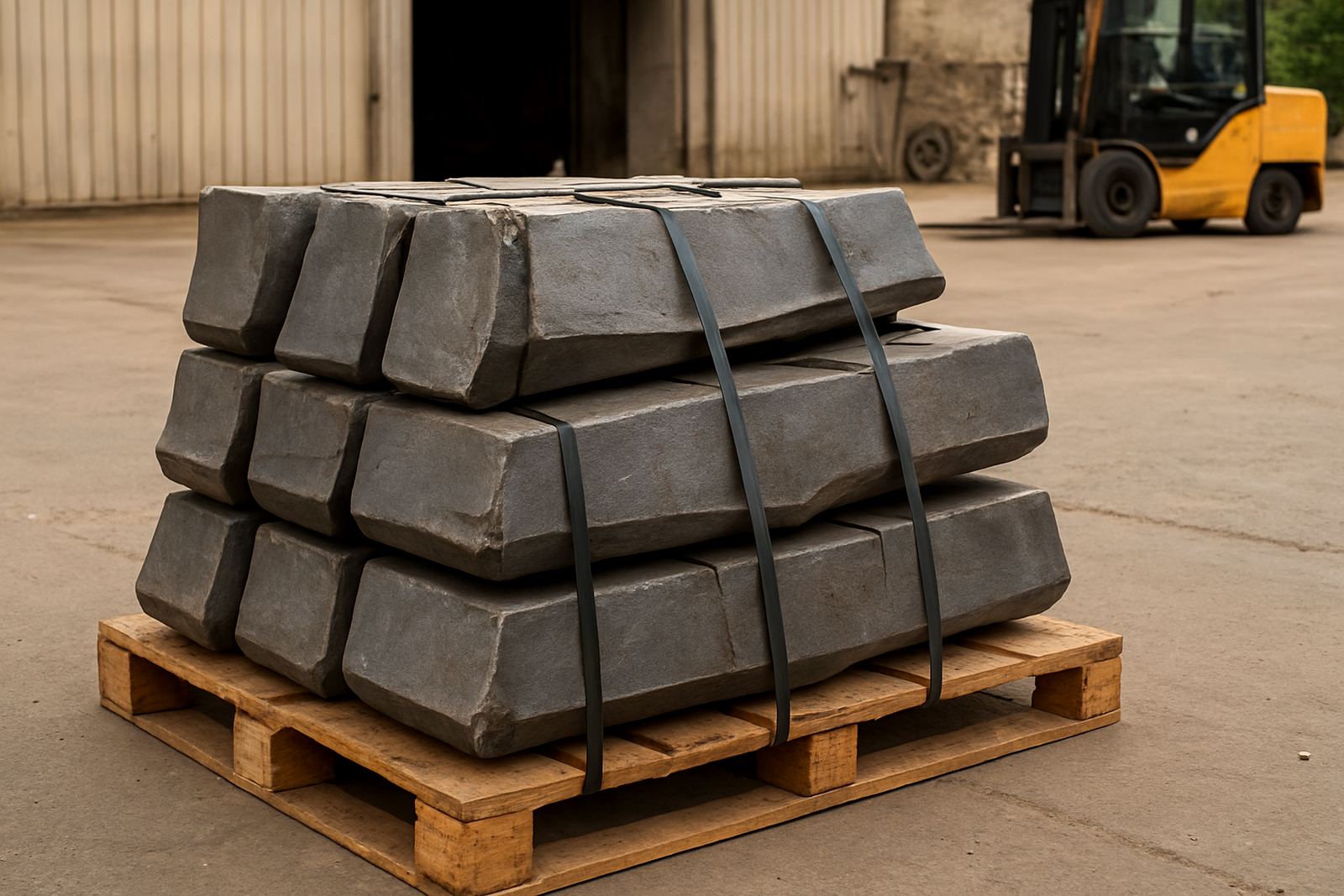
Socket Liners For Cone Unit Overhauls
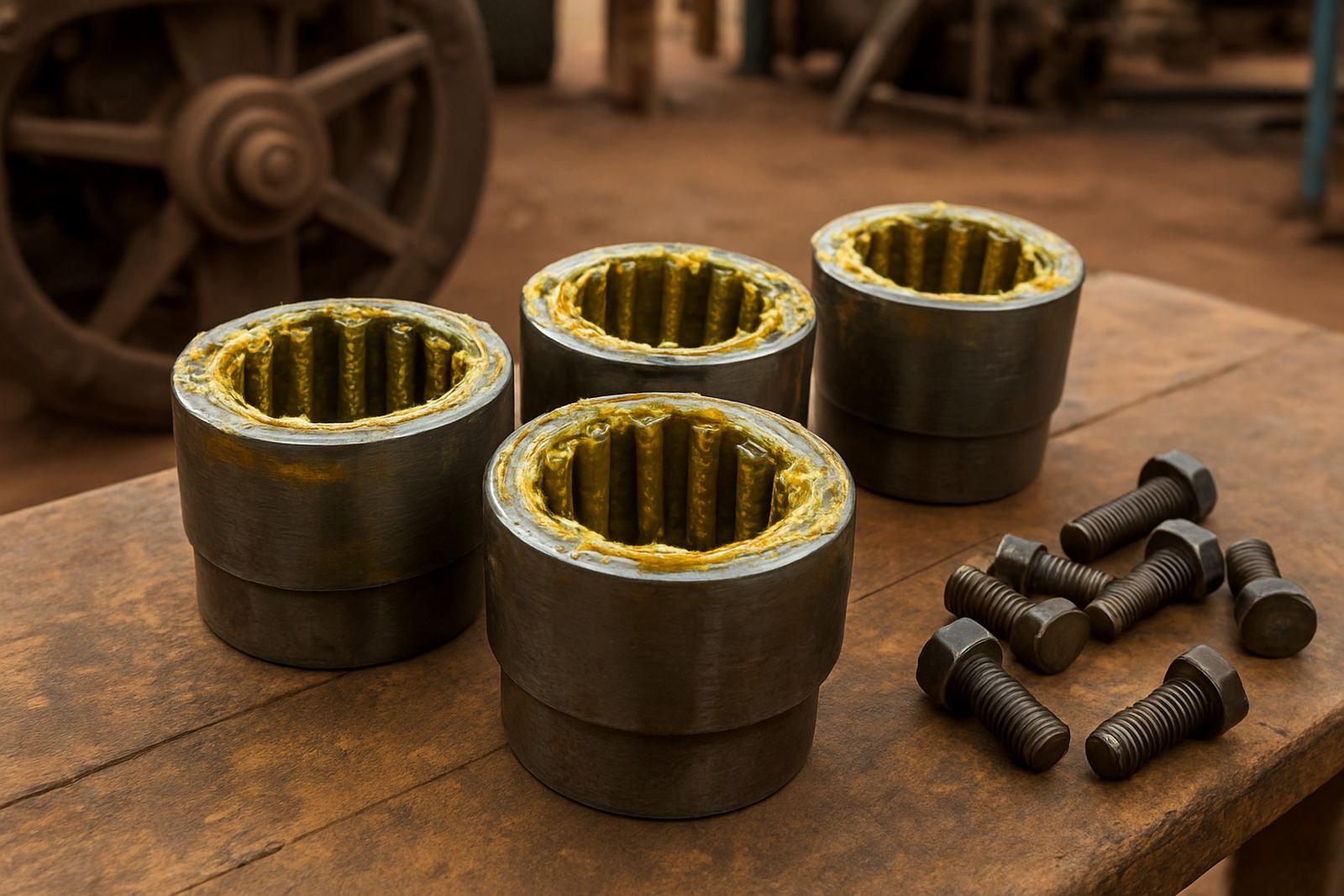
Socket liners are not usually bought on a guess. The correct match depends on cone make, model, head size, cavity profile and the condition of the seat and backing surfaces. We assist with part identification and can compare the liner against your current machine details before collection or dispatch. If the site has several crushers on one plant, it helps to know which unit the part came off and whether it ran in coarse, medium or fine duty.
Common variations include different outside diameters, inside fit profiles, thicknesses and wear allowances. Some liners are supplied as a matched set with related support parts, while others are suited to a specific overhaul scope. If you are working with shutdown windows or limited stock cover, we can help separate usable parts from scrap so the right item goes back into service and the rest is handled appropriately.
- Diameter and fit must suit the cone body and support seat
- Match the liner to the crusher model and head configuration
- Check for cracks, scoring, oval wear and heat damage
- Confirm whether you need a single liner or a matched overhaul set
Where Socket Liners Suit Best On Site
These parts suit cone crusher overhauls in quarry plants, mine crushing circuits and contract crushing setups where downtime is costly. They are commonly used on secondary and tertiary reduction stages, where consistent support is important for throughput and product shape. In dusty inland plants the main issue is abrasion, while coastal jobs may also deal with humidity and surface corrosion during storage.
Socket liners are a good fit for operations that keep surplus spares on hand for shutdowns, but do not want to carry unnecessary new stock for every item. They can also support plants that do fitment checks during planned maintenance, or sites that need a usable replacement while waiting for a longer lead item. If the machine is part of a larger crushing train, it helps to link the socket liner order with any related bushings, seals or support hardware so the team is not stopping mid-job for one small missing part.
- Quarries running hard rock or abrasive feed
- Mines with planned maintenance shutdowns
- Plants needing emergency replacement during breakdowns
- Sites managing stock through exchange and consignment
Installation, Power Needs And Fitment Checks
Socket liners themselves do not require a separate power or gas supply. They are fitted as mechanical support components during a crusher strip and rebuild, usually when the unit is isolated, locked out and opened for inspection. Installation should always be done by competent maintenance staff or a contractor familiar with cone unit overhauls, because incorrect seating can lead to damage that shows up only after the machine is back under load.
Before fitting, clean the seat area thoroughly and check for wear on mating surfaces, distortion, contamination and old compound residue. Make sure lifting gear is suitable for the weight of the component and that the work area is clear. On sites affected by load-shedding, plan the strip so you can complete the critical fitment steps without losing lighting, compressed air or crane access halfway through the job. If power is unstable, line up backup arrangements first rather than forcing the job into a risky start-stop cycle.
- Lock out and isolate the crusher before any work begins
- Inspect seat surfaces for pitting, cracks and uneven wear
- Use correct lifting equipment and approved handling methods
- Confirm alignment before the unit is returned to service
How We Inspect, Store And Dispatch Surplus Liners
Every socket liner taken through our exchange process is checked for visible condition, fit accuracy and serviceability before it is accepted into stock. We look at wear patterns, damage from stripping, corrosion and any signs that the part will not perform properly in a cone rebuild. That inspection is especially useful when a part has come from a shutdown where several components were removed together and need sorting fast.
Once accepted, the liner is stored in a controlled yard environment in Middelburg and prepared for collection or delivery. Items can be palletised and packed, labelled for the job, and released with condition notes where needed. This helps clients in Rustenburg, Kathu and Pietermaritzburg get the part they need without confusion at receiving. Good storage matters too, because a liner left on bare ground in a wet yard can pick up rust and contamination before it ever reaches the crusher.
- Inspection of wear, damage and dimensional condition
- Yard storage with practical part separation and labelling
- Palletising and packing for transport over long distances
- Local collections and nationwide delivery from our base
What To Check When Ordering Socket Liners
When you enquire, send the machine model, serial number if available, the exact location on the cone and any photos of the old part. If the liner is being replaced during a shutdown, add the date and the time window so logistics can be matched to your schedule. It also helps to mention whether the unit is on a coastal site, a dusty inland plant or a mine with strict access controls, because delivery and offloading requirements can change from one place to the next.
Useful details include the required quantity, whether you want a single item or a matched pair, and whether you need fitment checks before release. If the old liner is damaged beyond measurement, share the surrounding component details and the wear history of the crusher. A small note on the feed type, ore hardness and previous service life can make a big difference in matching the right part, and it avoids returns or time wasted on the wrong set.
- Crusher make, model and head size
- Quantity needed and whether it is for a shutdown
- Photos of the worn part and surrounding support surfaces
- Any site rules for delivery, offload and collection timing
South African Supply Support From Middelburg
Crusher Spare Exchange supports quarries and mines that want a practical route for surplus spares, not a long chain of calls and uncertainty. Our team includes Thabo Johannes Mokoena, with Lerato Maseko on operations, Sibusiso Ndlovu on inspection, Anika van Zyl on sales and exchange, Mpho Rakoma on logistics, Nokuthula Dlamini on client support and Johan Steenkamp on yard and storage control. That structure helps keep turnaround times tight and the parts flow organised.
Whether you are looking to source a socket liner for a planned overhaul or to move surplus stock out of a closed or changed circuit, our enquiry form is the place to start. We assist from Middelburg Yard through the eMalahleni, Rustenburg, Polokwane, Kathu, Pietermaritzburg, Secunda and Lydenburg regions, and we work with exchange, consignment and scrap versus exchange decisions when a part is no longer fit for service. It is a practical way to keep usable equipment in circulation and reduce waste at the same time.
Key facts
| Part type | Socket liners for cone crusher support and overhaul work |
|---|---|
| Supply source | Surplus holdings, inspected before release |
| Typical use | Cone unit rebuilds, shutdowns and replacement support |
| Size options | Model-specific diameters, thicknesses and fit profiles |
| Handling | Palletised, packed and dispatched from Middelburg |
| Service area | South Africa wide, including major quarry and mine regions |