What an idler set does on site
An idler set carries the conveyor belt and helps keep it tracking in the right position while material moves from the tipper or hopper through to the plant. In quarry work, a worn set can cause belt wander, spillage, extra dust and uneven loading, which leads to more stoppages than many teams expect.
We supply idler sets from surplus holdings for belt support and transfer maintenance, especially where a site needs a working replacement without waiting on a new manufacture lead time. That suits maintenance teams in Middelburg, eMalahleni, Rustenburg, Polokwane, Kathu and Pietermaritzburg when shutdowns are tight and a conveyor has to get back online quickly.
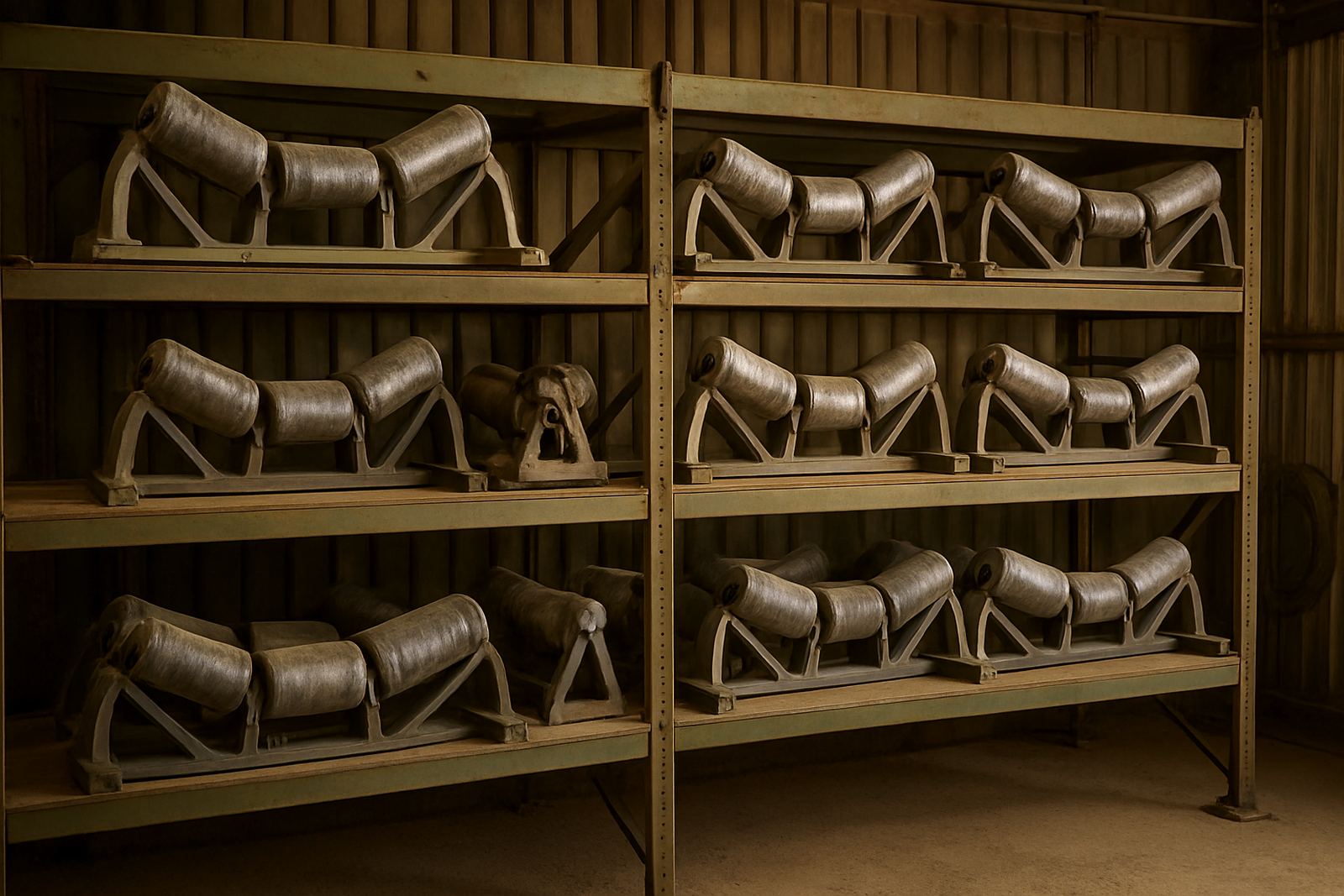
Idler sets are used on the carrying side, return side and at transition points. Depending on the line, they may be fitted in fixed frames, adjustable brackets or troughing stations, with the set selected to match belt width, frame spacing and the kind of material being carried.
Sizes, trough angles and build options
Idler sets are usually matched to standard belt widths and working angles. We handle surplus units in common quarry and mine sizes, with the exact configuration confirmed before exchange or sale. The most common check points are belt width, roller diameter, shaft size, bearing style and frame hole spacing.
- Belt widths commonly supplied: 450 mm, 600 mm, 750 mm, 900 mm, 1050 mm and 1200 mm
- Troughing options: flat, 20 degree, 30 degree and 35 degree carry arrangements
- Return options: single return or twin return layouts where specified
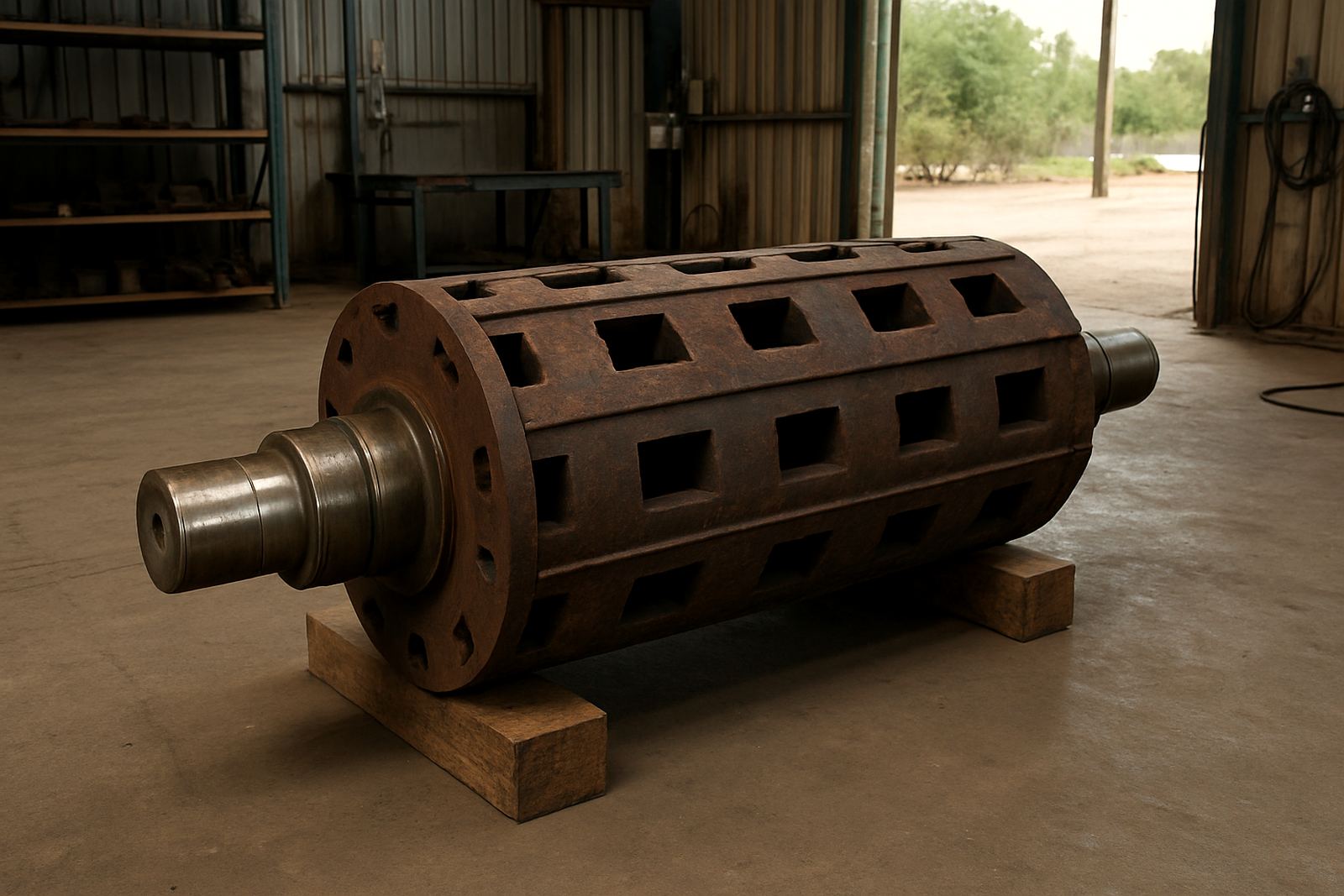
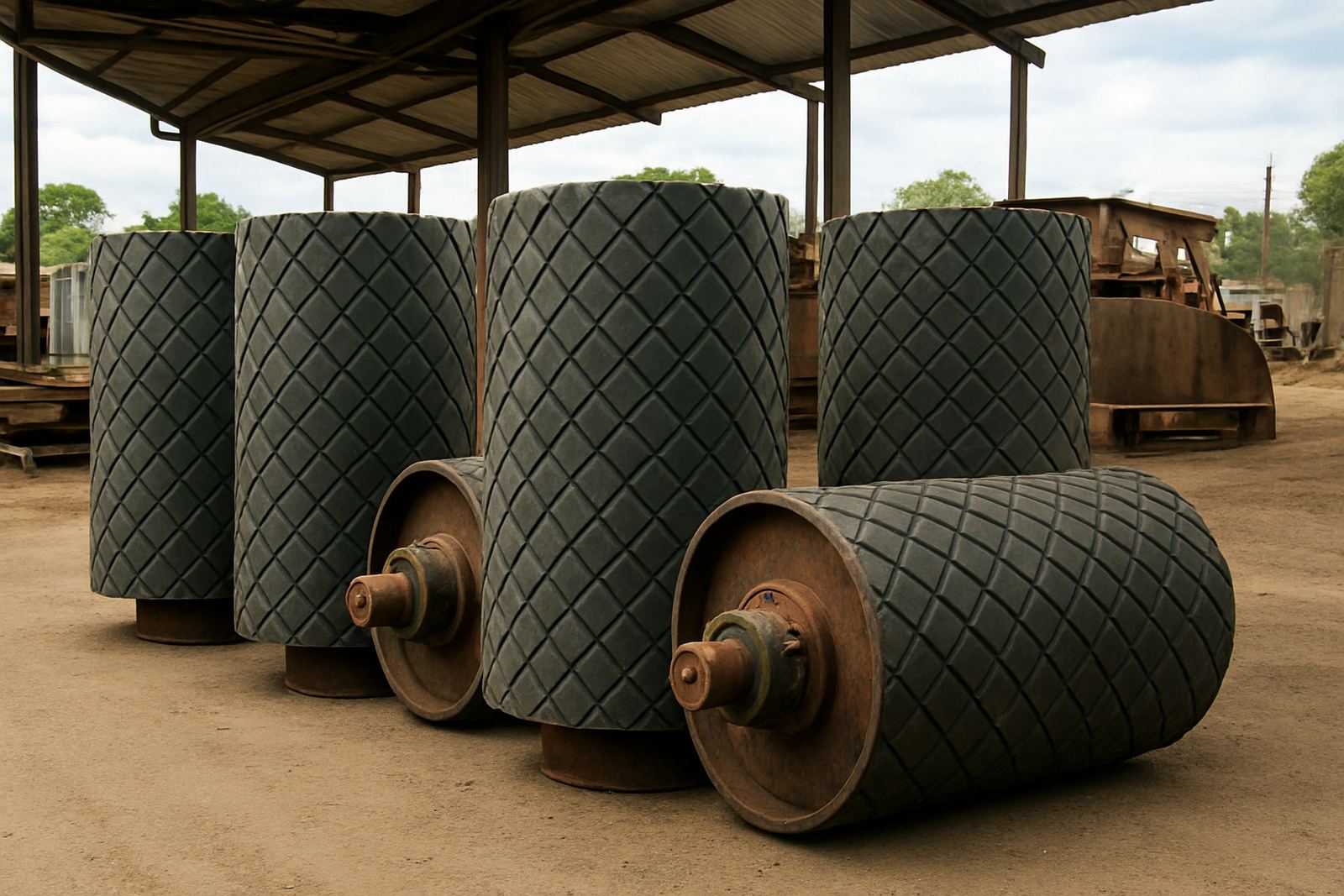
- Roller types: steel, rubber lagged or coated rollers depending on wear and noise needs
- Frame styles: fixed, adjustable and heavy duty bracketed sets for bulk handling lines
For quarries running on dusty stone, the bearing protection and roller condition matter just as much as the outer size. Coastal humidity on routes near Pietermaritzburg can also affect stored spares, so we inspect for seized rollers, pitting, oval holes and surface corrosion before release.
Where idler sets fit best in quarry and mine systems
These sets are suited to transfer lines where material is abrasive and the belt is under regular shock loading. That includes feed conveyors, stockpile transfer belts, crusher discharge belts, scalper lines and overland sections that run for long hours. In most plants, the idlers are not the only part that matters, but they are the first place to look when a belt starts pulling off line or carrying fines unevenly.
We often assist with shutdown sourcing for plants that need one section of a line recommissioned while other repairs continue. That is common in Secunda, Lydenburg and the Rustenburg belt of operations where production windows are short and labour has to be planned around lift permits, isolation and lock-out rules.
- Best for fixed conveyor runs with standard support spacing
- Useful on dusty dry material and damp fines where belt tracking is affected
- Suitable for replacement during scheduled shutdowns or urgent spares searches
- Works well when existing frames are serviceable and only the roller sets need replacement
Installation, drive conditions and power requirements
Idler sets themselves do not need power or gas, but they work inside a conveyor system that depends on the drive package, take-up arrangement and guarding. Before fitting, the conveyor must be isolated, locked out and made safe. Fitment checks should confirm that the frame is square, the belt is centred and the rollers turn freely by hand before the belt is started again.
If the system is running through load-shedding periods, it helps to time fitting and testing around the site generator schedule so the line is not started and stopped too often. Repeated stop start cycles can put extra strain on bearings and belt splice points, especially on older plants. We can supply idler sets for local collections in Middelburg and arrange delivery to mine sites where access control and weighbridge procedures apply.
For the actual installation, maintenance teams should check the belt training at low speed first, then watch for rubbing, noise, hot bearings or a pulley line that has shifted. A small alignment error can turn into a bigger wear issue within one shift, so it is worth doing the checks properly rather than rushing the conveyor back into service.
Inspection, storage and servicing between exchanges
Because these items often come from surplus holdings, condition reporting matters. Every set should be checked for free rolling action, frame damage, cracked welds, rust on the shaft ends and bearing play. We also look for signs of impact damage from stone drop points and for uneven wear on one side of the roller, which often means the belt line has been running out of true.
- Keep idlers dry, off the ground and out of standing water
- Use palletised packing where the load will travel long distance by road
- Rotate stored sets periodically so bearings do not sit in one position for months
- Check seals before fitting if the unit has been stored near dust or coastal air
- Replace any set with a rough turn, obvious flat spot or bent frame
Our Middelburg yard and storage area is used for sorting, inspecting and holding parts before release. That helps with exchange work between quarries and mines, and it also makes it easier to compare scrap versus exchange value when a client wants to move surplus stock instead of writing it off.
What to confirm when ordering idler sets
To avoid the wrong fit, send the belt width, trough angle, roller length, frame dimensions and any existing part markings from the old set. If the conveyor is older, a photo of the installed unit and the mounting points helps a lot. We also need to know whether the line is carrying coarse blasted stone, fines, coal, chrome ore or mixed material, because the wear rate can vary quite a bit.
When a site in Kathu or Polokwane needs a quick replacement, the key is to confirm what can be reused and what must be changed with the set. Sometimes the frame is still sound and only the rollers need attention. In other cases the brackets are worn or bent and the whole assembly is better swapped as one.
- Belt width and conveyor centre spacing
- Carry side, return side or transition position
- Roller diameter, shaft size and bearing style
- Mounting hole spacing and bracket condition
- Desired condition: used, reconditionable or fit-for-service after inspection
Crusher Spare Exchange supports quarries across South Africa with practical sourcing, inspection, storage and delivery of surplus parts. For idler sets, that means a faster route from unused stock to a conveyor that needs to run, without wasting serviceable material.
Key facts
| Product type | Surplus idler sets for conveyor belt support |
|---|---|
| Common belt widths | 450 mm to 1200 mm |
| Typical trough angles | Flat, 20 degree, 30 degree and 35 degree |
| Applications | Quarries, mines, transfer belts, crusher feed and discharge lines |
| Service options | Inspection, condition reporting, storage, palletising and delivery |
| Base | Middelburg, Mpumalanga |