
What a rotor assembly is and why it matters
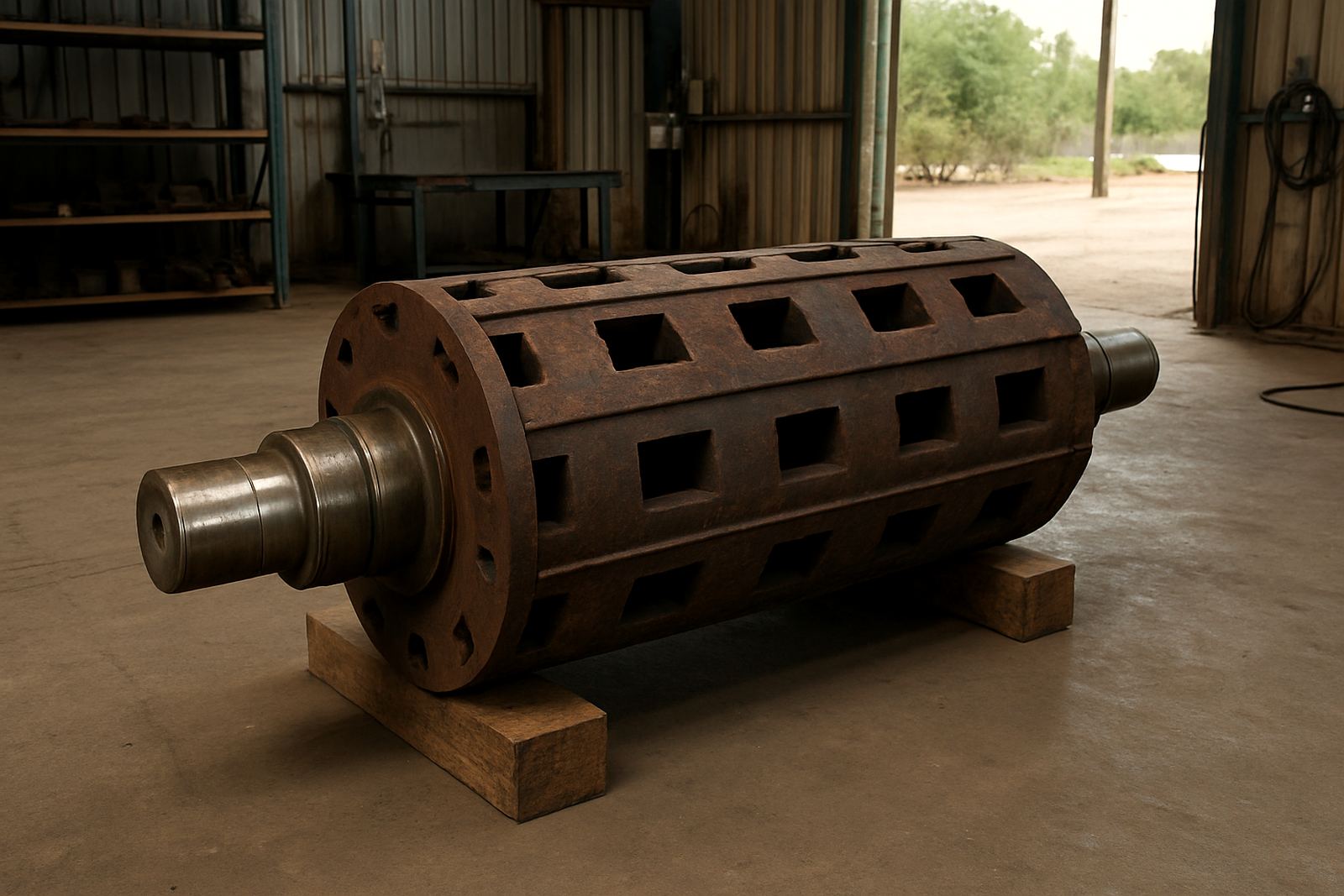
A rotor assembly is the rotating core inside an impact crusher. It carries the blow bars or hammers, takes the drive load, and gives the crusher the energy needed to break feed material down to size. When the rotor is worn, bent, cracked or out of balance, the whole plant can suffer from poor reduction, excess vibration and unnecessary wear on bearings and housings.
For quarry and mine operators, a good rotor assembly can mean the difference between a short shutdown and a long one. We handle surplus rotor assemblies for exchange between sites, which helps keep usable parts in circulation instead of leaving them idle in a yard. That is useful for plants running through load-shedding, wet weather, or a tight maintenance window where every hour counts.
Sizes, build options and common fitments
Rotor assemblies are not one size fits all. We deal with units suited to small secondary crushers, medium duty quarry plants and heavier duty machines used in mining and aggregate production. Some rotors are built for two, three or four row blow bar arrangements, while others are set up for reversible operation or specific feed openings.
Typical options include standard welded rotors, heavy wall fabricated rotors, and assemblies supplied with shaft, end discs, carriers, locking components and wear sleeves where applicable. We can also assist with exchanged units that are suitable for refurbishment work, where the client wants a serviceable core to rebuild around.
- Rotor length: commonly from about 900 mm to 2 400 mm
- Rotor outside diameter: commonly from about 600 mm to 1 500 mm
- Assembly weight: from roughly 1.2 tonnes to more than 12 tonnes
- Blow bar arrangement: 2, 3 or 4 rows depending on the crusher frame
Because plants in Middelburg, eMalahleni and Rustenburg often work dusty and sometimes damp conditions, we pay attention to storage and handling so the rotor reaches site in usable condition.
Where rotor assemblies suit best in South African plants
Rotor assemblies are mainly used in impact crushing circuits, including primary, secondary and some tertiary plants. They suit hard rock, coal, and general aggregate work where controlled reduction is needed. Many clients keep a spare rotor ready for shutdowns so they can change over quickly instead of waiting for major repair work to finish.
These assemblies are often requested by quarries and mines around Secunda, Lydenburg, Pietermaritzburg and Kathu where production schedules are tight and spares delays can hold up screening, stockpiling and dispatch. In some plants, a spare rotor is kept for emergency replacement. In others, it is used as the base for a refurbishment programme during a planned shut.
- Impact crushers in aggregate and roadstone plants
- Coal preparation plants with regular wear changes
- Mining operations needing standby support for shutdowns
- Facilities running two shifts or extended operating hours
Installation, drive set-up and utility needs
Rotor assembly installation must be done with correct lifting gear, alignment tools and proper guarding. The unit has to sit square in the crusher frame, with bearings, seals and shaft fits checked before start-up. If the rotor is out of balance or the coupling alignment is poor, you can get vibration, hot bearings, broken fasteners and unnecessary downtime.
These assemblies do not need gas, but they do depend on the crusher drive package being correct. That usually means the motor, coupling or pulley set, guard arrangement and control system must all match the crusher duty. Some plants also need crane access, forklift space or a low-bed for unloading depending on the size. In yards where access is tight, we can plan delivery and offloading in advance so there are no surprises on site.
Before commissioning, a technician should confirm rotation direction, clearances, grease points and fastener torque. If the machine is used in a coastal area or in humid storage conditions, the rotor should be checked for corrosion before fitment.
Care, storage and servicing between shutdowns
A rotor assembly lasts longer when it is stored properly and inspected before use. We recommend keeping the unit off bare ground, protected from standing water and wrapped or covered where possible. Coastal humidity can mark machined surfaces quickly, so regular checks matter even when the rotor is not in service.
During service intervals, look for cracked welds, worn bar seats, damaged end discs, loose retaining parts and signs of imbalance. Bearings and seals, if supplied with the assembly or separate on site, should be inspected as part of the same job. Lubrication points must be kept clean and the rotor should be rotated or supported correctly during storage to avoid distortion.
- Inspect after every major shutdown
- Check for scoring, run-out and visible cracking
- Keep machined surfaces lightly protected from rust
- Store with proper supports, not on loose timber
Good storage and basic care often save money later, especially when the next shutdown comes around sooner than planned.
What to check before you place an order
When ordering a rotor assembly, the more detail you give us, the faster we can match the right part. Please confirm the crusher model if known, the rotor dimensions, bearing arrangement, shaft details, and whether you need a bare rotor or a complete exchange unit with fittings. If the machine is already stripped, photos and measurements help a lot.
It is also important to know the material being crushed, the expected duty cycle and whether the plant is running a standard or high wear application. A rotor used in a dusty quarry in Rustenburg may have different wear priorities from one used in a coal plant near eMalahleni. If you are working to a shutdown date, tell us early so we can plan inspection, palletising and delivery in time.
- Crusher make, model and serial if available
- Rotor length, diameter and weight
- Bearing seat sizes and shaft end details
- Blow bar layout and fastening method
- Required delivery point and shutdown date
If the part is for exchange, we also need to know whether your existing rotor is repairable or being offered as scrap vs exchange. That helps us give clear options and keep the process practical.
Key facts
| Product type | Rotor assembly for impact crusher exchange and refurbishment |
|---|---|
| Typical application | Impact crusher service in quarry and mining plants |
| Size range | Approx. 900 mm to 2 400 mm rotor length |
| Weight range | Approx. 1.2 tonnes to over 12 tonnes |
| Common fitments | 2, 3 or 4 row blow bar arrangements |
| Supply options | Inspected exchange unit, yard storage, collection and delivery |