
What feeder pans do in the plant
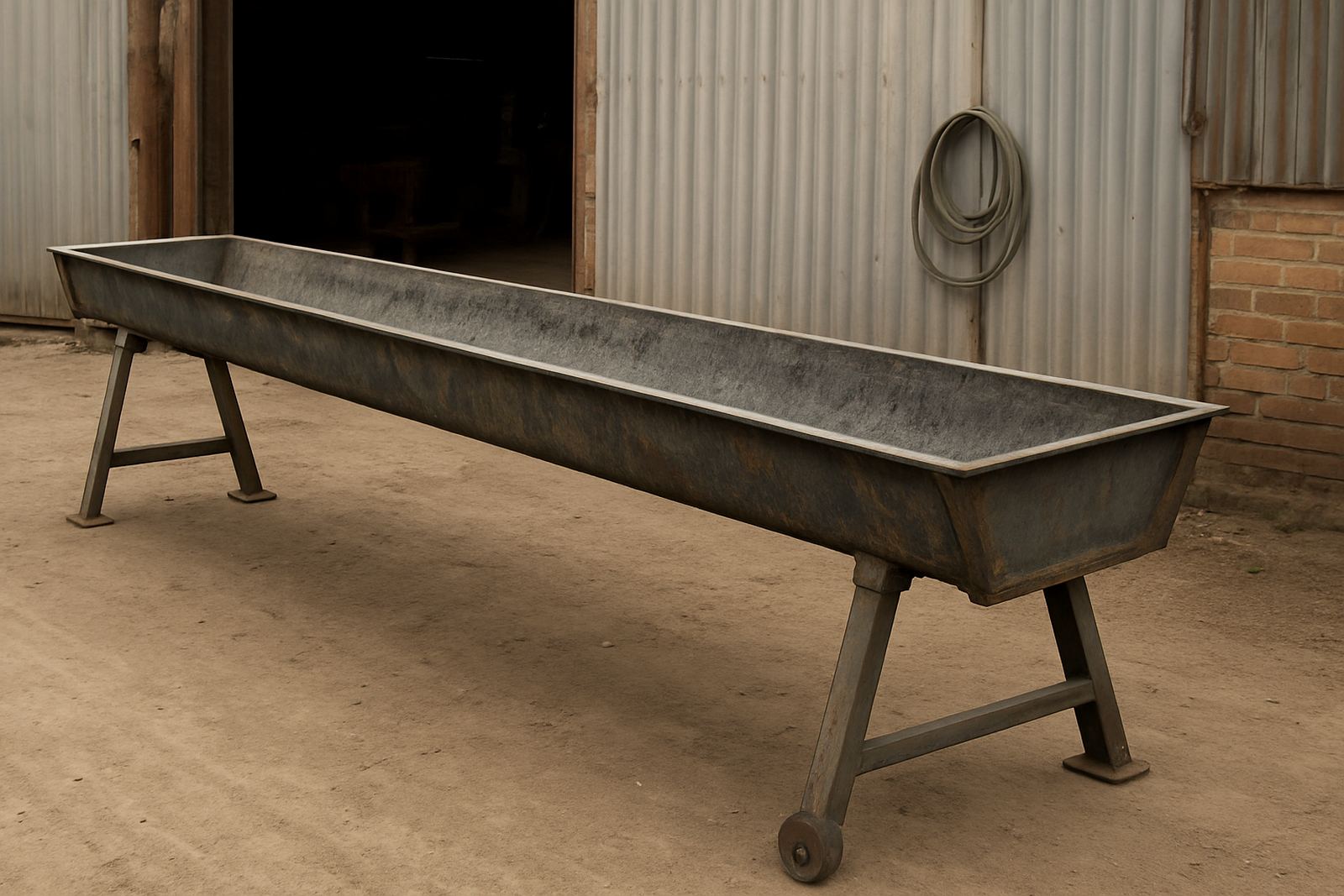
Feeder pans sit in the feed section of a vibrating feeder and carry broken material from a stockpile, bin or hopper onto the main process line. In quarry and mine work they help control the flow of stone, ore, slag or overburden so the crusher, screen or conveyor is not overloaded at once. That steady feed matters when you are trying to keep a plant running during load-shedding windows or a short shutdown.
On exchange work we see feeder pans used on scalping feeders, apron-style feed sections and repair jobs where only the worn pans need replacement instead of the full feeder assembly. They are common in hard-rock sites around Middelburg, eMalahleni and Rustenburg, but also on material handling upgrades further afield in Polokwane, Kathu and Pietermaritzburg. A correctly matched pan reduces spillage, uneven wear and the risk of material bouncing back at the feed point.
- Used to move bulk material in a controlled stream
- Suitable for repair work, retrofit jobs and shutdown replacements
- Helps protect crushers and screens from surge loading
Typical sizes, profiles and fixing options
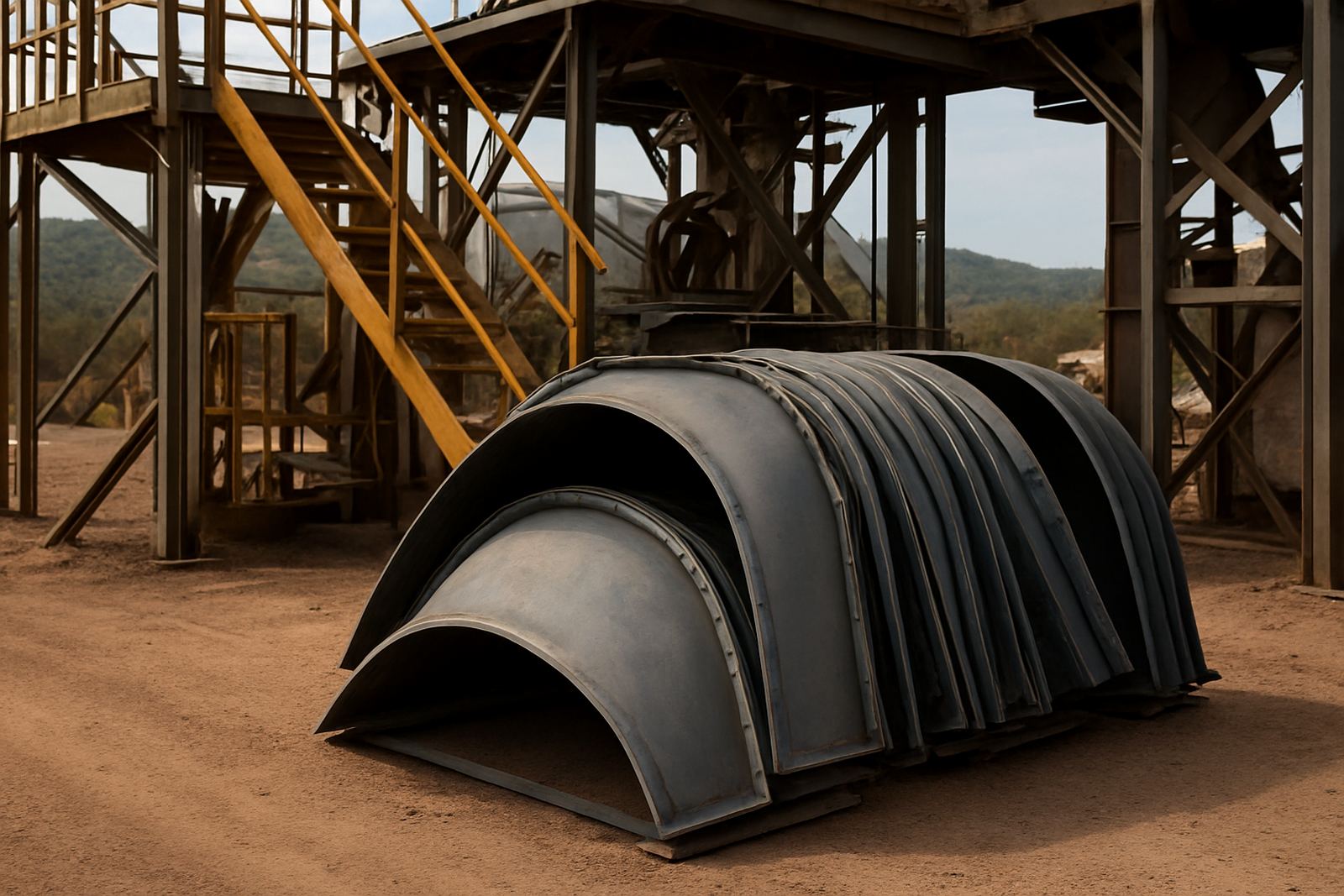
Feeder pans are not one-size-fits-all. The plate width, pitch, overall length and fixing pattern must suit the existing feeder body and drive arrangement. We handle surplus pans in standard industrial sizes as well as site-specific sections from dismantled units. Some pans are flat section plates, while others are formed for better material guidance and impact resistance. If your feeder works with heavy, sharp or abrasive rock, thicker plate and reinforced wear edges are normally preferred.
Common items we inspect include straight pans, end pans, centre pans, side pans and bolt-on wear sections. In some yards the pans are still serviceable after a cleaning, straightening and fitment check, while others are better suited for scrap vs exchange. For coastal plants with humidity or salt air, corrosion on the underside and around fixings must be checked closely before it goes back into service.
- Widths commonly matched to feeder bodies from about 600 mm to 1800 mm
- Plate thickness often ranges from 6 mm to 20 mm depending on duty
- Fixing styles may include bolted, clamped or welded interfaces
- Edge lips, gussets and wear strips can be checked during inspection
Where feeder pans suit best
Feeder pans are used where a controlled, even feed is needed before crushing, screening or transfer. They suit quarries running granite, dolerite, dolomite, sandstone and similar hard material, as well as mines handling ore or waste rock. On smaller plants the pans are often part of a maintenance plan to keep production moving between planned shutdowns. On larger sites they may form part of a wider material handling upgrade where the plant needs better throughput and less spillage.
They are a practical option for plants that cannot wait for long lead times. If a pan section is cracked, bent or heavily worn, the replacement can be sourced through our urgent spares search and moved through our Middelburg base for inspection and storage before dispatch. That helps teams in Secunda, Lydenburg and surrounding areas keep a repair programme moving without leaving the feeder idle for too long.
- Quarries with constant feed demand and limited shutdown time
- Plants needing a partial repair instead of full feeder replacement
- Sites where abrasion and impact are causing uneven wear
Installation, support and power requirements
Feeder pans themselves do not need a separate power or gas supply. They are mechanical components fitted into the feeder structure and driven by the feeder’s existing vibration or movement system. What matters is correct alignment, proper fastening and checking that the drive, springs, exciter or motor arrangement is still within spec before the feeder goes back into service. If the feeder is out of square, pans can crack at the fixing points and wear faster than expected.
Installation normally takes place during a planned shutdown. The site crew should isolate the feeder, verify zero movement and clean out fines before fitment. In many cases the pans are supplied for local collections, nationwide delivery or shutdown sourcing depending on the urgency. If a plant is operating under municipal dust rules or site environmental limits, the installation crew should also confirm that any guards, skirts and transfer chute seals are correctly refitted.
- No gas requirement
- Uses the feeder’s existing drive system
- Best fitted during shutdown or planned maintenance
- Alignment and fastening checks are essential before start-up
Care, servicing and signs of wear
Feeder pans work in a harsh section of the plant, so regular checks are worth the time. Look for cracking at bolt holes, plate thinning in the impact zone, loose fasteners, bowed sections and wear that is causing material to track to one side. If a pan is changing shape, the feeder may start vibrating unevenly which can affect the rest of the line. A quick condition report before re-use can save a lot of callouts later.
Routine cleaning helps too. Fines, clay and wet material can build up on the pans and around fixings, especially in rainy seasons or where feed stock carries moisture. On dusty inland sites, packed dust can hide hairline cracks so regular visual checks should be followed by a closer inspection during shutdowns. We also advise checking adjacent support members, not only the pan itself, because a worn support can make a good pan fail early.
- Check for cracks around bolt holes and edges
- Measure plate wear in the impact and discharge zones
- Look for loose or missing fasteners after each shutdown
- Remove build-up that can trap moisture and fines
What to check before you order a set
Before placing a feeder pan order, measure the feeder body and confirm the make-up of each section. A small difference in width or hole pattern can delay the fitment on site. It helps to have photos of the existing pans, the wear pattern and the fixing points. If the plant is running a mix of old and new parts, note whether you need a full set or only selected replacement sections. That is often the difference between a quick exchange and a longer maintenance stop.
Please include the feeder model if available, the number of pans required, plate thickness, overall length, hole centres, side profile and whether the pans need to suit bolt-on or welded fixing. For exchange stock we also need to know if your current pans are repairable, or if they should be booked in for scrap vs exchange. Our team in Middelburg can then check what is on hand, arrange palletising and packing, and move the stock through the right region for delivery.
- Overall width, length and hole centres
- Plate thickness and wear condition
- Number of pans required and section type
- Photos of the existing fitment and damage
- Whether you need delivery to a quarry, mine or yard
Key facts
| Product | Feeder pans for vibrating feeders and material handling systems |
|---|---|
| Material | Mild steel or wear plate options depending on duty |
| Thickness range | Typically 6 mm to 20 mm |
| Fitment | Bolt-on, clamp-on or welded section matching existing feeder |
| Use case | Repair, replacement, shutdown sourcing and exchange |
| Service area | Middelburg, Mpumalanga base with nationwide delivery |