What Chute Liners Do in a Wear Area Repair
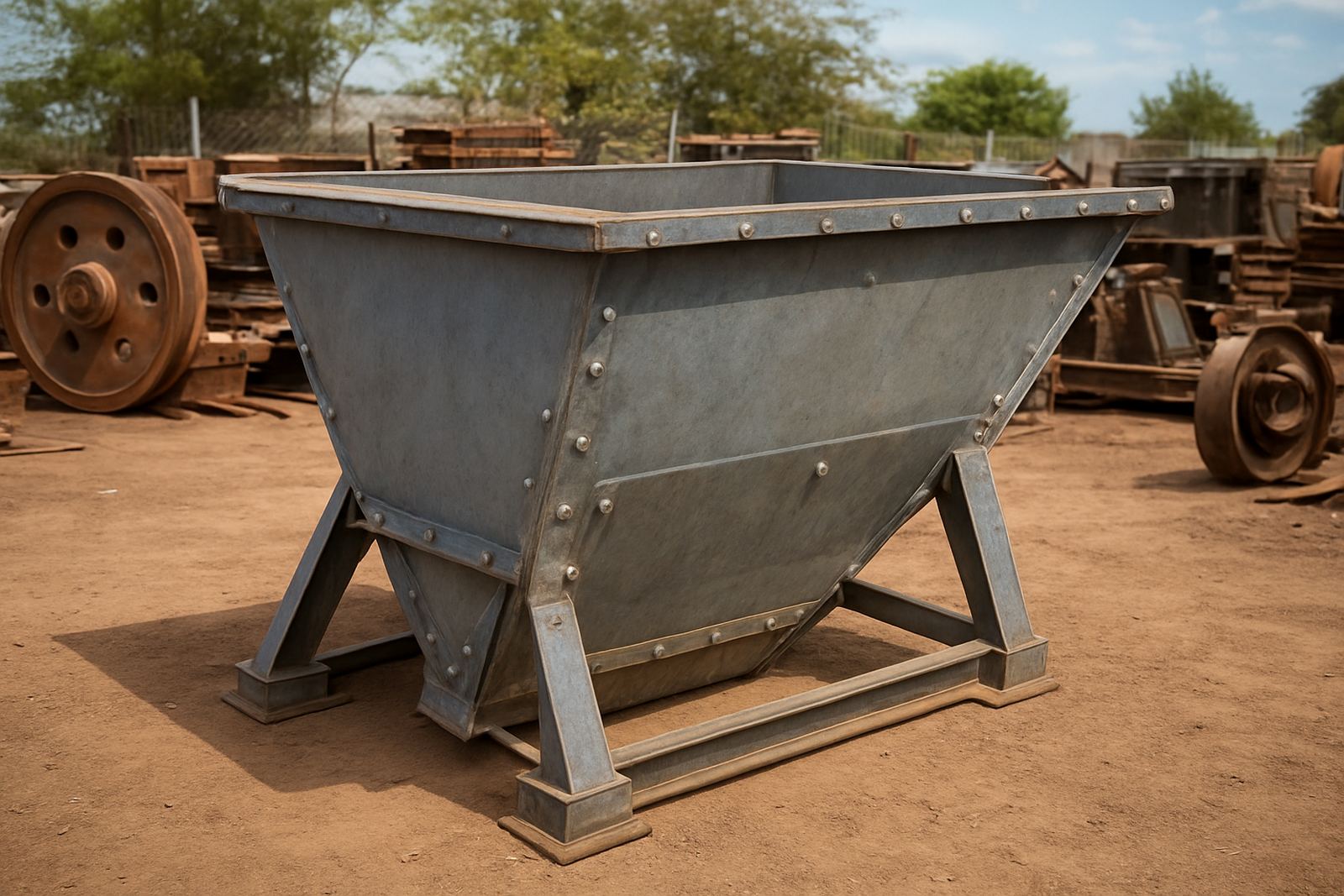
Chute liners protect the inside faces of transfer chutes, feed hoppers and drop boxes where rock, ore and fines slide at speed. They take the first impact, reduce metal loss and help keep material flow steady instead of cutting into the chute shell. In many plants the liner is the part that saves the chute from cracking or wearing thin around the edges and weld seams.
For quarries working with crushed stone, ballast, grit and screened aggregates, the wear pattern is usually most severe at the head plate, side walls, impact zone and outlet lip. In mines, wet ore, sharp angular feed and high-tonnage duty can shorten service life fast, especially where there is poor alignment or sticky build-up. A good exchanged liner can be a practical repair option when you need usable parts without waiting on a full fabrication cycle.
Sizes, Thicknesses and Typical Build Options
Chute liners are supplied in a range of sizes because transfer points differ from site to site. Some are flat plates cut to suit a straight wall, while others are formed with bends, holes or countersunk fixing points. The right option depends on chute angle, feed size, impact load and the fixing method already on the equipment.
- Common thicknesses: 6 mm, 8 mm, 10 mm, 12 mm, 16 mm and 20 mm
- Common shapes: flat, curved, stepped, side-wall, head plate and lip sections
- Fixing styles: bolted, clamped or weld-on edge sections
- Typical materials: abrasion-resistant plate, mild steel backing, rubber lined sections or composite builds
- Finish options: drilled, slotted, trimmed to size or supplied for final fit-up
For heavy impact points, thicker plate or a layered liner is often preferred. For lower impact areas, lighter sections may be enough and easier to handle during shutdowns. If your chute is in a wet area or near the coast, ask for the storage condition and any surface rust notes before release.
Where Chute Liners Suit Best on Site
These liners suit transfer points between conveyors, crusher feed chutes, reclaim tunnels, screen feed boxes and ore bins. They are also useful where there is repeated stone-on-steel contact in loading zones, surge points and diverter chutes. If your plant runs through long shifts, load-shedding interruptions or stop-start cycles, liners help manage the extra wear caused by inconsistent feed and restart surges.
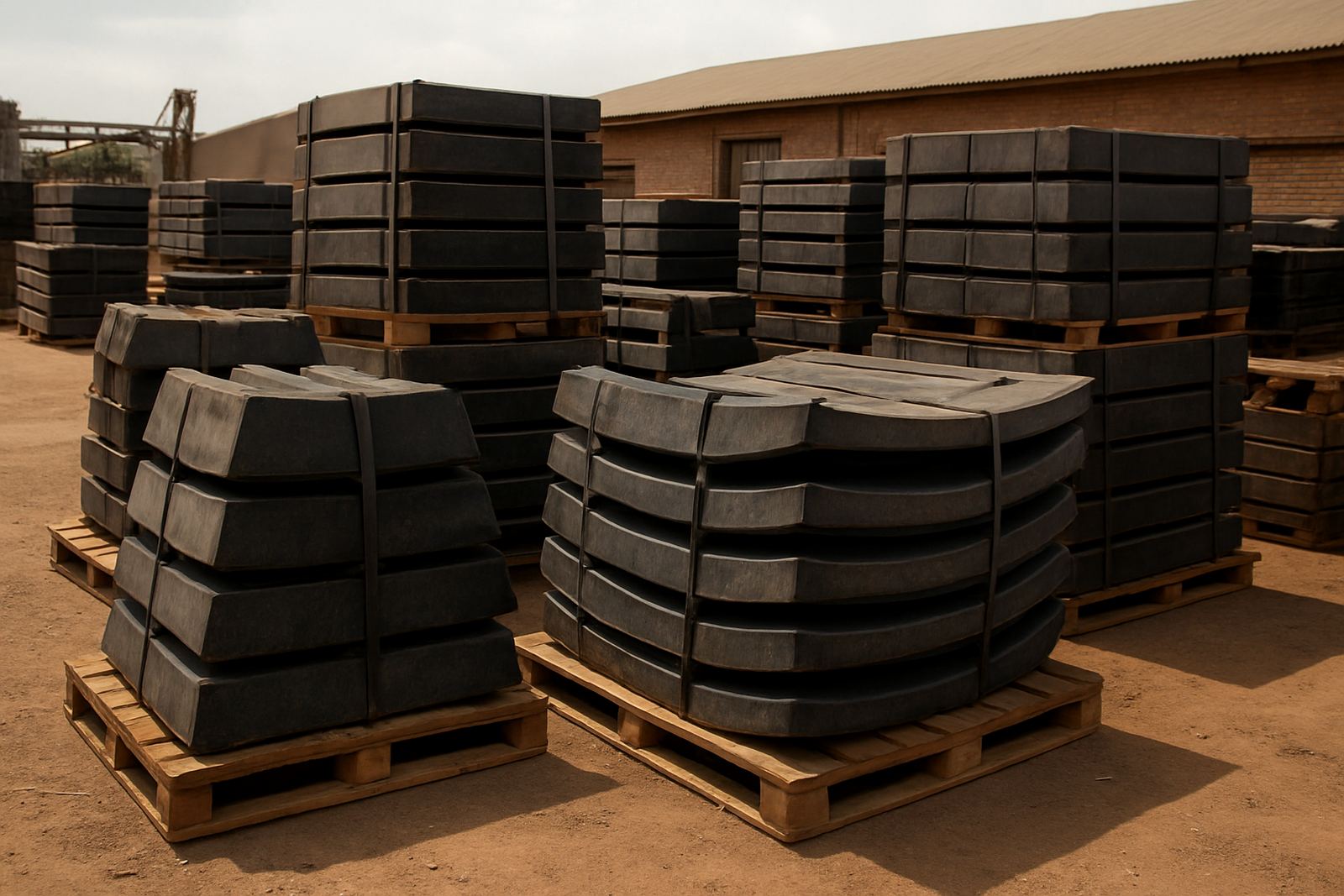
They are commonly used in quarries around Middelburg, eMalahleni, Rustenburg, Polokwane, Kathu, Pietermaritzburg, Secunda and Lydenburg, where dust, vibration and high throughput are part of daily operation. In coastal or humid areas, careful storage matters because surface condition can change quickly if parts are left exposed. Our yard team can store, palletise and prepare liner sections for collection or delivery.
- Crusher feed chutes and hopper transitions
- Screen feed and discharge points
- Conveyor transfer towers
- Skirt areas and rock boxes
- Reclaim and blending stations
Installation, Handling and Power Needs
Chute liners are normally fitted during planned shutdowns, maintenance windows or quick repair stops. Most sections are installed with hand tools, lifting gear and basic alignment checks. Where liners are bolt-on, the fixing holes and edge clearances must line up properly or the plate can work loose under vibration. Weld-on sections need clean prep, correct tack placement and enough cooling time before the chute is returned to service.
There is no direct power or gas requirement for the liner itself. Power may be needed for lifting equipment, grinders, drills or welding sets during fitting. In some plants the shut down crew works with limited generator supply during outages, so it helps to know the liner weight and the tools required before the window starts. For larger sections, use certified lifting points and confirm safe handling on uneven yard surfaces or wet plant floors.
- Check access to the fixing line before collection
- Confirm if the chute is bolt-on or weld-on
- Allow for lifting clearance and rigging space
- Make sure the replacement matches the wear direction
Care, Servicing and Reuse Checks
Even an exchanged liner needs a proper inspection before it goes back into service. Look for edge cracking, warping, oversized bolt holes, weld failure and thinning around the impact face. If the plate has been repaired before, check whether the repair area is still sound and whether the profile remains true to the chute wall. A liner that is badly bowed can cause spillage, hang-ups or uneven wear on the adjacent steel.
Routine servicing is simple: keep the chute clear of build-up, inspect fasteners during shutdowns and look for early grooving at the top edge and discharge lip. In wet or sticky material, wash-downs and cleanout access can improve service life. If the chute works in abrasive fines, more frequent checks are worth doing because thin spots can appear without much warning.
- Inspect before install and after the first few hours of running
- Check for loose bolts after vibration-heavy shifts
- Watch for misalignment at the feed entry point
- Measure wear at known high-impact zones during shutdowns
What to Check Before You Order a Chute Liner
When you enquire, send the chute opening size, liner length and width, thickness needed and the fixing method. It also helps to note the material being handled, whether the flow is dry or wet, and if the liner is for a primary crusher feed chute, secondary transfer point or screen discharge. Small differences in angle or hole spacing can affect fit, so accurate measurements matter.
We also need to know if the liner is for immediate fitment, shutdown planning or consignment exchange. If the part will be collected from Middelburg or moved between quarries, we can assist with inspection, palletising, packing and delivery across South Africa. In some cases the best option is a straight exchange; in others, a conditional sale or scrap vs exchange decision makes more sense for the site.
- Length, width and thickness in millimetres
- Bolt pattern, hole size and edge distance
- Chute angle and direction of flow
- Material type and wear severity
- Site location and delivery timing
Key facts
| Product type | Chute liners for transfer points and feed chutes |
|---|---|
| Typical thickness | 6 mm to 20 mm, depending on duty |
| Formats | Flat, curved, bolted, weld-on and formed sections |
| Service use | Wear area repair, impact protection and flow control |
| Handling | Suitable for palletising, packing, local collections and nationwide delivery |
| Base area | Middelburg, Mpumalanga with South Africa wide supply support |