
What cheek plates do in the crusher chamber
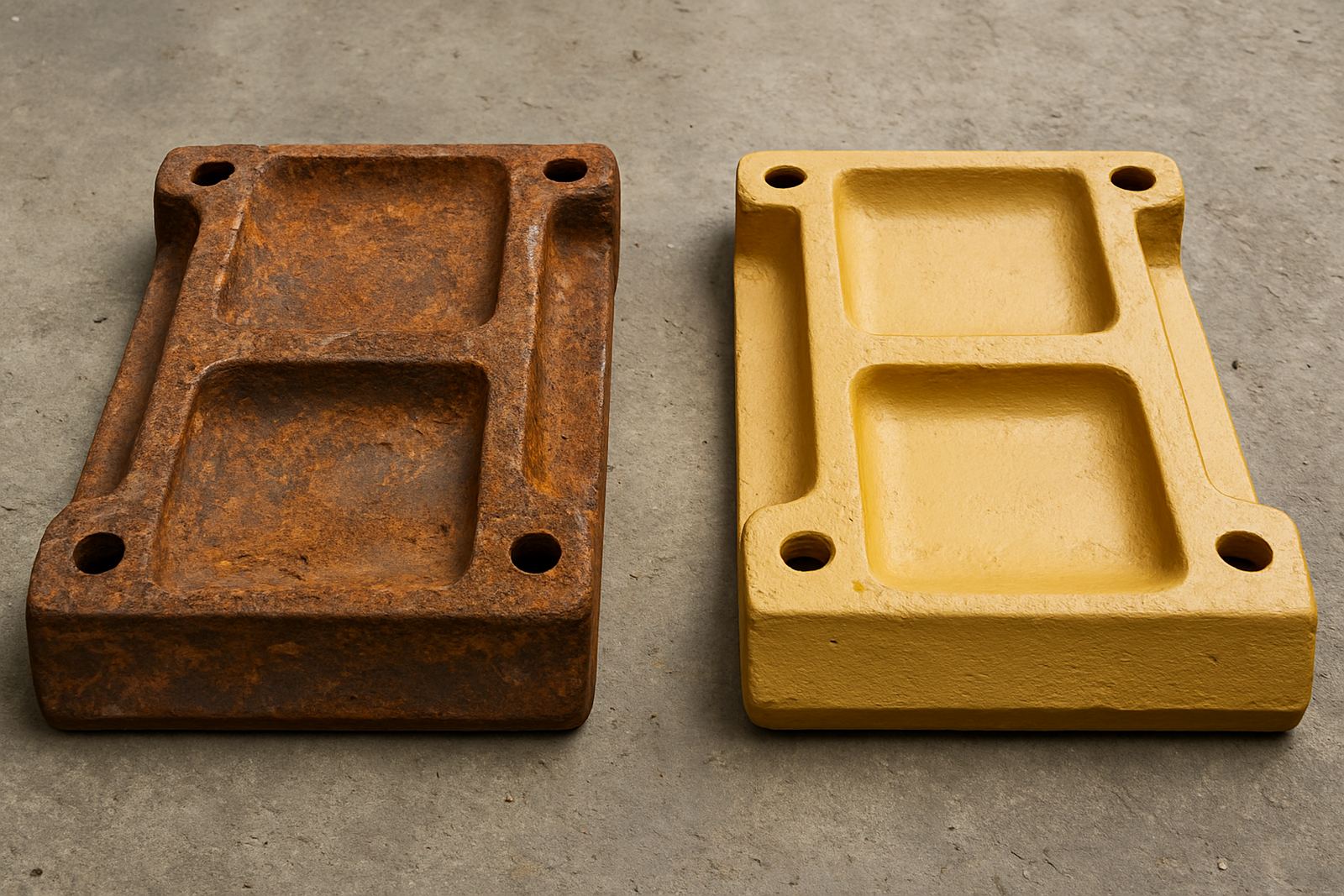
Cheek plates sit on the side walls of the crusher chamber and help shield the main structure from impact and abrasion. In hard rock work they take punishment from feed that is uneven, sharp edged or dusty, so once they start thinning out the chamber can wear faster and the machine may lose efficiency. When matched sets are available, they are supplied together so the wear pattern stays even on both sides.
These parts are used to keep the chamber profile stable and to reduce unnecessary damage around the feed zone. They are especially useful where operators run quartz, dolomite, granite, chrome ore or mixed quarry stone. In many plants, a missing or worn cheek plate can lead to extra fines, poor chamber support and more frequent shutdowns for repairs.
- Protects the crusher side walls from direct wear
- Helps maintain chamber shape and feed flow
- Reduces secondary damage to surrounding parts
- Useful for quarries, mines and mobile crushing plants
Sizes, profiles and material options
Cheek plates are supplied in different lengths, widths and thicknesses depending on the crusher model and chamber design. Some are plain flat plates while others have formed edges, countersunk holes or cut-outs to match the mounting points. The right fit depends on the machine frame, liner arrangement and the way the crusher is loaded. If the plate is too short or the hole pattern is off, it may not seat properly and can work loose under vibration.
Options often include standard wear plate steel, hardened wear plate and, in some cases, plates with reinforced edges for heavier duty use. Thickness can vary from around 10 mm to 40 mm or more depending on the application. We also see different conditions on surplus stock, from lightly used plates that can go straight back into service to parts suited only for recovery or scrap exchange.
- Thickness ranges commonly from 10 mm to 40 mm plus, depending on model
- Flat, profiled and drilled versions may be available
- Single items or matched pairs can be listed where available
- Used condition is checked before sale or exchange
Where cheek plates suit best
Cheek plates are used on jaw crushers and some other crushing equipment where chamber side protection is needed. They suit fixed quarry plants, contract crushing crews, and mine sites that run regular shifts under dusty conditions. In places like Middelburg, eMalahleni, Rustenburg and Kathu, where throughput matters and stoppages are expensive, keeping the right side protection in stock helps reduce downtime.
They also suit shutdown work when a plant is stripped for inspection and a worn plate needs replacement before restart. On coastal or humid sites, storage condition matters too because surface rust can form quickly if parts are left open to the weather. A plate that has been stored properly and checked for flatness, cracking and bolt hole wear is worth more than one that has sat outside on bare ground.
- Fixed quarries and mine crushing circuits
- Mobile crushing units on contract work
- Shutdown maintenance and chamber overhauls
- Sites with high wear from hard, abrasive stone
Installation, fitment checks and site power needs
Cheek plate fitting is normally done during planned maintenance, liner changeouts or a full chamber service. The crusher must be isolated, locked out and made safe before anyone enters the machine area. Because these plates sit close to the crushing zone, alignment matters. The fixing faces should be clean, the bolt seats checked and the contact surfaces free from trapped fines or old packing material.
For most installations, no special power or gas supply is required for the cheek plate itself, but the fitment job may need lifting gear, torque tools and basic site access equipment. On some jobs a hot work permit may be needed if related parts are cut or repaired nearby. Plant teams should also confirm whether there is enough clearance for safe handling because these plates can be heavy and awkward in the chamber opening.
- Lock out and isolate the crusher before fitting
- Check bolt holes, contact faces and chamber clearance
- Use the correct lifting method for the plate weight
- No direct power or gas requirement for the part itself
Care, wear checks and storage between shutdowns
Once in service, cheek plates should be checked for thinning, cracking, edge chipping and uneven wear at each shutdown. If one side wears faster than the other, it can point to feed issues, chamber imbalance or incorrect installation. Operators should keep an eye on bolt tightness as well, since vibration and repeated impact can loosen fittings over time. A small issue left too long can turn into a bigger stoppage later on.
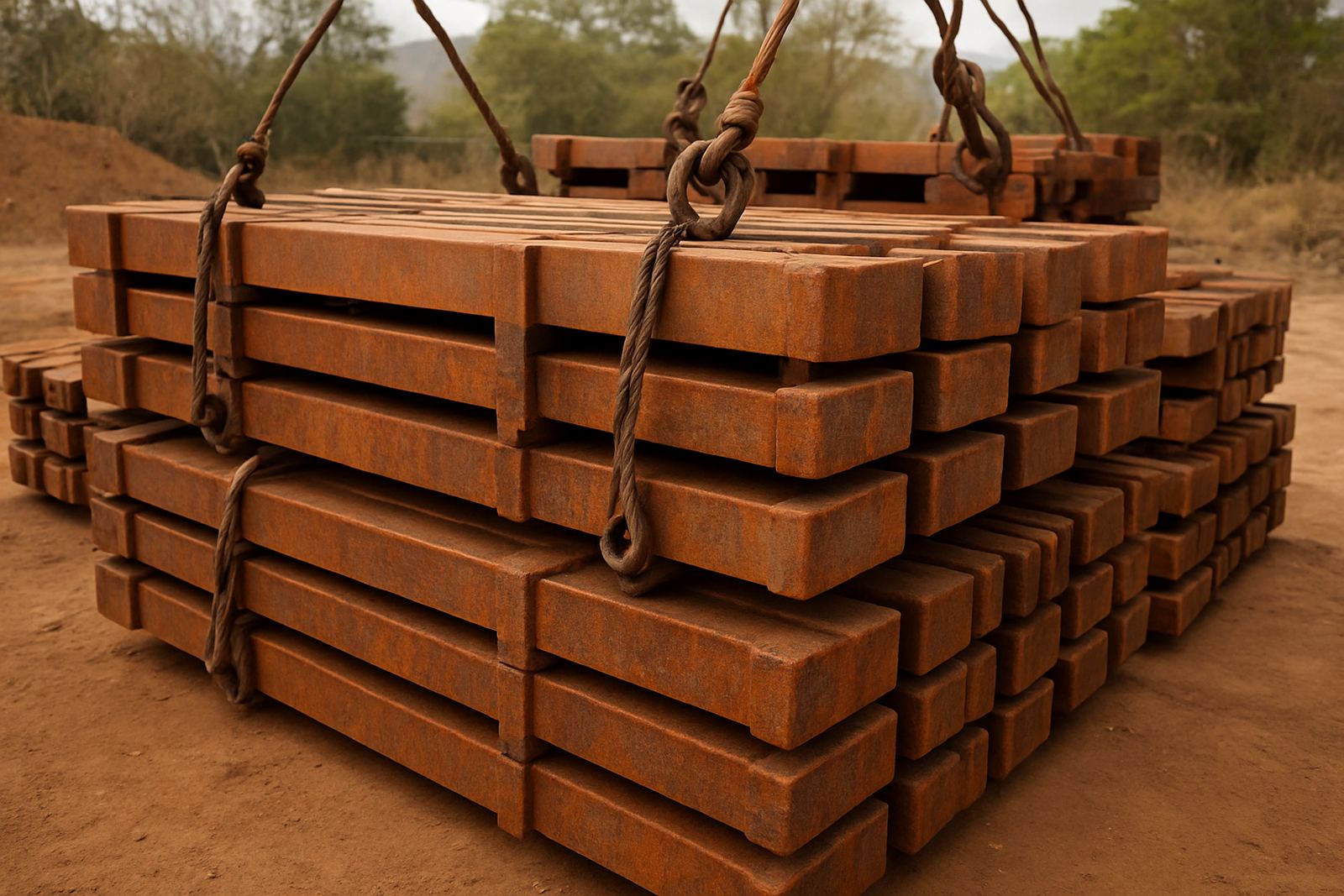
Stored plates should be kept off the ground, palletised and covered where possible. In the Highveld, dust and rain can combine into a rough surface layer, while coastal humidity can bring rust very quickly. If a plate is being held for later use, a simple condition report helps the next team know whether it is ready for service or needs further inspection.
- Check for wear depth, cracks and edge damage
- Inspect bolt holes and seating faces
- Store on pallets and keep covered from weather
- Label condition clearly for future fitment
What to send us when ordering cheek plates
To match the right cheek plate, send the crusher make and model, chamber type, and any part number or drawing reference you have. If the original part is still on site, measurements of length, width, thickness and hole spacing help a lot. Photos of the old plate, the mounting face and the chamber side can save time and reduce the risk of the wrong part being collected or delivered.
If you are looking for surplus stock, tell us whether you need a single plate, a matched pair or a specific condition such as serviceable, repairable or scrap for exchange. It also helps to note your site location, whether the part is for immediate shutdown work, and if collection needs to be arranged from Middelburg, eMalahleni, Rustenburg, Polokwane, Kathu, Pietermaritzburg, Secunda or Lydenburg. That way the search can be narrowed quickly and the right spares can be moved without delays.
- Crusher make, model and chamber type
- Part number, drawing or old plate dimensions
- Required condition: used, serviceable or exchange
- Delivery site, timing and collection needs
Key facts
| Product type | Cheek plates for crusher chamber side protection |
|---|---|
| Common supply | Single plates or matched sets where available |
| Typical thickness | 10 mm to 40 mm plus, depending on model |
| Material options | Wear plate steel, hardened wear plate and reinforced variants |
| Service use | Jaw crushers, quarry plants, mine crushing circuits |
| Supply method | Listed, inspected, stored and delivered from Middelburg |