Project Background in Vryheid
The client was a small quarry operation outside Vryheid, supplying aggregate to local road works and private contractors in northern KwaZulu-Natal. After an overload event on the crusher, the toggle plate set was damaged and the plant could not run until the failed parts were replaced.
The quarry needed a practical source of spare parts, not a long procurement cycle. They needed a supplier who could check what was on hand, confirm condition, and move the plates quickly to a rural site where downtime was costing them every hour. The job called for clear communication and no guesswork, because the miller and maintenance crew were already working around a tight production window.
What the Quarry Needed From Us
The brief was straightforward. Find suitable toggle plates from reserve stock, confirm they were fit for reuse, and get them to site without delay. The client also wanted support with inspection notes so their maintenance team could sign off the parts before installation.
- Used toggle plates matched to the crusher model and size
- Condition reporting with visible wear checks
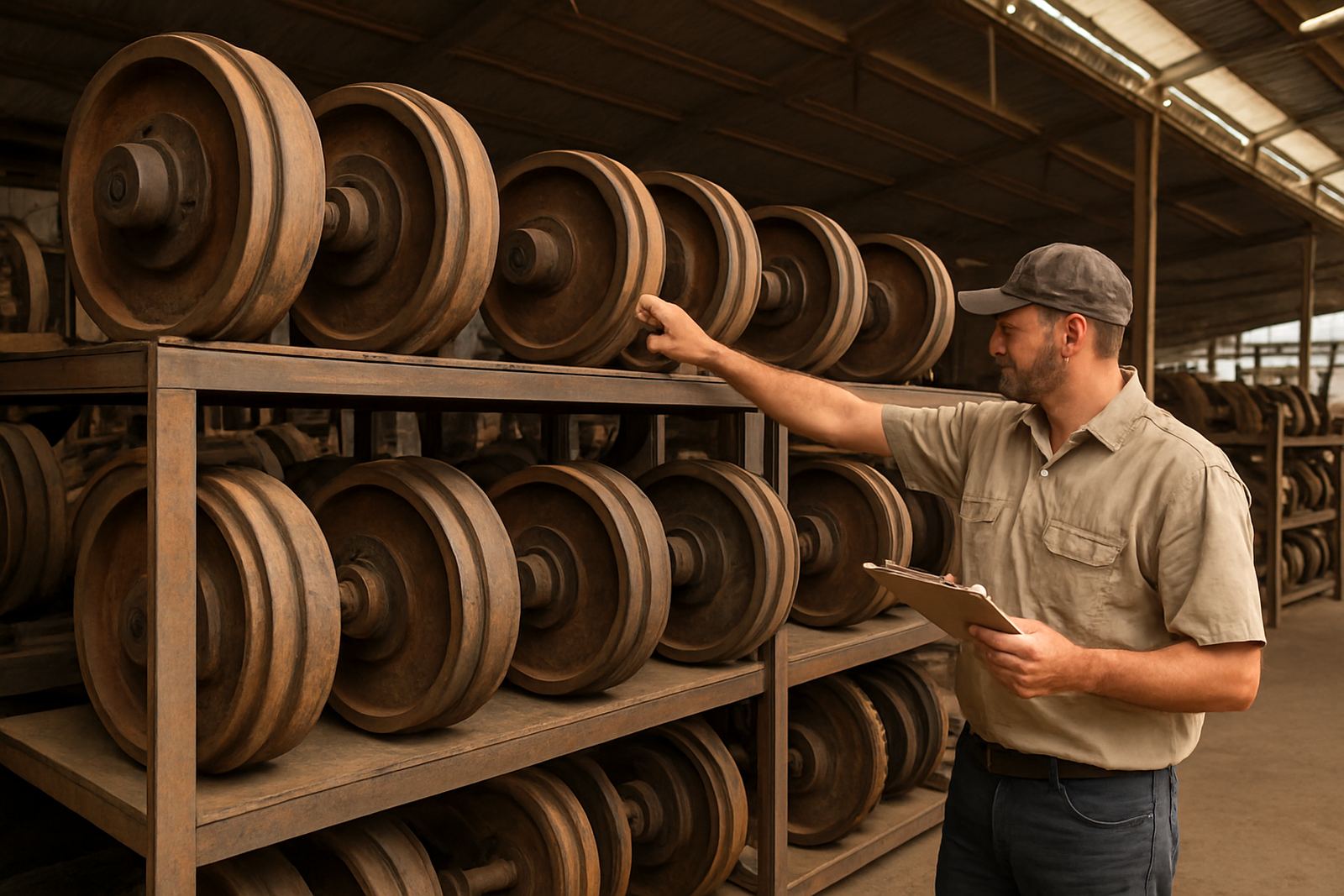
- Storage and release from our Middelburg yard
- Packing for road transport to a rural site
- Delivery coordination around the quarry shift pattern
There was one more constraint: the area had unreliable power at times, so the repair window had to be planned around load-shedding and reduced daylight working. That meant the plates had to arrive ready for fitting, with no extra handling on site.
Inspection, Spec Check and Stock Release
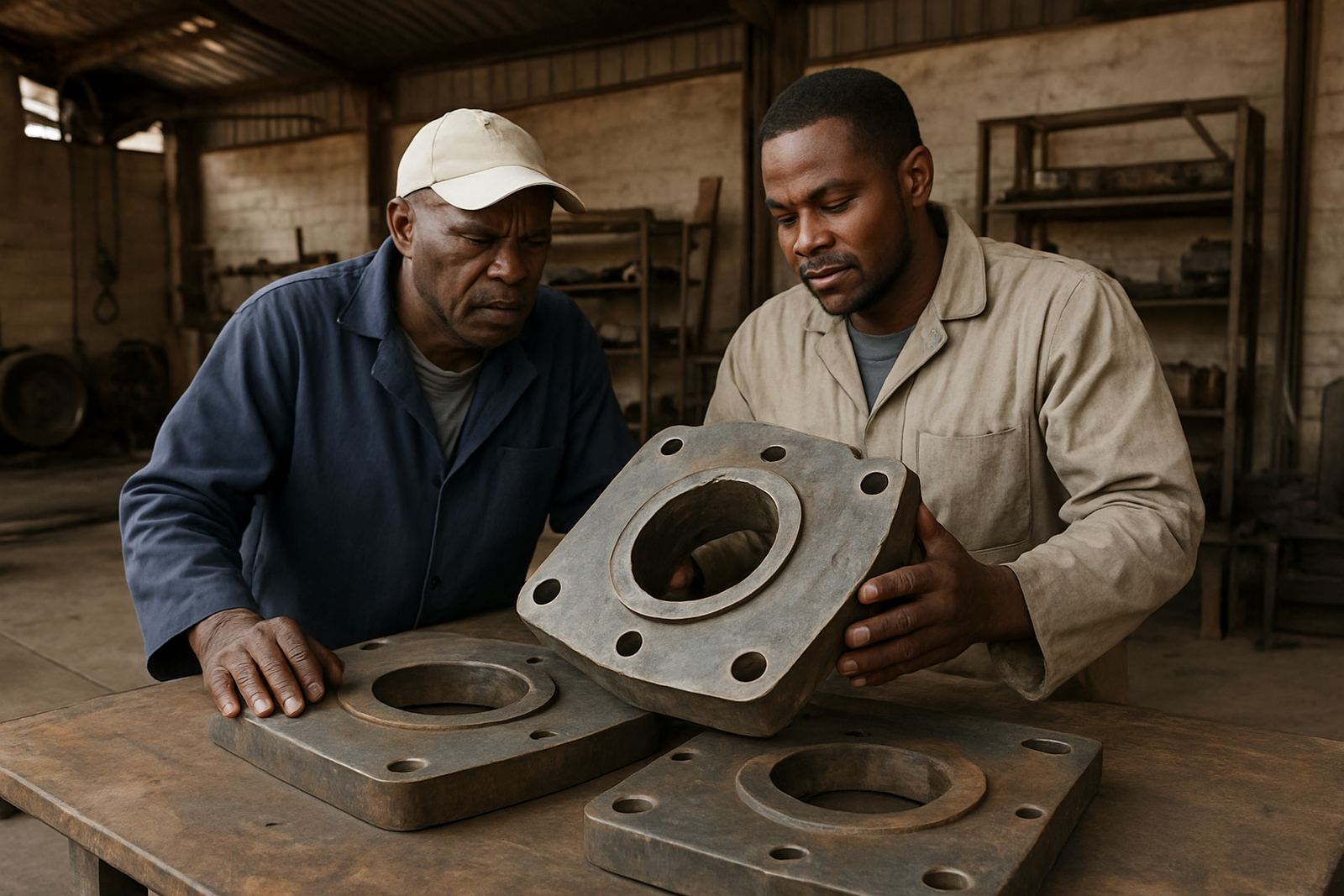
Sibusiso Ndlovu handled the inspection side and checked the plates for cracks, edge deformation, hole wear and surface condition. Where the plates showed acceptable service wear, they were marked for exchange. Anything outside tolerance was kept out of the release batch, because a toggle plate that is badly worn can put the whole plant at risk again.
The plates were matched against the machine details provided by the quarry, including jaw crusher model, plate length, thickness and fixing pattern. In this kind of job, even a few millimetres can matter. We also checked whether the set would work with the existing toggles and support faces, so the client could avoid last minute modifications.
- Plate length checked against crusher drawing dimensions
- Thickness verified for correct seating and load transfer
- Mounting holes checked for alignment and oval wear
- Contact faces inspected for signs of fatigue or bending
Handling, Packing and Delivery to Site
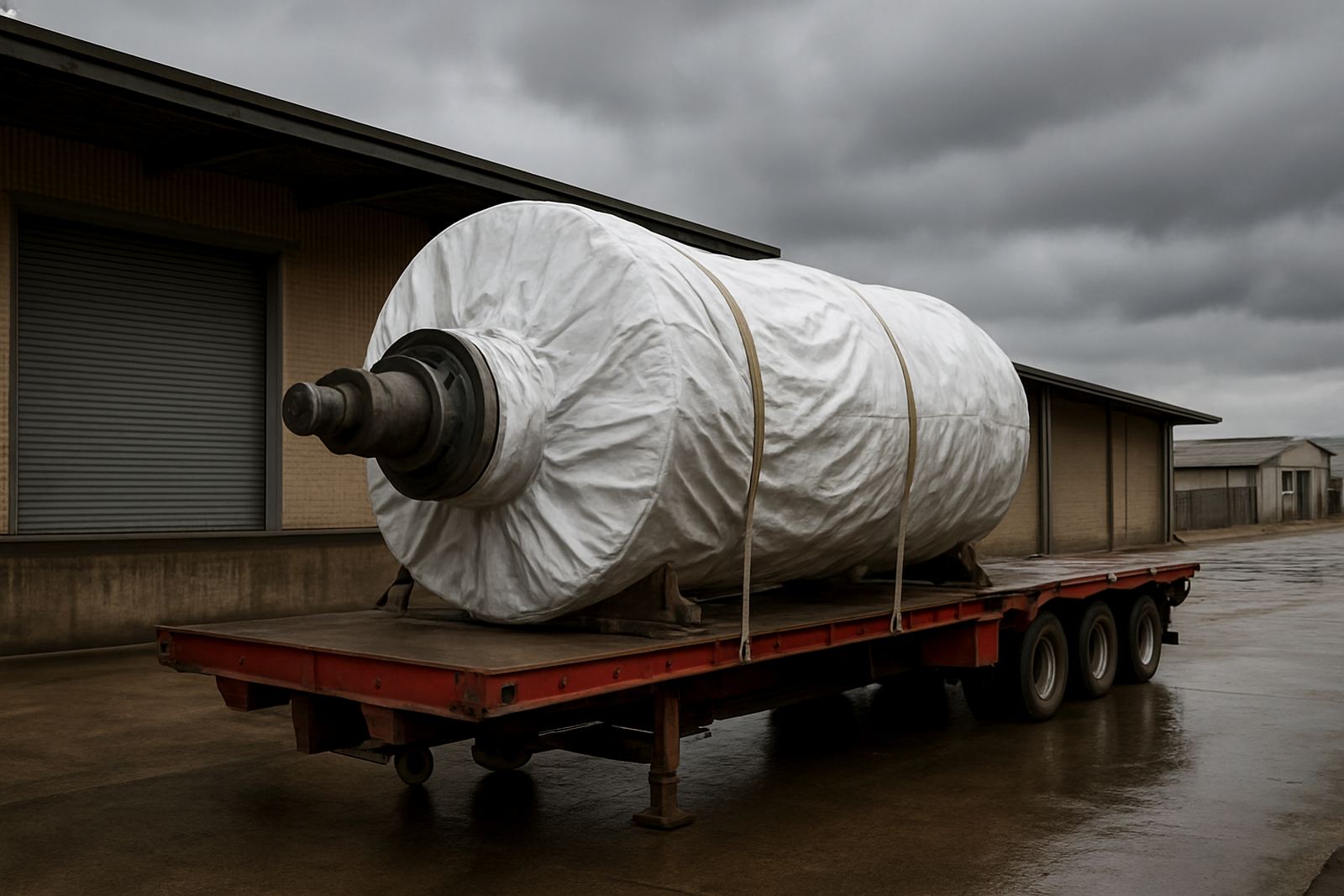
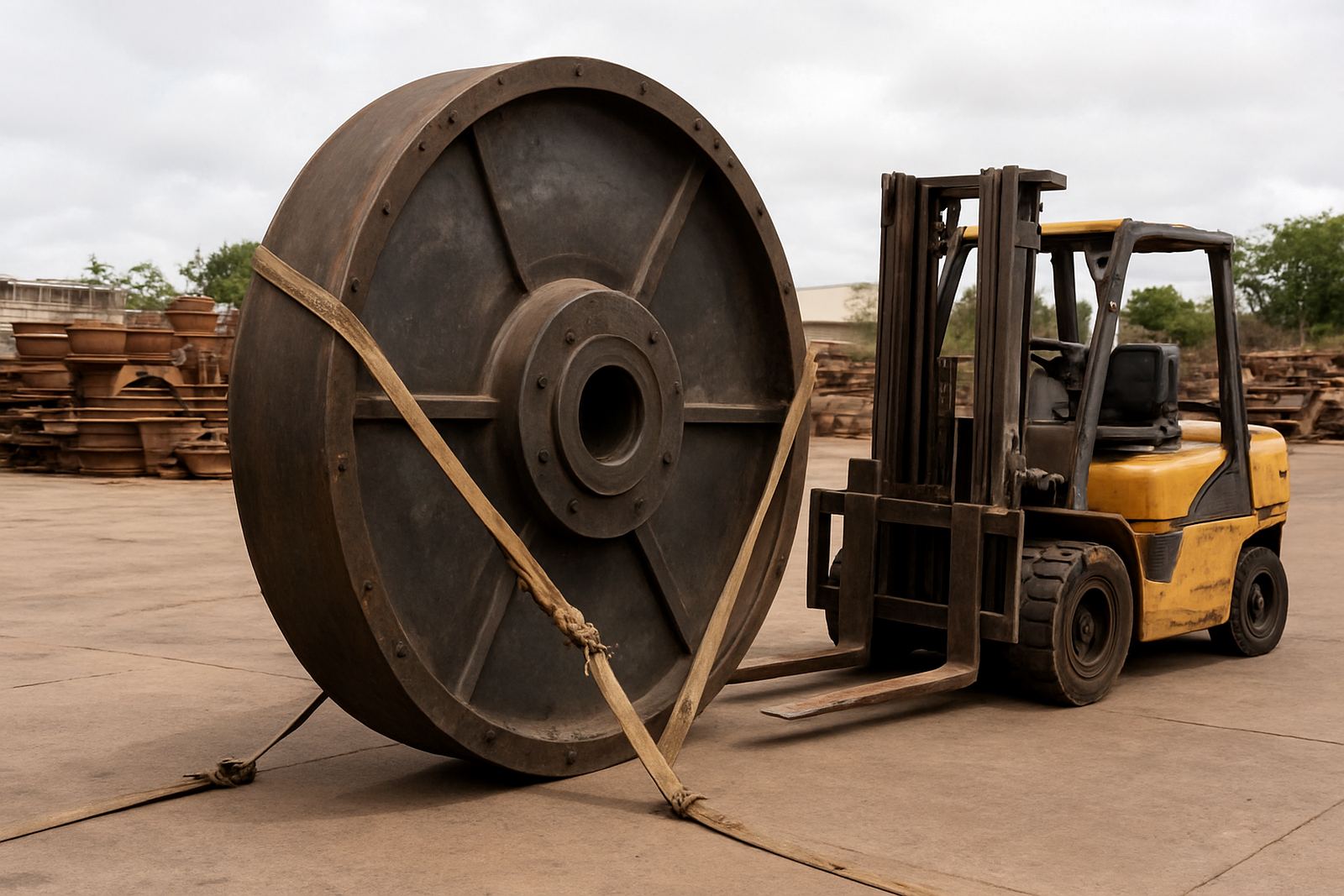
Once cleared, Johan Steenkamp arranged yard release, palletising and wrapping so the plates could travel safely on road freight. Toggle plates are awkward items to move because of their weight and shape, so the packing had to keep the set stable and prevent chafing during transit. Mpho Rakoma then coordinated delivery from Middelburg to the Vryheid area, with the timing set to suit the quarry team receiving the consignment.
The route and handover were arranged to avoid delays at the wrong time of day, especially with the usual truck traffic on provincial roads and the practical limits of a rural site access road. The client did not want repeated handling at the gate, so we made sure the paperwork and load description were correct before dispatch. That kept the process clean, and the yard team could unload once and fit once, which is how it should be.
Timeline and Result
The full process ran over 2 weeks from first enquiry to delivery confirmation. The first few days were spent confirming the crusher details, checking the available reserve stock and completing inspection. After that, the plates were released from storage, packed, and sent with delivery arranged to the quarry. The client was able to complete the change-out during a planned maintenance shift instead of waiting on a longer procurement cycle.
The result was that the quarry restarted production without having to source new plates at short notice, which saved both time and money. It also reduced the amount of scrap created by the overload event, because only the damaged set was replaced and the usable reserve stock was put back into service. For a small operation near Vryheid, that kind of turnaround matters, especially when a shutdown affects supply to nearby customers and road projects.
What We Would Do Again on a Similar Job
We would follow the same process again for a rural quarry facing unexpected crusher downtime. The main reason is simple: when the plant stops, the job is not only about finding a part. It is about confirming the right part, checking the condition properly, and moving it in a way that suits the site. That is where reserve stock and clear inspection notes make a difference.
If the same issue came through again, we would still start with exact crusher details, then compare the plates to the worn set before release. We would also continue to plan for local conditions, including gravel road access, weather exposure and power interruptions on site. Those practical points help the handover go smoothly and keep the crew from losing a shift for nothing. That is the kind of exchange work we handle every week.
- Confirm machine model before release
- Check fit against the existing toggle arrangement
- Pack for one safe lift, not multiple moves
- Deliver against the quarry's maintenance window
Key facts
| Project | Vryheid toggle plates for quarry restart |
|---|---|
| Client type | Rural quarry supplying aggregate |
| Location | Near Vryheid, northern KwaZulu-Natal |
| Supply source | Reserve stock from Middelburg yard |
| Timeline | 2 weeks from enquiry to delivery |
| Service mix | Inspection, condition reporting, palletising, delivery and exchange release |