

Secunda Idler Sets
Home / Projects / Secunda Idler Sets

Projects

Secunda Idler Sets

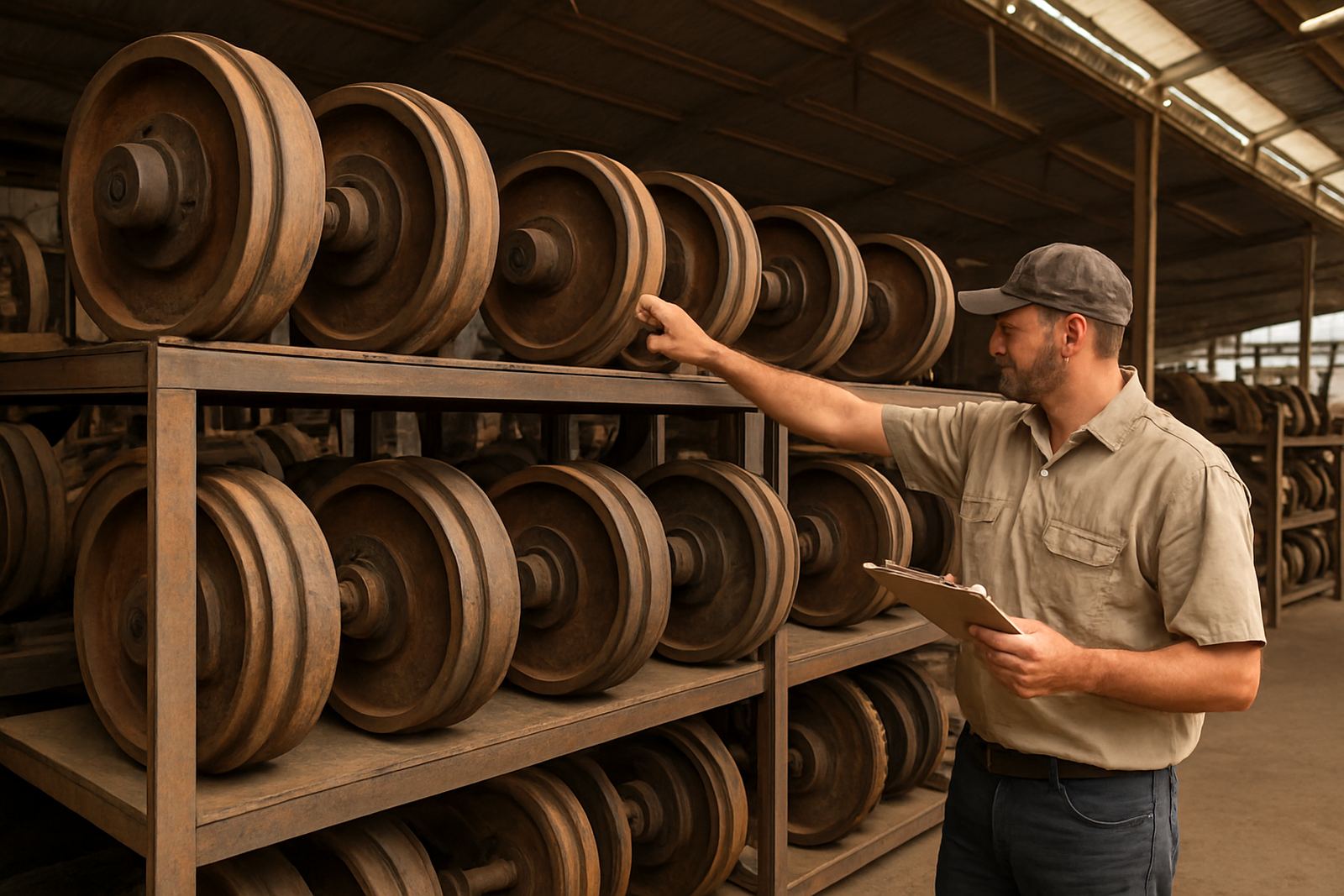
We handled a Secunda idler set release for a contractor maintaining transfer conveyors on a busy coal-side site. The brief was simple: find serviceable surplus stock, verify what was fit for reuse, and move it quickly without interrupting planned maintenance.

What the Secunda contractor needed from surplus stock

The client was a maintenance contractor working on transfer conveyors in Secunda, Mpumalanga, where shutdown windows are tight and access can change fast. They needed bulk idler sets from surplus mine stock, with enough consistency to keep several conveyor runs going and avoid waiting on new manufacture. The request covered standard troughing and return idler sets in mixed condition, but all had to be checked before release.

The main brief was to source usable sets at once, reduce waste from idle stock, and keep the cost below buying brand new parts for every conveyor line. That mattered because the site had a mix of wet weather exposure, dust and vibration, so the parts needed to be sound enough for practical use and not just look good on paper.

  • Client type: conveyor maintenance contractor
  • Town: Secunda, Mpumalanga
  • Need: surplus idler sets for transfer conveyors
  • Goal: faster supply, lower spend, less waste

Inspection checks before anything left the yard

Our inspection team checked each idler set for free rolling movement, frame straightness, shell wear, damaged end caps and signs of seized bearings. Where sets came in mixed condition, we separated the better units for exchange and marked the poor ones for scrap versus exchange. That helped the client see exactly what was worth fitting and what should stay off the conveyor.

Sibusiso Ndlovu coordinated the checks, while Johan Steenkamp handled yard sorting and safe stacking. We also did condition notes for each batch so the contractor could match the stock against their shutdown plan. In a few cases, the outer frames showed surface rust from outdoor storage, but the rollers were still serviceable after cleaning and rotation testing, so they were kept in the release pool.

  • Rolling check on each set
  • Frame and mounting hole inspection
  • Condition grading for reuse or scrap
  • Batch marking for easy site matching

How we stored and packed the idler sets for dispatch

Because the stock was going from surplus mine holding into active maintenance use, storage had to be tidy and traceable. We palletised the idler sets in workable bundles, banded them where needed, and separated different sizes so the receiving team could offload quickly. On a live site, no one wants to dig through a mixed pile while a conveyor stoppage is waiting.

Our Middelburg base managed the holding stock before dispatch, then Mpho Rakoma arranged transport in line with the site access timing. We planned the collection so it did not clash with heavy vehicle traffic, and we kept the paperwork simple enough for the contractor's receiving team to sign off fast. That saved time at the gate and on the workshop floor, which matters when the shutdown clock is already running.

  • Palletised bundles for easy unloading
  • Separated by size and condition
  • Stored in the Middelburg Yard before release
  • Loaded to suit site access timing

Timeline from listing to delivery in three weeks

The full exchange ran over three weeks from first listing to final delivery. Week one covered availability checking, inspection and condition reporting. Week two was used for client approval, batching and packing. Week three handled collection, transport and offload at the Secunda side receiving point. The schedule was tight but workable because the parts were already in surplus stock and did not need long lead fabrication.

Thabo Johannes Mokoena oversaw the commercial side with Anika van Zyl handling the exchange and sales flow. Lerato Maseko kept the operations side moving so the yard, inspection and dispatch work stayed in sequence. Nokuthula Dlamini managed client updates, which kept the contractor informed on what was approved, what was held back and when delivery would land.

  • Week 1: listing, checks and grading
  • Week 2: approval and palletising
  • Week 3: collection and delivery

What changed for the conveyor team after fitment

The result was a cleaner, more affordable supply of idler sets for the maintenance contractor, with enough quantity to cover planned work on transfer conveyors without waiting for a fresh procurement cycle. The receiving team could fit matched sets from the same batch, which helped with installation speed and reduced the risk of mixing uneven wear patterns. That is useful on transfer points where vibration and belt tracking problems can become expensive fast.

The client also avoided scrap piles building up on site, because usable units were channelled back into service and only the failed pieces were sent for scrap recovery. In practical terms, that meant less waste, better store control and better use of surplus mine stock that would otherwise sit idle. It also gave them a local source they could call on again for future shutdowns, which saves a lot of stress when a belt line goes down unexpectedly.

What we would repeat on the next Secunda release

If we were doing the same job again, we would follow the same order: inspect first, separate by condition, palletise by size, and schedule delivery to the shutdown window not after it. For Secunda work, that timing is often the difference between a smooth changeover and a costly delay. We would also keep the batch notes detailed so the site team can match the right idler sets to the right conveyor line without second-guessing.

This project suited our Middelburg base well because we already handle listing, inspecting, storing and delivering surplus crusher and conveyor spares across South Africa. From eMalahleni to Rustenburg, Polokwane, Kathu and Pietermaritzburg, the same process applies: check the stock properly, keep the release clean, and move only what the client can use. It is practical work, and it keeps good parts in circulation where they are needed most.

  • Use condition grading before release
  • Bundle by line and size
  • Keep delivery tied to the shutdown plan
  • Record anything unsuitable for exchange

Key facts

Project locationSecunda, Mpumalanga
Client typeConveyor maintenance contractor
Stock suppliedBulk idler sets from surplus mine stock
Service scopeInspection, condition reporting, palletising, local collection and delivery
Timeline3 weeks from listing to delivery
OutcomeServiceable idler sets supplied for planned conveyor maintenance with lower cost and less waste

What our Crusher Spares customers say

Verified Google reviews

Questions we get asked

Were the idler sets new or used?

They were surplus sets from mine stock, inspected and graded before release for reuse.

How long did the Secunda job take?

The full process took three weeks from first listing to final delivery.

Can you handle more than one conveyor line at a time?

Yes, we can batch, store and dispatch mixed quantities for several lines if the shutdown plan is clear.

Planning something? Send the team a message.

Contact form